
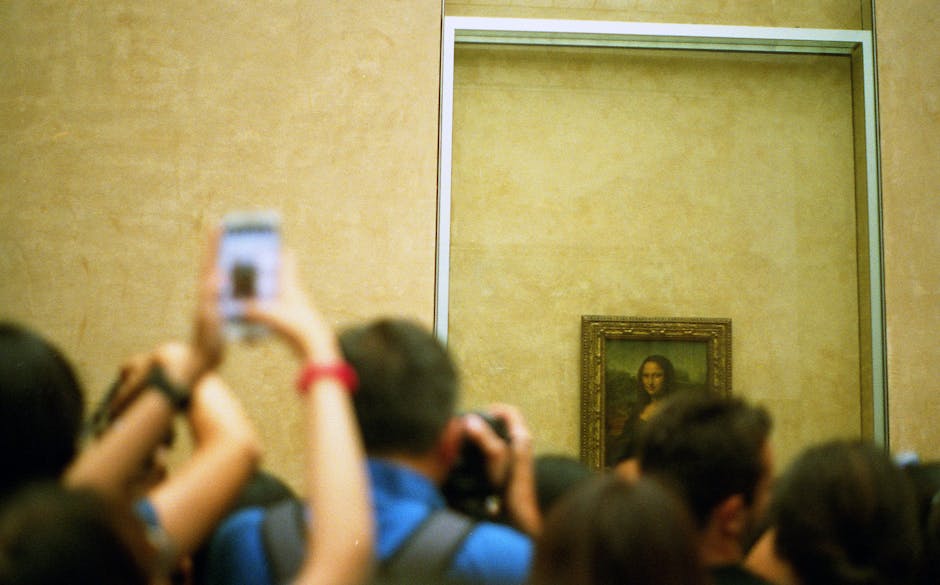
Imagine holding a moment in your hand, capturing it instantly, and sharing it with the world. That’s the magic of smartphones, isn’t it?
But have you ever wondered when it all began? What was the first smartphone that introduced the world to the convenience of a camera in your pocket? If you’ve ever found yourself curious about the origins of this technology that has become an inseparable part of your daily life, you’re in the right place.
Discover the groundbreaking device that paved the way for your selfies and snapshots, and see how it transformed your connection with the world around you. Get ready to dive into the fascinating story of the first smartphone with a camera and understand why it was a game changer. Keep reading, and you’ll uncover a piece of history that changed the way you capture memories forever.
Early Mobile Phone Cameras
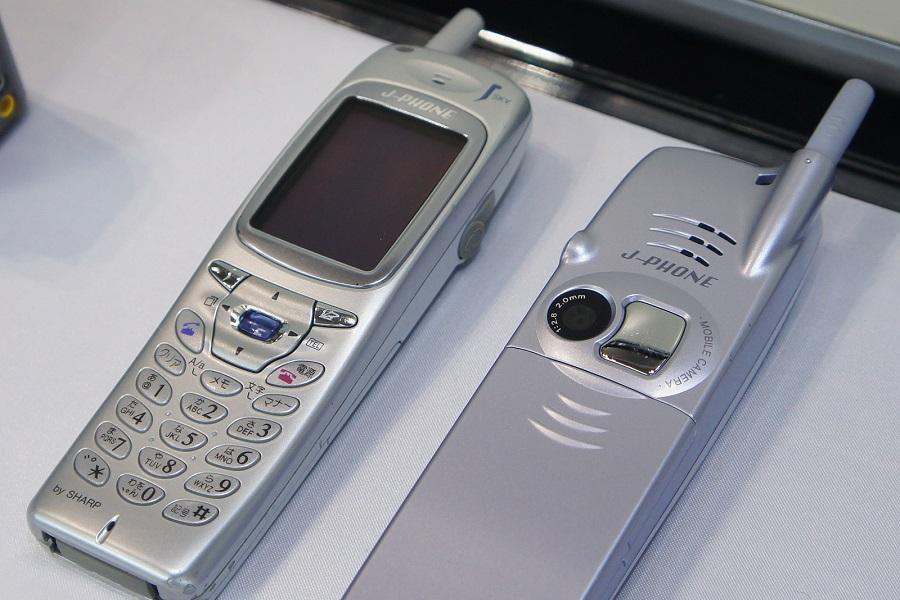
The first smartphone with a camera was the Sharp J-SH04, launched in Japan in 2000. This innovative device featured a 0. 11-megapixel camera, allowing users to capture and share photos effortlessly. It marked the beginning of an era where mobile phones became more than just communication tools.
The journey of early mobile phone cameras is a fascinating one, reflecting a time when capturing images on the go was a novelty. Initially, phones were just for calls and texts. But then, a camera was added, changing everything. The addition of cameras to mobile phones was a game-changer, allowing people to snap pictures anywhere. It was a simple idea, but it opened up new possibilities. Suddenly, everyone could be a photographer, capturing moments without needing a separate camera.The Dawn Of Mobile Photography
In the late 1990s, the first phones with cameras started appearing. It was exciting to think you could take a picture with your phone. The early models weren’t perfect, but they paved the way for today’s smartphones. The cameras in these early phones were basic, often producing grainy images. But they were enough to capture memories. Imagine being able to take a photo at a family gathering without carrying a bulky camera.The Sharp J-sh04: A Pioneer
The Sharp J-SH04, released in Japan in 2000, is often credited as the first camera phone. It had a simple 0.11-megapixel camera. By today’s standards, that might seem primitive, but back then, it was revolutionary. This phone allowed users to take photos and share them wirelessly. It was a glimpse into the future where sharing images would become second nature. It’s fascinating to think how a single device could change our habits so profoundly.Impact On Everyday Life
Consider how this innovation influenced everyday life. It wasn’t just about taking photos; it was about sharing experiences. People could now document their lives in real-time and share them instantly. The convenience of having a camera in your pocket encouraged more spontaneous photography. You didn’t need to plan to take a camera with you. You could capture life as it happened.Personal Reflections
Remember your first camera phone? The excitement of clicking a button and seeing a photo appear on the screen was unmatched. It might not have been perfect, but it was yours, and it was amazing. Think about the first time you shared a photo from your phone. Did you send it to a friend or post it online? That sense of connection and sharing was something new and exciting.The Legacy Of Early Camera Phones
The early camera phones may not have been advanced, but they set the stage for future innovations. They made photography accessible to everyone, not just those with expensive equipment. As you carry your smartphone today, consider how far technology has come since those early days. What moments are you capturing that would have been impossible back then? What will the future hold for mobile photography? Your smartphone today is a testament to how a simple idea can evolve and enhance our lives. The early mobile phone cameras were just the beginning of a journey that continues to unfold.
Credit: nokiamob.net
The Birth Of The Camera Phone
The birth of the camera phone marked a pivotal moment in technology. This innovation transformed how people capture and share memories. In the early 2000s, mobile phones began to include cameras. This change started a new era, blending photography and communication.
The First Smartphone Camera
The first camera phone was the Kyocera Visual Phone VP-210. Released in 1999, it was a game-changer. It featured a 0.11-megapixel camera. This allowed users to take digital photos on a mobile device.
Impact On Communication
Camera phones changed communication forever. People could share images instantly. This added a visual dimension to conversations. It also made documenting life easier.
Evolution Of Phone Cameras
Phone cameras have evolved rapidly since the first release. The technology improved, offering higher resolutions. Today, phones have multiple lenses. They capture high-quality photos and videos.
Why It Matters
The camera phone blends photography with convenience. It made taking photos accessible to everyone. This opened up creative opportunities for users worldwide.
Kyocera Vp-210: The Pioneer
The Kyocera VP-210 marked a significant moment in tech history. This device was the world’s first smartphone equipped with a camera. It opened the door to a new era of mobile photography.
Launch And Features
Kyocera launched the VP-210 in Japan in May 1999. This device featured a 0.11-megapixel camera. It could store up to 20 photos. The phone had a built-in LCD screen for viewing images. Users could also make video calls, a novel feature then.
The VP-210 had a simple design with basic functions. It offered up to two hours of talk time. The phone weighed about 165 grams. Its compact size made it easy to carry.
Market Reception
The market received the Kyocera VP-210 with curiosity. Many were intrigued by the camera feature. It sparked interest among tech enthusiasts. Some viewed it as a glimpse into the future.
Despite its novelty, it did not become widely popular. The camera quality was quite low. Limited storage made it less appealing to many. Yet, it laid the groundwork for future advancements.
Kyocera’s VP-210 paved the way for smartphones today. It set a precedent for integrating cameras into mobile devices.
Credit: www.digitaltrends.com
Technological Innovations
Smartphones have become an integral part of our lives, and their evolution is marked by numerous technological innovations. One such innovation that changed the way we capture memories was the introduction of the camera in smartphones. The first smartphone with a camera was the Sharp J-SH04, launched in Japan in 2000. It was a groundbreaking device, setting the stage for the modern mobile photography we enjoy today. But how did these early cameras evolve into the high-quality, versatile tools we now use?
Image Quality Advancements
The Sharp J-SH04 featured a modest 0.11-megapixel camera. Today, that seems primitive, but it was a significant leap forward at the time. You might remember the thrill of capturing your first grainy photo on a mobile device—it was magical. Over the years, image quality has seen dramatic improvements. Modern smartphones boast cameras with 50 megapixels or more, ensuring crisp, clear images. This advancement is due to better sensors, lenses, and software enhancements. Have you ever compared an old phone photo to a new one? The difference is astonishing.
Integration With Mobile Systems
Adding a camera to a phone was just the beginning. How do you think this innovation was integrated with the rest of the mobile systems? Early smartphones had basic operating systems, but they quickly adapted to support camera functions. Fast forward to today, and the seamless integration allows for instant sharing, editing, and even AI-enhanced photography. This integration has transformed how we interact with our phones daily. Have you noticed how easily you can switch between apps while capturing moments?
Imagine a world where you couldn’t instantly share a photo of your delicious meal or a breathtaking sunset. It’s hard to fathom, isn’t it? Smartphones have made it possible, and the journey began with the humble camera phone.
What do you think will be the next big leap in smartphone technology? Could it be holographic displays or even more advanced AI photography? The possibilities seem endless, and the future is undoubtedly exciting.
Impact On Mobile Industry
The debut of the first smartphone with a camera marked a pivotal moment in the mobile industry, redefining how we interact with our devices. This innovation shifted the focus from mere communication to multimedia creation, forever changing consumer expectations and influencing future smartphone designs.
Shift In Consumer Expectations
With the advent of the camera phone, users began expecting more from their devices than just making calls or sending texts. Suddenly, your phone became a tool for capturing life’s moments, whether it was your child’s first steps or a breathtaking sunset.
Remember the excitement of snapping your first photo on a mobile device? That sense of wonder sparked a demand for better camera quality and features, leading manufacturers to compete in delivering superior photography experiences. This shift pushed the industry to innovate beyond basic functionality.
Consumers now consider camera specs as a critical factor when choosing a phone. Has this changed your shopping habits? Have you found yourself prioritizing megapixels over battery life or screen size?
Influence On Future Designs
The integration of cameras into smartphones didn’t just alter consumer expectations; it also reshaped phone designs. Manufacturers began focusing on sleek designs that could accommodate more sophisticated camera technology without compromising on aesthetics.
This led to the emergence of multi-camera systems, optical zooms, and AI-enhanced photo capabilities. Every year, new models push boundaries further, each vying to offer the best camera experience. Think about the phone you use today; how much does its design owe to the pioneering camera phones?
Moreover, the smartphone camera prompted other technological advances, such as improved storage capacities to handle high-resolution images and videos. It also spurred the development of apps, like Instagram and Snapchat, that rely heavily on camera features.
What’s the next frontier for smartphone cameras? Could future designs integrate even more immersive experiences, such as 3D photography or augmented reality? Your thoughts could shape the next wave of innovation.

Credit: mashable.com
Legacy Of The First Camera Phone
The first smartphone with a camera changed the way people communicate. It introduced a new way to capture and share moments. This invention left a lasting impact on both culture and technology.
Cultural And Social Influence
The camera phone made photography more accessible. Before it, only cameras could take photos. Now, anyone with a phone could become a photographer. This broadened the scope of who could tell stories through images.
Sharing photos became a common way to connect. People used images to express themselves. Social media platforms grew because of this trend. Photos became a universal language, speaking louder than words.
Foundation For Future Developments
The first camera phone laid the groundwork for future tech innovations. It inspired improvements in smartphone cameras. Each new model came with better features and clearer pictures.
This evolution in phone cameras led to more advanced technologies. Features like facial recognition and augmented reality became possible. It opened doors to creative apps and tools for photo editing.
Frequently Asked Questions
What Was The First Smartphone With A Camera?
The first smartphone with a camera was the Sharp J-SH04. Released in 2000, it featured a 0. 11-megapixel camera. This innovation marked the beginning of camera integration in mobile phones. It paved the way for the modern smartphones we use today.
Sharp’s pioneering move was a game-changer.
When Was The First Camera Phone Launched?
The first camera phone was launched in November 2000. Sharp’s J-SH04 was introduced in Japan by J-Phone. It could capture and send images wirelessly. This launch marked a significant milestone in mobile technology. Camera phones have since become ubiquitous worldwide.
Which Company Made The First Camera Phone?
Sharp Corporation made the first camera phone, the J-SH04. Released in Japan, it was a revolutionary product. Sharp’s innovation set the standard for future smartphones. Today, cameras are a key feature in mobile devices. Sharp’s invention was pivotal in shaping the industry.
How Did Camera Phones Change Mobile Technology?
Camera phones revolutionized mobile technology by enabling photo sharing. They introduced multimedia messaging and social connectivity. This innovation led to the development of apps like Instagram. Camera phones enhanced communication beyond text. They transformed how we capture and share moments globally.
Conclusion
The first smartphone with a camera marked a major milestone. It blended technology with everyday life. People could capture memories instantly. This changed how we share experiences. Photography became more accessible. It also paved the way for more innovations. Smartphones today have advanced cameras.
They offer high-quality images and videos. Yet, the first camera phone set the foundation. It was simple, but significant. Many brands followed suit. They improved camera technology over time. The impact is evident today. Smartphones have become essential tools. They connect us and preserve moments.
All thanks to that first camera phone.



