
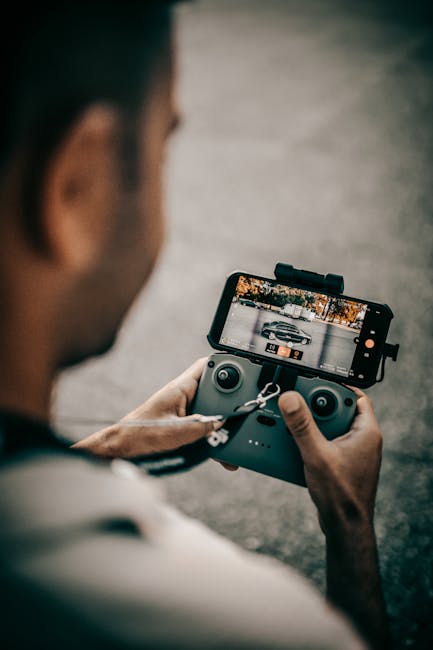
Imagine capturing the breathtaking sunset, the vibrant city lights, or even your pet’s charming antics without lugging around a bulky camera. With smartphone photography, this dream is now a reality.
You hold in your hands a powerful tool that can transform ordinary moments into extraordinary memories. But are you using it to its full potential? This article is your guide to unlocking the secrets of smartphone photography, ensuring you never miss that perfect shot.
You’ll discover tips and tricks that can elevate your photos from simple snapshots to stunning visual stories. Ready to see the world through a new lens? Keep reading to unleash your inner photographer.

Credit: digital-photography-school.com
Choosing The Right Smartphone
Exploring smartphone photography starts with choosing the right device. Look for high-quality cameras with good resolution. Consider features like optical zoom, low-light performance, and fast autofocus to capture stunning images effortlessly.
Choosing the right smartphone is the first step to mastering the art of smartphone photography. With so many options available, it can be overwhelming to know where to start. Your choice can significantly influence the quality of your photos and your overall photography experience. Consider what features matter most to you. Do you prioritize image quality, versatility, or ease of use? Understanding your needs will guide you to the right device.Camera Specifications
Knowing the camera specifications is crucial. Pay attention to the megapixel count, as it determines the resolution of your photos. However, more megapixels don’t always mean better images. Check other features like optical zoom and image stabilization. These can help you capture sharper images in different lighting conditions.Sensor Quality
The sensor is the heart of your smartphone camera. A larger sensor can capture more light, leading to better photos, especially in low light. Look for smartphones with advanced sensor technology. Brands often highlight this feature, so it’s worth researching. Consider how different sensors perform in real-world settings. Reading user reviews can provide insights into how a phone handles various lighting situations.Lens Options
Modern smartphones often come with multiple lenses. These can include wide, ultra-wide, and telephoto options, each offering different perspectives. Think about the types of photos you enjoy taking. A wide lens is great for landscapes, while a telephoto lens excels in capturing distant subjects. Experiment with different lenses to find your style. You might be surprised how a different lens can transform your photos. Each smartphone has unique strengths. Ask yourself, what kind of photographer do you want to be? Your answer will lead you to the smartphone that best fits your creative vision.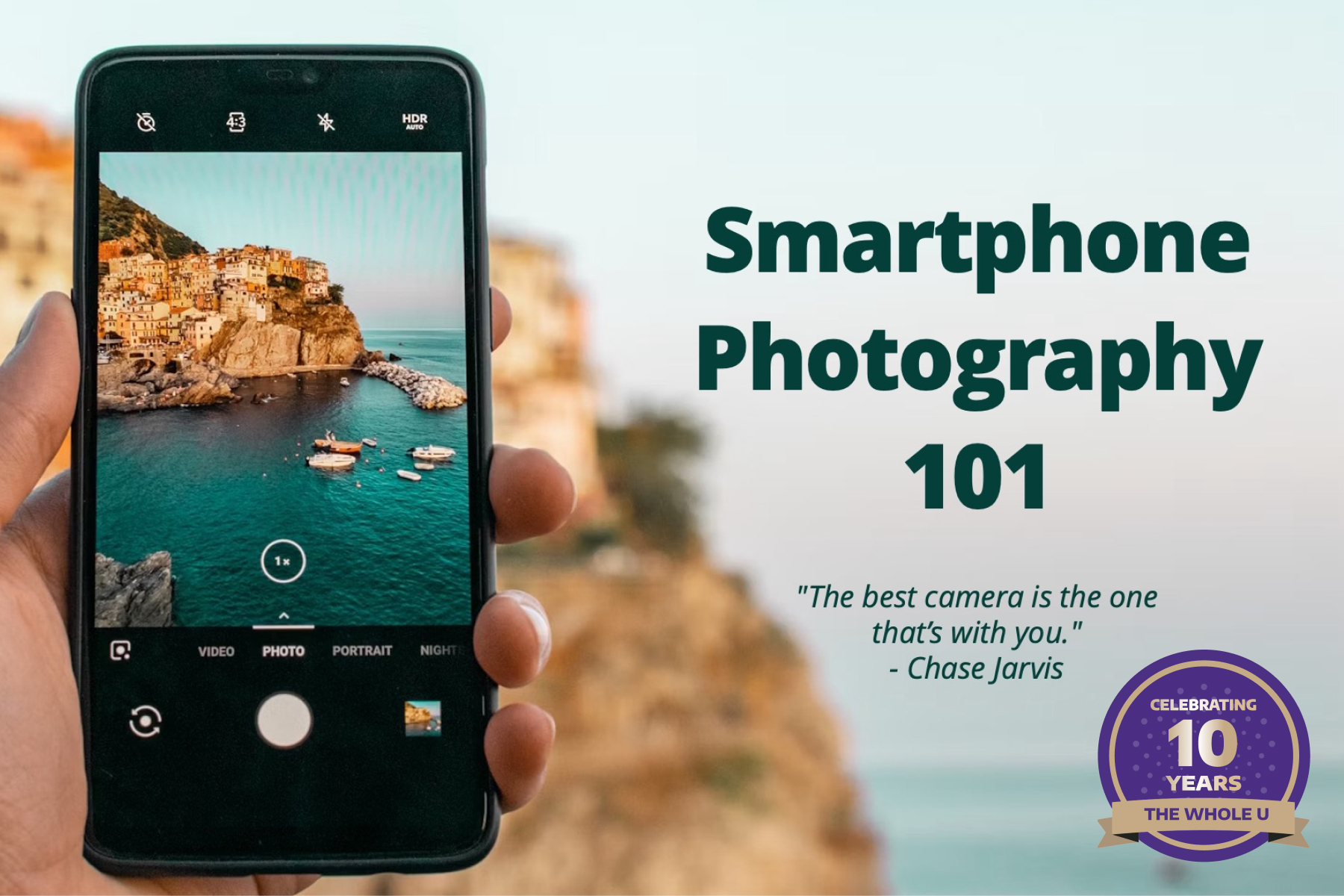
Credit: thewholeu.uw.edu
Mastering Camera Settings
Smartphone photography has become an art form in itself, allowing anyone to capture stunning images with just a few taps. To truly excel in this art, mastering your smartphone’s camera settings is essential. Understanding how to control exposure, focus, ISO, and shutter speed can transform your photos from ordinary to extraordinary. Let’s dive into these settings and see how you can make the most of them.
Exposure Control
Exposure is all about the amount of light that hits your camera sensor. Too much, and your photo is washed out; too little, and it’s too dark. Most smartphones offer a simple slider to adjust exposure. Try experimenting with this in different lighting conditions. Have you ever tried capturing a sunset only to find it too bright? Lowering the exposure can help you get those vibrant colors.
Next time you’re at a concert, adjust the exposure to capture the atmosphere without losing details. Balancing exposure can make your photos pop, especially in tricky lighting scenarios.
Focus Techniques
Getting your subject in sharp focus is crucial. Most smartphones use tap-to-focus, allowing you to select your focal point. When taking a photo of a flower, tap on the bloom, and you’ll see the magic unfold. It’s like telling your camera what’s important.
Explore different focal points by shifting from foreground to background. This technique can enhance depth and storytelling in your images. Have you tried focusing on raindrops on a window, making the cityscape outside blurry? It’s a simple trick to create dramatic and artistic shots.
Iso And Shutter Speed
ISO measures your camera’s sensitivity to light. In low light, increasing ISO helps, but watch out for noise or graininess. When attending a dimly-lit event, raising the ISO can capture moments without flash. But remember, higher ISO can affect image quality.
Shutter speed, on the other hand, controls how long your camera’s sensor is exposed to light. Fast shutter speeds freeze motion—a great tip for sports photography. Have you ever tried capturing your friend’s skateboard trick? A fast shutter speed is your best friend.
Lowering shutter speed allows more light and can create motion blur. Try this with flowing water for a dreamy effect. Experimenting with ISO and shutter speed can elevate your photography skills significantly.
So, which setting will you experiment with today? Transform your everyday scenes into captivating stories using these techniques. Remember, practice makes perfect, and each click leads to a masterpiece.
Lighting Techniques
Lighting is crucial in smartphone photography. Good lighting can transform a dull photo into something stunning. Understanding different lighting techniques will help capture better images. Experimenting with light is key to creating beautiful pictures.
Natural Light Utilization
Natural light is the most accessible lighting source. It adds warmth and depth to photos. Early morning or late afternoon offers the best natural light. The golden hour gives a soft glow, enhancing portraits and landscapes. Cloudy days provide diffused light, reducing harsh shadows. Avoid direct sunlight. It can create unwanted glare and overexposure. Use reflections from buildings or surfaces to soften light.
Low Light Photography
Low light conditions are challenging. Smartphone cameras struggle with low light. Use settings like night mode for better exposure. Stabilize your phone to reduce blurring. Hold your phone steady or use a tripod. Adjust ISO settings for more light capture. Keep ISO low to avoid noise. Increase shutter speed for clearer images. Experiment with angles to find the best light.
Using Flash Effectively
Flash can brighten a dark scene. Use it carefully to avoid harsh results. Diffuse the flash for softer lighting. Cover it with tissue or tape for a gentle effect. Avoid using flash in reflective areas. It can create unwanted glare. Use flash for backlit subjects to highlight details. Adjust flash settings on your phone for best results. Practice will help achieve balanced images.
Composition And Framing
Smartphone photography is more than just tapping the capture button—it’s an art form that invites you to explore the world from unique perspectives. At the heart of this art lies composition and framing, the magic ingredients that turn ordinary snapshots into captivating stories. Whether you’re capturing a bustling cityscape or a serene sunset, mastering these techniques can transform your photos from good to great. Ready to elevate your photography game?
Rule Of Thirds
Think of your screen divided into a grid of nine equal rectangles. The rule of thirds encourages you to place your subject at the intersections of these lines. It creates balance and draws the viewer’s eye naturally. Next time you’re capturing a photo, place that beautiful sunset along one of the horizontal lines. Notice how your image feels more dynamic? The rule of thirds is a simple trick, but it packs a punch.
Leading Lines
Have you ever noticed how some photos guide your eyes across the image? That’s the magic of leading lines. They can be roads, fences, or even a row of trees. These lines lead the viewer’s gaze to a focal point, adding depth and interest. While wandering through a park, I noticed a path lined with vibrant flowers leading to a majestic fountain. The photo captured the journey, not just the destination. Try finding lines in your surroundings that guide the story of your photo.
Creative Angles
Don’t be afraid to experiment with angles. Crouch low or reach high; these different perspectives can transform your shots. A fresh angle can make a mundane object intriguing. I once captured a towering skyscraper by lying on the ground. The photo felt dramatic and towering, unlike the usual straight-on view. Challenge yourself to find new angles. How does the world look from your knees or from above your head? These unexpected viewpoints can add a unique touch to your photography.
Embrace these techniques and watch your smartphone photography evolve. What stories will your photos tell today?
Post-processing Essentials
Smartphone photography offers a world of creativity at your fingertips. Capturing the perfect shot is just the beginning. The magic often happens in post-processing. Enhancing images can transform ordinary photos into extraordinary ones. Let’s explore essential techniques to elevate your smartphone photography.
Editing Apps
Choosing the right app is crucial for editing photos. Popular options include Snapseed and VSCO. These apps offer user-friendly interfaces. They provide tools to adjust brightness, contrast, and saturation. Explore filters to add artistic flair to your images. Experimenting with these features can help refine your style.
Color Correction
Color correction can significantly improve photo quality. Adjusting colors can make them look more natural. Balance the whites and blacks to enhance clarity. Correcting colors can also convey mood. Warm tones can make a photo feel cozy. Cooler tones can give a fresh, crisp look. Use the color wheel to guide your adjustments.
Cropping And Resizing
Cropping is essential for framing your subject. It helps remove distractions from the background. Focus on key elements to tell your story. Resizing ensures your images fit various platforms. This step maintains quality while adjusting dimensions. Keep the aspect ratio consistent. This prevents distortion and maintains aesthetic appeal.
Exploring Photography Styles
Smartphone photography opens a world of creative possibilities. With a variety of styles, each captures life’s diverse moments. Exploring different styles can enhance your skills and eye for detail. Whether it’s portraits, landscapes, or street scenes, each style offers unique challenges and rewards.
Portraits
Portrait photography captures the essence of a person. Use your smartphone’s portrait mode for depth. Focus on the eyes to create a strong connection. Natural light is your friend, so seek it out. Experiment with angles to find the best look. Portraits tell stories through expressions and settings.
Landscapes
Landscape photography showcases the beauty of nature. Use the wide-angle lens for expansive views. Capture the golden hour for stunning light effects. Pay attention to the rule of thirds for balanced shots. Include foreground interest to add depth. Clouds and reflections can enhance your images.
Street Photography
Street photography captures life in motion. Be discreet to capture candid moments. Use burst mode for fast-moving subjects. Observe the world around you for interesting scenes. Contrast light and shadow for dramatic effects. Street photography tells everyday stories with authenticity.
Sharing And Showcasing
Smartphone photography isn’t just about capturing moments—it’s about sharing them with the world and showcasing your unique perspective. Whether you’re a hobbyist or aspiring professional, sharing your photos can open doors to new opportunities and connect you with like-minded individuals. Let’s dive into how you can effectively share and showcase your smartphone photography skills.
Social Media Platforms
Social media platforms are a powerful tool for sharing your photography. From Instagram to Facebook, each platform offers unique features to enhance your photos. Instagram’s filters and editing tools can make your images pop, while Facebook allows for easy sharing with friends and family.
Have you tried using Instagram Stories to share behind-the-scenes moments? It’s a great way to engage your audience and give them a peek into your creative process. Experiment with hashtags to reach a wider audience and connect with other photographers. Are you leveraging the power of social media to showcase your work?
Creating A Portfolio
Building a photography portfolio is essential for showcasing your work professionally. Use websites like Flickr or SmugMug to create a digital portfolio that highlights your best shots. A well-organized portfolio can help you stand out when seeking freelance opportunities or collaborations.
Have you considered categorizing your photos by theme or style? This can make your portfolio more appealing to potential clients or collaborators. Keep your portfolio updated with your latest work to reflect your growth as a photographer. How does your current portfolio represent your creativity?
Engaging With Photography Communities
Photography communities are a treasure trove of inspiration and support. Join groups on platforms like Reddit or Flickr to share your work and receive constructive feedback. Engaging with these communities can help you improve your skills and gain new insights.
Have you ever participated in a photography challenge or contest? These activities can push your creative boundaries and introduce you to new techniques. Don’t hesitate to ask for advice or share tips with fellow members. Are you actively engaging with communities to enrich your photography journey?
Sharing and showcasing your smartphone photography is more than just posting a picture online—it’s about creating meaningful connections and opportunities. Embrace the power of social media, build a stunning portfolio, and engage with passionate communities to take your photography to the next level. What steps will you take today to share and showcase your talent?
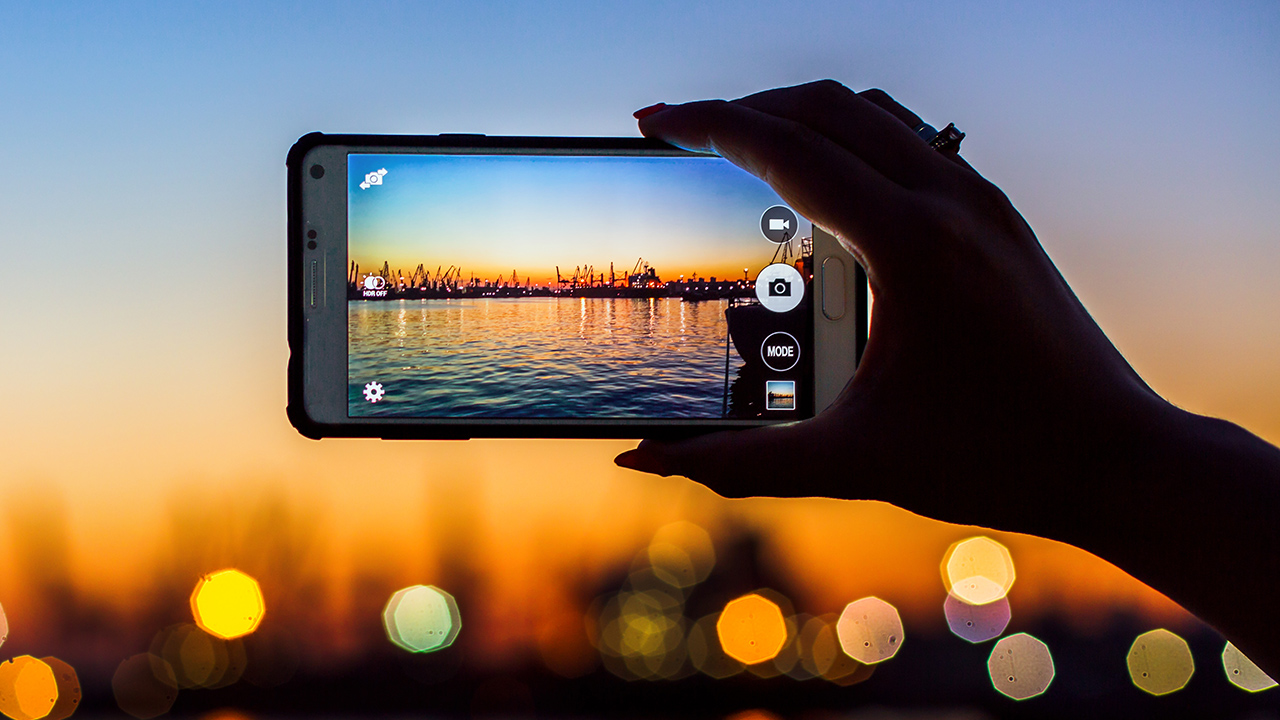
Credit: delawarelibrary.libnet.info
Frequently Asked Questions
How Can I Improve Smartphone Photo Quality?
To enhance photo quality, adjust your phone’s settings for resolution and HDR. Use natural lighting and avoid digital zoom. Hold the phone steady for clear shots. Experiment with angles and compositions to capture unique perspectives.
Which Apps Enhance Smartphone Photography?
Apps like Adobe Lightroom and Snapseed offer advanced editing features. VSCO and Camera+ provide manual controls and filters. Use these apps to refine your photos and create professional-quality images with ease.
Are Smartphone Cameras Better Than Dslrs?
Smartphone cameras are convenient and versatile but lack the depth of field and lens variety of DSLRs. They excel in portability and ease of use, making them perfect for casual photography and quick shots.
How Do I Take Better Night Photos With My Phone?
For night photos, use a tripod and night mode setting. Increase exposure time and ISO settings for better results. Avoid using flash as it can wash out details in low-light conditions.
Conclusion
Smartphone photography offers incredible ways to capture life’s moments. Use natural light. Experiment with angles. Play with settings for unique shots. Explore editing apps to enhance images. Share your photos with friends and family. Enjoy the journey of learning and improving.
Remember, practice leads to better skills. Photography is about creativity. Capture the world through your lens. The possibilities are endless. Whether a hobby or passion, enjoy the process. Every picture tells a story. Keep clicking and exploring. Your smartphone is a powerful tool for photography.
Embrace it and capture memories. Happy shooting!