

Imagine having complete control over who accesses your digital assets, all while ensuring that your sensitive information remains secure. This is the promise of Identity and Access Management (IAM) in cloud computing.
As you transition your operations to the cloud, understanding IAM becomes crucial for protecting your data and streamlining your workflow. Are you concerned about unauthorized access, data breaches, or simply wanting to enhance your system’s efficiency? IAM is your answer.
By harnessing the power of IAM, you can confidently manage user identities and define access rights across your cloud environments. This not only keeps your data safe but also boosts your productivity by ensuring that the right people have the right access at the right time. Curious about how you can leverage IAM to fortify your cloud security and optimize your operations? Keep reading to discover how IAM can transform the way you manage digital access and safeguard your business.
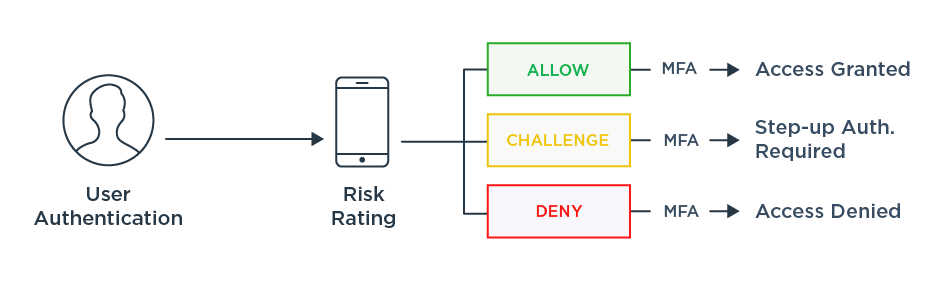
Credit: www.pingidentity.com
Iam Basics
Identity and Access Management (IAM) is crucial for cloud security. It ensures the right people access the right resources. Understanding its basics is key to safeguarding data. Let’s explore the fundamental aspects of IAM in cloud computing.
What Is Iam?
IAM stands for Identity and Access Management. It controls user access in cloud environments. It manages who can view, access, or change resources. IAM systems verify user identities. They assign roles and permissions. This ensures secure and controlled access.
Importance In Cloud Computing
Cloud computing relies on shared resources. IAM ensures only authorized users access these resources. It protects sensitive data from unauthorized access. Proper IAM reduces security risks. It prevents data breaches and unauthorized changes.
Effective IAM enhances compliance. Many industries require strict access controls. IAM helps meet these regulatory requirements. It also simplifies user management. Companies can easily add or remove user access. This ensures continuous security and compliance.
Iam Components
Identity and Access Management (IAM) is crucial for cloud security. It ensures that the right users have the right access to the right resources. IAM components help in managing identities and controlling access. They are essential for maintaining security and compliance in cloud environments.
User Management
User management involves creating and managing user accounts. It ensures each user has a unique identity. This identity is used to track activities and permissions. User management helps in maintaining accountability.
Role-based Access Control
Role-Based Access Control (RBAC) assigns permissions based on roles. It simplifies access management by grouping users. Each role has specific access rights. This reduces errors and enhances security.
Authentication Methods
Authentication verifies a user’s identity. Common methods include passwords, biometrics, and tokens. Strong authentication prevents unauthorized access. It is a key component of IAM.
Authorization Policies
Authorization policies define what users can do. They ensure users access only what is necessary. Policies are enforced through rules and conditions. Proper authorization protects data and resources.
Iam Implementation Strategies
Implementing Identity and Access Management (IAM) in cloud computing is like building the foundation of a secure house. You need the right strategy to protect your digital assets while ensuring smooth access for users. But which IAM implementation strategy suits your needs best? Let’s dive into some of the most effective strategies, allowing you to make informed decisions that bolster your cloud security.
Cloud Provider Solutions
Many cloud providers offer built-in IAM solutions, simplifying the process for you. These solutions are designed to integrate seamlessly with their cloud services, offering ease and efficiency. Consider AWS IAM, Google Cloud IAM, or Azure Active Directory, each providing robust tools to manage users and permissions.
Using these solutions, you can leverage the expertise and infrastructure of the provider. This means less setup time and a streamlined user experience. However, you might find limitations if your organization requires highly customized access controls.
Custom Iam Solutions
Custom IAM solutions give you the freedom to tailor your access management exactly to your needs. If your business has unique security requirements, this could be the path for you. You can develop bespoke software that aligns perfectly with your operational goals.
Although this approach allows for maximum flexibility, it often requires significant resources and expertise. You might need to invest in a dedicated team to manage and maintain the system. Have you considered whether the benefits outweigh the potential costs?
Hybrid Approaches
Why not combine the best of both worlds with a hybrid approach? By blending cloud provider solutions with custom integrations, you can achieve a balanced IAM strategy. This allows you to utilize cloud provider tools for standard operations while customizing specific components to meet unique demands.
A hybrid approach can offer increased agility and adaptability. However, it demands careful planning to ensure seamless integration. Are you prepared to manage the complexity that a hybrid model might introduce?
Each IAM implementation strategy carries its own set of advantages and challenges. By understanding your organization’s specific needs and resources, you can choose the path that enhances your cloud security without compromising on functionality.
Iam Best Practices
Identity and Access Management (IAM) in cloud computing is essential to ensure that the right individuals have access to the necessary resources while keeping unauthorized users out. Implementing IAM best practices not only strengthens security but also enhances operational efficiency. Let’s dive into some key strategies that can make a significant difference in your cloud security posture.
Least Privilege Principle
At the heart of IAM best practices is the Least Privilege Principle. This means granting users only the access they need to perform their tasks, nothing more. Imagine giving a new team member access to your entire cloud environment when all they need is a single application. Not only does this increase security risks, but it can also lead to accidental changes and data loss.
Consider tailoring roles and permissions carefully. You might start by analyzing the specific tasks each role requires. A practical tip? Use predefined roles and adjust them according to your organization’s needs. This way, you maintain control while ensuring efficiency.
Regular Access Reviews
Access permissions should never be set in stone. Regular reviews are crucial to adapting to changing roles and responsibilities. Have you ever noticed how quickly team dynamics change? One day, a colleague might be managing a project, and the next, they switch departments.
Regular access reviews help you stay on top of these shifts. Create a schedule to audit who has access to what. Check if any permissions are outdated or unnecessary. A quarterly review might be a good starting point. It’s a straightforward way to ensure that access rights align with current needs.
Multi-factor Authentication
Multi-Factor Authentication (MFA) adds an extra layer of security beyond just a password. Have you ever forgotten your password and been locked out of an account? Imagine the vulnerability if someone else finds it.
MFA requires users to verify their identity with something they have (like a phone) or something they are (like a fingerprint), in addition to what they know (a password). Consider setting up MFA for all critical applications. It’s a small step that can significantly reduce the risk of unauthorized access. Have you set up MFA yet?
By adopting these IAM best practices, you can build a secure and efficient cloud environment. Take a moment to evaluate your current approach. Are there areas where you can tighten security or streamline operations? Implementing these strategies may offer the peace of mind that comes with knowing your cloud resources are well-protected and efficiently managed.
Challenges In Iam
Identity and Access Management (IAM) in cloud computing is vital for protecting sensitive data and ensuring that only authorized users have access. However, managing IAM in the cloud comes with its own set of challenges. Let’s dive into the issues that often arise, particularly focusing on scalability, security threats, and compliance requirements. Understanding these challenges can help you better secure your cloud environment and protect your organization’s assets.
Scalability Issues
As your business grows, so does the number of users and devices accessing your cloud services. Managing IAM at scale can become a daunting task. You might find yourself overwhelmed with the sheer volume of access requests and permissions. Consider a scenario where your team expands rapidly. Suddenly, you’re tasked with ensuring each new member has the appropriate access without compromising security.
Automated IAM solutions can help mitigate scalability issues. These tools streamline the process, making it easier to manage user roles and permissions. But even automated solutions need careful monitoring and regular updates. How do you plan to scale your IAM strategy effectively as your business grows?
Security Threats
Cloud environments are constantly under threat from cyber attacks. IAM systems are prime targets because they hold keys to sensitive data. Weak authentication protocols or outdated security measures can lead to breaches. Imagine if a hacker gains access to your IAM system; your whole network could be compromised.
Implementing strong multi-factor authentication and regularly updating security protocols are essential. Regular audits can help identify vulnerabilities. Consider how often you review your IAM security measures. Are you proactive in addressing potential threats before they become real issues?
Compliance Requirements
Adhering to compliance regulations is critical in IAM. Different industries have varying standards, and failure to comply can result in hefty fines. You might be familiar with GDPR, HIPAA, or other regulations that dictate how you manage identities and access.
Maintaining compliance requires constant vigilance and updates to your IAM policies. Documentation and reporting are crucial. How well do your current IAM practices align with industry standards? Are you confident that your systems are compliant, or is there room for improvement?
Tackling these IAM challenges requires dedication and foresight. By addressing scalability, security, and compliance head-on, you can build a robust IAM framework that not only protects your data but also supports your business’s growth and innovation.

Credit: identitymanagementinstitute.org
Future Of Iam In Cloud
The future of Identity and Access Management (IAM) in cloud computing looks promising. As technology advances, IAM systems become smarter and more efficient. They aim to provide better security and seamless user experiences. The cloud environment requires robust IAM solutions. These solutions must adapt to changing threats and user needs. Let’s explore the emerging technologies and trends shaping IAM’s future in the cloud.
Emerging Technologies
Biometric authentication is gaining traction in IAM systems. It offers a secure way to verify users. Fingerprints, facial recognition, and voice patterns are common methods. They provide a unique layer of security. Blockchain technology also presents new opportunities for IAM. It ensures data integrity and transparency. Blockchain helps in managing identities across different platforms. Artificial Intelligence (AI) plays a crucial role too. AI enhances IAM by analyzing user behavior patterns. It detects anomalies and potential threats swiftly.
Trends In Cloud Security
Zero Trust Architecture is becoming a standard in cloud security. It assumes no user is trusted by default. This approach minimizes risks and protects sensitive data. Multi-Factor Authentication (MFA) is widely adopted now. It adds an extra security layer beyond passwords. MFA includes text messages, emails, or app notifications for verification. The rise of Internet of Things (IoT) devices demands more secure IAM strategies. Each device needs proper access controls and identity management. Finally, the shift to remote work emphasizes IAM’s importance. Secure access to cloud resources is vital for remote teams.

Credit: www.geeksforgeeks.org
Frequently Asked Questions
What Is Iam In Cloud Computing?
Identity and Access Management (IAM) in cloud computing is a framework. It ensures secure access to cloud resources. IAM involves managing user identities and controlling access permissions. It helps organizations protect sensitive data and maintain compliance with security standards. IAM is crucial for effective cloud security management.
Why Is Iam Important In Cloud Computing?
IAM is crucial for cloud security and compliance. It controls access to sensitive data and resources. By managing identities and permissions, IAM reduces unauthorized access risks. It helps organizations meet regulatory requirements and ensures data privacy. IAM strengthens overall security posture in cloud environments.
How Does Iam Enhance Cloud Security?
IAM enhances cloud security by managing user access. It ensures only authorized users can access resources. IAM uses authentication and authorization mechanisms. It helps prevent data breaches and unauthorized access. By enforcing strict access controls, IAM safeguards sensitive information in cloud environments.
What Are Iam Best Practices?
IAM best practices include strong authentication methods and regular audits. Implement role-based access control and use multi-factor authentication. Monitor user activities and review permissions frequently. Ensure least privilege access and use automation for efficiency. Regularly update IAM policies to adapt to changing security needs.
Conclusion
Identity and Access Management in cloud computing is crucial. It protects data from unauthorized access. Strong IAM policies ensure safe and efficient cloud use. Businesses need to prioritize these security measures. They safeguard sensitive information. Implementing IAM solutions builds trust with clients.
It enhances overall security posture. Organizations can confidently move operations to the cloud. They benefit from flexibility while maintaining security. Effective IAM practices reduce risk. They offer peace of mind to stakeholders. Embrace these measures for a secure cloud journey.
A proactive approach helps secure digital assets. Make IAM a foundational aspect of cloud strategy.



