
Imagine combining the reliability of traditional computing with the flexibility of modern cloud technology. This powerful fusion is what “Mainframe Cloud Computing” offers you.
Whether you’re a business leader seeking to streamline operations or an IT professional aiming to enhance your technical skills, understanding this concept is crucial. Why? Because it holds the key to unlocking unprecedented efficiency, scalability, and innovation in your organization.
As you delve deeper into this article, you’ll discover how mainframe cloud computing can revolutionize your business strategy and make you a leader in digital transformation. Are you ready to explore the future of computing and see how it can elevate your business to new heights? Let’s dive in and uncover the secrets to harnessing this technology to its fullest potential.
Credit: mainframe2cloud.com
Mainframe Evolution In It
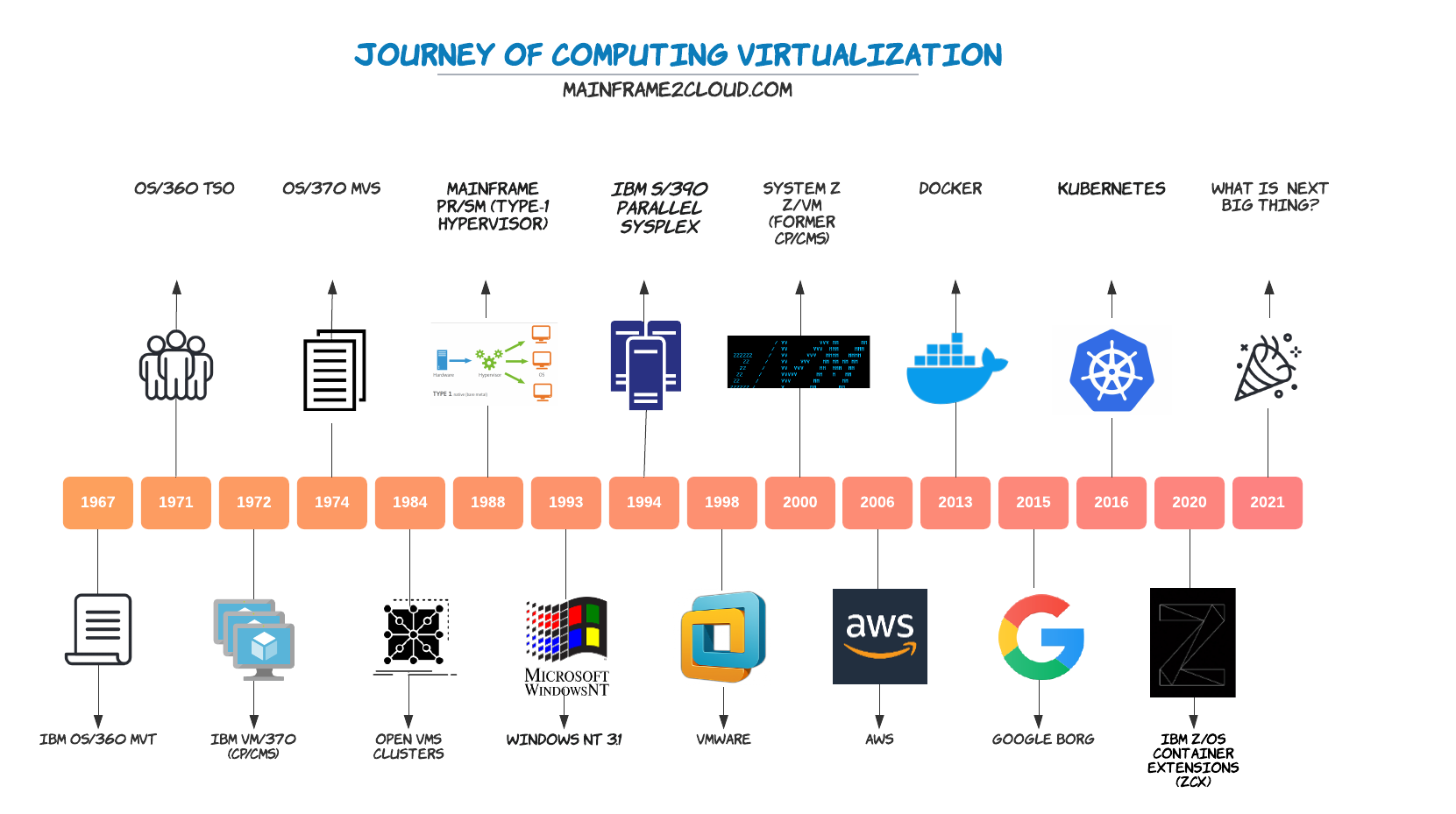
Mainframe computing has been a cornerstone in IT for decades. Once seen as the backbone of enterprise operations, these powerful machines have evolved significantly. Their transition into cloud computing showcases their adaptability and enduring relevance. Understanding this evolution can offer insights into their historical significance and modern adaptations.
Historical Significance
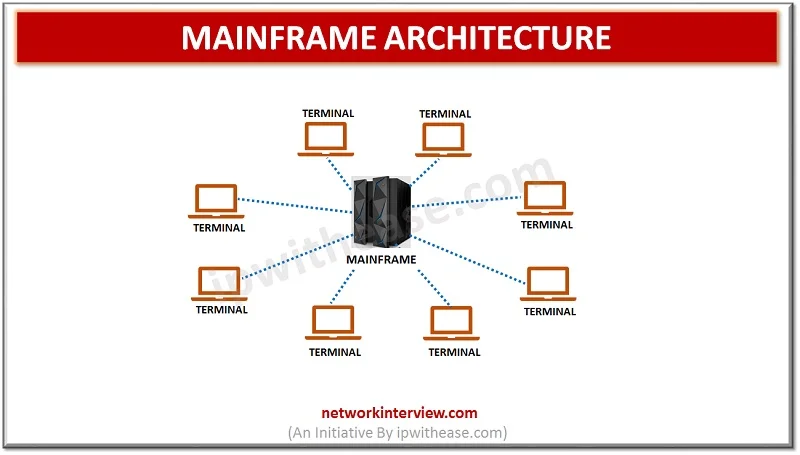
Mainframes started as room-sized machines handling massive computations. They were pivotal in banking, government, and large-scale data processing. These giants of technology laid the groundwork for today’s digital economy. Their reliability and efficiency set standards in IT infrastructure. They were indispensable for managing critical tasks and processes.
Modern Adaptations
Mainframes are now integrated into cloud environments. They offer scalable and robust solutions for businesses needing high-performance computing. They blend traditional strengths with modern flexibility. Cloud mainframes can manage vast amounts of data securely. They support contemporary applications and agile workflows. This adaptation helps enterprises streamline operations with advanced capabilities.
Cloud Computing Basics
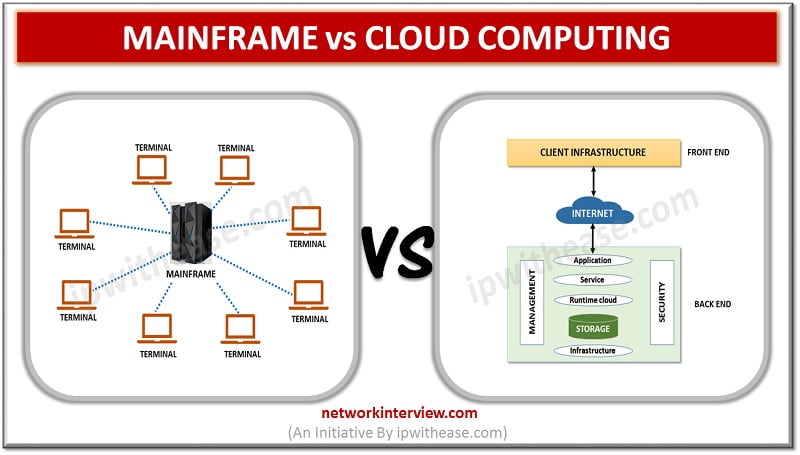
Understanding cloud computing basics is essential for modern technology users. It involves using remote servers to store, manage, and process data. This approach replaces traditional local servers or personal computers. Mainframe cloud computing combines powerful mainframes with flexible cloud services. This offers reliable computing resources and efficient data management.
Core Concepts
Cloud computing operates on a virtual level. It allows businesses to access resources over the internet. Users can store data, run applications, and scale services without physical hardware. Mainframes provide robust, centralized computing power. Integrating them with cloud services enhances performance and security. Cloud computing offers three main models: SaaS, PaaS, and IaaS. Each model caters to different business needs and operations.
Key Benefits
Cloud computing offers several advantages. It reduces costs by eliminating hardware expenses. Users only pay for services they use. Scalability allows businesses to grow without infrastructure constraints. Security features protect sensitive data from threats. With cloud computing, access is flexible. Users can reach data from anywhere with internet access. This improves collaboration and productivity. Mainframe integration strengthens data processing capabilities. It ensures reliability and efficiency in handling large volumes of information.
Integration Of Mainframe And Cloud
The integration of mainframe and cloud technologies is transforming industries. This fusion offers robust solutions, blending traditional and modern approaches. Mainframes are known for their reliability and processing power. Meanwhile, the cloud provides flexibility and scalability. Together, they form a powerful alliance, optimizing business operations. Companies benefit from enhanced performance and reduced costs. This synergy is reshaping the IT landscape, paving the way for innovation.
Hybrid Models
Hybrid models combine mainframe and cloud strengths. They leverage existing mainframe investments. This approach ensures efficient use of resources. Businesses can keep critical data secure on mainframes. At the same time, they utilize cloud for scalable tasks. This balance is ideal for dynamic workloads. It offers flexibility without sacrificing security. Many organizations prefer hybrid models for their adaptability.
Seamless Connectivity
Seamless connectivity is crucial for integration. Mainframes must communicate with cloud services smoothly. This ensures uninterrupted data flow. Modern APIs facilitate this interaction. They enable swift and secure data exchange. Reliable connectivity enhances performance and minimizes downtime. Integration becomes efficient with seamless connectivity. It allows for real-time updates and quick responses.
Benefits Of Mainframe Cloud Computing
Mainframe cloud computing offers enhanced reliability and scalability for businesses. It ensures efficient data processing and storage. Seamless integration with existing systems simplifies operations, boosting productivity across various sectors.
Mainframe cloud computing is transforming how businesses handle large-scale data processing and storage. By merging the power of mainframes with the flexibility of cloud technology, organizations can access a range of benefits that enhance efficiency and innovation. Let’s delve into these benefits and see how they can drive your business forward.Scalability And Flexibility
Mainframe cloud computing offers unmatched scalability. Need more processing power? Simply adjust your resources through the cloud. This flexibility ensures you can swiftly respond to changing demands without overhauling your entire system. Imagine the ease of expanding your capabilities during peak times and scaling back during slower periods. This adaptability is crucial for staying competitive in today’s fast-paced market. How can your business benefit from this kind of agility?Cost Efficiency
Cost efficiency is a significant advantage of mainframe cloud computing. By using cloud resources, you eliminate the need for expensive hardware investments. Operational costs drop as you pay only for the resources you use. This pay-as-you-go model can free up budget for other critical areas of your business. Moreover, maintenance costs diminish as your cloud provider handles updates and repairs. How much could your business save by transitioning to a more cost-effective solution? These benefits of mainframe cloud computing can position your business for success in the digital age. Are you ready to explore how this technology can enhance your operations? Engage with these insights and see the potential for growth and efficiency in your organization.Challenges And Solutions
Mainframe cloud computing is transforming how businesses operate, offering scalability and flexibility. However, transitioning to the cloud is not without its hurdles. As you consider integrating mainframe systems with cloud solutions, understanding the challenges and solutions is crucial.
Security Concerns
Security is a top priority. Moving mainframe data to the cloud raises concerns about data breaches. You might worry about unauthorized access and compliance with regulations.
One solution is robust encryption. Encrypt data both in transit and at rest. This ensures only authorized personnel can access sensitive information.
Consider using multi-factor authentication. It adds an extra layer of security, preventing unauthorized access even if passwords are compromised.
Technical Hurdles
Technical challenges can be daunting. Integrating legacy mainframe systems with modern cloud platforms might seem overwhelming. You may face compatibility issues.
Start with a detailed assessment of your current systems. Identify components that need updating or replacement. This will help streamline the integration process.
Embrace automation tools to facilitate migration. Automating repetitive tasks reduces errors and saves time. It makes the transition smoother and more efficient.
Have you considered training your team? Equip them with the necessary skills to handle new technologies. This empowers them to manage and troubleshoot issues effectively.
The path to mainframe cloud computing is full of challenges, but solutions are within reach. By addressing security concerns and technical hurdles, you pave the way for a seamless transition. Are you ready to take on this transformative journey?
Credit: networkinterview.com
Industry Use Cases
Mainframe cloud computing is transforming industries with its powerful capabilities. This dynamic technology is not just a trend; it’s a tool for real-world applications. Let’s explore how different sectors are leveraging mainframe cloud computing to enhance their operations and services.
Financial Sector
The financial sector is at the forefront of adopting mainframe cloud computing. Banks and financial institutions need to handle vast amounts of data efficiently. Mainframe cloud solutions offer the scalability and security they require.
With mainframe clouds, financial institutions can process transactions faster. This speed is crucial for meeting customer expectations in today’s fast-paced world. Additionally, robust security measures ensure sensitive financial data remains protected.
Imagine being able to access your bank account from anywhere in the world, knowing your data is safe. That’s the power of mainframe cloud computing. It’s not just about convenience; it’s about trust and reliability in every transaction.
Healthcare Systems
Healthcare systems are embracing mainframe cloud computing to improve patient care. With patient records becoming increasingly digital, the need for secure and efficient data handling is paramount. Mainframe clouds provide the infrastructure necessary to manage this data effectively.
Think about how quickly a doctor can access your medical history during a consultation. This speed can make a significant difference in treatment outcomes. Mainframe cloud solutions enable real-time data access, enhancing decision-making processes in critical situations.
Healthcare providers can also benefit from cost savings. By leveraging cloud solutions, they reduce the need for extensive physical infrastructure. This allows them to allocate more resources directly to patient care, improving overall healthcare services.
Have you considered how this technology might impact your next doctor’s visit? With mainframe cloud computing, healthcare is becoming more efficient and patient-focused.
By looking at these industry use cases, it’s clear that mainframe cloud computing is not just a technological advancement. It’s an opportunity for sectors to enhance their services and provide better experiences for their users. How might your industry benefit from integrating these powerful solutions?
Future Of Mainframe Cloud
The future of mainframe cloud computing is becoming increasingly significant. As businesses seek efficiency, mainframes offer unparalleled reliability. They are essential in handling large-scale data. Their integration with cloud technology promises transformative changes. This synergy provides enhanced scalability and flexibility. It is crucial for businesses aiming to stay competitive.
Emerging Trends
Hybrid cloud solutions are gaining popularity. They combine on-premise and cloud resources effectively. This ensures data security while offering flexibility. Automation in mainframe cloud is another rising trend. It reduces manual tasks and boosts productivity. AI integration is also being explored. It enhances data processing capabilities and decision-making.
Potential Developments
Expect improvements in mainframe cloud security. Enhanced encryption methods will protect sensitive data. Connectivity between mainframes and cloud platforms will improve. This will facilitate smoother data transfers. More efficient resource management systems are anticipated. They will optimize cloud storage and computing power. The emergence of open-source tools will support mainframe cloud integration.
Credit: networkinterview.com
Frequently Asked Questions
What Is Mainframe Cloud Computing?
Mainframe cloud computing integrates traditional mainframe capabilities with cloud technologies. It enables scalability, flexibility, and cost-efficiency. Companies benefit from enhanced computing power and seamless data management. This fusion offers a modern approach to legacy systems, ensuring better performance and adaptability for evolving business needs.
How Does Mainframe Benefit Cloud Computing?
Mainframes provide robust processing power and reliability for cloud computing. They enhance security and data management. By integrating mainframes with cloud solutions, organizations gain improved scalability and efficiency. This combination supports complex workloads and ensures optimal performance in diverse computing environments.
Can Mainframes Enhance Cloud Security?
Yes, mainframes can significantly enhance cloud security. They offer strong encryption and authentication features. These systems are designed to handle sensitive data securely. Integrating mainframes with cloud platforms strengthens overall security measures, providing businesses with a safer computing environment.
Why Integrate Mainframes With Cloud Solutions?
Integrating mainframes with cloud solutions offers scalability and flexibility. It modernizes legacy systems without extensive overhauls. Businesses gain cost-effective computing power and improved data management. This integration supports diverse workloads, ensuring optimal performance and adaptability to changing business demands.
Conclusion
Mainframe cloud computing merges power with flexibility. Businesses find solutions to complex issues. This combination boosts efficiency and scalability. Companies save costs with cloud integration. Security remains strong and reliable. Adaptability becomes easier with cloud features. Mainframes handle large data loads smoothly.
Users experience improved performance daily. Exploring these benefits is essential for growth. Mainframe cloud computing supports varied business needs. Transitioning to modern solutions keeps companies competitive. Embrace this technology for a brighter future.



