

Imagine having the power to control your own digital universe, where your data is secure, easily accessible, and entirely yours to command. That’s the magic of private cloud computing.
You might be wondering, “What exactly is private cloud computing, and how can it benefit me? ” This article will decode the concept for you, making it clear and straightforward. As we explore this topic, you’ll discover how private cloud computing can enhance your business operations or personal tech life, offering you greater control and security.
By the end, you’ll be equipped with the knowledge to decide if this tailored technology solution is the right fit for you. So, if you’re ready to gain insights into a more secure and personalized cloud experience, keep reading.
Private Cloud Basics
Private cloud computing offers dedicated resources for a single organization. It provides enhanced security, control, and privacy. Businesses prefer private clouds for their tailored solutions. They cater to specific needs without sharing resources with others. Understanding the basics helps grasp its potential.
What Is A Private Cloud?
A private cloud is an exclusive cloud service. It is dedicated to one organization. Unlike public clouds, it offers enhanced privacy. Users enjoy greater control over their data. This makes it ideal for sensitive information.
Key Features Of Private Cloud
Private clouds provide high customization options. They allow businesses to tailor their infrastructure. Enhanced security is a major advantage. Organizations can implement strict access controls. This ensures data remains protected from external threats.
Benefits Of Using A Private Cloud
Private clouds offer improved data security. They provide greater control over resources. This results in optimized performance for specific tasks. Organizations benefit from increased privacy. It helps in complying with industry regulations.
Deployment Models For Private Clouds
There are several deployment models for private clouds. On-premises deployment offers complete control. Hosted private clouds provide flexibility. Both models cater to different business needs. Choosing the right model depends on specific requirements.

Credit: www.sprintzeal.com
Key Features
Private cloud computing offers secure data storage and management within a dedicated network. It ensures data privacy with customized control. This solution provides flexibility and scalability tailored to specific business needs.
Private cloud computing offers a tailored solution for businesses looking to enhance their operations. Understanding the key features of private cloud computing can help you decide if it’s the right fit for your needs. These features are what set private cloud apart from other cloud solutions, offering benefits that can drive your business forward. Let’s dive into the details.Security And Control
Private cloud computing provides robust security measures that give you peace of mind. You have full control over your data, ensuring it stays protected within your own infrastructure. This means you decide who accesses your information and how it’s managed. With private cloud, your data’s safety is your priority, not someone else’s.Customization Options
One of the most appealing aspects of private cloud is its customization capabilities. Imagine tailoring your cloud environment exactly to fit your business needs. This flexibility allows you to configure resources, software, and services according to your preferences. Ever felt restricted by a one-size-fits-all solution? Private cloud breaks those barriers, allowing you to mold the cloud to your unique requirements.Scalability And Flexibility
Growth is inevitable for any thriving business, and private cloud computing adapts to this change seamlessly. You can scale your resources up or down based on demand without hassle. Remember the last time your business faced a sudden surge in workload? With a private cloud, expanding capacity is just a few clicks away. This flexibility ensures you’re never caught off guard when your business needs shift. Think about how these features could transform your business operations. Does having control over your security give you confidence? Can customization and scalability enhance your productivity? Private cloud computing doesn’t just offer solutions; it offers possibilities tailored to your aspirations.Benefits For Businesses
Private cloud computing offers businesses enhanced security and data control, ensuring sensitive information stays protected. It also provides scalable resources, allowing companies to efficiently manage workloads. This tailored approach supports specific business needs, promoting efficiency and reliability in operations.
Private Cloud Computing is revolutionizing the way businesses operate by offering tailored solutions that cater to their unique needs. As a business owner, have you ever wondered how you can harness technology to not only streamline your operations but also ensure compliance with regulations? Let’s delve into the tangible benefits of private cloud computing for businesses.Cost Management
Private cloud computing provides businesses with more predictable expenses. You’re no longer at the mercy of fluctuating public cloud costs. Imagine knowing exactly what your monthly IT expenses will be. You can plan your budget with precision. This financial clarity allows you to allocate resources where they matter most, whether it’s for expanding your team or investing in new projects.Enhanced Performance
Does your business suffer from slow data processing? Private cloud computing can change that. With dedicated resources, your applications run faster and smoother. Gone are the days of waiting for systems to catch up. This boost in performance leads to increased productivity, and ultimately, better customer experiences. Your team will spend less time troubleshooting and more time innovating.Regulatory Compliance
Navigating regulatory landscapes can be daunting. Private cloud computing simplifies compliance by offering tailored security measures. Imagine having peace of mind knowing your data is protected and meets all industry standards. You’ll avoid costly fines and ensure your clients’ trust. Compliance isn’t just about avoiding penalties; it’s about building a reputation for reliability and integrity. Incorporating private cloud computing into your business strategy offers clear advantages. It’s not just about technology; it’s about transforming your business model to be more efficient, compliant, and cost-effective. How will you leverage these benefits to create a competitive edge?Implementing Private Clouds
Implementing private clouds offers businesses control and security over data. Companies can tailor their cloud infrastructure to meet specific needs. This approach ensures data privacy and compliance with regulations. It provides flexibility and scalability similar to public clouds. Yet, it maintains a dedicated environment for the organization. Understanding how to implement a private cloud is crucial. It involves several key components.
Infrastructure Requirements
A robust infrastructure is essential for private clouds. Organizations need powerful servers to handle workloads. Storage systems must support high data capacity. Networking components should facilitate fast, secure data transfer. Virtualization software plays a key role. It helps in creating multiple virtual environments. Ensuring redundancy is critical for uptime and reliability. Regular hardware maintenance ensures optimal performance.
Deployment Strategies
Choosing the right deployment strategy is vital. A company may opt for on-premises deployment. This offers complete control over resources. Alternatively, they might use a hosted private cloud. In this setup, a third-party manages the infrastructure. Hybrid clouds are another option. They combine private and public cloud features. Each strategy has its benefits and challenges. Careful planning ensures a smooth deployment process.
Management Tools
Effective management tools are necessary for private clouds. They help monitor performance and resource usage. Automation tools reduce manual tasks. They enhance efficiency in cloud operations. Security management tools protect data from threats. Analytics tools provide insights into usage patterns. They help in optimizing resources. User-friendly dashboards simplify cloud management. These tools ensure the cloud runs smoothly and efficiently.
Challenges And Solutions
Private cloud computing offers businesses the flexibility and control they crave, but it’s not without its hurdles. As you dive into this world, you’ll discover challenges that might seem daunting at first. Yet, with the right strategies, these obstacles can turn into stepping stones. Let’s explore some common challenges and their solutions.
Initial Setup Costs
The initial investment for private cloud computing can be substantial. You’re not just paying for servers; it’s about software, infrastructure, and skilled personnel. Picture this: you’re ready to dive into private cloud computing, but the sticker shock is real.
To navigate this, consider phased implementation. Start small, scale up as you gain confidence and resources. Look for vendor options that allow flexible payment plans or leasing. This approach can cushion the financial impact.
Maintenance Complexity
Managing a private cloud is not a walk in the park. The complexity of maintenance can overwhelm even the most tech-savvy. Imagine dealing with software updates, hardware failures, and security patches all at once.
Embrace automation tools to simplify routine tasks. Automating updates and backups can drastically reduce the workload. Additionally, invest in training your team. A well-trained staff can anticipate issues before they escalate.
Data Privacy Concerns
Data privacy is a huge concern in the private cloud landscape. You hold sensitive information that, if mishandled, could lead to breaches. Picture yourself worrying about who has access to your company’s crucial data.
Implement robust encryption methods to protect your data. Regular audits can help ensure compliance with privacy regulations. Encourage a culture of transparency within your organization to foster trust.
As you reflect on these challenges, ask yourself: Are you ready to tackle them head-on? With careful planning and strategic solutions, private cloud computing can transform from a formidable foe into a valuable ally for your business.
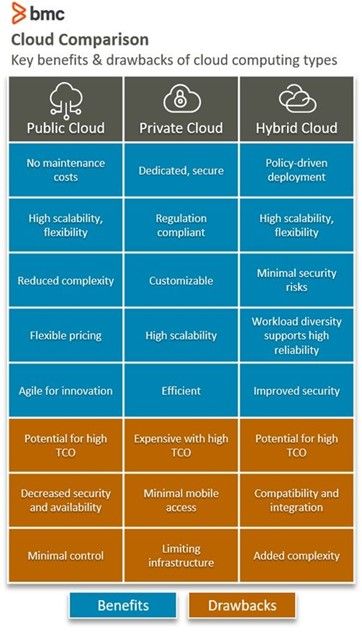
Credit: www.bmc.com
Private Vs Public Cloud
Private cloud computing offers exclusive resources for a single organization. It ensures greater control and security over data. Unlike public clouds, private clouds provide tailored solutions to meet specific business needs while maintaining data privacy.
Private cloud computing offers a tailored environment for businesses. It contrasts with public cloud solutions in several ways. Understanding these differences can guide strategic IT decisions. Both private and public clouds have unique advantages and challenges. This section explores these differences under key aspects.Control And Security
Private clouds offer complete control over data and infrastructure. Organizations can customize security measures to meet specific needs. This setup reduces the risk of unauthorized access. Public clouds, on the other hand, share resources among multiple users. This can raise security concerns for sensitive data. While public clouds invest heavily in security, control remains limited.Cost Implications
Private clouds often require significant initial investment. Businesses must purchase and maintain hardware and software. This can lead to higher upfront costs. Conversely, public clouds usually operate on a pay-as-you-go model. This reduces initial expenses and can be more budget-friendly. However, costs can rise as data storage and processing needs increase.Use Case Scenarios
Private clouds suit industries with strict data regulations. Healthcare and finance sectors often prefer this model. It ensures compliance and data privacy. Public clouds work well for startups and businesses seeking flexibility. They support scalability and quick deployment. This makes them ideal for growing companies with fluctuating demands.Future Trends
Private cloud computing is evolving rapidly. Businesses are adopting new technologies. These changes bring exciting future trends. Let’s explore some key developments.
Hybrid Cloud Integration
Hybrid cloud integration is gaining momentum. It combines private and public cloud benefits. Companies can use both environments efficiently. This flexibility enhances resource management. It also optimizes workload distribution. Hybrid clouds offer better data control. They adapt to business needs easily.
Advancements In Security
Security remains a top priority in private clouds. New technologies improve data protection. Encryption methods are becoming stronger. AI helps in detecting threats faster. Businesses trust private clouds more with improved security. This reduces the risk of data breaches.
Growing Adoption Rates
More businesses are turning to private clouds. They offer reliable performance. Cost savings attract many companies. Scalability meets growing demands effectively. Organizations appreciate the control over their data. This trend shows no signs of slowing down. The future looks bright for private cloud computing.
.png?width=799&height=799&name=Public%20vs%20Private%20Cloud%20(1).png)
Credit: cloudmore.com
Frequently Asked Questions
What Is Private Cloud Computing?
Private cloud computing refers to a cloud environment dedicated to a single organization. It offers enhanced security, control, and customization. Unlike public cloud, resources are not shared with others. It can be hosted internally or externally, providing flexibility. This setup allows businesses to tailor services to meet specific needs while ensuring data privacy.
How Does Private Cloud Differ From Public Cloud?
Private clouds provide exclusive access to cloud resources for one organization. Public clouds share resources among multiple users. Private clouds offer better security and customization. Public clouds are generally more cost-effective and scalable. Choosing between them depends on specific business needs, security requirements, and budget constraints.
What Are The Benefits Of Private Cloud?
Private clouds offer enhanced security, control, and customization. They ensure data privacy and compliance with regulations. Organizations can tailor the infrastructure to meet specific requirements. It provides flexible deployment options and dedicated resources. This setup helps businesses optimize performance and reliability while maintaining strict security measures.
Is Private Cloud More Secure?
Yes, private cloud is generally more secure than public cloud. It offers dedicated resources and enhanced control. Organizations can implement specific security measures tailored to their needs. This setup ensures data privacy and compliance with regulations. However, maintaining security requires active management and monitoring.
Conclusion
Private cloud computing offers secure data management. Businesses control their resources. This ensures better privacy and reliability. Companies can tailor solutions to meet specific needs. Private clouds provide flexibility for growth. They allow customization for unique operations. With private cloud, businesses achieve efficiency.
They also enhance productivity while safeguarding data. Many organizations prefer private clouds for these reasons. It’s a smart choice for secure computing. Private cloud computing is vital for modern IT strategy. Consider its benefits for a competitive edge. Embrace the future with private cloud technology.



