
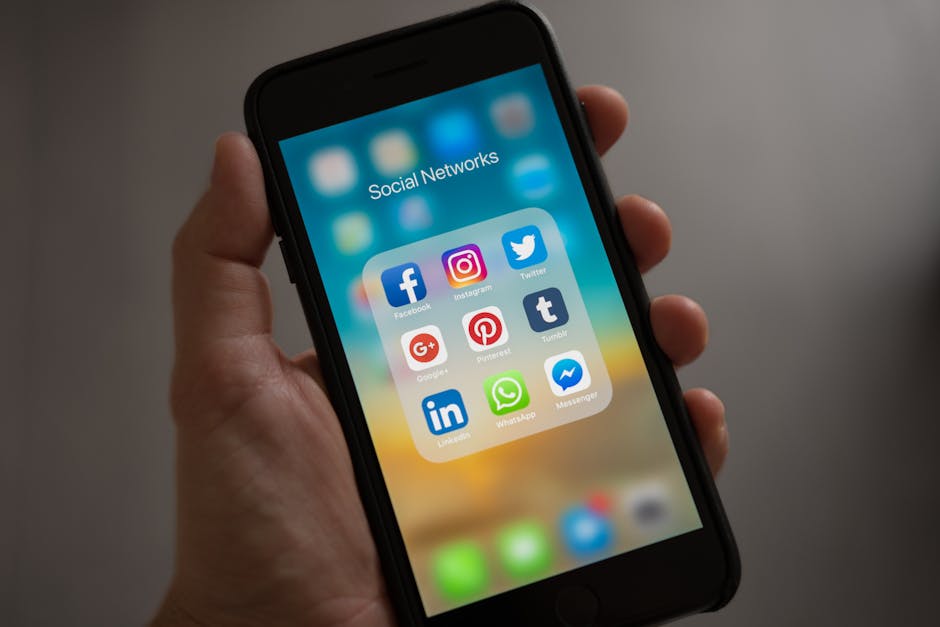
Imagine holding a sleek device in your hand that lets you call, text, browse the internet, and play games—all with just a few taps of your finger. This marvel of technology is something you use every day, but have you ever wondered who invented the touch screen smartphone?
You might be surprised to learn that it’s a story filled with innovation, competition, and a touch of serendipity. Uncovering the origins of the touch screen smartphone is like piecing together a fascinating puzzle, and the answer holds more than just names and dates.
It reveals the genius and vision behind the devices you rely on. As you delve into this captivating narrative, you’ll discover how a blend of creativity and determination transformed our communication landscape forever. Are you ready to find out who sparked this digital revolution? Keep reading to satisfy your curiosity and gain a new appreciation for that smartphone in your pocket.
Early Touchscreen Concepts
When you think of a smartphone, you probably picture a sleek device with a touchscreen. But have you ever wondered how these touchscreens came to be? The journey to the touchscreens we use today is full of interesting twists and turns. Early touchscreen concepts set the stage for the technology that is now an integral part of our daily lives.
Early Innovations And The Birth Of Touch
In the early stages, touch technology wasn’t about smartphones. It was about experimenting with new ways to interact with machines. The first touchscreens were developed in the 1960s, focusing on using touch as a tool for control and input.
Dr. Sam Hurst, a pioneer in the field, invented the first resistive touchscreen in 1975. He probably didn’t imagine it would lead to the smartphones in your pocket today. His invention was more like a digital drafting table, useful for engineers and designers.
The Role Of Personal Computers
Personal computers played a crucial role in advancing touchscreen technology. Companies were already looking for innovative ways to enhance user interaction. They were exploring how touch could make computers more intuitive and user-friendly.
In the 1980s, companies like IBM experimented with touchscreens in their computers. These early models were bulky and limited, but they demonstrated the potential of touch technology. They sparked interest and laid the groundwork for future developments.
Lessons From Early Experiments
These early touchscreen concepts taught us valuable lessons about user interaction. They showed us that touch could simplify complex tasks and make technology more accessible. Imagine trying to type on a smartphone without a touchscreen—it just wouldn’t be the same.
Early inventors faced numerous challenges, like responsiveness and durability. Yet, their persistence paved the way for continuous improvements. Think about the patience and vision it took to transform a clunky prototype into the sleek devices we use today.
Engaging With Technology
As touchscreen technology evolved, it changed the way people interacted with devices. It wasn’t just about tapping and swiping; it was about creating a seamless experience. Touchscreens made technology feel more personal and immediate.
Consider how you use your smartphone now—checking the weather, texting friends, or playing games. All these actions are made easier by the intuitive nature of touchscreens. How different would your daily routine be without this innovation?
As we continue to rely on touch technology, it’s fascinating to reflect on its origins. The early touchscreen concepts not only changed how we interact with devices but also how we think about technology. They remind us that innovation often starts with simple ideas and a willingness to explore new possibilities.

Credit: www.cnbc.com
The Birth Of The Touchscreen
The touchscreen smartphone was invented by IBM with the Simon Personal Communicator in 1992. This device combined a phone with a touchscreen interface, pioneering the future of mobile technology. It laid the groundwork for modern smartphones, integrating features like email and a digital calendar.
The concept of a touchscreen smartphone might seem commonplace today, but it wasn’t always the case. Imagine a time when phones were bulky and keyboards were the norm. The birth of the touchscreen changed everything. It introduced a new era of interaction, making devices more intuitive and user-friendly. The journey from button-heavy gadgets to sleek, touch-sensitive screens involved several key innovations and technologies. Let’s dive into the fascinating timeline that led to the smartphones we hold in our hands today.Initial Innovations
The first steps toward touchscreen technology were more experimental than practical. Engineers and designers were intrigued by the idea of interacting with devices through touch. You might remember the PalmPilot, one of the earliest attempts to integrate touch into handheld devices. It was revolutionary at its time, but far from what we now call a smartphone. Around the same period, IBM launched the Simon Personal Communicator. It was bulky, with limited capabilities, but it laid the groundwork for future developments. Have you ever wondered what it was like to carry a “brick” phone? It was cumbersome, but these devices were stepping stones toward the sleek smartphones we use today.Key Technologies
Capacitive touchscreens were the game-changer. Unlike resistive screens, they responded to the electrical properties of your finger. This meant faster, more precise interaction. Think about how smoothly you navigate your phone now. Capacitive technology made that possible. Multi-touch technology further enhanced the experience. It allowed for gestures like pinch-to-zoom, something you probably do without thinking. This wasn’t just a technical improvement; it changed how you interact with your phone, making it more intuitive and engaging. The integration of these technologies into smartphones was a collaborative effort by companies like Apple and Nokia. Apple’s iPhone, launched in 2007, was pivotal. It combined aesthetics with functionality, setting a new standard for mobile devices. Can you imagine how different your life would be without these innovations? As you think about the touchscreen’s evolution, consider this: What other everyday technologies might be on the brink of transformation?Pioneers In Touchscreen Development
The first touchscreen smartphone was invented by IBM in 1992. Named Simon Personal Communicator, it combined a phone with PDA features. This innovation paved the way for modern smartphones, changing how we interact with technology.
Touchscreen technology has transformed our lives, turning complex gadgets into user-friendly devices. The journey to creating the touchscreen smartphone was marked by innovation and daring ideas. Visionary companies and inventors saw potential where others saw limitation. You might wonder, who were these pioneers that shaped the touchscreen landscape? Let’s explore the groundbreaking contributions of IBM and Apple, the giants who laid the foundation for the smartphones we can’t live without today.Ibm’s Simon Personal Communicator
In 1992, IBM introduced the Simon Personal Communicator, a device that was ahead of its time. It wasn’t just a phone; it combined a phone and a PDA (Personal Digital Assistant) into one. Imagine holding this device in your hand—an early touchscreen marvel that allowed you to make calls, send emails, and manage your calendar. A friend of mine still remembers the excitement of using Simon’s touchscreen to dial numbers, a novelty that seemed futuristic at the time. IBM’s Simon was a bold step towards touchscreen integration in mobile technology. Do you think you would have been one of those early adopters willing to try such an innovative device?Apple’s Iphone Revolution
Fast forward to 2007, and Apple changed the game with the launch of the first iPhone. It wasn’t just a phone; it was a new way to interact with technology. Apple’s iPhone introduced multi-touch technology, allowing you to pinch, zoom, and swipe effortlessly. This felt intuitive, almost like an extension of your hand. I remember using the iPhone for the first time and being amazed at how natural it felt to swipe through photos or scroll through emails. The iPhone set a new standard, prompting other companies to rethink their approach to smartphones. Can you imagine a world where the iPhone never existed? How different would our interactions with technology be today? These pioneers in touchscreen development didn’t just create devices; they reshaped our expectations. They dared to envision a future where technology felt personal and intuitive.Influence Of Mobile Giants
Apple introduced the first touch screen smartphone with the iPhone in 2007. This innovation changed the mobile industry. It set the stage for today’s smart devices.
The touch screen smartphone is a marvel that has dramatically transformed our lives, and much of its evolution is credited to the influence of mobile giants. These industry leaders have constantly pushed the boundaries of technology, each bringing unique innovations that have shaped the way we interact with our devices. But have you ever wondered which companies played pivotal roles in this technological leap?Samsung’s Contribution
Samsung’s journey into the smartphone arena is a tale of innovation and adaptation. In 2010, the launch of the Samsung Galaxy S marked a turning point. This device, equipped with a powerful processor and a stunning Super AMOLED display, set a new standard for what smartphones could achieve. The Galaxy series quickly gained popularity, not just for its features but also for its accessibility to various markets. Samsung’s commitment to regular updates and diverse price points made their smartphones appealing to a broad audience. Have you ever noticed how Samsung’s approach to variety caters to almost every need and budget?Nokia’s Approach
Nokia, once a titan in the mobile industry, approached the touch screen revolution with a unique perspective. The Nokia 5800 XpressMusic, introduced in 2008, was one of the company’s first forays into touch screen technology. It was designed for music lovers, combining touch capabilities with robust audio features. Nokia’s strategy focused on user-friendly interfaces and durability, qualities they were known for with their earlier models. Although they faced challenges adapting to the rapidly changing market, their early contributions laid the groundwork for future innovations. Could Nokia’s steadfast dedication to quality and simplicity be a lesson in maintaining brand integrity? The influence of these mobile giants is undeniable. Their continuous efforts in pushing technological boundaries have not only created competition but also driven the industry forward, resulting in the advanced smartphones we use today. As you hold your smartphone, consider the stories and strategies that have brought it to life. How might these giants continue to shape the future of mobile technology?Evolution Of Touchscreen Technology
The touchscreen smartphone is a marvel of modern technology, but have you ever wondered how it all began? The journey of touchscreen technology is fascinating, filled with innovation and breakthroughs. From the first resistive screens to the responsive capacitive touchscreens we use today, the evolution is nothing short of incredible. This journey reflects our relentless pursuit of convenience and functionality in our everyday gadgets.
Advancements In Capacitive Screens
Capacitive screens changed the game for touchscreen smartphones. Unlike resistive screens that relied on pressure, capacitive screens use your body’s electrical properties to detect touch. This meant no more pressing hard on your screen—just a gentle tap would do.
Imagine the difference this made. Suddenly, screens were more responsive, faster, and felt intuitive. Capacitive screens also allowed for brighter displays, enhancing the visual experience. Have you ever noticed how vivid your smartphone’s display is? That’s thanks to capacitive technology.
With these advancements, manufacturers were able to create thinner, more elegant designs. This technology paved the way for sleek and stylish devices that are now a staple in our lives. Do you remember the first time you marveled at a smartphone’s design?
Integration Of Multi-touch Features
The introduction of multi-touch features took capacitive screens to the next level. This technology enabled the use of gestures like pinch-to-zoom, swipe, and rotate, enhancing user interaction. It’s hard to imagine using a smartphone without these features today.
Multi-touch made mobile gaming and app navigation more engaging and fun. You could now perform actions that were previously impossible on a single-touch interface. Think about how you interact with apps now—it’s almost second nature to use multiple fingers.
But why stop at just enhancing interaction? Multi-touch also opened doors for creative applications, from drawing to music production. Have you explored any creative apps that utilize multi-touch? These features have certainly made our devices more versatile.
Reflecting on this evolution, it’s clear that each technological leap was driven by a desire to improve user experience. As you swipe across your screen, consider the journey that brought us here. How do you think touchscreen technology will continue to evolve in the future?

Credit: brainiac.co.in
Impact On Modern Smartphones
The invention of the touch screen smartphone changed modern technology. It made phones more interactive and user-friendly. Touch screens led to significant changes in how people use smartphones today.
User Interface Transformation
Touch screens transformed smartphone interfaces. Before touch screens, phones had physical keyboards. Users needed to press buttons to interact with their devices. With touch screens, interactions became smoother. You could swipe, tap, and pinch to control your phone. This change made phones easier to use. It allowed for more creative app designs and features.
Market Implications
The touch screen smartphone had a huge market impact. It increased demand for smartphones worldwide. Companies started focusing on touch screen technology. This led to fierce competition among tech companies. Each year, new models with better features hit the market. This competition drove innovation and improved technology. Prices varied, making smartphones accessible to more people.
The Future Of Touchscreen Innovation
The evolution of touchscreen smartphones has been nothing short of remarkable, transforming how we interact with technology daily. As we look to the future, it’s exciting to imagine where touchscreen innovation will take us next. With advances in technology, new possibilities are emerging, promising to enhance user experience in ways we never thought possible.
Emerging Technologies
In recent years, several groundbreaking technologies have been introduced that could redefine touchscreen capabilities. One of these is haptic feedback, which allows you to feel textures through the screen. Imagine browsing an online store and being able to feel the fabric of a shirt before buying it. Foldable screens are also making waves, offering a blend of smartphone convenience with the display size of a tablet. They provide more screen space without sacrificing portability. Would you trade your traditional phone for one that folds or rolls? Another intriguing development is the integration of augmented reality (AR) with touchscreen interfaces. This could allow you to interact with digital objects in your physical environment, creating a seamless blend of the virtual and real worlds.
Potential Developments
As touchscreen technology advances, we can expect even more exciting developments. One possibility is the rise of transparent screens, which could turn your smartphone into a window to the digital world. This could revolutionize how you view and interact with content. There’s also potential for energy-efficient screens that could extend battery life significantly. Imagine not having to charge your phone every day. Additionally, voice and gesture controls are likely to become more sophisticated, allowing you to perform complex tasks with simple commands. How would your daily routine change if you could control your phone entirely hands-free? The future of touchscreen innovation holds endless possibilities, challenging us to rethink how we connect with our digital devices.

Credit: www.youtube.com
Frequently Asked Questions
Who First Developed Touch Screen Technology?
The first touch screen was invented by E. A. Johnson in the 1960s. His work at the Royal Radar Establishment in England was pioneering. It laid the groundwork for future developments in touch technology.
When Was The First Touch Screen Smartphone Launched?
The IBM Simon Personal Communicator, released in 1994, was the first touch screen smartphone. It combined mobile phone functionality with PDA features. Although basic compared to modern devices, it was innovative for its time.
What Inspired The Creation Of Touch Screen Smartphones?
The invention was inspired by the need for intuitive and accessible technology. Touch screens allow users to interact directly with devices. This eliminated the need for physical buttons, making devices more user-friendly.
How Did Touch Screens Evolve Over Time?
Touch screens have evolved significantly since their inception. Initially, resistive screens required pressure to operate. Today’s devices use capacitive screens, which respond to touch without force. This advancement offers greater accuracy and responsiveness.
Conclusion
The touch screen smartphone changed the way we use technology. Its invention brought new possibilities to our fingertips. Many innovators contributed to this device’s creation. They each played vital roles in its development. Touch screens made phones more interactive and user-friendly.
This invention connected people around the world. It enabled a new era of communication and convenience. Smartphones continue to evolve and improve. They adapt to our needs and desires. Touch screens remain at the heart of these devices. Their legacy lives on in every swipe and tap.
The future holds more advances in this exciting field.



