

Imagine never having to worry about losing your precious photos, important documents, or crucial business data ever again. You, like many others, crave convenience and security when it comes to storing your digital information.
Cloud computing and data storage might be the answer you’ve been searching for. This technology offers you the freedom to access your data from anywhere, at any time, without the fear of losing it. But that’s just the tip of the iceberg.
Curious about how it can revolutionize your digital life and safeguard your valuable information? Stay with us as we delve into the fascinating world of cloud computing and discover how it can transform the way you manage and store your data.
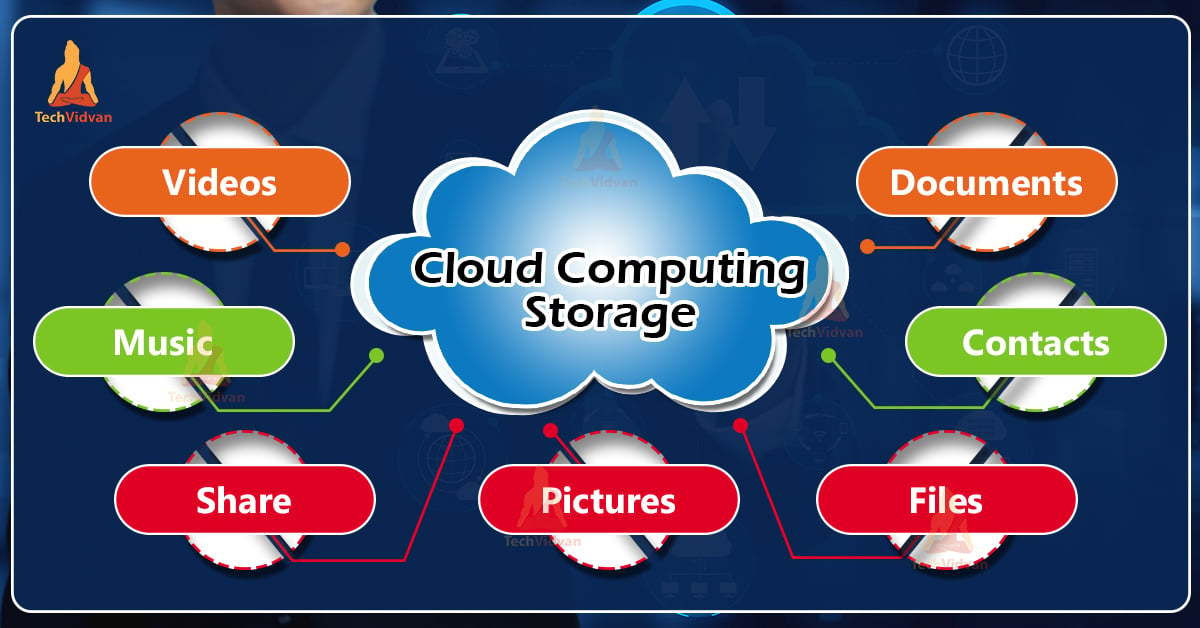
Credit: techvidvan.com
Cloud Computing Basics
Cloud computing allows access to data and applications over the internet. It offers a flexible way to store and manage data. You don’t need physical servers or hard drives. This saves time and money for businesses and individuals.
Understanding the basics helps in making informed decisions. Let’s explore some core concepts and types of cloud services.
Core Concepts
Cloud computing relies on remote servers. These servers store, manage, and process data. Users access these resources over the internet. Cloud services are scalable, offering more resources as needed.
Cloud providers ensure data security and backup. They offer different service models to suit various needs.
Types Of Cloud Services
There are three main types of cloud services. These include Infrastructure as a Service (IaaS), Platform as a Service (PaaS), and Software as a Service (SaaS).
IaaS provides virtualized computing resources over the internet. PaaS offers a platform for developing, testing, and deploying applications. SaaS delivers software applications over the internet.
Benefits Of Cloud Computing
Cloud computing offers numerous benefits for modern businesses. It transforms how companies store and access data. This innovative technology ensures efficiency and accessibility. Many businesses leverage cloud computing to stay competitive. Understanding its advantages can help companies make informed decisions.
Cost Efficiency
Cloud computing minimizes hardware expenses. Companies avoid costly infrastructure investments. Instead, they pay for what they use. This pay-as-you-go model saves money. Maintenance costs are reduced, too. Businesses can allocate resources wisely. It improves overall financial management.
Scalability And Flexibility
Cloud solutions adapt to business growth. They scale resources up or down as needed. Companies can expand easily without delay. Cloud services support varied workloads. This flexibility is crucial for dynamic markets. Businesses respond swiftly to changing demands.
Enhanced Collaboration
Cloud computing fosters teamwork. Employees access files from anywhere. Teams collaborate in real-time. This improves productivity and efficiency. Remote work becomes seamless. Sharing information is faster and simpler. It promotes a unified work environment.
Data Storage Innovations
Data storage innovations are transforming the way we handle information. As data grows rapidly, finding efficient storage solutions becomes crucial. Recent advances in technology offer more efficient ways to store data. These innovations help businesses manage their data effectively. They also provide flexibility and scalability, which are essential for modern data needs.
Cloud Storage Solutions
Cloud storage solutions offer a flexible approach to data management. They allow users to access data from anywhere, anytime. This convenience boosts productivity and collaboration. Cloud storage also provides scalability. Businesses can easily increase storage space without investing in physical hardware. Security is a major concern with cloud storage, but providers offer strong encryption methods. These methods protect sensitive information from unauthorized access.
Hybrid Storage Models
Hybrid storage models combine cloud and traditional storage. This approach offers the best of both worlds. Businesses can store critical data locally for fast access. Non-essential data can be stored in the cloud to save space. Hybrid models ensure data remains accessible and secure. They also support disaster recovery plans by providing multiple backups. This dual approach helps organizations maintain business continuity.
Security In The Cloud
Cloud computing and data storage offer flexible and efficient ways to manage information. Security in the cloud ensures your data remains safe from unauthorized access. Reliable encryption and regular updates are essential to protect sensitive information.
Security in the cloud is a topic that often stirs both excitement and concern. As businesses and individuals increasingly rely on cloud solutions for storing their data, the security of this data becomes paramount. Imagine uploading your family photos or sensitive business documents to the cloud, only to worry about unauthorized access. Security in the cloud ensures that your data remains safe, private, and accessible only to you and those you authorize.Data Protection Measures
Cloud providers implement robust data protection measures to secure your data. They use encryption to protect data both in transit and at rest. This means your data is scrambled into a code when it’s stored and only you have the key to decode it. Providers also employ multi-factor authentication to ensure that only authorized users can access the data. Think of it as adding an extra lock on your front door; even if someone has the key, they still need a code to get in. Regular security audits and updates are conducted by cloud providers. This proactive approach helps in identifying potential vulnerabilities and patching them before any breach occurs. Have you ever updated your phone or computer to improve security? Cloud providers do the same for your data.Compliance And Regulations
Meeting compliance and regulations is crucial for businesses using cloud services. Different industries have specific standards, like GDPR for data protection in Europe or HIPAA for healthcare in the United States. Cloud providers need to comply with these regulations to ensure legal and safe data handling. They often provide documentation and support to help businesses understand and meet these requirements. It’s like having a guidebook that helps you navigate complex rules and ensures you’re on the right path. Moreover, many cloud providers undergo third-party audits to verify their compliance with international standards. This adds an extra layer of trust and credibility. Would you trust a restaurant more if it had a health inspection certificate displayed? Similarly, compliance certifications assure you of the cloud provider’s commitment to security. Security in the cloud is not just about keeping data safe; it’s about giving you peace of mind. When you choose a cloud provider, consider their security measures and compliance with regulations. What steps do they take to protect your data, and how do they ensure they’re meeting legal standards?Impact On It Infrastructure
Cloud computing is reshaping the way businesses view their IT infrastructure. With its immense storage capabilities and flexible solutions, companies are re-evaluating their need for traditional hardware setups. This shift not only reduces physical clutter but also streamlines operations in ways previously unimagined. How is your organization adapting to this change?
Reduced Hardware Needs
Gone are the days when companies invested heavily in bulky servers and endless racks of hard drives. With cloud computing, you can store vast amounts of data without the need for physical storage equipment.
This means fewer maintenance costs and less time spent troubleshooting hardware issues. Imagine walking into your office and seeing more space for collaboration instead of rows of servers. Have you experienced this transformation yet?
Streamlined Operations
Cloud computing offers more than just storage—it’s about efficiency. By automating processes and using scalable resources, you can streamline operations significantly.
This allows IT teams to focus on strategic tasks rather than routine maintenance. Picture your team spending more time on innovation rather than patching up old systems. Does your current setup allow for such flexibility?
As you consider moving to the cloud, think about how it can simplify and enhance your infrastructure. The potential for growth and improvement is limitless when you leverage these modern tools. Are you ready to embrace the future of IT infrastructure?
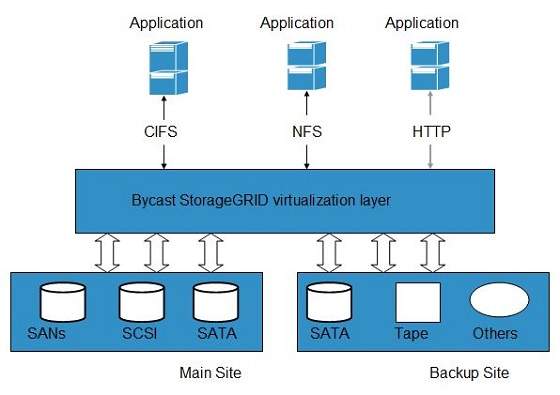
Credit: www.tutorialspoint.com
Challenges And Considerations
Navigating cloud computing and data storage involves addressing security risks and data loss concerns. Ensuring data privacy is crucial, especially with sensitive information. Cost management and scalability require careful planning to optimize resources efficiently.
Cloud computing and data storage have revolutionized how businesses handle data, offering unprecedented flexibility and scalability. However, these benefits come with their own set of challenges and considerations that you need to address. From data privacy concerns to the risk of vendor lock-in, it’s crucial to navigate these issues thoughtfully to make the most of your cloud experience.Data Privacy Concerns
Data privacy is a significant concern in cloud computing. When you store data in the cloud, you are essentially handing over sensitive information to a third party. This can pose risks if the service provider’s security measures are inadequate. Consider the recent data breaches affecting major companies. These incidents highlight the importance of choosing a cloud provider with robust security protocols. Always ask about their encryption standards and how they manage access to data. Furthermore, data privacy laws vary by region. You need to ensure that your cloud provider complies with regulations like GDPR if you operate in Europe. Failing to do so can result in hefty fines and legal issues.Vendor Lock-in Issues
Vendor lock-in is another challenge you might face when using cloud services. Once you commit to a specific vendor, switching to another can become costly and complicated. This is often due to proprietary technologies and data formats that aren’t easily transferable. Imagine you’ve built your entire IT infrastructure around a single cloud provider’s tools and services. Now, suppose you find a better deal elsewhere. Transitioning could mean overhauling your systems entirely, which may not be feasible. To avoid being stuck, consider using open standards and APIs that allow for easier data migration. It’s also wise to read the fine print regarding data extraction fees before signing any contracts. This foresight can save you headaches down the line. Are you prepared to tackle these challenges head-on? Taking proactive steps can ensure that your journey into cloud computing is both smooth and secure.Future Trends In Cloud Computing
The world of cloud computing is ever-evolving. It offers new possibilities for businesses and individuals. Looking ahead, several trends stand out. These trends will shape the future of cloud computing. They promise to enhance how we store and access data.
Ai Integration
Artificial Intelligence is becoming a key part of cloud services. AI helps automate tasks and improve efficiency. Cloud providers are investing in AI tools. These tools analyze data faster and more accurately. AI-driven insights support better decision-making. This trend makes cloud services smarter and more responsive.
Edge Computing Expansion
Edge computing is gaining momentum. It processes data closer to its source. This reduces latency and improves performance. With more devices online, edge computing is essential. It ensures faster data processing and reduced bandwidth use. Edge computing supports real-time applications. It is vital for IoT and smart devices.

Credit: www.actian.com
Choosing The Right Cloud Strategy
Choosing the right cloud strategy is crucial for businesses today. With the surge in data needs, finding the perfect fit for your company can be overwhelming. Yet, the right choice can streamline operations and boost efficiency.
Assessing Business Needs
First, understand what your business truly requires. Are you looking to improve data storage, enhance security, or streamline processes? Reflect on your current pain points and future goals.
Consider how much data you handle daily. Is scalability important to you? If your data grows rapidly, you need a cloud solution that can expand easily. Don’t forget to factor in your budget. Cloud services come with different pricing models, so think about what works best for you financially.
Picture this: A growing startup might prioritize flexibility and scalability, while a well-established enterprise might focus on robust security features. Knowing your unique needs will guide your strategy.
Evaluating Providers
The market is flooded with cloud service providers. How do you choose the right one? Start by checking their track record. Do they have experience with companies like yours? Trustworthiness is key.
Scrutinize the features they offer. Do they provide excellent customer support? Look for providers that offer 24/7 assistance if you’re in a fast-paced industry. Security measures should be top-notch, especially if you’re dealing with sensitive data.
Remember, your choice will impact your business’s future. Are you confident in their reliability? Imagine a scenario where your data is compromised due to poor security. It’s a nightmare you can avoid with the right provider.
Finally, ask yourself: Are you ready to invest time in researching and testing options? The effort you put into choosing the right cloud strategy can significantly shape your business trajectory. Make sure you’re equipped to make informed decisions.
Frequently Asked Questions
What Is Cloud Computing In Simple Terms?
Cloud computing delivers computing services over the internet. It includes storage, processing, and software applications. This model offers flexibility, scalability, and cost savings, allowing businesses to access resources as needed.
How Does Cloud Storage Work?
Cloud storage saves data on remote servers accessed via the internet. Providers manage these servers, ensuring data security and availability. Users can store, retrieve, and share data anytime, anywhere, making it convenient and efficient.
Why Choose Cloud Storage Over Local Storage?
Cloud storage offers scalability, accessibility, and disaster recovery. It’s cost-effective and eliminates hardware maintenance. Users can access data from multiple devices, ensuring seamless collaboration and data backup.
Can Cloud Computing Improve Business Productivity?
Yes, cloud computing enhances productivity by offering scalable resources. It enables remote work, streamlines operations, and reduces IT costs. Businesses can focus on core activities, leveraging cloud tools for efficient workflow management.
Conclusion
Cloud computing simplifies data storage. Accessible and efficient. Businesses benefit from scalability. Costs reduce significantly. Security remains a priority. Regular updates ensure protection. Collaboration improves with shared resources. Data retrieval becomes seamless. Users access information anytime. Anywhere. Flexibility and adaptability grow.
Companies leverage cloud solutions. Strategic advantage in competitive markets. Future trends promise exciting developments. More people will embrace cloud technology. Innovation continues to drive progress. Challenges exist, but solutions emerge. The journey of cloud computing advances. Its impact shapes modern data management.
Understanding these trends is crucial. Transforming how we store and manage data.