

Imagine holding a device that changed the way you connect with the world. That’s exactly what happened with the first smartphones.
They weren’t just phones; they were revolutionary. These gadgets set the stage for the pocket-sized powerhouses you can’t live without today. But have you ever wondered how it all started? The journey from clunky, basic handsets to sleek, smart devices is a fascinating story.
Get ready to explore the origins of the smartphone. You’ll discover how these early innovations paved the way for the technology that shapes your daily life. Keep reading to uncover the surprising beginnings of the tools that keep you connected every moment.
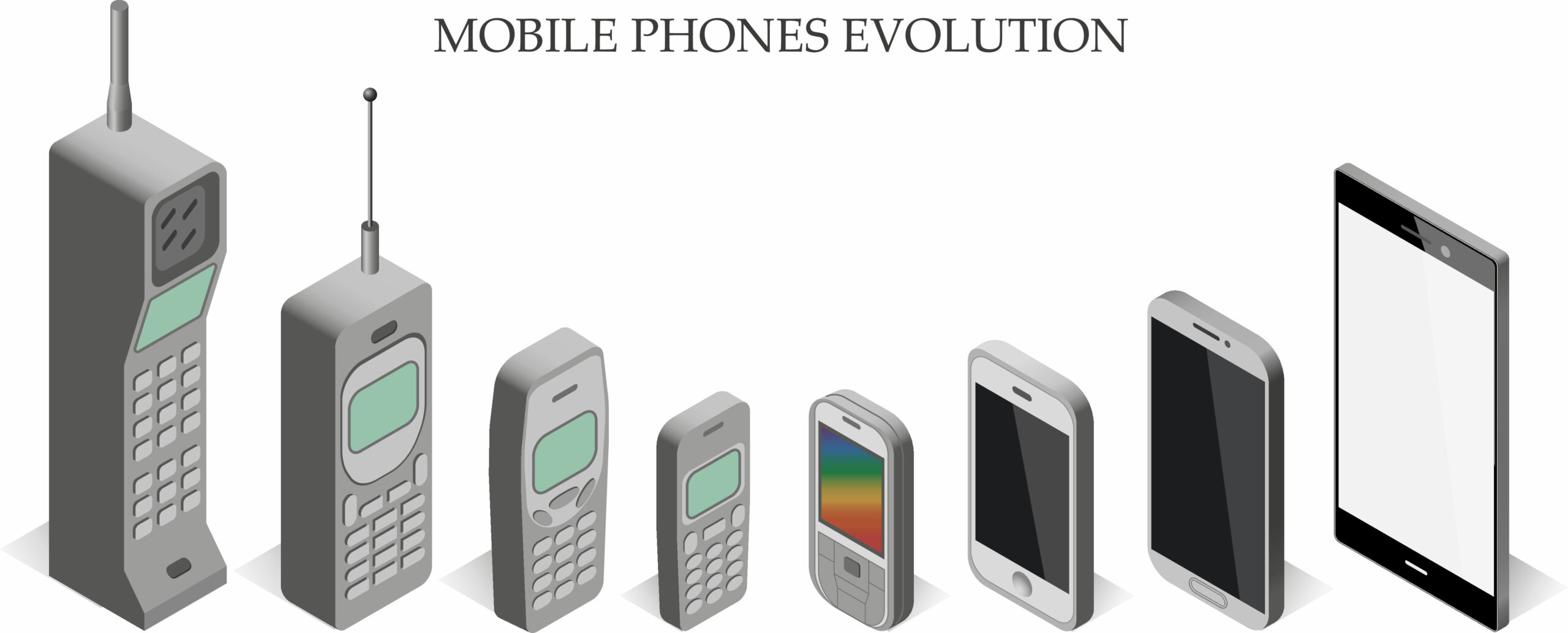
Credit: techwireasia.com
Early Mobile Phones
The journey of mobile phones began long before the sleek, multifunctional smartphones we carry today. Early mobile phones were a marvel of technology, bridging the gap between communication and mobility. These devices paved the way for the smartphone revolution, yet they were starkly different from the compact gadgets we now hold in our pockets. As you delve into the history of mobile phones, you might find yourself appreciating the convenience and innovation of modern devices even more.
From Brick To Pocket
Early mobile phones were anything but pocket-friendly. Often referred to as “bricks,” these devices were large, heavy, and cumbersome. Imagine carrying a device the size of a shoebox just to make a phone call.
These phones were primarily used by businesses and wealthy individuals, as their size and cost were prohibitive for the average person. Despite their bulk, these early phones symbolized freedom and connectivity, offering a taste of the future.
As technology advanced, manufacturers raced to make phones smaller and more portable. You may have seen old movies where characters proudly use these brick phones, showcasing status and innovation. This shift from brick to pocket was a major milestone in mobile technology.
Initial Limitations
While groundbreaking, early mobile phones had significant limitations. Battery life was a major issue. You might recall stories of users constantly charging their phones, unable to stray far from an outlet.
Network coverage was another hurdle. These phones relied heavily on limited networks, often dropping calls or failing to connect altogether. Imagine trying to make an urgent call and being unable to get a signal.
Additionally, functionality was minimal. Unlike today’s smartphones, early mobile phones were primarily for calls, with few additional features. They lacked the versatility and connectivity we take for granted now. Can you imagine a phone without internet or texting capabilities?
Reflecting on the evolution of mobile phones can make you appreciate the convenience and capabilities of modern smartphones. How do you think mobile technology will continue to change the way you communicate?

Credit: www.weforum.org
Birth Of The Smartphone
The smartphone’s birth marked a shift in communication and technology. Before smartphones, mobile phones were limited in function. The first smartphones combined computing and telephony. People could now access emails, calendars, and internet browsing. This integration was groundbreaking for personal and professional use. The journey from simple mobile phones to smartphones transformed how we communicate.
Defining Features
Early smartphones had unique features. Touchscreens replaced physical buttons, allowing easier navigation. Internet connectivity opened a world of online access. Users could send emails and browse the web. Built-in cameras enabled capturing moments instantly. These features changed daily interactions. They provided convenience and connectivity like never before.
Key Innovators
Several companies led the smartphone evolution. IBM introduced the Simon Personal Communicator in 1992. It was the first device with PDA features. Nokia released the Nokia 9000 Communicator in 1996. It combined phone functions with a computer-like interface. BlackBerry gained popularity for its secure email and messaging services. Apple’s iPhone launched in 2007, bringing new design and functionality. Each innovator contributed to the smartphone’s capabilities.
Impact On Communication
The first smartphones brought a significant impact on communication. They changed how people connect and interact. Communication became quicker and more efficient. Smartphones offered new ways to stay in touch. This transformation affected social interactions and business communication.
Changing Social Interactions
Smartphones reshaped social interactions. Texting replaced phone calls for many. People started sharing moments instantly. Photos, videos, and messages spread quickly. Social media apps became popular. Friendships grew online and offline. Smartphones allowed constant connection.
Public spaces changed. People focused on screens more than surroundings. Conversations shifted online. Families and friends communicated across distances. Relationships adapted to new modes of interaction. Smartphones created virtual communities.
Business And Work Transformation
Smartphones transformed business communication. Emails became mobile. Important updates were accessible anywhere. Meetings could be virtual. Collaboration tools enhanced teamwork. Professionals could work remotely. This increased productivity.
Business strategies evolved. Companies reached customers through apps. Marketing targeted smartphone users. Data collection became easier. Insights improved decision-making. Smartphones opened new business opportunities. They changed workplace dynamics.
Evolution Of Technology
The journey of smartphones reveals the rapid evolution of technology. From simple devices to complex machines, smartphones changed how we communicate. They transformed our daily lives, offering new ways to connect, interact, and share information. This evolution shows innovation and creativity at its best.
Advancements In Connectivity
Early smartphones made communication easier. They allowed calls and text messages. Over time, connectivity improved dramatically. Internet access became common. People could browse websites and check emails on the go. Wi-Fi and Bluetooth integration offered wireless connection options. This connectivity expansion allowed seamless sharing and access to information.
Emergence Of Apps
Smartphones introduced a new world of apps. Apps changed how we use our devices. They offered tools for work, play, and daily tasks. The app stores provided countless choices. Users could download games, productivity tools, and social media platforms. Apps became essential for smartphone functionality. They provided personalization and enhanced user experience.
Challenges And Criticisms
The advent of the first smartphones marked a technological leap. But, they faced many challenges and criticisms. These early devices did not only bring convenience and connectivity. They also sparked debates on privacy, mental health, and societal impacts.
Privacy Concerns
Early smartphones introduced location tracking features. Users feared constant monitoring. Many questioned who had access to their data. Governments and companies collected vast amounts of personal information. This led to debates about surveillance and data security. People worried about hacking and data breaches.
Addiction And Mental Health
Smartphones became integral to daily life. But, they also created dependency. Many users spent hours glued to their screens. This led to concerns about smartphone addiction. Mental health experts noticed increased anxiety and stress. Constant notifications disrupted sleep and focus. People struggled to disconnect and be present.

Credit: www.textline.com
Future Of Smartphones
The first smartphones were bulky and had limited features. Today, sleek designs and advanced technology define modern devices. This evolution sets the stage for a future filled with smarter, more integrated phones.
The future of smartphones is an exciting prospect. As technology continues to evolve at a rapid pace, smartphones are expected to become even more integral to our daily lives. From changing how we communicate to reshaping our social interactions, these devices are poised to revolutionize our future.Innovations On The Horizon
Imagine a phone that knows what you need before you do. With the rise of artificial intelligence, smartphones are getting smarter. They will soon predict your actions, offering suggestions tailored just for you. Foldable and flexible screens are just the beginning. Future smartphones might even project holograms or offer virtual reality experiences right in your palm. This could change how you watch videos or play games. Better batteries are on the way. Longer-lasting, faster-charging, and even eco-friendly options will keep you powered throughout the day. Say goodbye to the constant hunt for a charging outlet.Potential Societal Changes
How will these advancements impact society? Picture a world where smartphones can diagnose health issues or even offer mental health support. This could make healthcare more accessible and personalized. The way we work might change too. Smartphones could replace the need for bulky laptops, allowing you to work from anywhere with ease. This flexibility might lead to a more balanced work-life dynamic. But there’s also a flip side. Increased dependence on smartphones could lead to privacy concerns or affect face-to-face interactions. It’s a double-edged sword, and how we balance it will shape our future. As we look ahead, it’s clear that smartphones will continue to play a pivotal role in our lives. What innovations are you most excited about? How do you think they will change your daily routine? The future is closer than you think.Frequently Asked Questions
What Was The First Smartphone?
The first smartphone was IBM Simon, released in 1994. It combined a mobile phone with PDA features like email and fax. IBM Simon had a touchscreen interface, paving the way for future smartphones. Though not widely successful, it laid the foundation for the modern smartphone era.
Who Invented The First Smartphone?
The first smartphone, IBM Simon, was invented by IBM. It was developed in collaboration with Mitsubishi Electric. Released in 1994, it was a pioneering device that combined telephony with PDA functions. IBM Simon introduced features like a touchscreen and email capabilities.
When Did Smartphones Become Popular?
Smartphones gained popularity in the mid-2000s with the launch of the iPhone in 2007. The iPhone revolutionized the industry with its user-friendly interface and app ecosystem. This led to widespread adoption, making smartphones an essential part of everyday life.
What Features Did Early Smartphones Have?
Early smartphones like IBM Simon had basic features such as calling, emailing, and faxing. They also included a touchscreen, calendar, and address book. These devices laid the groundwork for modern smartphones, which now include advanced features like cameras and app stores.
Conclusion
Smartphones changed how we live and communicate. They started as bulky devices. Today, they’re sleek and powerful. These early phones paved the way for innovation. They allowed us to connect with ease. The journey from first smartphones to now is remarkable.
New features emerged over time. But the core idea remains the same. Connecting people, sharing moments. Smartphones continue to evolve. Yet, the basics endure. They keep us linked. Technology advances, but the goal stays clear. Connecting the world. This journey is far from over.
Exciting times lie ahead for smartphone lovers.



