
Imagine a world where your phone doesn’t respond to a gentle swipe or tap. Hard to picture, right?
You’ve become so accustomed to the ease of touchscreens that it’s almost unthinkable. But do you know how this all began? The very first smartphone with a touchscreen was a true game-changer. It transformed the way you interact with technology and opened the door to the digital age we live in today.
Stay with us as we uncover the story behind this revolutionary device. Discover the innovation that redefined communication and find out how it paved the way for the smartphones you can’t live without. This tale is not just about technology; it’s about how it changed your world.
Credit: www.androidauthority.com
The Dawn Of Touchscreen Technology
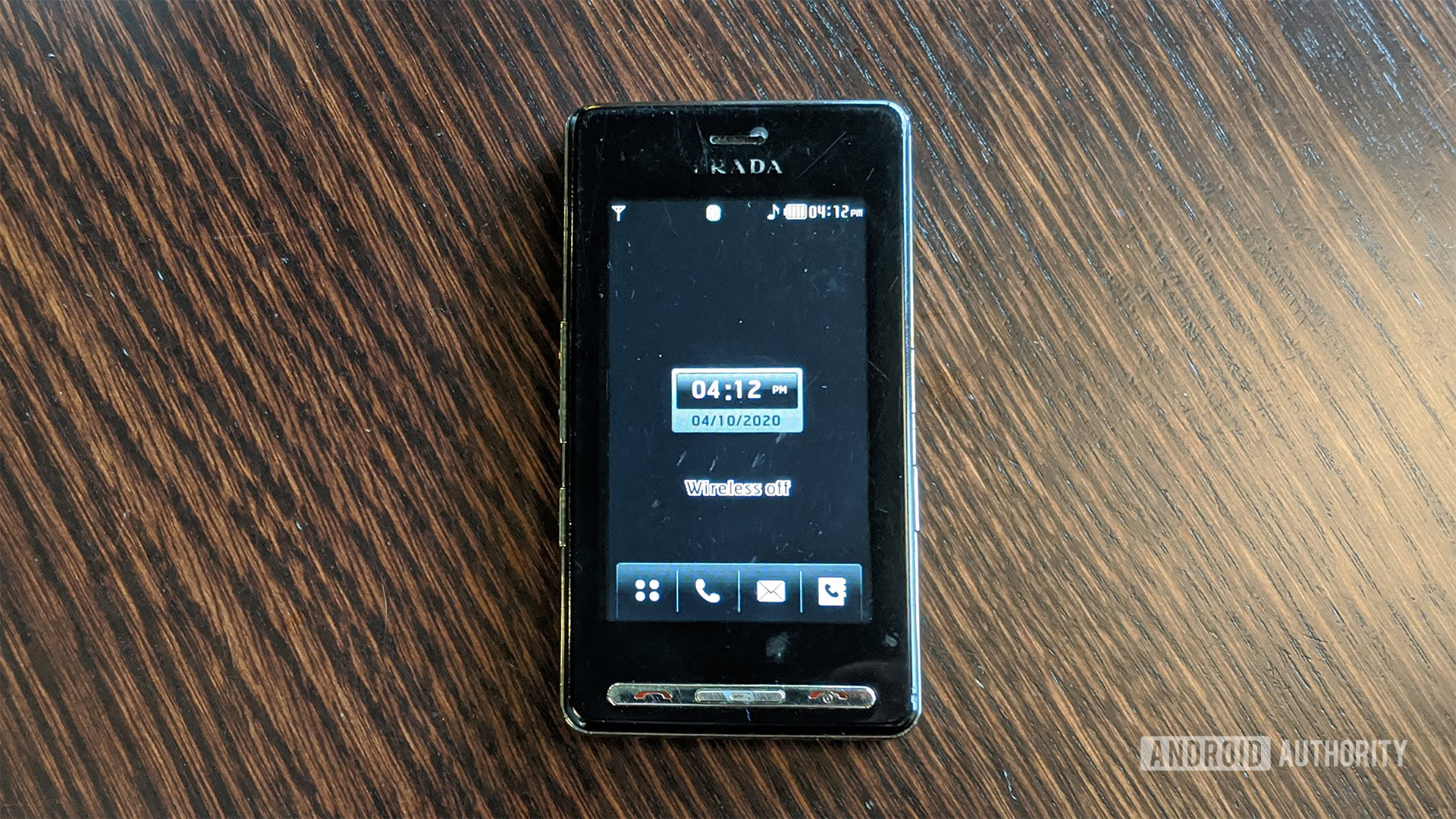
The first smartphone with a touch screen, IBM Simon, appeared in 1992. This device combined a phone and a PDA, offering new technology. Users could send emails, manage calendars, and use simple apps with a touch.
The introduction of touchscreen technology marked a pivotal moment in the evolution of smartphones. It was a shift that promised greater interactivity and convenience. But how did it all begin? The dawn of touchscreen technology was not just about innovation; it was about transforming how we interact with our devices.The First Touchscreen Smartphone: A Game Changer
The first smartphone with a touchscreen was IBM’s Simon Personal Communicator, launched in 1992. It was bulky and had limited features compared to today’s standards. However, it set the stage for future advancements. IBM Simon combined a phone and a PDA, offering a touchscreen interface that was groundbreaking at the time. You could make calls, send emails, and even manage your calendar, all from one device. Despite its hefty price tag and short battery life, Simon sparked curiosity and excitement. Did you ever think you’d swipe a screen to make things happen? Simon made that possible, even if it was just the beginning.Innovations That Followed
After Simon, other companies saw the potential of touchscreens. Apple, in 2007, launched the iPhone, which took the touchscreen concept to new heights. The iPhone’s capacitive touchscreen was smooth and responsive, unlike any before it. Apple’s introduction of multi-touch gestures changed the game. Pinching, swiping, and tapping became second nature. The iPhone’s success proved that a phone could be more than just a communication tool. What touchscreen feature do you now take for granted? The iPhone made it all possible.Impact On Daily Life
Touchscreens have drastically changed our daily routines. They offer a seamless way to interact with apps, games, and the internet. Tasks that once required multiple steps can now be done with a simple swipe or tap. Remember the last time you used a physical keyboard on a phone? Touchscreens have made typing faster and more intuitive, with predictive text and autocorrect features. What would your day be like without touchscreens? They have become integral to our lives, from navigating maps to ordering food.Future Of Touchscreen Technology
The evolution of touchscreen technology is far from over. Flexible screens and haptic feedback are just the beginning. Companies are exploring ways to make screens more immersive and interactive. Imagine a phone that folds into your pocket or a screen that feels like real objects. The possibilities are endless and exciting. Are you ready for the next wave of touchscreen innovations? The future holds exciting potential for how we will interact with our devices.Pioneers In Mobile Innovation
The journey of mobile innovation is marked by bold pioneers who dared to envision a world where communication could be as simple as a touch. These trailblazers transformed bulky gadgets into sleek, interactive devices that changed how we connect. As you hold your smartphone today, imagine the excitement of those early days when touch screens were just a dream waiting to be realized.
Early Devices And Concepts
Back in the late 90s, mobile phones were basic, with physical buttons and monochrome displays. Yet, there were whispers of a future where screens responded to touch. A few visionaries explored this potential, experimenting with resistive touch technology.
Do you remember your first flip phone? It was a marvel then, but imagine the thrill of using a device where your finger replaced buttons. Early concepts looked at touch screens as a solution to make phones more intuitive.
Some prototypes were bulky and lacked precision, but they laid the groundwork for future innovations. These early devices sparked curiosity and opened doors to new possibilities.
Key Companies Leading The Way
Several companies took the lead in transforming touch screen technology from a novelty to a necessity. Apple and IBM were among the frontrunners, investing heavily in research and development.
Apple’s introduction of the iPhone in 2007 was a game-changer. It wasn’t just about touch; it was about creating an ecosystem where the touch screen enhanced user experience. Did you know how revolutionary it felt to swipe instead of press?
IBM’s Simon Personal Communicator, launched in 1992, was one of the first touch screen phones. Though it didn’t quite catch on, it paved the way for future smartphones. These companies dared to ask, “What if touch could replace buttons?” and the world listened.
As you swipe through your apps today, reflect on the courage and foresight of these pioneers. They dared to dream big, setting the stage for the mobile revolution we experience every day. Can you imagine where the next wave of innovation will take us?
The First Touchscreen Smartphone
The advent of the first touchscreen smartphone marked a pivotal moment in technology. It changed how we interact with our devices, paving the way for the versatile gadgets you use today. As you read on, you’ll uncover the fascinating journey of this groundbreaking innovation and discover how it shaped the digital landscape.
Launch And Initial Reception
When the first touchscreen smartphone hit the market, it was met with both excitement and skepticism. People were curious yet hesitant about a phone without physical buttons. Can you imagine the anticipation surrounding that launch?
Despite the doubts, the device quickly gained attention. It offered a fresh, intuitive way to navigate through applications, which was a novelty at the time. Users soon realized the potential of a screen that responded to their touch.
Technical Specifications
What made this smartphone stand out? Its technical specifications were ahead of its time. The touchscreen was sensitive enough to detect your finger’s slightest movement, creating a seamless user experience.
It came equipped with a modest processor and a user-friendly interface. While today’s smartphones boast incredible power, this device set the stage for future advancements. Curious about how these specs compared to modern phones?
Battery life was surprisingly efficient for a device with such innovative features. It showed that functionality didn’t have to compromise practicality. This balance is something you still look for in your current devices, right?
Are you intrigued by how far smartphones have come since then? The journey from that first touchscreen device to today’s supercomputers in your pocket is nothing short of astonishing.
Impact On User Experience
The advent of the first smartphone with a touch screen marked a significant shift in user experience. This innovation didn’t just introduce a new way to interact with devices; it transformed how you connect with technology daily. As touch screens became mainstream, they altered perceptions about device usability and accessibility.
Changes In Interaction
With the touch screen, tapping and swiping replaced button pressing. This change made navigating your phone more intuitive and fluid. Imagine how natural it feels to pinch to zoom or swipe to unlock. These gestures made interactions faster and more enjoyable.
Touch screens also enabled apps to be more interactive. You could draw, play games, and manage tasks with simple finger movements. Have you noticed how much more engaging games and apps became with touch controls?
User Adoption And Feedback
Initially, the touch screen was met with skepticism. Many wondered if it was just a gimmick. Yet, it quickly proved its worth by offering a smoother user experience. As you adopted this technology, feedback revealed a preference for touch interactions over physical buttons.
Users appreciated the sleek design that touch screens allowed. The absence of physical keys made phones lighter and more stylish. How often do you find yourself admiring the sleekness of your device?
Feedback also highlighted increased accessibility for users with disabilities. Touch screens provided new ways to interact, making technology more inclusive. Have you seen how touch-based features have empowered people with varied abilities?
The impact of the first smartphone with a touch screen continues to influence device design and functionality today. Your daily interactions with technology are shaped by this pivotal change. How do you think touch screens will evolve further in the future?
Influence On Future Smartphone Designs
The first smartphone with a touch screen changed the world of mobile phones. This innovation set a new path for future designs. It created new ways to interact with devices. Designers found fresh ideas to improve user experience. Let’s explore how this touch screen influenced future smartphones.
Evolution Of Mobile Interfaces
Touch screens replaced physical buttons on phones. This shift allowed for larger displays. Users could see more content on their screens. They could swipe, tap, and pinch to control the phone. These actions made phones more interactive. It was a new way to engage with technology.
Touch screens also led to the creation of apps. Developers made software that took advantage of touch capabilities. More apps meant more functionality. Phones became useful for more than just calls. They became tools for work and play.
Inspiration For Modern Devices
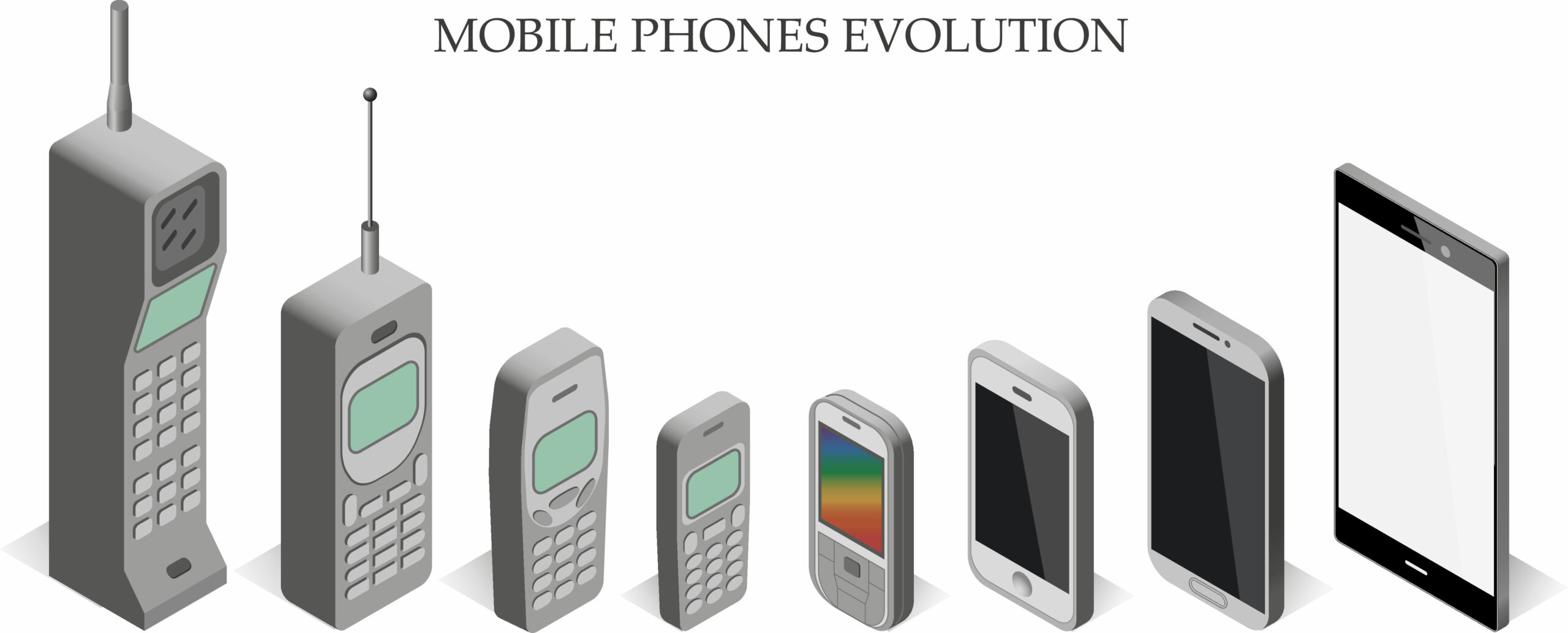
Modern smartphones draw inspiration from the first touch screen phone. Sleek designs with minimal buttons are now common. Larger screens dominate the market. Phones are more powerful and versatile.
The touch screen also inspired other tech devices. Tablets, smartwatches, and even laptops now use touch technology. This innovation continues to shape how we use technology daily.
Credit: techwireasia.com
Challenges And Criticisms
Introducing the first smartphone with a touch screen brought significant hurdles. Users faced difficulties in adapting to the new interface. Concerns arose over durability and user-friendliness, sparking debates among tech enthusiasts and casual users alike.
The introduction of the first smartphone with a touch screen was a groundbreaking event in the world of technology. But like all innovations, it faced its fair share of challenges and criticisms. These hurdles shaped its development and influenced how manufacturers improved subsequent models. Let’s delve into the specific challenges faced by the pioneering touch screen smartphone, focusing on technical hurdles and market competition.Technical Hurdles
Creating a touch screen smartphone was no walk in the park. Designers and engineers had to overcome several technical hurdles. One major issue was the sensitivity of the touch screen. Early models often struggled with accurately detecting user input, leading to frustrating experiences. Battery life was another critical challenge. The touch screen’s power demands were high, often leading to frequent recharges. This was not ideal for users accustomed to long-lasting battery life in their previous phones. Imagine constantly charging your phone because it can’t last through the day. This was a reality for early adopters. Addressing these challenges required significant technological advancements and user feedback.Market Competition
The introduction of the first touch screen smartphone also meant stepping into a fiercely competitive market. Established companies were skeptical about the device’s practicality. Many believed traditional phones with physical keyboards would remain dominant. Would you have taken the risk to buy a smartphone when everyone else was sticking to what they knew? Early adopters did, but convincing the broader market was a different story. Companies had to prove the touch screen’s utility and convenience over existing options. This meant aggressive marketing and showcasing features that set the touch screen smartphone apart. It was a battle for consumer trust and market share. As you reflect on these challenges, consider how they mirror the challenges new technologies face today. What does this tell us about innovation and consumer acceptance?Legacy In Tech Industry
The first smartphone with a touch screen changed how people use technology daily. It made using phones easier and more fun. This innovation set the stage for future tech developments, influencing modern devices worldwide.
The introduction of the first smartphone with a touch screen marked a significant turning point in the tech industry. It wasn’t just a new gadget; it was a catalyst for change, influencing countless aspects of technology and culture. As you think about the legacy left by this innovation, consider how deeply it has affected the way we interact with technology today.Long-term Effects On Technology
The touch screen smartphone changed the way devices were designed and used. Before its debut, physical keyboards dominated mobile technology. With touch screens, designers had the freedom to create sleek, minimalist devices. Software development also saw a shift. The demand for touch-friendly applications and games skyrocketed. Developers had to rethink user interfaces, prioritizing touch-based interactions. This innovation paved the way for tablets, smartwatches, and even smart home devices. Think about how your daily tech usage centers around touch-based devices now.Cultural Shifts And Trends
The smartphone’s touch screen didn’t just influence technology; it shaped culture. Remember the first time you swiped on a screen? That simple motion became a cultural phenomenon. Touch screens made technology more accessible. People of all ages found it easier to navigate devices, leading to a surge in smartphone adoption worldwide. Social media usage exploded, as apps became more engaging and interactive. Consider how much time you spend on social platforms today compared to a decade ago. Have you noticed the shift in communication styles? Emojis, GIFs, and memes gained popularity, changing how we express ourselves. These trends, driven by touch screen devices, continue to evolve our digital interactions. The legacy of the first touch screen smartphone is undeniable. It’s a legacy that continues to shape technology and culture, impacting your daily life in ways you might not even realize. What might the future hold as touch technology continues to evolve?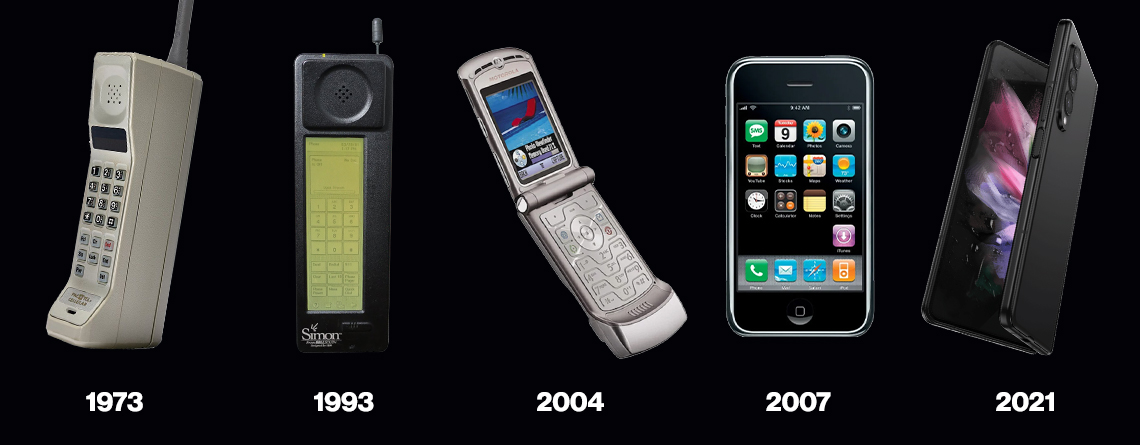
Credit: www.cellularsales.com
Frequently Asked Questions
What Was The First Smartphone With A Touch Screen?
The first smartphone with a touch screen was the IBM Simon. Released in 1992, it featured a monochrome LCD screen. It combined the functionality of a mobile phone with PDA capabilities. This pioneering device laid the foundation for modern touch screen smartphones.
How Did The Ibm Simon Revolutionize Mobile Phones?
IBM Simon revolutionized mobile phones by introducing touch screen technology. It allowed users to interact directly with the screen. This was groundbreaking for its time, paving the way for future innovations. It combined calling, messaging, and organizing functionalities in one device.
What Features Did The Ibm Simon Offer?
IBM Simon offered features like a calendar, address book, and email. Users could also send and receive faxes. It had a predictive stylus for screen navigation. These features were innovative for the early 1990s and set a precedent for future smartphones.
Why Is Ibm Simon Considered A Smartphone Pioneer?
IBM Simon is considered a pioneer due to its innovative touch screen. It integrated various features into one handheld device. It was the first to combine telephony with PDA functions. This marked the beginning of the smartphone era.
Conclusion
The first smartphone with a touch screen changed how we use phones. It introduced a new way to interact with technology. People could now tap, swipe, and scroll with ease. This invention set the stage for future smartphone designs. It made phones more user-friendly and accessible.
Designers learned from this innovation. They improved on it over time. Today, touch screens are standard in mobile devices. They offer convenience and efficiency. This technology continues to evolve, shaping the mobile world. It all began with that pioneering touch screen smartphone.
A milestone in tech history.



