

Imagine a career path that’s not only in demand but also offers endless opportunities for growth. A field where you can work with cutting-edge technology and play a crucial role in shaping the future.
You’re looking at a career in cloud computing. As businesses continue to embrace digital transformation, the need for cloud computing experts is skyrocketing. But what exactly makes this field so exciting and rewarding? And how can you position yourself to take advantage of these opportunities?
You’ll discover why cloud computing is more than just a trend. You’ll learn about the skills you need, the roles you can pursue, and how you can build a successful career in this dynamic industry. Whether you’re just starting out or looking to make a career switch, this guide is your roadmap to navigating the cloud computing landscape. Get ready to unlock the potential of a career that promises innovation, growth, and a chance to make a significant impact. Dive in and see how cloud computing could be the key to your future success.
Credit: www.geeksforgeeks.org
What Is Cloud Computing?
Cloud computing allows storing and accessing data online, transforming how businesses operate. A career in cloud computing offers opportunities in various roles like cloud engineer, architect, and security analyst, providing strong growth prospects and high demand in tech industries.
In today’s fast-paced digital world, you’ve likely heard the term “cloud computing” tossed around in conversations about technology and innovation. But what exactly is cloud computing? At its core, cloud computing is all about accessing and storing data and applications over the internet instead of your computer’s hard drive. This shift from traditional computing methods offers flexibility, efficiency, and cost savings, making it a hot career choice. Let’s break down this concept further.Understanding The Basics Of Cloud Computing
Cloud computing can be likened to renting a space in a massive virtual warehouse. Instead of buying and maintaining your own servers, you use someone else’s infrastructure. This means you can access your work from anywhere with an internet connection, which is a game-changer for remote work.Types Of Cloud Services
There are three main types of cloud services you should know about: IaaS, PaaS, and SaaS. – Infrastructure as a Service (IaaS): This is like leasing virtual hardware. You rent IT infrastructure, such as servers and storage, from a cloud provider. – Platform as a Service (PaaS): Here, you get a platform to develop, test, and deploy applications. This is ideal if you want to create apps without dealing with underlying hardware. – Software as a Service (SaaS): You use software applications hosted by a provider. Think of services like Google Workspace or Microsoft 365 that you access via a web browser.Benefits Of Cloud Computing
Cloud computing offers several advantages. – Scalability: You can easily increase or decrease resources based on your needs without having to buy new equipment. – Cost Efficiency: Pay for only what you use. No more hefty upfront costs for hardware. – Accessibility: Work from anywhere. All you need is an internet connection.Real-world Applications
Consider how many everyday services rely on cloud computing. Streaming platforms like Netflix use it to deliver content seamlessly. Businesses use cloud services for data storage and collaboration tools. The possibilities are vast and expanding.Is Cloud Computing Right For You?
Think about your career aspirations. Are you interested in tech roles that require innovation and problem-solving? Cloud computing might be a perfect fit. The industry is growing, and there’s a constant demand for skilled professionals. Would you like to be part of a field that shapes the future of technology? Embracing cloud computing can open doors to exciting opportunities. It’s not just about understanding the technology but also about foreseeing its impact on industries. As you consider a career in this field, remember that the cloud isn’t just a trend; it’s a pivotal part of our technological evolution.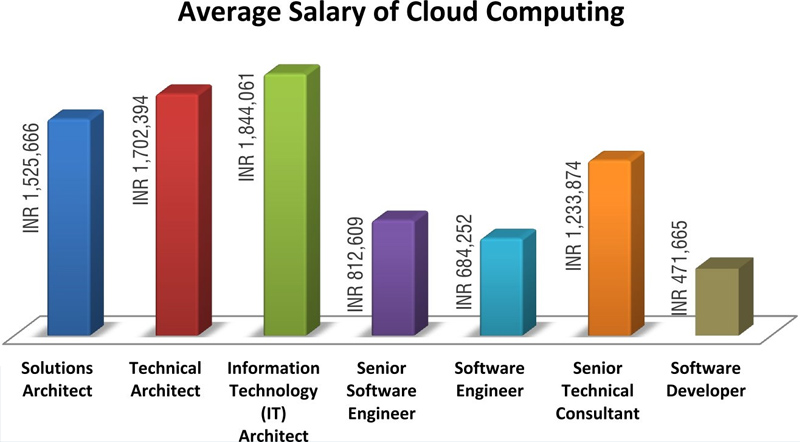
Credit: www.cognixia.com
Key Cloud Service Models
Cloud computing offers diverse opportunities for career growth. Understanding key service models is crucial. These models form the backbone of cloud services. They cater to different needs and technical requirements. Let’s explore the main service models shaping the cloud landscape.
Infrastructure As A Service (iaas)
IaaS provides virtualized computing resources over the internet. It includes servers, storage, and networking. Users can scale resources based on demand. This flexibility helps businesses manage costs efficiently. IaaS supports various workloads and applications. It offers the foundation for other cloud services.
Platform As A Service (paas)
PaaS delivers hardware and software tools over the internet. It provides a platform for developers to build applications. PaaS simplifies application development and deployment. Developers focus on writing code without managing infrastructure. It supports multiple programming languages and development frameworks.
Software As A Service (saas)
SaaS offers software applications through the web. Users access applications without installing them locally. This model provides ease of use and accessibility. Businesses benefit from reduced maintenance and support costs. SaaS applications update automatically, ensuring users have the latest features.
Skills Required
Cloud computing is a booming field with numerous career opportunities. To succeed in this domain, professionals need a mix of technical and soft skills. These skills help navigate complex systems and work effectively in teams. Understanding these skill sets is crucial for building a successful career in cloud computing.
Technical Skills
Technical skills are the backbone of cloud computing careers. Knowledge of cloud platforms like AWS, Azure, and Google Cloud is essential. Familiarity with virtualization and containerization is beneficial. Experience with programming languages such as Python and Java aids in application development. Understanding network security principles ensures data protection. Database management skills help handle large volumes of data efficiently.
Proficiency in DevOps practices enhances workflow automation. Knowing infrastructure as code tools like Terraform supports system management. Troubleshooting skills are vital for resolving technical issues promptly.
Soft Skills
Soft skills are equally important for cloud computing professionals. Communication is key for effective collaboration. Teamwork skills foster productive environments. Adaptability helps manage evolving technologies and challenges. Problem-solving skills drive innovation and efficiency. Time management is crucial for meeting deadlines.
Critical thinking aids in decision-making processes. Emotional intelligence supports positive workplace interactions. Strong leadership skills inspire team members to achieve goals.
Career Paths In Cloud Computing
Cloud computing offers diverse career paths. It’s a fast-growing field with numerous opportunities. Professionals can specialize in various roles, each with unique responsibilities. Let’s explore some popular career paths in cloud computing.
Cloud Architect
A Cloud Architect designs cloud solutions. They map out the infrastructure and determine requirements. They ensure systems run efficiently in the cloud. Knowledge of cloud platforms is essential. Understanding security and networking principles is crucial.
Cloud Developer
Cloud Developers create applications for the cloud. They write code and integrate cloud services. They optimize software for cloud environments. Familiarity with programming languages is important. Experience with cloud platforms enhances their role.
Cloud Security Specialist
Cloud Security Specialists protect cloud data. They manage security measures and protocols. They identify threats and vulnerabilities. They work to secure information in the cloud. Understanding of encryption and security tools is vital.
Devops Engineer
DevOps Engineers bridge development and operations. They automate processes and improve workflows. They ensure software is deployed smoothly. They focus on collaboration and efficiency. Skills in scripting and automation are key.
Certifications To Consider
Certifications in cloud computing open doors to diverse career paths. They validate your skills and knowledge in managing cloud services. Choosing the right certification can enhance your credibility. It also boosts your job prospects. Explore some of the top certifications below.
Aws Certifications
AWS certifications are highly valued in the tech industry. They offer various levels from foundational to professional. The AWS Certified Solutions Architect is popular among beginners. It covers essential cloud concepts. The AWS Certified Developer is ideal for those focusing on development. For advanced skills, consider AWS Certified DevOps Engineer. This certification delves into automation and deployment.
Microsoft Azure Certifications
Azure certifications are gaining traction globally. Azure Fundamentals is a great starting point. It introduces basic cloud services and solutions. Azure Administrator Associate is for those managing cloud resources. It focuses on implementation and monitoring. The Azure Solutions Architect Expert is for advanced learners. It covers design and management of cloud solutions.
Google Cloud Certifications
Google Cloud certifications cater to various expertise levels. The Associate Cloud Engineer is beginner-friendly. It covers deploying applications and monitoring operations. Professional Cloud Architect is sought by experienced professionals. It involves designing scalable cloud systems. The Professional Data Engineer is for data enthusiasts. It focuses on data processing and machine learning models.
Industries Adopting Cloud Solutions
Cloud computing is transforming how industries operate today. Companies across sectors are adopting cloud solutions. They aim to enhance efficiency and competitiveness. Cloud technology offers scalable and flexible resources. This makes it an attractive choice for many industries.
Healthcare
Healthcare is rapidly embracing cloud solutions. Hospitals and clinics use cloud storage for medical records. This ensures easy access to patient information anytime. Cloud computing also supports telemedicine services. Patients can consult doctors remotely. Moreover, cloud-based systems help in managing large data. They aid in research and development.
Finance
The finance industry relies heavily on cloud technology. Banks and financial institutions use the cloud for data storage. It helps in processing transactions quickly and securely. Cloud solutions also enhance fraud detection systems. They enable real-time data analysis. This improves decision-making and risk management. Fintech companies also benefit from cloud computing. It supports their innovative financial services.
Retail
Retailers are adopting cloud solutions for better customer service. Cloud-based systems manage inventory efficiently. They provide real-time updates on stock levels. This helps in avoiding overstock and shortages. E-commerce platforms use cloud technology for seamless operations. They offer personalized shopping experiences. Cloud computing also supports data analytics. This helps in understanding customer preferences.
Future Trends In Cloud Computing
The cloud computing landscape is changing rapidly. Emerging trends shape its future. Professionals need to stay updated. These trends open new career opportunities.
Edge Computing
Edge computing is gaining traction. It involves processing data closer to its source. This reduces latency and improves speed. Businesses need faster data processing. Edge computing meets this demand. Careers in edge computing are on the rise. They offer roles in network management and data analysis.
Serverless Architecture
Serverless architecture is reshaping cloud services. It allows developers to build applications without managing servers. This simplifies the development process. It also reduces costs. Businesses can focus on coding, not infrastructure. Jobs in serverless architecture involve coding and deployment. They require knowledge of cloud platforms.
Ai And Machine Learning Integration
AI and machine learning are becoming integral in cloud computing. They enhance data analysis and decision-making. Cloud platforms now offer AI tools. These tools help businesses gain insights. Careers in this area involve AI model development and data science. Professionals should understand AI technologies.
Benefits Of A Cloud Computing Career
A career in cloud computing offers flexibility and diverse opportunities in various industries. Professionals enjoy high demand and competitive salaries. The evolving technology landscape ensures continuous learning and growth.
The realm of cloud computing isn’t just a tech trend; it’s a thriving career path filled with numerous benefits. As businesses across the globe shift to cloud-based solutions, professionals in this field enjoy high demand, competitive salaries, and flexible work environments. Whether you’re just starting your career or considering a switch, cloud computing offers a promising future with tangible rewards.High Demand
Imagine stepping into a job market where your skills are sought after by numerous companies. That’s the reality for cloud computing professionals. The demand is soaring as businesses increasingly rely on cloud solutions for scalability and efficiency. Your expertise becomes essential, opening doors to endless opportunities. With every company needing cloud solutions, your career prospects are robust and varied.Competitive Salaries
High demand naturally leads to attractive salaries. Cloud computing roles often come with lucrative pay packages that reflect the specialized skills required. Picture receiving a paycheck that genuinely rewards your expertise. Salaries in this field are often above average, providing financial stability and growth. Who wouldn’t appreciate a career where your hard work translates into substantial earnings?Remote Work Opportunities
In cloud computing, the world is your office. Many roles offer remote work options, giving you the flexibility to choose your work environment. You can work from home, at a café, or even while traveling. Imagine crafting your schedule around your life, not the other way around. This flexibility not only enhances work-life balance but also allows you to be productive in a setting that suits you best. Are you ready to embrace a career that offers high demand, competitive pay, and the chance to work from anywhere? Cloud computing might just be the right path for you.Challenges And Considerations
Navigating a career in cloud computing involves understanding rapid technological changes. Staying updated with new tools is crucial. Professionals must also consider data security and regulatory compliance. Balancing these demands requires continuous learning and adaptability.
The realm of cloud computing opens up a world of opportunities, but like any career path, it comes with its own set of challenges and considerations. As you embark on this journey, understanding the hurdles you may face can better prepare you for success. Below, we explore key aspects that demand your attention in this rapidly evolving field.Data Security
One of the most pressing concerns in cloud computing is safeguarding data. When you store sensitive information online, ensuring its security becomes a paramount responsibility. Many professionals have faced sleepless nights worrying about breaches and unauthorized access. Imagine dealing with a security incident that compromises client trust. It is crucial to stay vigilant, utilize encryption, and follow best practices to protect data integrity. This isn’t just about technology, but also about instilling confidence in your clients and stakeholders.Cost Management
Balancing budgets in cloud computing can be tricky. While the cloud offers scalable solutions, the costs can spiral if not monitored closely. A friend once shared how his company overspent on cloud services due to unchecked usage, leading to unnecessary expenses. To avoid such pitfalls, develop a strategic plan for cost management. Regularly review usage, set spending limits, and explore cost-effective options. This proactive approach can save you from financial headaches and ensure sustainable growth in your cloud journey.Keeping Up With Rapid Changes
The pace of change in cloud technology is relentless. Staying updated with the latest advancements is not just advantageous but essential. You may find yourself constantly learning and adapting to new tools and practices. Consider the case of a colleague who missed out on a promotion because he was not aware of the latest cloud solutions. To stay ahead, engage in continuous learning and networking. Attend workshops and webinars, and be open to innovation. Are you ready to tackle these challenges head-on? Embrace the learning curve and make these considerations part of your strategy. Your cloud computing career can thrive with the right mindset and preparation.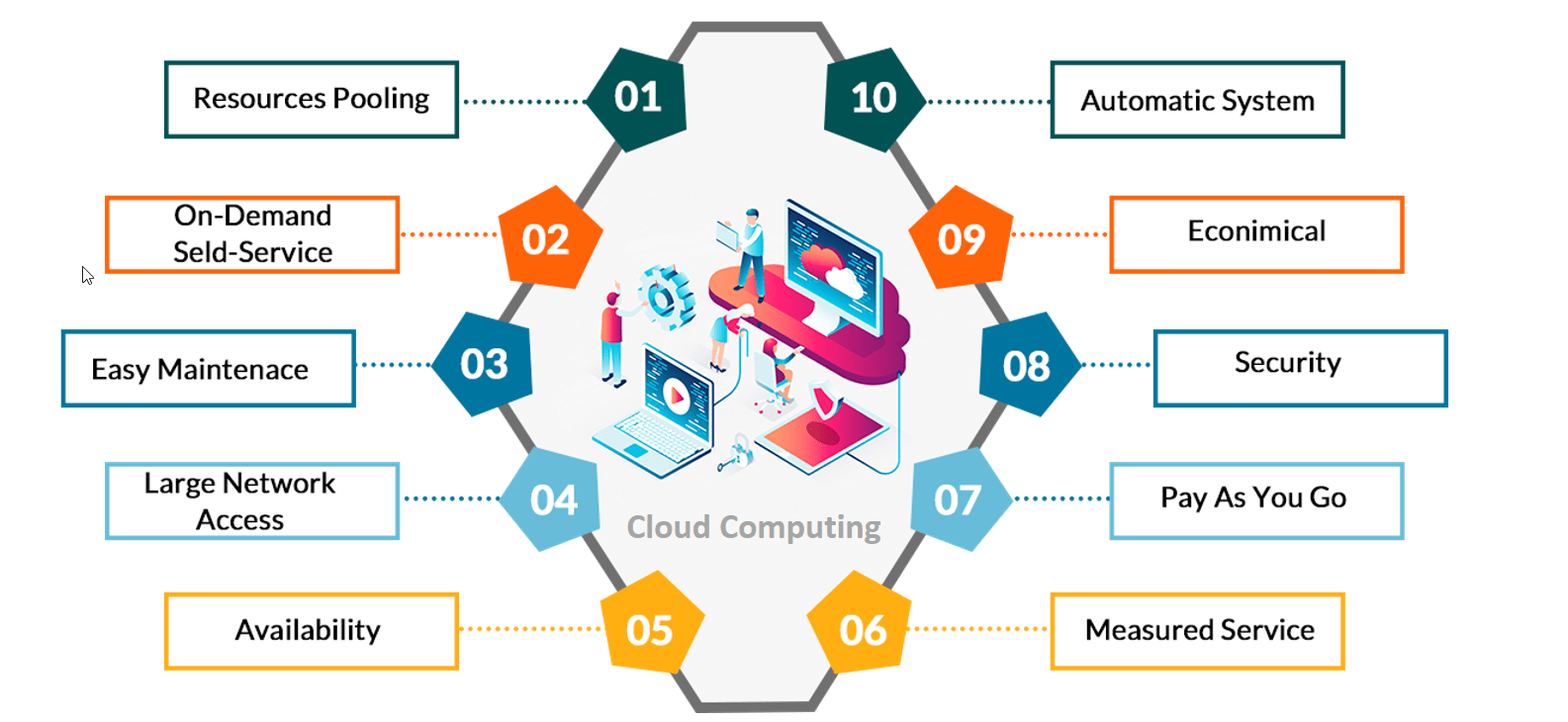
Credit: k21academy.com
Frequently Asked Questions
What Skills Are Needed For Cloud Computing Careers?
To succeed in cloud computing, you need skills in cloud platforms, data management, and cybersecurity. Understanding virtualization and networking is crucial. Familiarity with tools like AWS, Azure, and Google Cloud enhances job prospects. Problem-solving and continuous learning are essential to adapt to evolving technologies.
How Does Cloud Computing Impact It Jobs?
Cloud computing has transformed IT jobs by increasing demand for cloud specialists. Roles like cloud architect, engineer, and security analyst are popular. It offers flexibility and scalability, attracting businesses. Traditional IT roles are evolving, requiring cloud skills. Career opportunities are abundant due to rapid cloud adoption.
Is Cloud Computing A Good Career Choice?
Yes, cloud computing offers lucrative and stable career opportunities. The demand for professionals is high due to growing cloud adoption. Roles are diverse, from development to security. It provides a platform for innovation and growth. Continuous learning ensures long-term success in this dynamic field.
What Certifications Help In Cloud Computing Careers?
Certifications like AWS Certified Solutions Architect and Microsoft Azure Certification are valuable. They validate skills and improve job prospects. Google Cloud and CompTIA Cloud+ certifications are also beneficial. These credentials demonstrate expertise and commitment. Employers seek certified professionals for their knowledge and proficiency in cloud technologies.
Conclusion
Cloud computing offers a promising career path. Skills in this field are in high demand. Professionals enjoy diverse job opportunities. Companies need cloud experts to thrive. Learning cloud technology can boost your future prospects. It’s a field full of innovation and growth.
Many industries rely on cloud solutions today. Understanding cloud concepts opens doors to many sectors. This career choice suits tech enthusiasts and problem solvers. Embrace the chance to learn and grow. Start your cloud journey now. Your future in tech looks bright and rewarding.