

Imagine having all your files, applications, and data accessible from anywhere at any time. That’s the promise of cloud computing.
Whether you’re looking to streamline your business operations or just want more flexibility in your personal tech setup, understanding the basics of cloud computing can open up a world of possibilities. Think of it as having a virtual office that follows you wherever you go.
But what exactly is cloud computing, and how can it benefit you? By diving into the essentials, you’ll discover how this technology can transform your daily tasks into efficient and seamless experiences. Get ready to unlock the potential of the cloud and take control of your digital life.
Credit: techsparks.co.in
What Is Cloud Computing?
Cloud computing has changed how we use technology. It offers flexibility, efficiency, and cost savings. But what exactly is cloud computing? Understanding its basics can help anyone grasp its importance.
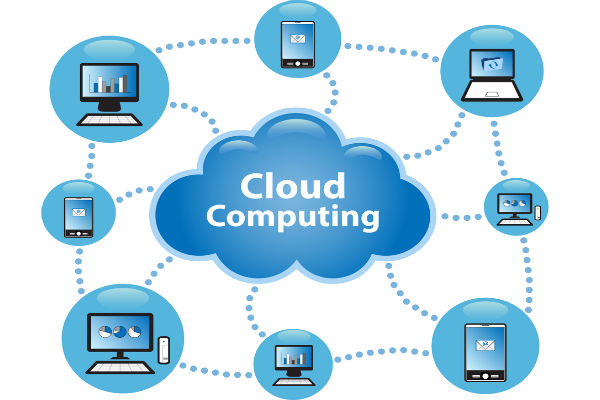
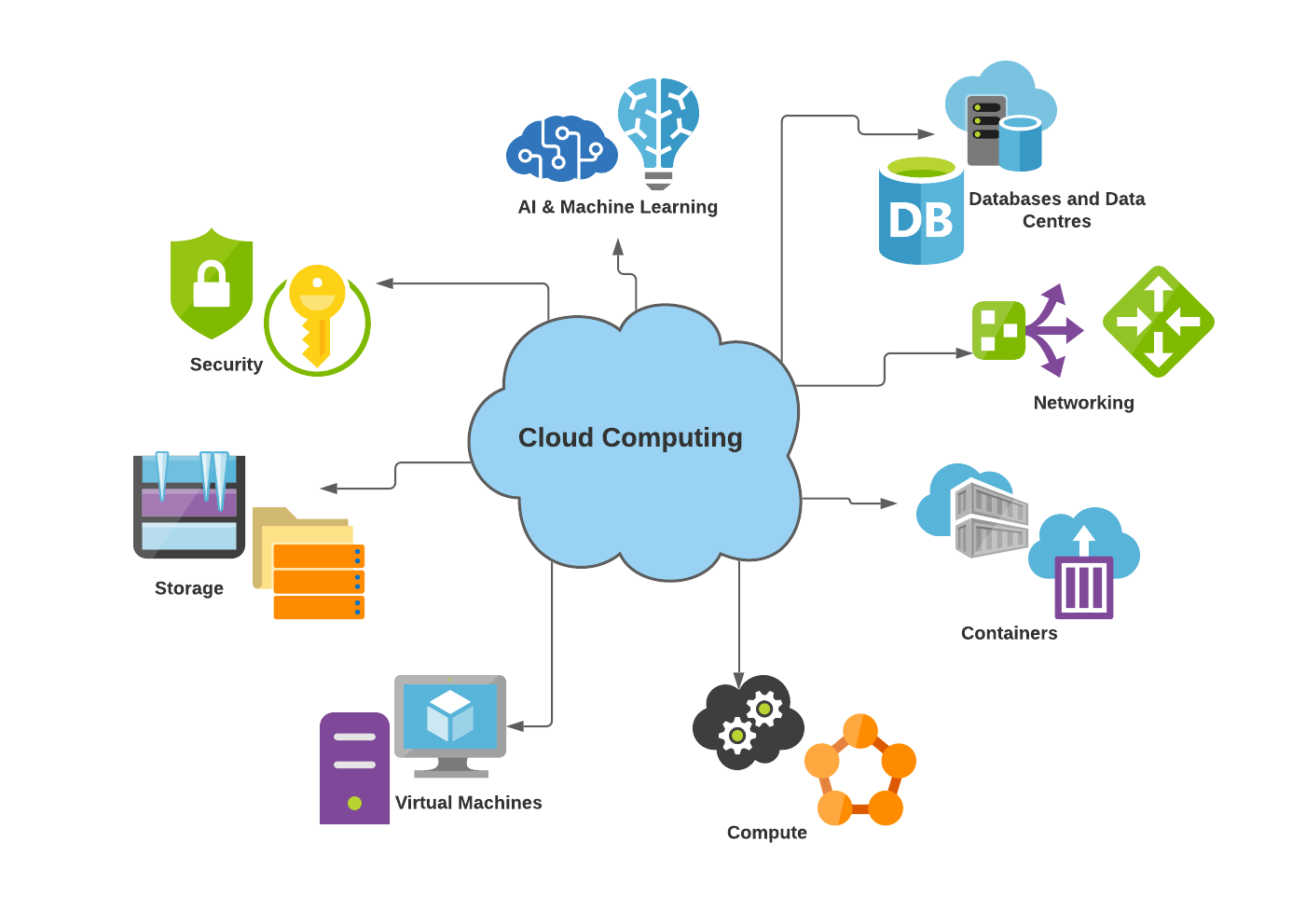
Cloud computing delivers services over the internet. These services include servers, storage, databases, networking, software, and more. Instead of owning physical hardware, you use a cloud provider’s resources.
How Does Cloud Computing Work?
Cloud computing relies on a network of remote servers. These servers store and manage data. They are accessed via the internet. This setup allows for faster processing and easy scalability.
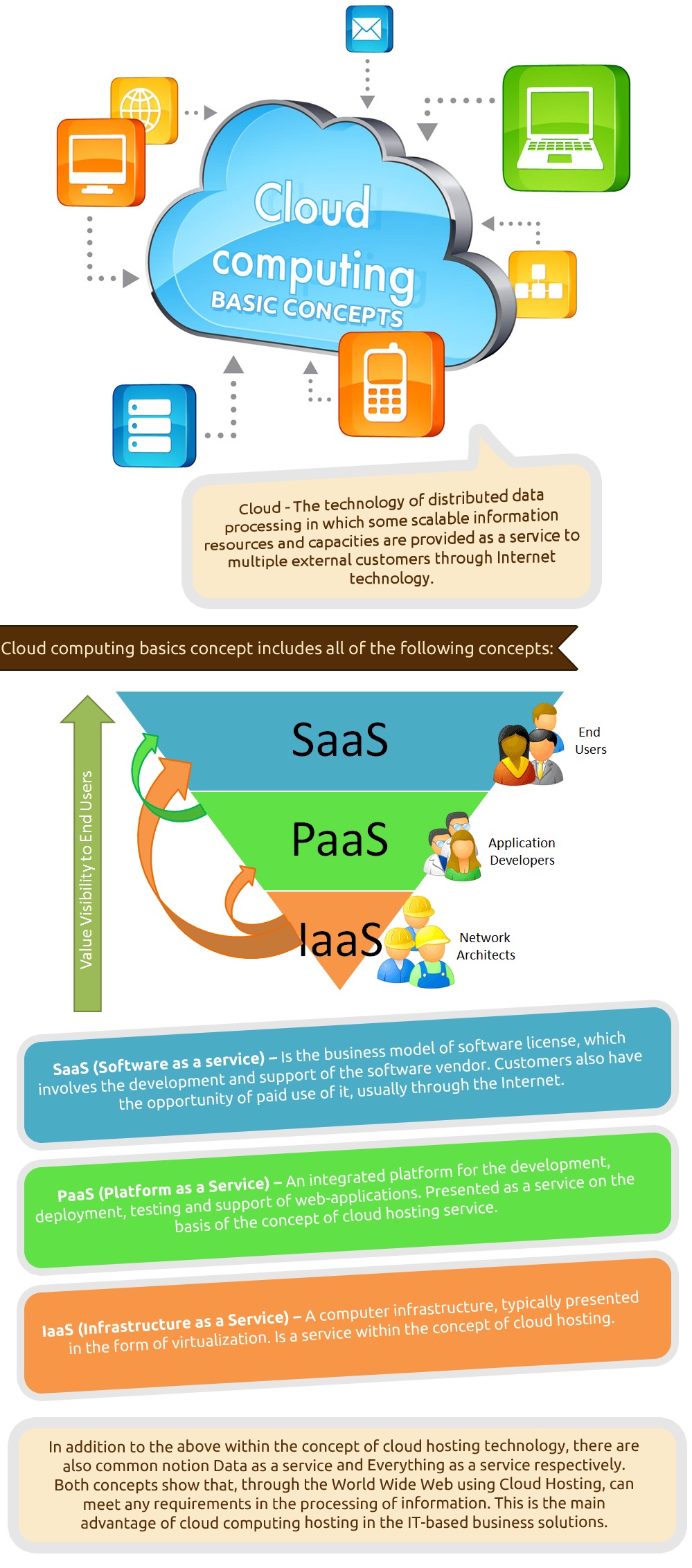
Cloud services come in three main types: IaaS, PaaS, and SaaS. Infrastructure as a Service (IaaS) provides virtualized computing resources. Platform as a Service (PaaS) offers hardware and software tools. Software as a Service (SaaS) delivers software applications over the web.
Cloud computing offers many benefits. It reduces costs, as you pay only for what you use. It enhances collaboration by allowing data access from anywhere. It also provides strong security measures to protect data.
Common Uses Of Cloud Computing
Many businesses use cloud computing for data storage. It also supports app development and testing. Cloud services help with big data analysis. They also host websites and run business applications.
Credit: ostechnix.com
Types Of Cloud Services
Understanding the different types of cloud services can open doors to new ways of working. Whether you’re a tech enthusiast, a business owner, or simply curious, knowing the basics can empower you to make smarter decisions. Let’s dive into the three main types of cloud services: Infrastructure as a Service (IaaS), Platform as a Service (PaaS), and Software as a Service (SaaS).
Infrastructure As A Service (iaas)
IaaS provides you with virtualized computing resources over the internet. Imagine having access to servers, storage, and networking without owning any physical hardware. You can quickly scale up or down based on your needs, paying only for what you use. This flexibility is ideal for businesses experiencing growth spikes or seasonal demand.
Have you ever struggled with maintaining hardware? With IaaS, the provider takes care of it, allowing you to focus on your core business activities. It’s like renting a fully-equipped office without worrying about the upkeep.
Platform As A Service (paas)
PaaS offers a platform allowing you to develop, run, and manage applications without the complexity of building and maintaining infrastructure. Imagine having a sandbox where you can play with different development tools and environments. This service is perfect for developers who want to focus on coding and innovation.
Are you a small startup with big ideas but limited resources? PaaS can be your playground, providing you with everything from databases to security features. Just bring your creative energy and watch your ideas come to life.
Software As A Service (saas)
SaaS delivers software applications over the internet, eliminating the need for installation and maintenance. Picture using an email service or a CRM system right from your browser. With SaaS, you always have access to the latest features and updates without lifting a finger.
Have you ever felt overwhelmed by software updates? With SaaS, those worries are gone. You just log in and start working, knowing you’re using the most up-to-date version available. It’s like having your cake and eating it too.
Each type of cloud service offers unique benefits. Which one speaks to your needs and goals? Whether you’re looking to simplify infrastructure, develop applications, or streamline software usage, cloud services provide the tools you need. Embrace the possibilities and transform the way you operate.
Deployment Models
When you’re diving into cloud computing, understanding deployment models is crucial. Each model offers distinct advantages and is tailored to different needs. Whether you’re an individual user or a business, knowing the right fit can save you time and resources. You might wonder which model aligns with your goals and budget.
Public Cloud
Public clouds are like the bustling city centers of cloud computing. They are owned by third-party providers and offer services to anyone who wants to use them. Think of companies like Amazon Web Services (AWS), Microsoft Azure, or Google Cloud.
These platforms are great for scalability and flexibility. You only pay for what you use, making them cost-effective for businesses that experience varying workloads. Have you ever been amazed at the vastness of resources available at your fingertips? That’s the power of public clouds.
Private Cloud
Private clouds are the secluded retreats of the cloud world, providing a controlled environment tailored to a single organization’s needs. They can be hosted internally or by external providers, but they are not shared with others.
These are ideal for companies that prioritize security and control over their data. Imagine having your own dedicated server space where you can tweak settings to match specific requirements. If safeguarding your sensitive information is a top priority, a private cloud might be your answer.
Hybrid Cloud
Hybrid clouds offer the best of both worlds, combining public and private cloud elements. This model allows data and applications to move between the two environments seamlessly.
It’s perfect for businesses looking to optimize their operations without sacrificing security. Imagine being able to keep sensitive data in a private cloud while using the public cloud for less critical tasks. This flexibility can be a game-changer for your workflow.
Community Cloud
Community clouds are collaborative spaces where several organizations with shared concerns come together. These clouds are managed by one or more of the involved parties or a third-party provider.
They are beneficial for sectors like healthcare or finance that have common regulatory requirements. Can you envision a space where collaboration and shared resources lead to more efficient solutions? That’s the promise of community clouds.
So, which cloud model resonates with your needs? Whether you’re seeking flexibility, security, or collaboration, understanding these deployment models can guide your cloud journey effectively.
Credit: www.esds.co.in
Benefits Of Cloud Computing
Cloud computing has transformed the way businesses operate, offering a plethora of benefits that can help your organization thrive in a competitive landscape. Embracing cloud technology can lead to significant improvements in cost efficiency, scalability, flexibility, and disaster recovery. If you’re considering the shift to the cloud, understanding these advantages can guide your decision-making process.
Cost Efficiency
One of the most compelling reasons to switch to cloud computing is its cost efficiency. Traditional IT setups require hefty investments in hardware and infrastructure. With the cloud, you pay as you go, minimizing upfront costs. Imagine reallocating funds previously tied up in servers to other critical business areas. What would that mean for your growth?
Additionally, cloud providers often include maintenance and upgrades in their pricing, saving you from unexpected expenses. Consider how much time and money you can save by not having to manage physical servers.
Scalability
Cloud computing offers unparalleled scalability. Need more resources during peak seasons? Cloud services allow you to adjust your computing power with a few clicks. No more scrambling to buy new hardware or worrying about overcapacity.
Think about a business that rapidly expands its customer base. With cloud computing, it can effortlessly scale its operations to meet increased demand. How would your business benefit from such agility?
Flexibility
The flexibility of cloud computing is a game-changer. It allows your team to work from anywhere, anytime, using various devices. This can enhance productivity, especially for a remote workforce.
Consider how this flexibility can foster collaboration among your team members, regardless of their physical location. How might this change the dynamic of your work environment?
Disaster Recovery
Cloud computing offers robust disaster recovery solutions. Traditional systems can be vulnerable to natural disasters or cyber threats, but the cloud provides automatic backups and quick data recovery options.
Think back to a time when a sudden data loss impacted your operations. With cloud solutions, you’re prepared for unexpected events, ensuring business continuity. How valuable is peace of mind knowing your data is secure?
In conclusion, the benefits of cloud computing are not just theoretical—they’re tangible improvements that can redefine how you conduct business. By leveraging cost efficiency, scalability, flexibility, and disaster recovery, you can propel your organization to new heights. So, what’s stopping you from embracing the cloud?
Challenges In Cloud Adoption
Transitioning to cloud computing can be tough. Security concerns, cost management, and data migration present hurdles for businesses. Understanding the basics is crucial to navigate these challenges effectively.
Cloud computing offers incredible benefits, but adopting it can pose several challenges. These challenges can affect not just how you use cloud services but also the overall efficiency and security of your business. Understanding these hurdles is crucial for a smooth transition to the cloud.Security Concerns
One of the primary worries when moving to the cloud is security. Your data is stored off-premises, which can make you feel like you’re handing over the keys to your kingdom. It’s essential to know how your cloud provider protects your data and what measures they have in place to prevent breaches. Remember when a friend lost all their photos because they trusted a cloud service with poor security? That could be you if you’re not careful. Always check for encryption and data protection policies before choosing a provider.Compliance Issues
Regulatory compliance can be a headache when adopting cloud computing. Different industries have specific rules about data storage and privacy. If your cloud provider doesn’t comply with these regulations, you could face hefty fines. Have you ever tried to return an item without a receipt? Non-compliance can feel just as frustrating. Make sure your provider understands your industry’s requirements and adheres to them.Downtime Risks
Downtime can cripple your business operations. When your cloud service goes down, so do your applications and services, leading to loss of productivity and revenue. It’s crucial to evaluate the reliability of your cloud provider’s infrastructure. Imagine planning a big online event, only to have the service crash mid-presentation. That’s a nightmare scenario you want to avoid. Always look for providers with robust uptime guarantees and backup solutions.Vendor Lock-in
Vendor lock-in can limit your flexibility. Once you’re deeply integrated with a single provider, switching to another can be costly and complicated. This can stifle your ability to innovate and adapt to changing needs. Think of it like signing a long-term gym membership and realizing you hate the facilities. To prevent this, opt for providers that support multi-cloud strategies and open standards, so you keep your options open. Navigating these challenges in cloud adoption requires diligence and foresight. Have you considered how these factors might affect your journey to the cloud? Taking proactive steps now can save you a lot of trouble down the line.Cloud Computing Trends
Exploring cloud computing basics reveals how data storage and services are now easily accessible online. Businesses use these services to save time and resources. This trend simplifies operations and enables flexible work environments.
Cloud computing is evolving rapidly, and staying updated with the latest trends can be both exciting and daunting. As more businesses move to the cloud, these trends shape how we store, access, and manage data. Understanding these trends can give you a competitive edge and help you make informed decisions about your cloud strategy.Edge Computing
Edge computing brings data processing closer to where data is generated. Imagine reducing latency for real-time data processing in smart devices. This trend is crucial for applications like autonomous cars and IoT devices, which require instant data responses. Companies are investing in edge computing to improve efficiency and cut costs. Have you thought about how edge computing could improve your customer experience? It’s worth exploring if your business relies on fast data processing.Serverless Architecture
Serverless architecture allows you to build and run applications without worrying about server management. It’s like ordering a meal without cooking or cleaning up afterward. This model can save time and resources, letting you focus more on your product. With serverless, you pay only for the exact compute resources you use. This can drastically cut costs, especially for startups and small businesses. Are you ready to shift your focus from infrastructure management to innovation?Ai And Machine Learning Integration
Integrating AI and machine learning into cloud computing opens up new possibilities. These technologies can enhance data analysis, customer service, and even cybersecurity. Picture using AI to predict customer behavior or automate routine tasks. Many cloud providers offer AI tools that are ready to use. These tools can accelerate your business processes and drive growth. What potential applications could AI and machine learning have in your industry?Multi-cloud Strategies
Using a multi-cloud strategy means leveraging multiple cloud services to avoid dependency on a single provider. This strategy offers flexibility and reduces risk. It’s like having multiple suppliers to ensure you never run out of stock. Managing a multi-cloud environment can be challenging but rewarding. It allows you to choose the best services from each provider. How could a multi-cloud approach add resilience and performance to your operations? Incorporating these cloud computing trends can transform your business approach. As you consider these options, think about how each trend aligns with your goals and challenges. Embrace the possibilities and prepare to innovate.Key Players In The Cloud Market
Cloud computing has transformed the way businesses operate. It offers flexible resources and cost efficiency. Several key players dominate this market. They provide different services and solutions to meet diverse needs. Knowing these players can help in selecting the right cloud partner.
Amazon Web Services (aws)
Amazon Web Services is a leader in the cloud market. It offers a wide range of services. These include computing power, storage, and databases. AWS is known for its reliability and global reach. It serves millions of customers across various industries. Its diverse offerings make it a top choice for many businesses.
Microsoft Azure
Microsoft Azure is another major cloud service provider. It integrates well with Microsoft products. This makes it ideal for businesses using Windows-based systems. Azure offers solutions for app development and data management. Its hybrid cloud capabilities are a strong selling point. Many enterprises trust Azure for their cloud needs.
Google Cloud Platform
Google Cloud Platform focuses on data analytics and machine learning. It provides robust tools for data-driven businesses. Google’s expertise in AI gives it an edge in the market. The platform is scalable and secure. It is suitable for startups and large corporations alike.
Ibm Cloud
IBM Cloud stands out for its enterprise solutions. It supports complex business processes and IT operations. IBM’s cloud services are secure and reliable. They cater to industries like finance and healthcare. Its hybrid cloud approach offers flexibility and control. IBM Cloud is trusted by many for mission-critical applications.
Getting Started With Cloud
Cloud computing has transformed the way businesses operate. It offers flexibility, scalability, and cost efficiency. Getting started with cloud can be simple. You just need to understand the basics and take the first steps. Let’s explore how to begin your cloud journey.
Choosing The Right Service
Selecting a cloud service provider is crucial. Consider your business needs first. Evaluate factors like cost, security, and scalability. Popular options include Amazon Web Services, Google Cloud, and Microsoft Azure. Compare their offerings. Decide which aligns best with your goals. Read reviews and seek recommendations from peers.
Setting Up Your First Cloud Environment
Once you’ve chosen a service, set up your cloud environment. Start by creating an account. Follow the provider’s guidelines. Choose the type of resources you need. Configure settings based on your requirements. Experiment with different configurations. Test the setup thoroughly. Ensure everything functions smoothly before deployment.
Monitoring And Management
Effective monitoring and management are vital. Track usage and performance regularly. Use built-in tools provided by the service. Identify potential issues early. Maintain security by updating settings. Use analytics to improve operations. Keep an eye on costs. Adjust resources as needed to optimize efficiency.
Future Of Cloud Computing
The future of cloud computing is bright and full of potential. As technology evolves, cloud services grow more advanced and accessible. Businesses and individuals increasingly rely on cloud solutions for efficiency and flexibility. This shift towards cloud computing brings many benefits and challenges. Understanding the future trends can help adapt and thrive in a digital world.
The Rise Of Edge Computing
Edge computing brings data processing closer to the source. It reduces latency and improves performance. Cloud providers are integrating edge computing into their services. This allows quicker data analysis and decision-making. Businesses gain faster insights and more responsive applications.
Ai And Machine Learning Integration
Cloud platforms are integrating AI and machine learning. These technologies automate tasks and enhance decision-making. AI-driven cloud services offer personalized user experiences. They improve efficiency and productivity across various sectors.
Increased Security Measures
Security is a top priority in cloud computing. Providers enhance security protocols to protect data. They use encryption and authentication to safeguard information. Users can trust cloud services with sensitive data.
Hybrid Cloud Solutions
Hybrid clouds combine public and private cloud benefits. They offer flexibility and control over resources. Businesses can tailor solutions to fit their needs. Hybrid clouds enable seamless data movement and integration.
Sustainable Cloud Practices
Cloud computing is moving towards sustainability. Providers aim to reduce energy consumption and carbon footprints. Green cloud solutions are becoming popular. This trend supports eco-friendly technology development.
Frequently Asked Questions
What Is Cloud Computing?
Cloud computing is the delivery of computing services over the internet. It includes servers, storage, databases, networking, software, and analytics. Users can access and use resources without owning hardware. It offers scalability, flexibility, and cost-effectiveness. Cloud computing supports various business operations and innovations globally.
How Does Cloud Computing Work?
Cloud computing works by storing data and applications on remote servers. Users access these resources via the internet, using web-based interfaces. Providers manage the infrastructure and services. This allows businesses to scale resources efficiently. It reduces the need for on-site hardware and offers flexibility in operations.
Why Choose Cloud Computing?
Choosing cloud computing offers several benefits, such as cost savings, scalability, and flexibility. It allows businesses to adjust resources according to needs. It enhances collaboration and accessibility, as data is available online. Security measures are robust, protecting data from unauthorized access.
It supports innovation and growth effectively.
What Are Cloud Service Models?
Cloud service models include Infrastructure as a Service (IaaS), Platform as a Service (PaaS), and Software as a Service (SaaS). IaaS provides virtualized computing resources over the internet. PaaS offers a platform for developing applications. SaaS delivers software applications via the internet, eliminating the need for installations.
Conclusion
Cloud computing simplifies technology for everyone. It provides flexibility and scalability. Businesses can store data securely and access it anytime. Individuals enjoy seamless connectivity across devices. Understanding the basics empowers better use of these services. It makes work easier and more efficient.
As technology evolves, cloud computing will play a bigger role. Learning its fundamentals prepares you for future changes. Stay updated to make the most of this technology. Embrace cloud computing and enjoy its benefits. It’s a smart way to manage resources effectively.



