
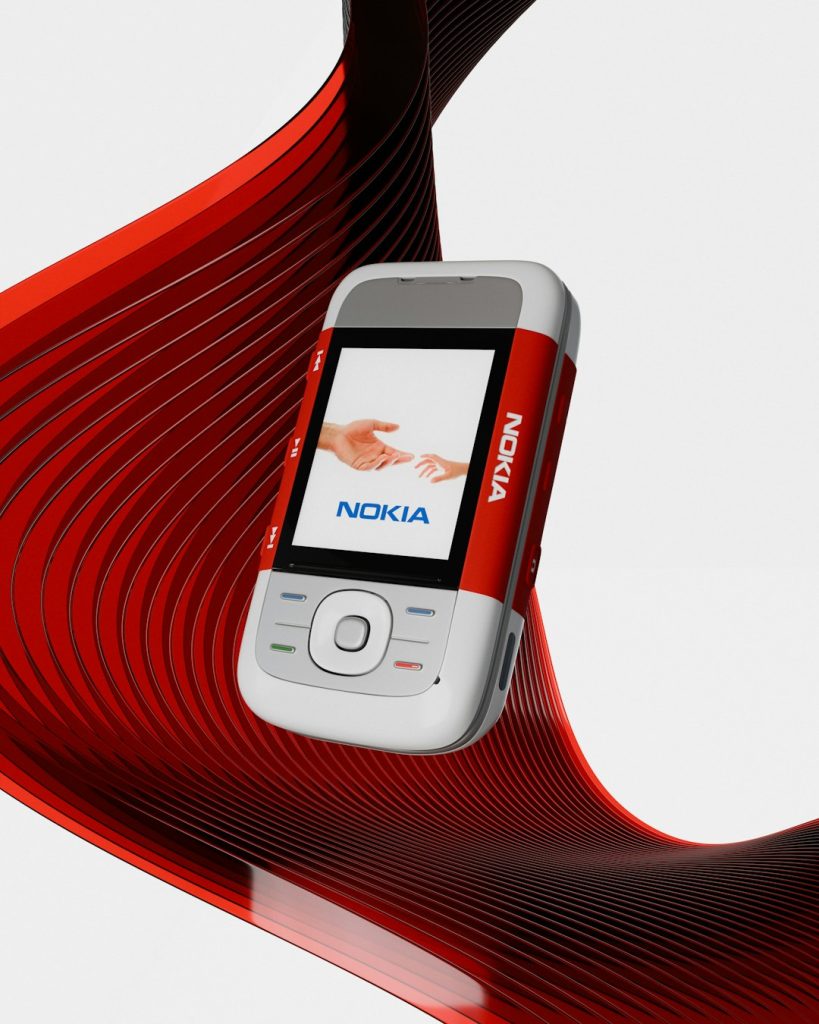
Imagine holding a piece of history in your hands, the device that marked the beginning of a new era in mobile technology. Nokia’s first smartphone wasn’t just a gadget; it was a revolution that changed how you communicate, work, and play.
If you’re curious about how this iconic phone paved the way for the smartphones you use today, you’re in the right place. This article will delve into the story behind Nokia’s groundbreaking innovation, uncovering the secrets that made it a game-changer.
With every scroll, you’ll discover the fascinating details of Nokia’s journey from a simple mobile phone to a smart device that could fit in your pocket, making it impossible to resist reading to the end.

Credit: community.oneplus.com
Nokia’s Journey To Innovation
Nokia began its journey into the smartphone world with the Nokia 9000 Communicator in 1996. This device combined phone capabilities with personal computer features. It marked a significant step in mobile technology, paving the way for future innovations.
Nokia’s journey to innovation is a story of resilience, creativity, and a relentless pursuit of excellence. Known for its indestructible phones and iconic ringtone, Nokia has always been a pioneer in the mobile phone industry. But how did Nokia make the leap to smartphones, and what lessons can we learn from their journey?The Beginning Of A New Era
Nokia’s first smartphone marked a significant shift from its traditional mobile phones. By embracing new technology, Nokia aimed to offer more than just a device for calls and texts. The first smartphone was a bold step into a future where phones would become personal assistants. Do you remember the first time you used a smartphone? The experience was transformative, wasn’t it? Nokia wanted to provide that same experience to its users, pushing boundaries to integrate the internet and apps into a single device.Challenges And Triumphs
Transitioning from feature phones to smartphones wasn’t without its hurdles. Nokia had to overcome technological challenges and fierce competition in the market. The company’s engineers worked tirelessly to ensure their smartphone was user-friendly and packed with features that would appeal to their loyal customer base. Imagine trying to balance innovation with simplicity—it’s a daunting task. Yet, Nokia’s perseverance paid off, and they successfully launched a product that was both innovative and easy to use.Inspiring Innovation In Others
Nokia’s journey to innovation has inspired many companies and individuals alike. Their approach to product development emphasized listening to customer needs and adapting to changes in technology. This mindset is crucial for anyone looking to innovate in their own field. How can you apply Nokia’s lessons to your own projects? Consider focusing on the needs of your audience and being open to new ideas. Nokia’s story teaches us that innovation is a continuous process, not a one-time event.The Legacy Of Nokia’s First Smartphone
Nokia’s first smartphone left a lasting impact on the mobile industry. It set the stage for future advancements and paved the way for the smartphones we use today. The company’s commitment to quality and innovation remains a benchmark for others to follow. Reflecting on Nokia’s journey, it’s clear that taking risks and embracing change can lead to remarkable achievements. What risks are you willing to take to innovate and improve in your own life or business? Nokia’s story is a testament to the power of innovation and the importance of staying ahead in a rapidly evolving world. Their journey serves as a reminder that with determination and a clear vision, anything is possible.Birth Of The First Nokia Smartphone
Nokia introduced its first smartphone, the Nokia 9000 Communicator, in 1996. This innovative device combined phone, internet, and messaging features. It marked Nokia’s entry into the smartphone market.
The birth of the first Nokia smartphone marked a pivotal moment in mobile technology. Back in the day, Nokia was synonymous with reliability and simplicity. But with the dawn of the smartphone era, Nokia decided to step into this new frontier, forever altering its path and influencing millions of users worldwide.Inception And Development
The inception of Nokia’s first smartphone began with a bold vision. Nokia wanted to transition from traditional mobile phones to smarter devices. The development team faced the challenge of integrating more advanced features while maintaining user-friendly simplicity, a hallmark of Nokia’s brand. The journey wasn’t without its hurdles. Developers worked tirelessly to innovate without compromising on quality. They had to ensure that the new device was both cutting-edge and reliable, a balance that Nokia was determined to achieve.Key Features And Specifications
Nokia’s first smartphone came packed with features that were ahead of its time. It boasted a color display, which was a significant upgrade from the monochrome screens of the past. This made viewing photos and videos a much richer experience. The device also included a built-in camera, a feature that turned heads back then. It allowed users to capture moments on the go, a simple pleasure that has now become an everyday expectation. Connectivity was another area where Nokia excelled. The smartphone supported early forms of internet browsing, paving the way for today’s always-connected lifestyle. It was a hint of the future where accessing information would be at your fingertips, literally. Have you ever wondered how different your daily life would be without the convenience of a smartphone? Nokia’s first smartphone played a crucial role in shaping this new reality, making it an iconic piece of technology history. The first Nokia smartphone wasn’t just a device. It was the starting point of a new era, setting the stage for the mobile innovations we enjoy today.Impact On Mobile Technology
The launch of Nokia’s first smartphone marked a pivotal moment in mobile technology. It wasn’t just about introducing a new device; it was about setting a trajectory for innovation that would shape the future of mobile phones. You might remember the buzz around this device, the anticipation and curiosity it sparked in tech enthusiasts and everyday users alike. This impact was felt across the industry, influencing design and functionality for years to come.
Setting Industry Standards
Nokia’s initial smartphone introduced features that quickly became benchmarks. Think about the ease of use and reliability that Nokia was known for. The smartphone came with a user-friendly interface and a robust build. This set expectations for durability and simplicity in future smartphones.
Consider how manufacturers began prioritizing quality and user experience. This was partly due to Nokia’s emphasis on these aspects. The bar was raised, and competitors had to catch up.
Influence On Future Designs
Design elements from Nokia’s first smartphone inspired many future models. Its sleek form and practical layout proved that functionality could go hand in hand with style. This was a game changer in a market previously dominated by bulky, impractical designs.
Look at your current smartphone—its slim design and intuitive interface owe much to early Nokia innovations. It’s fascinating how a single device can steer an entire industry toward better aesthetic and functional standards.
Have you ever considered how your phone’s design might have been different without Nokia’s influence? The ripple effect of their early choices continues to shape the devices we use daily.
Credit: www.reddit.com
Market Reception And User Experience
Nokia’s first smartphone entered a competitive market. Many were curious about its performance. The device had a lot to prove. With its release, the smartphone landscape shifted. Users were eager to try something new. The phone’s features had people talking. Its design attracted attention. People wanted to see how it compared to others.
Consumer Reactions
The smartphone received mixed reactions. Some praised its sturdy design. Others loved its simple interface. Many found it easy to use. The battery life impressed users. Yet, some felt the phone lacked certain features. Despite this, the phone gained a loyal following. It was a topic of conversation among tech enthusiasts.
User Feedback And Adaptation
User feedback was crucial for Nokia. Many users appreciated the phone’s durability. Others liked the clear display. Some users adapted quickly to its features. They found navigating the phone intuitive. Feedback helped Nokia improve future models. Listening to users was vital for success.
Challenges And Competition
Nokia’s first smartphone faced numerous challenges and intense competition. Entering the smartphone market, Nokia had to contend with established players and emerging technologies.
Rival Brands And Technologies
Apple and Samsung were strong competitors. They had already captivated consumers with innovative designs. Their smartphones offered advanced features and a seamless user experience. Nokia needed to match their technologies. It was crucial to offer unique features to stand out.
Android and iOS dominated the market. Nokia had to choose a strategic operating system. The decision was vital for app compatibility and user experience. Consumers wanted easy access to popular apps. Nokia’s choice would greatly impact its success.
Market Challenges Faced
Nokia entered a saturated market. Many brands competed for attention. Consumers were loyal to existing brands. Gaining their interest was challenging. Price sensitivity was another hurdle. Many consumers opted for affordable options. Offering value at a competitive price was essential.
Technological innovation was rapid. Staying up-to-date was crucial for survival. Nokia needed to invest in research and development. The demand for cutting-edge features was high. Meeting these expectations was a constant battle.

Credit: www.wsj.com
Legacy Of Nokia’s First Smartphone
The legacy of Nokia’s first smartphone is a fascinating journey that reshaped the mobile industry. It marked Nokia’s transition from being a leader in mobile phones to a key player in the smartphone arena. This pioneering move not only impacted Nokia’s trajectory but also left a lasting influence on the design and functionality of modern smartphones.
Long-term Effects On Nokia
Nokia’s first smartphone laid the groundwork for its future innovations. The brand, known for its sturdy and reliable phones, ventured into uncharted territory with features that were ahead of their time.
These early innovations positioned Nokia as a household name, setting standards for quality and usability. Yet, as competition grew fierce, Nokia faced challenges in keeping up with rapid technological advancements.
One might wonder—did Nokia’s initial success in smartphones inadvertently contribute to its later struggles? While its pioneering spirit was commendable, adapting to new trends became crucial.
Continuing Influence On Smartphones
Even today, Nokia’s first smartphone echoes through the tech world. The design principles and user-friendly interfaces influenced many smartphone manufacturers who followed.
Features like durability and battery longevity, which Nokia emphasized, are still sought after by consumers. These elements highlight the brand’s foresight in prioritizing what truly matters to users.
As you choose your next smartphone, consider the enduring qualities that Nokia brought to the forefront. Would modern devices be as reliable without the groundwork laid by Nokia’s first smartphone?
Nokia’s first smartphone was more than a device; it was a catalyst for change. It encouraged brands to innovate and prioritize user experience. As you navigate the tech landscape, remember the legacy that began with Nokia’s bold leap.
Frequently Asked Questions
What Is Nokia’s First Smartphone Called?
Nokia’s first smartphone is known as the Nokia 9000 Communicator. Released in 1996, it combined mobile phone capabilities with computing features. It marked Nokia’s entry into the smartphone market, offering email, fax, and web browsing. This device set the stage for Nokia’s future innovations in mobile technology.
When Was Nokia’s First Smartphone Released?
Nokia’s first smartphone, the Nokia 9000 Communicator, was released in 1996. It featured advanced capabilities for its time, including email and web browsing. This release marked Nokia’s initial step into the smartphone industry, paving the way for future technological advancements in mobile communication.
What Features Did Nokia 9000 Communicator Have?
The Nokia 9000 Communicator offered email, fax, and web browsing capabilities. It had a physical QWERTY keyboard and a large LCD screen. This device combined mobile telephony with computing functions, making it a pioneering smartphone in the market. Its innovative features set a new standard for mobile communication.
How Did Nokia’s First Smartphone Impact The Market?
Nokia’s first smartphone significantly impacted the mobile industry. It introduced advanced communication features like email and web browsing. This innovation helped Nokia establish itself as a leader in mobile technology. The Nokia 9000 Communicator paved the way for future smartphone developments and influenced mobile communication trends.
Conclusion
Nokia’s first smartphone marked a new era in mobile phones. It combined style with functionality, attracting a wide audience. Many users appreciated its user-friendly design and reliable performance. This device paved the way for future innovations. Nokia showed the world how versatile phones could be.
The smartphone’s impact on technology is still felt today. Its legacy continues to inspire new creations. As we look back, Nokia’s initial steps set important trends. Simple yet effective. This smartphone made communication easier for everyone. A major step in mobile history.
Nokia’s journey started strong, leaving a lasting mark.



