
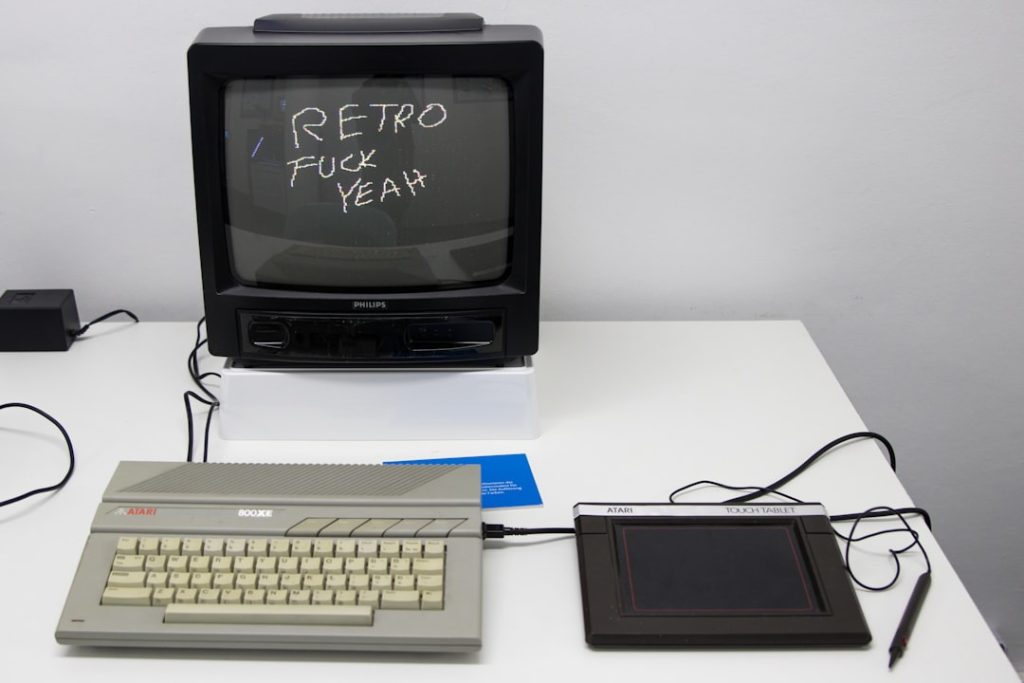
Imagine a time when computers were more than just sleek devices on your desk. Picture the hum of a monitor, the clatter of keys, and the whir of a disk drive—all encapsulated in the retro desktop computer.
This piece of technology isn’t just a relic; it’s a portal to a simpler era of computing. Do you remember the thrill of booting up your first PC or the satisfaction of mastering those early computer games? Your journey into retro desktop computers will rekindle that nostalgia and show you why these machines continue to capture the imagination of tech enthusiasts everywhere.
Dive in to discover how these iconic devices are still relevant today, and why you might want one on your desk again.
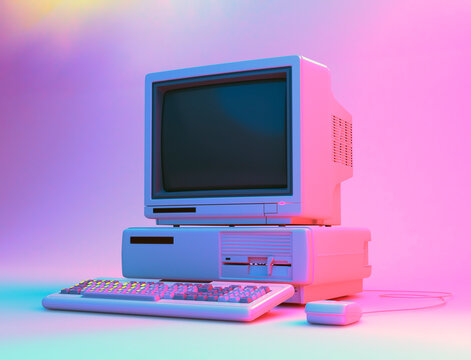
Credit: stock.adobe.com
Retro Computer Appeal
Retro desktop computers captivate with their vintage charm and nostalgic value. These classic machines evoke memories of simpler times and pioneering technology. Enthusiasts appreciate their unique design and historical significance in the evolution of computing.
The allure of retro desktop computers is something that transcends mere nostalgia. These machines take us back to a simpler time, when computing was both a novelty and an adventure. You might wonder, what is it about these bulky, humming boxes that captivates tech enthusiasts and collectors alike?The Charm Of Simplicity
Retro computers remind us of a time when technology was straightforward. There were no endless updates or complex interfaces. You could power on and start your work or play almost immediately. Their simplicity teaches a lesson in appreciating what you have. It challenges you to focus on the essentials, stripping away distractions. Have you ever tried to complete a task with just the basics at your disposal?A Window Into The Past
Retro computers serve as a tangible link to our digital history. They showcase the evolution of technology in a way that modern devices can’t. When you boot up a Commodore 64 or an Apple II, you’re experiencing a piece of history firsthand. These machines offer a unique opportunity to appreciate the progress we’ve made. They make you think: how far have we come, and where are we heading?Hands-on Learning
Tinkering with retro computers can be an educational journey. Unlike modern sealed systems, these machines invite you to open them up and explore. You can learn how components like RAM and CPUs fit together and function. This hands-on experience can spark curiosity and deepen your understanding of technology. Have you considered how this knowledge could apply to your modern-day devices?Nostalgic Gaming Experience
For many, retro computers offer the ultimate nostalgic gaming experience. Classic games with pixelated graphics and simple mechanics can be surprisingly immersive. Playing these games can take you back to a time when gaming was pure fun without microtransactions or DLCs. You might find yourself enjoying the challenge and creativity of these old-school games. Have you tried revisiting any of your childhood favorites lately?Unique Aesthetic Appeal
There’s something undeniably cool about the look of retro computers. Their chunky designs and quirky colors stand out in a world of sleek, minimalist devices. They bring a vintage vibe to any room, sparking conversations and curiosity. These machines can become a statement piece in your home or office. Have you considered how incorporating a retro computer might change the feel of your workspace? Whether you’re a collector, a tech enthusiast, or just curious, retro desktop computers offer a lot more than meets the eye. They invite you to reconnect with the roots of computing, offering both a lesson in history and a chance for hands-on exploration. So next time you see one, think about what stories it could tell and what you could learn.History Of Vintage Pcs
The history of vintage PCs offers a fascinating glimpse into the evolution of technology that has shaped the digital world we know today. From clunky machines that took up entire desks to sleek devices, each generation brought something new and exciting. Have you ever wondered how these machines transformed from simple calculators to essential household items?
The Dawn Of Personal Computing
In the 1970s, personal computers began to emerge, revolutionizing the way people interacted with technology. The Apple II, released in 1977, was a game-changer. It was one of the first computers to offer a color display, which was a big deal back then. Owning one was like having a piece of the future right in your living room.
Imagine the thrill of typing commands into a screen and watching the computer respond. You felt like a wizard casting spells, turning words into digital magic. It sparked a passion for technology in many who saw it as more than just a machine.
The Rise Of Ibm And The Pc Revolution
In 1981, IBM launched its first personal computer, the IBM PC. This marked the start of the PC revolution. It was powerful, affordable, and set a standard for hardware and software that others followed. The IBM PC was not just a machine; it was a movement that democratized computing.
With the introduction of MS-DOS, software became more versatile, allowing users to accomplish tasks that were previously unimaginable. Do you remember the excitement of loading software from floppy disks and exploring new programs?
The Advent Of Graphical User Interfaces
The 1980s also saw the rise of graphical user interfaces (GUIs), making computers more user-friendly. The Macintosh, introduced by Apple in 1984, was a pioneer in this space. It changed the way people interacted with computers by using icons and windows instead of text commands.
Suddenly, computers were not just for tech enthusiasts but accessible to everyone. You could drag and drop files, click on icons, and enjoy a visually engaging experience. Does this sound like the early steps towards the touchscreen world we live in today?
The Legacy Of Vintage Pcs
Vintage PCs laid the groundwork for the modern computing era. They taught us about innovation, adaptability, and the importance of user experience. These machines may seem outdated now, but they carry stories of perseverance and creativity.
Reflect on how far we’ve come since those early days. How can the lessons from vintage PCs inspire today’s tech enthusiasts to innovate further? Consider the legacy they leave behind and how they continue to influence the technology of tomorrow.
Iconic Models And Brands
Retro desktop computers hold a special place in the hearts of many technology enthusiasts. Their designs, functionalities, and impact on the computing world make them memorable. Let’s explore some of the iconic models and brands that shaped the way we think about personal computing.
Apple Macintosh
Apple Macintosh broke the mold with its user-friendly interface and sleek design. Introduced in 1984, it was one of the first computers to offer a graphical user interface instead of text commands. Do you remember the thrill of seeing icons and windows instead of typing line after line of code?
The Macintosh was more than just a computer; it was a statement. It showcased Apple’s commitment to making technology accessible to everyone. The vibrant ads with the famous “1984” commercial made it clear: Apple was here to change the game. Did you own one of these iconic machines?
Commodore 64
The Commodore 64 holds the title as one of the best-selling computer models of all time. Its affordability and versatility made it a household staple in the 1980s. The question is, did it find a place in your home?
With its rich library of games and software, the Commodore 64 offered endless entertainment. Remember the sound of the floppy disk drive as it loaded your favorite game? It wasn’t just a computer; it was a gateway to digital adventures.
Ibm Pc
The IBM PC revolutionized the business world with its robust performance and expandability. Launched in 1981, it set a standard for personal computing and introduced the concept of compatibility. Did you rely on it for work or play?
IBM’s open architecture allowed other manufacturers to create compatible software and hardware, laying the foundation for the modern PC industry. This innovation sparked a wave of creativity and competition. How do you think this affected the computer market?
Each of these models brought unique features and ideas to the table, and their legacy continues to influence the technology we use today. Which retro desktop computer holds a special place in your heart? Share your experiences and let’s celebrate these iconic machines together.
Design And Aesthetics
Retro desktop computers have a unique charm. Their design reflects a simpler time. Enthusiasts often admire their bold colors and chunky shapes. The nostalgia factor is strong. These machines stand out with their distinctive look.
Many find the aesthetics appealing. They offer a contrast to modern sleek designs. Retro computers bring a sense of history and personality. They remind us of early tech days. Let’s explore what makes their design so captivating.
Iconic Shapes And Sizes
Retro desktops come in various shapes. Many feature boxy designs. These shapes are instantly recognizable. They often have large, bulky monitors. This adds to their nostalgic appeal. The size and shape create a strong visual presence.
Vibrant Colors And Unique Patterns
Colors play a major role. Retro computers often sport vibrant hues. Bright yellows, bold reds, and deep blues are common. Some models feature unique patterns. This makes each machine feel special. The colors are eye-catching and memorable.
Distinctive Logos And Branding
Logos are a key part of retro design. Many machines display prominent branding. These logos often reflect the spirit of their time. They are sometimes playful and bold. This branding adds to the overall aesthetic charm.
Material And Build Quality
Materials used in retro computers vary. Many feature sturdy plastic cases. Some models use metal accents. This gives them a solid feel. The build quality often stands the test of time. This durability is part of their appeal.
Keyboard And Peripheral Design
Keyboards of retro computers are notable. They often have a tactile feel. Many feature distinctive key shapes and sizes. This makes typing a unique experience. Peripherals like mice and joysticks also stand out. They often match the computer’s design.
Technical Specifications
Retro desktop computers are making a comeback. They’re charming and nostalgic. Enthusiasts love their simplicity and vintage appeal. Let’s dive into their technical specifications.
Processor Power
These computers feature classic processors. Often, you’ll find Intel 486 or Pentium chips. They were powerful for their time. Today, they offer a unique experience. Performance suits basic tasks and retro gaming.
Memory And Storage
Memory was limited in the past. Expect RAM ranging from 4MB to 64MB. Storage usually comes as hard drives, with sizes up to 1GB. Some systems use floppy disks or CDs. This setup is perfect for vintage software.
Graphics Capabilities
Graphics cards in retro computers vary. Common options include VGA and SVGA cards. They support basic visuals and games. This simplicity adds to their charm. Graphics are not high definition but clear enough for old software.
Software And Applications
Retro desktop computers bring nostalgia to software enthusiasts. These machines run classic applications with a vintage charm. Their simple interfaces invite users to explore old programs and games, offering a glimpse into the past of computing technology.
When diving into the world of retro desktop computers, one cannot overlook the charm and nostalgia brought by their software and applications. These programs were the lifeblood of early computing, powering everything from work tasks to gaming adventures. Yet, what truly makes them fascinating is how they shaped the digital experiences of an entire generation.Software Compatibility And Challenges
Getting software to run on a retro desktop can be an adventurous puzzle. Many applications from the past aren’t compatible with modern operating systems. You might find yourself hunting for old installation disks or downloading emulators to relive those classic experiences. But isn’t it thrilling to solve these compatibility challenges? The satisfaction of hearing that nostalgic startup chime is worth every effort.Productivity Applications
Retro desktops were the birthplace of productivity software. Think about the joy of rediscovering early versions of word processors or spreadsheet applications. These tools may seem basic by today’s standards, yet they were revolutionary at the time. Have you ever wondered how much simpler life could be with fewer distractions? These applications offer a focused environment that modern software sometimes lacks.Gaming Adventures
The gaming scene on retro desktops was groundbreaking. Titles like “Prince of Persia” or “Doom” redefined entertainment and set benchmarks for future games. It’s fascinating how these simple graphics and sound effects could provide hours of enjoyment. What classic game would you boot up right now if you had the chance? The tactile feel of the keyboard and joystick brings a sense of nostalgia that modern gaming consoles can’t replicate.Utility Software
Utility programs were essential for maintaining system health and performance. Programs like disk defragmenters or antivirus software played a crucial role in keeping these machines running smoothly. Have you ever considered the patience required to wait for a disk cleanup process? It was a time when users were more involved in the maintenance of their systems, offering a deeper connection to their machines.Creative Applications
For those with a creative flair, retro desktops offered a range of graphic and music software. Simple paint programs and MIDI music creators allowed users to express their creativity in new digital formats. Did you ever create a masterpiece with pixel art or compose a melody using basic synthesizers? These applications provided a canvas for imagination that was both challenging and rewarding. Navigating through the software and applications of retro desktops is a journey back in time that offers unique insights into the early days of personal computing. By revisiting these programs, you not only embrace nostalgia but also appreciate the evolution of technology and its impact on our daily lives. What retro software would you love to explore again?Collecting Vintage Computers
Collecting vintage computers is like treasure hunting for tech lovers. These retro machines evoke nostalgia and showcase the evolution of technology. Each model has its unique charm and history. For many, collecting is both a hobby and a way to preserve the past.
Finding Rare Models
Rare models often hide in unexpected places. Check garage sales and estate sales. Visit local thrift stores regularly. Online auctions can be gold mines for collectors. Join forums and groups dedicated to vintage computers. Members often share tips and leads.
Evaluating Condition
Condition greatly affects a computer’s value. Inspect for signs of wear and tear. Look for missing parts or modifications. Test the computer if possible. Confirm that it powers on and functions correctly. Original packaging and manuals add to value.
Pricing And Value
Pricing varies based on rarity and condition. Research similar models to gauge price ranges. Online marketplaces offer insights into current demand. Consider the historical significance of the model. A rare model in mint condition fetches a higher price.
Restoration And Maintenance
Restoring and maintaining retro desktop computers keeps their charm alive. Regular cleaning prevents dust buildup. Replacing old parts ensures smooth operation. This care helps preserve computing history for enthusiasts and collectors.
Restoring and maintaining a retro desktop computer can be a rewarding journey, offering both nostalgia and a tangible connection to technology’s roots. These machines, often seen as relics, hold a special place for enthusiasts and collectors. But as you breathe new life into these vintage systems, it’s essential to ensure they function optimally. This involves cleaning, repairing, and sometimes finding elusive replacement parts. So, how do you go about it? Let’s dive into the nitty-gritty of restoring your retro desktop computer.Cleaning And Repairing
The first step in restoration is often cleaning. Dust and grime can accumulate over decades, affecting performance. Start by gently opening the case and using compressed air to blow away debris. A soft brush can help with stubborn particles. Once clean, inspect for visible damages. Look for loose cables or corrosion on connectors. Repairing these may be simple, like reseating a card or tightening screws. Have you considered the satisfaction of fixing a vintage keyboard or monitor? It can be a great way to enhance your computer’s authenticity.Finding Replacement Parts
Finding parts for a retro desktop can be a treasure hunt. Local thrift shops or online marketplaces like eBay can be gold mines. It’s essential to know the specific model and part numbers to ensure compatibility. Networking with other enthusiasts can also be invaluable. You might find someone willing to trade or sell that elusive graphics card you need. How often do you see someone restoring a vintage piece from the ’90s? You’d be surprised by the community’s willingness to help. Embrace the challenge of restoration and maintenance. It’s not just about fixing a machine; it’s about preserving history and enjoying the unique charm of retro computing. Are you ready to take on this journey?Modern Uses For Retro Pcs
Retro PCs are making a surprising comeback in today’s digital world. People are discovering new ways to use these old machines. They offer a unique blend of nostalgia and functionality. Let’s explore how retro computers find a place in modern life.
Nostalgic Gaming
Retro PCs are perfect for classic gaming experiences. Many old games run best on their original hardware. Gamers enjoy the authentic feel of playing on a vintage machine. The sound of a floppy disk drive adds to the nostalgia. Retro PCs bring back the joy of simpler gaming times.
Home Office Setup
Old computers can serve well in a home office. They handle basic tasks like word processing and spreadsheets. Their simplicity reduces distractions from constant notifications. A retro PC can become a reliable work companion. It adds a unique charm to your workspace.
Educational Purposes
Retro computers are great for learning about early computing. They allow hands-on exploration of classic programming languages. Students can understand the history of technology better. Working with these machines enhances problem-solving skills. Retro PCs offer a valuable educational tool for curious minds.
Community And Culture
Retro desktop computers have developed a passionate and diverse community. Enthusiasts cherish these machines for their historical value and unique aesthetics. This community engages in various activities that celebrate retro computing. They share knowledge, discuss experiences, and organize events. The culture surrounding retro computers is vibrant and inviting. It welcomes newcomers and seasoned collectors alike.
Online Forums And Groups
Online forums and groups are central to the retro computing community. They provide spaces for enthusiasts to connect and share insights. Users post questions, offer advice, and share restoration tips. These platforms foster a sense of belonging among members. They allow individuals to showcase their collections and projects. Discussions often revolve around rare models and vintage software. Online communities are a hub for learning and collaboration.
Retro Computing Events
Retro computing events offer hands-on experiences for enthusiasts. These gatherings often feature exhibitions of vintage machines. Attendees can interact with old hardware and software. Events include workshops and lectures on retro computing topics. They provide opportunities to learn about restoration techniques. Participants share stories and memories associated with retro computers. These events strengthen the community bonds and celebrate its culture.
Future Of Vintage Tech
Retro desktop computers are making a comeback. These classic machines offer a unique blend of nostalgia and functionality. Their charm lies in their simplicity and iconic designs. As technology advances, the allure of vintage tech grows stronger. People are rediscovering the joy of using retro computers. They find satisfaction in the tactile experience these machines provide. The future of vintage tech is promising, with enthusiasts exploring its potential.
Preserving History Through Retro Computers
Retro computers hold a special place in history. They represent a time when innovation was fresh and exciting. Preserving these machines allows us to keep a piece of the past alive. Museums and collectors value these computers for their historical significance. They offer a tangible connection to the early days of computing.
Modern Applications Of Vintage Tech
Vintage computers are not just relics. They can serve modern purposes too. Some enthusiasts use them for creative projects. Others find joy in programming on these old systems. Retro computers can be used for gaming, coding, or art. Their simplicity encourages creativity and exploration.
The Community Around Retro Computing
A strong community surrounds retro computing. Enthusiasts share tips and tricks online. They organize events to celebrate these machines. Forums and websites provide resources for repairs and upgrades. The community fosters a sense of belonging and shared passion.
Impact On Modern Technology
Retro computers influence modern tech trends. Their designs inspire new products today. The simplicity of vintage machines shapes user-friendly interfaces. Lessons learned from old computers improve current technologies. They remind us of the importance of usability and design.

Credit: www.amazon.com
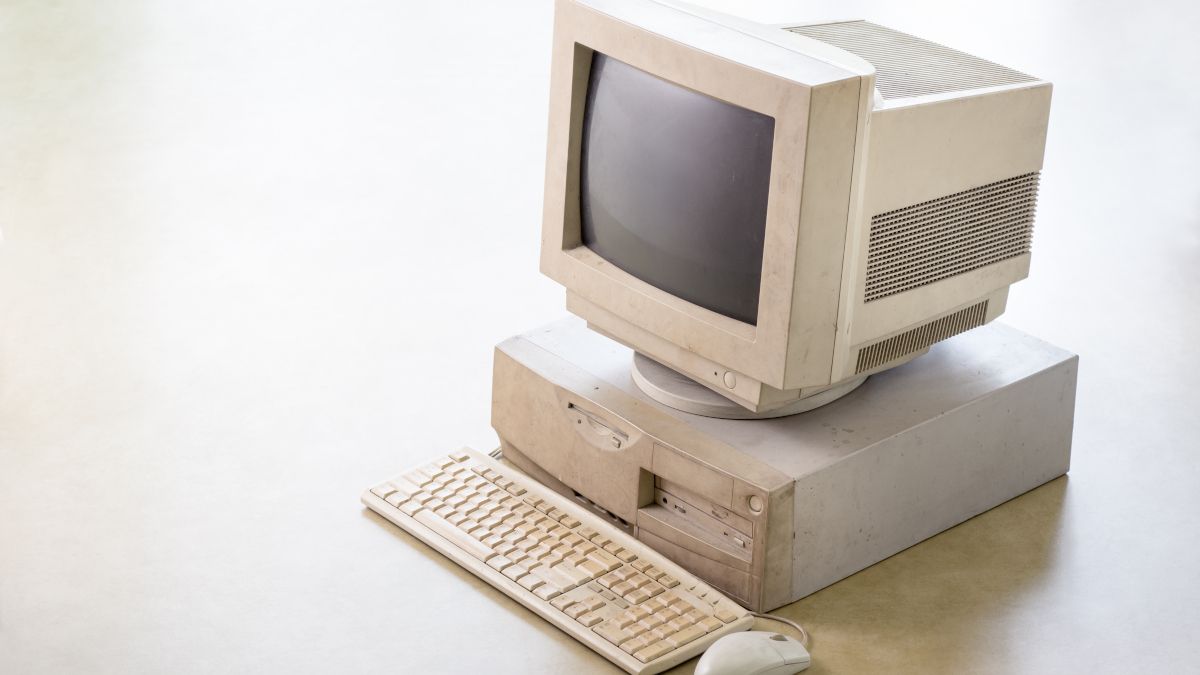
Credit: www.howtogeek.com
Frequently Asked Questions
What Is A Retro Desktop Computer?
A retro desktop computer is a vintage-style PC. It mimics older designs and functions from previous decades. These computers attract nostalgia enthusiasts who appreciate classic aesthetics. Despite their old-school look, they often feature modern technology. This blend of old and new makes them popular among collectors and tech lovers.
Where Can I Buy Retro Desktop Computers?
You can buy retro desktop computers online or at specialty stores. Websites like eBay and Etsy offer various models. Vintage computer forums and communities may have listings too. Some manufacturers produce modern retro-style PCs. These are available on their official websites or authorized retailers.
Are Retro Desktop Computers Functional Today?
Yes, retro desktop computers can be functional today. Many are restored or upgraded with modern components. This allows them to run current software and connect to new peripherals. They’re often used for retro gaming or as unique home office setups.
Their functionality depends on the specific model and modifications.
How Do Retro Desktops Differ From Modern Pcs?
Retro desktops differ from modern PCs in design and components. They have classic aesthetics and often feature older ports. Internally, they might use vintage hardware or modern upgrades. Modern PCs focus on high performance and sleek designs. Retro models blend nostalgia with contemporary technology for unique appeal.
Conclusion
Retro desktop computers hold a special place in tech history. They offer a glimpse into the past. These machines remind us of simpler times. Their unique design and functionality captivate enthusiasts. Collectors find joy in preserving this vintage technology. For some, it’s about nostalgia.
For others, it’s about the challenge of restoration. Retro desktops spark curiosity and inspire creativity. They stand as icons of innovation. Whether for hobby or study, these computers remain relevant. Explore them. Appreciate their charm and legacy. Retro desktops connect us to the evolution of technology.
They tell stories of progress and change.



