
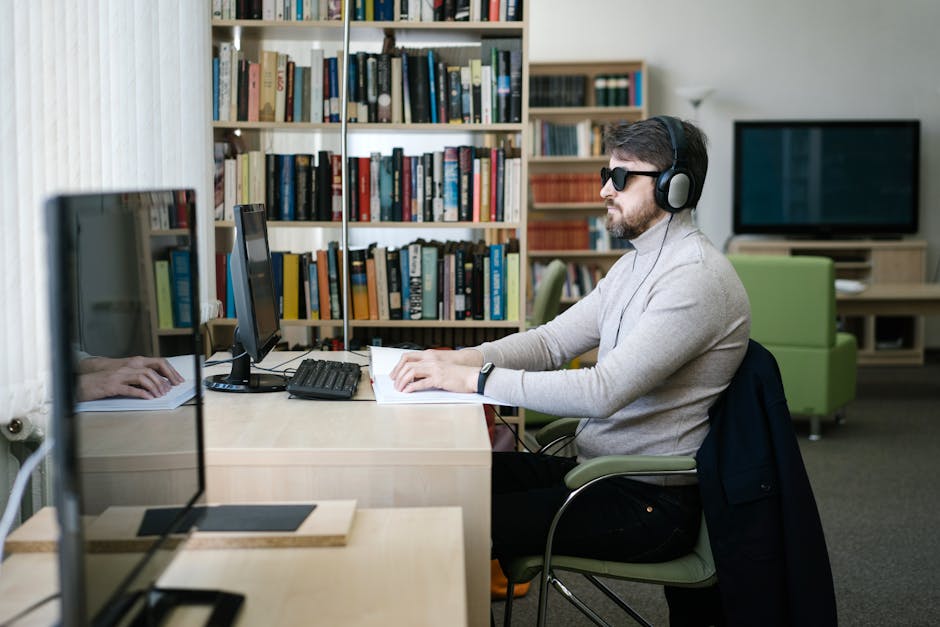
Imagine being able to absorb information effortlessly and enjoyably, just by watching and listening. That’s the magic of being an audio visual learner.
If you find that a lecture sticks in your mind better than a textbook, or that a documentary teaches you more than a written report, you might be tapping into your natural learning style. But how can you make the most of this?
How can you tailor your study habits to suit your unique way of understanding the world? Here, you’ll discover effective strategies to enhance your learning experience, boost your memory, and maybe even enjoy studying a little more. Dive into this guide to unlock the potential of your audio visual learning style.
Understanding Audio Visual Learning
Grasping the concept of an audio visual learner involves recognizing how they combine sight and sound for better understanding. This learning style harnesses videos, diagrams, and audio cues to boost comprehension and retention. Engaging multiple senses helps in processing information more effectively and aids memory recall.
Audio visual learning is a unique style that combines both auditory and visual elements to enhance understanding and retention. If you find yourself drawn to videos, presentations, and sound-rich materials, you might be an audio visual learner. This learning style taps into the power of both seeing and hearing, making it a dynamic and effective way to absorb information. It’s more than just watching or listening—it’s about engaging with content in a way that brings concepts to life.What Is Audio Visual Learning?
Audio visual learning involves using both sight and sound to understand and remember information. Think of it as watching a documentary with powerful visuals and a compelling narration. This approach can make complex topics easier to digest. When you engage multiple senses, you deepen your comprehension and create stronger memory connections. Audio visual learning can make studying more enjoyable and less tedious. Engaging with videos or audio clips can break the monotony of reading textbooks. This method can also improve your ability to recall information during exams or presentations. Imagine watching a historical event unfold on screen, making it far more memorable than reading about it in a book.How To Identify If You Are An Audio Visual Learner
Do you find yourself nodding along to lessons that include videos or podcasts? If yes, you might be an audio visual learner. Pay attention to how you respond to different teaching methods. Notice if you prefer watching tutorials over reading instructions. Your learning preference could guide you towards more effective study strategies.Practical Tips For Audio Visual Learners
Try using online educational videos or podcasts to supplement your learning. When studying, create mind maps with images and audio notes. These tools can help you connect ideas visually and audibly. Don’t shy away from recording lectures or discussions. Listening to them later can reinforce what you’ve learned and clarify any doubts.Challenges And Solutions For Audio Visual Learners
One challenge might be finding high-quality audio visual resources. Start by exploring reputable educational platforms like Khan Academy or YouTube EDU. You might also struggle with distractions from background noise or visuals. Try using headphones to focus on the audio or a quiet environment to minimize interruptions. Are you leveraging your learning style to its fullest potential? By understanding and embracing audio visual learning, you can turn studying into an engaging and productive experience.
Credit: www.researchgate.net
Characteristics Of Audio Visual Learners
Audio visual learners thrive on seeing and hearing information. They often use videos, diagrams, and sounds to understand concepts better. This learning style is unique and has distinct traits that can help one excel in their studies.
Visual Preference
These learners prefer pictures over text. They remember images more easily. Diagrams, charts, and graphs help them grasp ideas swiftly.
Auditory Strength
Sounds and spoken words enhance their learning. Listening to lectures and discussions provides clarity. Podcasts and audio books are their favorite tools.
Combination Learning
Both visuals and sounds aid their comprehension. Watching videos that explain concepts can be very effective. They often replay audio clips to reinforce knowledge.
High Engagement
They engage actively during presentations. Asking questions and participating in discussions boosts their understanding. Interactive sessions are highly beneficial for them.
Memory Techniques
They use mnemonic devices to remember facts. Rhymes and jingles make recall easier. Visualization techniques are also a common practice.
Preference For Multimedia
Multimedia resources enhance their learning experience. Digital tools like apps and online platforms are preferred. They often choose educational videos for studying.
Benefits Of Audio Visual Learning
Audio visual learning combines sound and imagery to enhance understanding. This method supports diverse learning styles and boosts retention. It engages multiple senses, making lessons memorable. Students often find it easier to grasp complex concepts. Let’s explore the benefits of audio visual learning.
Enhanced Retention And Recall
Audio visual tools aid memory retention. They create strong mental images. These images make recall easier during exams. Students remember lessons better with visual aids. This leads to improved academic performance.
Engagement And Motivation
Interactive videos and graphics capture attention. They keep learners engaged throughout lessons. Motivation increases when learning is fun. Students participate more actively when lessons include visuals. They feel more involved in their education.
Better Understanding Of Complex Concepts
Visual aids simplify complicated ideas. They break down information into digestible parts. Graphs and charts offer clear explanations. These tools help clarify abstract theories. Learners grasp concepts without confusion.
Catering To Different Learning Styles
Not everyone learns the same way. Audio visual methods cater to varied preferences. Some students prefer watching videos over reading. Others benefit from listening to audio files. This approach accommodates diverse needs.
Real-life Application Of Knowledge
Audio visual learning connects theory with practice. It shows real-world examples in lessons. Students see how concepts apply outside the classroom. This relevance increases understanding. They feel prepared for real-life situations.
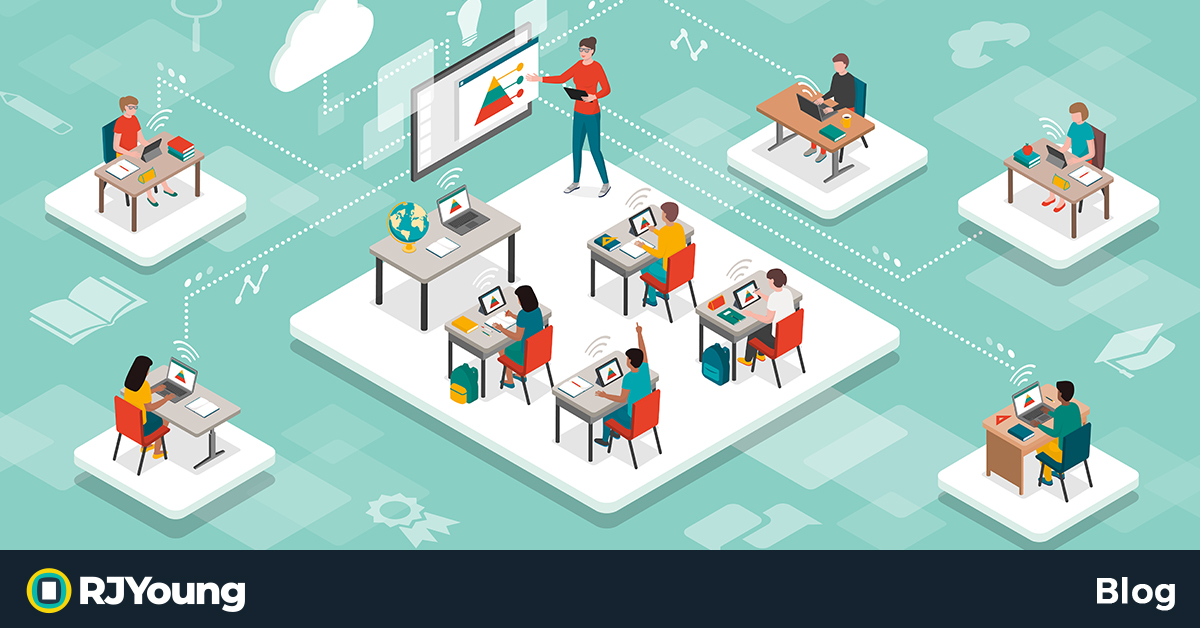
Credit: blog.rjyoung.com
Techniques For Effective Audio Visual Learning
Audio visual learners thrive on seeing and hearing information. Techniques like using videos and images can enhance understanding. Interactive presentations and discussions help engage these learners effectively.
Techniques for Effective Audio Visual Learning Learning styles vary among individuals. Audio visual learners absorb information through sound and sight. They benefit from integrating multimedia resources, visual aids, and audio materials. This approach enhances retention and understanding.Utilizing Multimedia Resources
Multimedia combines audio, video, and graphics. It appeals to both hearing and visual senses. Videos, podcasts, and interactive simulations are valuable tools. They provide diverse ways to engage with content. Educational platforms offer rich multimedia resources. They support varied learning styles. Choose high-quality materials relevant to the topic. This enriches the learning experience.Incorporating Visual Aids
Visual aids enhance comprehension. Charts, graphs, and diagrams present information clearly. They simplify complex data. Mind maps organize thoughts and ideas. They help in connecting concepts. Slideshows create dynamic presentations. They maintain attention and interest. Always ensure visuals are clear and concise. This aids effective learning.Engaging With Audio Materials
Audio materials offer flexible learning options. Audiobooks and recorded lectures are convenient for on-the-go learning. They allow repetition, aiding memory retention. Podcasts provide insights from experts. They cover a wide range of topics. Listening exercises improve pronunciation and understanding. Audio resources complement visual learning. Choose content that suits your interests and needs.Tools And Resources
Audio visual learners benefit from tools like educational videos, interactive apps, and colorful charts. These resources help them understand concepts more effectively. They engage both sight and sound, offering a richer learning experience.
When you’re an audio-visual learner, the right tools and resources can make all the difference in how effectively you grasp new information. Traditional learning methods may not always cater to your strengths, but fortunately, there are countless options designed specifically for you. Let’s dive into some of the best resources available that can enhance your learning experience and make it more engaging.Educational Videos And Podcasts
Educational videos and podcasts can be a game-changer for audio-visual learners. Platforms like YouTube and TED-Ed offer a vast array of educational content in video format. Whether you’re interested in science, history, or arts, there’s something for everyone. Listening to podcasts is another fantastic way to absorb information. They allow you to learn on the go. Imagine soaking up knowledge while on a morning jog or during your commute. Try exploring platforms like Spotify or Apple Podcasts to find topics that pique your interest.Interactive Learning Platforms
Interactive learning platforms provide a hands-on approach to education. Websites like Khan Academy and Coursera offer courses with engaging video lessons and quizzes. These platforms often include forums for discussions. This means you can engage with other learners and instructors, enhancing your understanding of the subject matter. Have you tried using these platforms to boost your learning journey?Apps And Software Solutions
In today’s digital age, apps and software solutions are indispensable for audio-visual learners. Apps like Duolingo make learning a new language fun with visual and audio cues. Software like MindMeister can help you organize thoughts visually. Creating mind maps with images and colors can significantly aid memory retention. Have you ever considered how an app might simplify your learning routine? Choosing the right tools can transform your learning experience. Explore these resources and discover which ones resonate with your learning style.Challenges And Solutions
Audio visual learners face unique challenges. They need to balance both audio and visual inputs. Distractions can hinder their learning process. Yet, there are solutions that can help. Understanding these can improve their learning experience.
Overcoming Distractions
Distractions come easily to audio visual learners. Bright colors or loud sounds can divert attention. It’s crucial to create a focused environment. Use quiet rooms with minimal visual stimuli. Encourage short breaks to reset focus.
Balancing Audio And Visual Inputs
Finding the right balance is essential. Too much audio can overwhelm. Excess visual input can confuse. Combine clear visuals with simple audio instructions. Use diagrams with brief explanations. This keeps engagement high without overload.
Personalizing Learning Experiences
Each learner is unique. Personalization makes learning effective. Tailor lessons to individual preferences. Some may prefer videos, others diagrams. Offer choices in learning materials. This caters to their specific needs and boosts comprehension.
Tips For Maximizing Learning Potential
Every audio-visual learner has a unique way of absorbing information. But how can you make the most of your learning style? By focusing on specific strategies, you can maximize your learning potential. Imagine turning your study sessions into a powerhouse of knowledge absorption. Whether you’re mastering a new skill or preparing for exams, these tips will help you harness your audio-visual strengths.
Creating A Conducive Environment
Your environment plays a significant role in how effectively you learn. Think about your study space — is it cluttered or distracting? A clean, organized area can help you focus better. Consider adding visual aids like charts or videos that cater to your learning style.
Adjust lighting to prevent eye strain and ensure your audio tools are of good quality. Background noise can be a hindrance; try noise-cancelling headphones to keep distractions at bay. Does your study space inspire you to learn?
Setting Clear Learning Goals
Setting goals is essential for any learner, but for audio-visual learners, clarity is key. Define what you want to achieve in each session, whether it’s understanding a concept or memorizing facts. Use visual aids like mind maps or color-coded notes to outline these goals.
Break down larger tasks into smaller, manageable steps. This method not only makes learning less overwhelming but also allows for consistent progress tracking. Are your goals challenging yet achievable?
Consistent Practice And Review
Consistency is your best friend when it comes to mastering audio-visual learning. Regular practice strengthens memory retention and understanding. Set aside dedicated time each day for reviewing your materials using videos or audio recordings.
Utilize apps or software that offer interactive exercises tailored to your style. Repetition is powerful — the more you engage with the material, the more adept you become. How can you integrate practice into your daily routine?
Implementing these strategies can transform your learning experience, making it both effective and enjoyable. Remember, the key is to tailor these tips to fit your personal needs. What changes will you make to unlock your full potential?
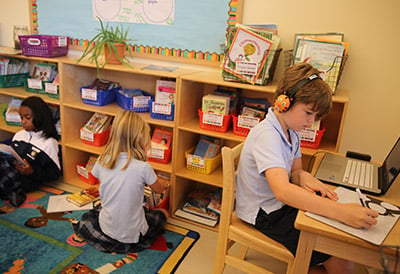
Credit: www.whitbyschool.org
Real-life Success Stories
Learning can be a diverse journey. Each person has their unique way of grasping concepts. For audio-visual learners, stories of success can be inspiring. These individuals thrive with sounds and images. Their learning style leads to achievements in various fields. Let’s explore some real-life success stories.
1. John’s Journey in MusicJohn struggled with books in school. His world changed with music lessons. He discovered a passion for sounds. Listening and observing were his strengths. John excelled in musical composition. Today, he is a renowned composer. His ability to learn through audio-visual methods paved his way to success.
2. Sarah’s Artistic AchievementsSarah found reading difficult. Art classes opened new doors for her. Her love for colors and shapes grew. Watching tutorials helped her learn faster. Sarah honed her skills by observing artists. Now, her paintings are celebrated worldwide. Her audio-visual learning style brought her fame.
3. David’s Innovative DesignsDavid was fascinated by technology. He learned best by watching videos. His curiosity led him to graphic design. Tutorials and visual guides were his teachers. David designed software that is now essential in tech industries. Audio-visual learning empowered him to innovate.
4. Emma’s Educational ImpactEmma aimed to be a teacher. Her challenge was traditional reading. She embraced audio-visual tools. Videos and interactive content were key. Emma created engaging lessons for her students. Her teaching methods are now adopted globally. She influenced education with her style.
5. Mike’s Story in FilmmakingMike loved watching films as a child. Visual storytelling captivated him. He pursued filmmaking with enthusiasm. Observing directors taught him valuable lessons. Mike’s films are celebrated for their creativity. His audio-visual learning approach shaped his career.
Frequently Asked Questions
What Is An Audio Visual Learner?
An audio visual learner is someone who learns best through hearing and seeing. They prefer using videos, audio clips, and visual aids. This learning style helps them retain and comprehend information more effectively than traditional methods.
How Can Audio Visual Aids Enhance Learning?
Audio visual aids engage multiple senses, boosting retention and understanding. They make complex concepts easier to grasp and improve memory recall. These aids provide interactive and dynamic ways to learn, making the process enjoyable and effective.
Why Is Visual Learning Effective For Many?
Visual learning simplifies complex ideas through images and diagrams. It enhances comprehension and retention by presenting information in a clear, concise manner. This method helps learners process information faster and retain it longer.
How Do Audio Learners Benefit From Sound?
Audio learners benefit by processing information through listening. They excel with lectures, discussions, and audio resources. Sound helps them understand concepts better and retain information more efficiently.
Conclusion
Understanding audio visual learning styles benefits everyone. It enhances comprehension and retention. Visual aids and audio cues together create stronger learning experiences. Students grasp complex concepts more easily. Teachers can engage learners effectively. This style suits diverse learning environments. Both classroom and online settings benefit.
Parents can support children better at home. Everyone’s learning journey becomes smoother. Adapting to this style maximizes potential. It’s essential in today’s fast-paced world. Embrace audio visual learning for personal growth. Discover its impact on your education. Enhance your learning toolkit today.



