
Have you ever wondered what sets a cell phone apart from a smartphone? You might be using one of them right now, but do you know the real difference?
It’s not just about making calls or sending texts anymore. Understanding these differences can help you choose the right device for your needs, save money, and maybe even change the way you communicate. Imagine being able to access the world at your fingertips, or simply having a reliable device for calls.
Which one suits you best? Dive into this article to discover the key features that separate these devices, and find out how the right choice can enhance your daily life. Don’t miss out on unlocking the secrets that could make your next phone purchase the smartest one yet!

Credit: www.youtube.com
Cell Phone Basics
Cell phones and smartphones differ mainly in functionality. Cell phones offer basic calling and texting features. Smartphones provide advanced capabilities like internet access, apps, and touch screens.
Understanding the basics of cell phones is essential in distinguishing them from smartphones. You may have noticed that in today’s digital world, the term “cell phone” is often used interchangeably with “smartphone.” However, there are significant differences between the two. Let’s dive into the fundamental aspects of cell phones to clarify these distinctions.Definition And Functionality
A cell phone, in its simplest form, is a mobile device designed for making and receiving calls. It was primarily created to keep people connected through voice communication. Imagine the early days when a phone’s sole purpose was to connect you with someone miles away. That’s the core functionality of a traditional cell phone. It’s straightforward, focusing on basic communication without the bells and whistles.Common Features
Cell phones generally come with a few standard features. Most have the ability to send and receive text messages. They often include a basic address book to store important contacts. Some may have minimal additional functionalities like alarms, simple games, or a calculator. Remember those tiny screens and physical buttons? Those are classic characteristics of cell phones. Think about your first cell phone. Did it have a camera or internet access? Likely not. These devices are designed to be user-friendly and straightforward, serving the primary purpose of communication. As technology has evolved, so have our expectations of what a phone should do. But understanding these fundamental aspects of cell phones helps you appreciate the leap to smartphones. Do you think a modern smartphone could function as simply as a cell phone?
Credit: commsbrief.com
Smartphone Essentials
Smartphones have become essential tools in our daily lives, offering far more than just making calls or sending texts. These devices combine the functionality of a computer with the convenience of a mobile phone, transforming how we interact with technology and the world around us. But what exactly makes a smartphone so indispensable? Let’s dive into the core features that set smartphones apart.
Definition And Capabilities
A smartphone is a mobile phone with advanced features beyond basic voice calls and messaging. It acts like a mini-computer, enabling you to browse the internet, send emails, and download apps. Think of all the times you’ve effortlessly navigated a city using your phone’s map or captured a spontaneous moment with its camera. These capabilities aren’t just convenient—they’re transformative.
Smartphones come equipped with operating systems like iOS or Android, providing a platform for applications that cater to diverse needs. Whether it’s productivity tools, social media, or entertainment, these apps enhance your everyday experience. Have you ever tracked your fitness goals or managed your finances through an app? That’s the power of a smartphone at work.
Advanced Features
Modern smartphones offer features that are game-changers. High-resolution cameras allow you to capture professional-quality photos without carrying bulky equipment. The ability to make video calls lets you connect with friends and family face-to-face, no matter where they are. Have you ever considered how these features enhance your social connections?
Another key aspect is the integration of AI and voice assistants like Siri or Google Assistant. These tools can help you find information, set reminders, or even control smart devices in your home. Imagine adjusting your home’s temperature or turning off lights using just your voice. It’s like having a personal assistant in your pocket.
Security features such as fingerprint scanning and facial recognition protect your personal data, offering peace of mind. Have you ever used these features to securely access your phone or make payments? These capabilities ensure your information stays safe and accessible only to you.
In essence, smartphones aren’t just phones—they’re your gateway to a world of possibilities. As you explore the features that make them essential, consider how they’ve changed your life. Are there ways you haven’t yet used your smartphone that could simplify or enhance your day-to-day experiences?
Technology Comparison
Understanding the difference between cell phones and smartphones can transform how you perceive everyday technology. While both devices serve the basic function of communication, they diverge significantly in their capabilities. This technology comparison will help you navigate the nuances of hardware and software differences between these two gadgets.
Hardware Differences
Cell phones often come with basic hardware designed for calling and texting. They might have a small screen, physical buttons, and a modest battery life. Think of the classic flip phones or candy bar models.
Smartphones, on the other hand, are equipped with advanced hardware. Touchscreens, powerful processors, and high-resolution cameras are standard features. Your smartphone might be your go-to device for photography, entertainment, and even work.
Have you ever been frustrated with a slow phone? Chances are, it was a cell phone with limited hardware. Smartphones, with their superior hardware, offer speed and efficiency that can significantly enhance your daily tasks.
Software Distinctions
The software in cell phones is typically straightforward. It supports basic functions like calling, texting, and maybe a few games. You won’t find complex applications or operating systems here.
Smartphones, though, run on sophisticated operating systems like Android or iOS. These platforms allow you to download apps, browse the internet, and perform a multitude of tasks. It’s like having a mini computer in your pocket.
Consider your daily routine. How often do you rely on apps to manage tasks? Smartphones accommodate this lifestyle, offering software that adapts to your needs. Cell phones, with their limited software, might leave you yearning for more functionality.
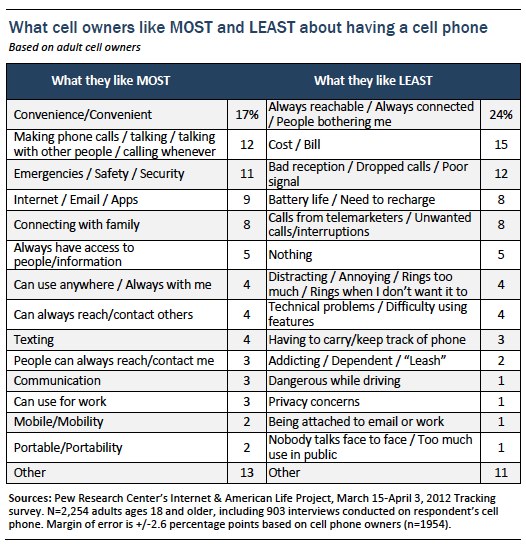
Is a smartphone indispensable for you? As technology advances, smartphones seem to be an essential tool for modern living. What’s your take on this shift from basic cell phones to multifaceted smartphones?
Credit: www.pewresearch.org
Communication Features
In today’s digital age, communication features play a pivotal role in defining the capabilities of our mobile devices. The difference between a cell phone and a smartphone is most evident in how they allow us to connect with others. Whether you’re looking to make a simple call or browse the web, understanding these differences can help you choose the right device for your needs.
Calling And Texting
Cell phones excel at basic calling and texting. They offer reliable voice call quality and straightforward SMS capabilities, perfect for keeping in touch without the bells and whistles. Remember the joy of a simple phone call with a friend? That’s the essence of a cell phone.
Smartphones, on the other hand, transform these basic functions with advanced features. They allow for video calls, voice-to-text, and even messaging apps like WhatsApp or Messenger that enhance the way you communicate. Imagine having a face-to-face conversation with someone halfway across the world—smartphones make it possible.
Internet Connectivity
Internet connectivity is where smartphones truly shine. While traditional cell phones may offer limited internet access, smartphones provide seamless browsing, email access, and social media connectivity. A smartphone is your gateway to the digital universe.
Think about checking your email on the go or scrolling through your favorite social media feed. Smartphones make this effortless with fast data speeds and intuitive interfaces. But do you really need constant internet access, or are you just following the trend?
With a cell phone, you’re less likely to get distracted by endless notifications or social media updates. This can be a blessing if you’re looking to simplify your life and focus on more personal interactions.
Ultimately, the choice between a cell phone and a smartphone boils down to how you want to communicate. Are you content with basic calling and texting, or do you crave the connectivity and versatility that smartphones offer? Reflect on your communication needs and choose wisely.
Applications And Usability
Cell phones offer basic communication features like calling and texting. Smartphones go beyond with internet access, apps, and multimedia capabilities. While both serve communication needs, smartphones enhance user experience with advanced technology.
In the world of mobile devices, understanding the difference between a cell phone and a smartphone can help you make informed choices based on your needs. While both devices serve the primary purpose of communication, the applications and usability set them apart in significant ways.App Ecosystem
The app ecosystem of smartphones is vast and diverse. You can access thousands of applications ranging from social media platforms to productivity tools. With the ability to download apps from stores like the Apple App Store or Google Play Store, your smartphone becomes a personalized digital hub. On the other hand, traditional cell phones offer limited app capabilities, often restricted to basic functions like texting and calling. Imagine using your phone only for calls; while it might sound freeing, you miss out on tools that can streamline daily tasks. Have you ever found yourself lost without Google Maps? That’s a smartphone advantage.User Interface
Smartphones provide a user-friendly interface with touchscreens that respond to gestures like swiping and tapping. Navigating through apps and settings is intuitive, making it easy for everyone, from tech enthusiasts to beginners. Cell phones typically have physical buttons with a basic screen interface. Remember the days of typing texts using T9 on a keypad? It was a workout for your thumbs. Smartphones have revolutionized this experience, turning navigation into a seamless interaction. How often do you swipe through your social media feed without a second thought? It’s the smooth, responsive design of smartphones that make it possible. The choice between a cell phone and a smartphone often boils down to how you plan to use your device. Do you need the latest apps and a seamless interface, or are basic functions sufficient for your needs?Market Trends
In today’s rapidly evolving tech landscape, understanding the distinction between cell phones and smartphones is crucial, especially as market trends shape the future of communication devices. With the advent of cutting-edge technology, the market trends are not just about what’s popular now, but also about predicting what will shape consumer behavior in the coming years. Let’s dive into some key aspects that distinguish cell phones from smartphones in the current market.
Adoption Rates
Adoption rates for smartphones have skyrocketed over the past decade. This surge is driven by the increasing demand for internet connectivity and multifunctional devices. According to recent statistics, over 85% of the global population now has access to a smartphone.
In contrast, the adoption rate for basic cell phones has seen a steady decline. Many users are shifting towards smartphones due to their ability to perform tasks that once required multiple devices. Are you still holding onto your old cell phone, or have you embraced the smartphone revolution?
Consumer Preferences
Consumer preferences have evolved significantly, with many individuals prioritizing features such as high-quality cameras, apps, and seamless connectivity. Smartphones cater to these preferences, offering a range of functions that go beyond making calls or sending texts.
However, there is still a niche market for basic cell phones. Some consumers prefer them for their simplicity, longer battery life, and affordability. It’s interesting to note that in regions with limited internet access, basic cell phones continue to hold substantial appeal.
Have you ever considered why you chose your current device? Was it for the latest features, or the simplicity it offers? Your choice reflects broader market trends and can provide insight into future developments in the tech industry.
Understanding these market trends not only helps you make informed decisions about your next purchase but also gives you a glimpse into the future of mobile technology. As you navigate this landscape, consider what features and functions are most important to you and how they align with your lifestyle.
Future Developments
Cell phones allow basic calls and texts, while smartphones offer internet access, apps, and multimedia functions. Future developments may further blur the lines between these devices, enhancing connectivity and capabilities. The distinction could become less significant as technology advances.
The world of mobile technology is constantly evolving, and understanding the future developments in cell phones and smartphones can be both exciting and bewildering. As technology continues to advance, the lines between these devices are becoming increasingly blurred. What does this mean for you as a user? Let’s dive into the emerging technologies and innovation potential that are shaping the future of these devices.Emerging Technologies
In the near future, both cell phones and smartphones are expected to embrace new technologies that will redefine how you interact with them. 5G networks are already making waves, promising faster internet speeds and improved connectivity. This means streaming high-definition videos and engaging in video calls with minimal lag. Artificial intelligence is another game-changer. Imagine a phone that learns your habits and suggests apps or settings based on your preferences. AI could make your device more intuitive and personal. Foldable screens are also catching attention. A phone that can switch between a standard and tablet-sized screen could change how you multitask on the go. Wouldn’t it be cool to watch a movie on a large screen and then fold it to fit in your pocket?Innovation Potential
The potential for innovation in cell phones and smartphones is vast. Consider the advancements in battery technology. Longer-lasting batteries and faster charging could mean less time plugged in and more time using your phone. Think of the convenience of charging your phone in minutes rather than hours. Another exciting development is augmented reality (AR). With AR, your smartphone can overlay digital information on the real world. Imagine using your phone camera to see navigation directions superimposed on the street in front of you. Moreover, biometric security features like facial recognition and fingerprint sensors are becoming standard. These technologies provide enhanced security, making your device more secure yet accessible with just a glance or touch. As these technologies continue to develop, ask yourself: How will they change your daily life? Will they make tasks easier or more complex? The future of mobile technology is both promising and challenging. Staying informed about these developments can help you make better choices for your personal and professional needs.Frequently Asked Questions
What Is The Main Difference Between Cell Phones And Smartphones?
Cell phones primarily offer calling and texting features. Smartphones provide advanced functionalities such as internet browsing, apps, and multimedia. Smartphones combine the basic features of cell phones with computing capabilities, making them versatile. They typically have touchscreens and operating systems that support various applications.
Do Smartphones Offer Better Internet Access Than Cell Phones?
Yes, smartphones offer better internet access than cell phones. They support high-speed data connections like 4G and 5G. Smartphones also have advanced browsers and applications for seamless internet navigation. Cell phones, however, often have limited internet capabilities.
Are All Modern Phones Considered Smartphones?
Not all modern phones are smartphones. Some basic models still focus on calling and texting. Feature phones might have limited internet access and basic apps. Smartphones offer advanced features, app support, and touchscreens, differentiating them from basic models.
Can Cell Phones Run Apps Like Smartphones?
Cell phones generally cannot run apps like smartphones. Smartphones have operating systems supporting a wide range of apps. These apps enhance user experience by providing diverse functionalities. Basic cell phones may have limited app availability and features.
Conclusion
Exploring cell phones and smartphones highlights key differences. Cell phones focus on basic calling and texting. Smartphones offer more features like apps, internet, and cameras. Smartphones act as mini-computers in your pocket. Cell phones are simpler, often cheaper. Both serve different needs in communication.
Choosing depends on your lifestyle and needs. Consider what you value most. Simplicity or advanced features? Understanding these differences helps in making the right choice. Stay connected in the way that suits you best. Both cell phones and smartphones offer unique benefits for users.