
Imagine holding a device in your hand that carries more secrets than you could ever dream. That device is your smartphone.
Every message, photo, and app tells a story, and smartphone forensics is the key to unlocking these tales. Whether you’re curious about how investigators crack cases using digital clues or you’re concerned about your own privacy, this topic will reveal the fascinating world of hidden data.
You might be surprised at what your smartphone knows about you. Ready to uncover the mysteries that lie within your pocket? Dive into our exploration of smartphone forensics to discover how experts unravel digital puzzles and what it means for you.

Credit: www.detective-store.com
The Evolution Of Smartphone Forensics
Smartphone forensics has grown rapidly, adapting to new technologies and devices. Experts now access valuable data from apps, messages, and cloud services. This evolution aids in solving crimes, ensuring digital evidence is secure and reliable.
Smartphone forensics has grown significantly over the past decade, transforming how digital investigations are conducted. In the early days, accessing data from a smartphone was a cumbersome task. Now, with advancements in technology, it has become more sophisticated, allowing investigators to unravel complex digital mysteries with precision and efficiency.The Early Days Of Smartphone Forensics
In its infancy, smartphone forensics was about trial and error. Investigators often struggled with limited tools and methods to retrieve data. I remember assisting in a case where the only option was manually sifting through phone content—tedious and prone to human error.The Shift To Advanced Software Tools
As smartphones advanced, so did the tools for forensic analysis. Software applications emerged, making data extraction more accurate and less time-consuming. Think about how quickly you can retrieve deleted messages now compared to ten years ago.Encryption And Its Challenges
With the rise of encryption, the game changed once more. Smartphones began securing user data with complex algorithms, posing new challenges for forensic experts. Have you ever wondered how investigators bypass these security measures legally and ethically?The Role Of Cloud Storage
Cloud storage added another layer of complexity and opportunity. Data isn’t just stored on the device anymore; it’s also in the cloud. Investigators must now consider remote servers and the legalities of accessing such data.Today’s Forensic Techniques
Modern forensics involves more than just retrieving call logs or text messages. It’s about understanding app data, GPS locations, and even health metrics. This progress means your smartphone reveals more about you than you might think.Looking Ahead: The Future Of Smartphone Forensics
What does the future hold for smartphone forensics? With AI and machine learning entering the scene, the possibilities are endless. How do you think these technologies will further shape the landscape of digital investigations? Smartphone forensics has come a long way, yet it continues to evolve. Staying updated with these changes is crucial, especially if you’re concerned about privacy and security. What steps will you take to stay informed about your digital footprint?
Credit: hawkeyeforensic.com
Key Tools And Techniques
Smartphone forensics plays a vital role in modern investigations. With the rise of digital devices, understanding key tools and techniques is crucial. These methods help experts gather, decrypt, and recover information from smartphones. Each technique serves a specific purpose, ensuring data is extracted securely and efficiently.
Data Extraction Methods
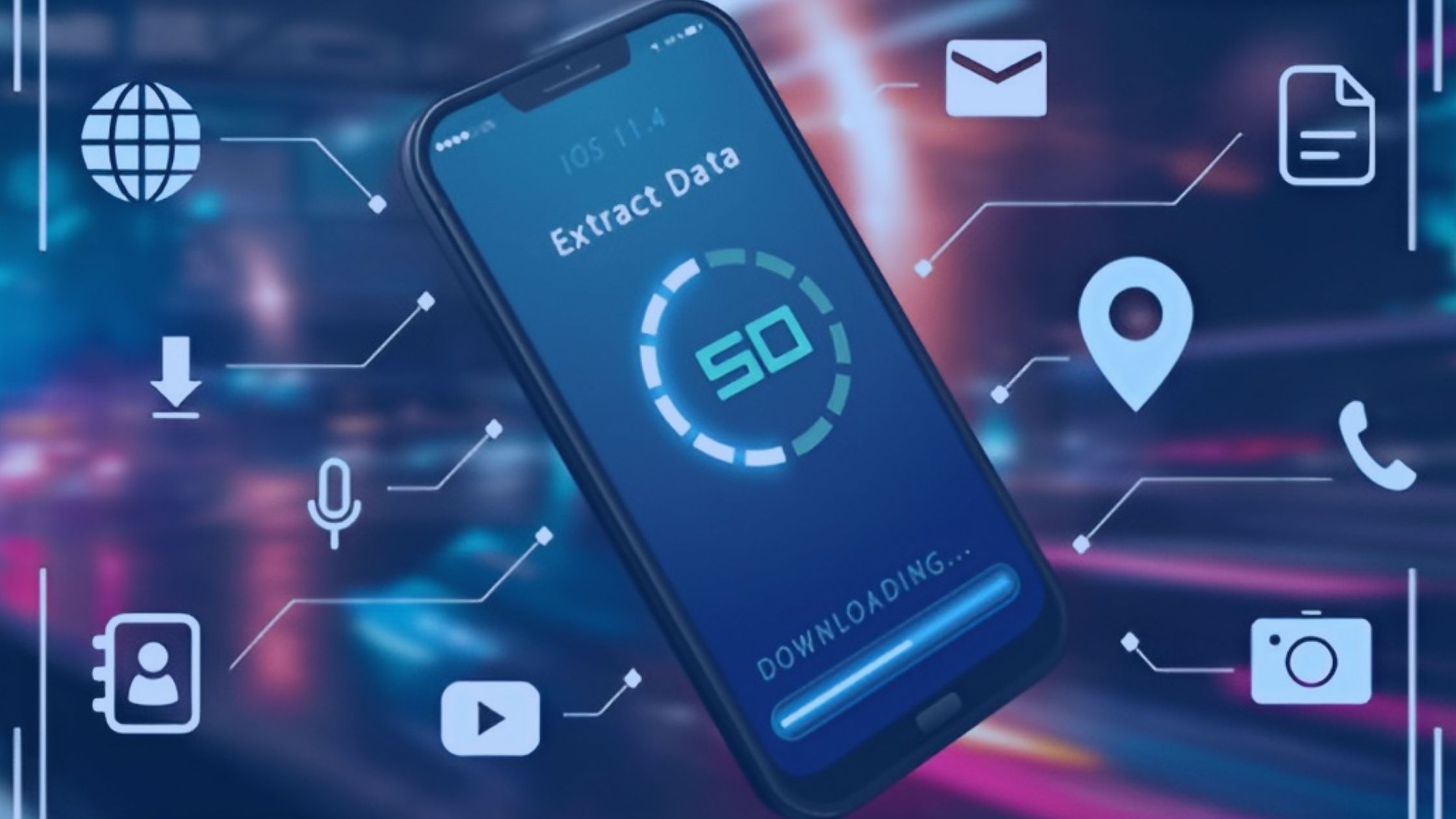
Data extraction involves retrieving information from a smartphone. Specialists use software tools to access data stored on the device. Methods include logical extraction, which copies files visible to the user. Physical extraction offers a deeper dive, accessing all data, including deleted files. Techniques vary based on device security and operating system.
Decryption And Password Bypass
Many smartphones have encryption to protect data. Forensic experts often face locked devices with passwords or encryption. They use specific tools to bypass these security measures. Decryption software helps unlock encrypted files. Some methods involve exploiting security flaws or using brute force attacks. These techniques require careful handling to avoid data loss.
Data Recovery Solutions
Recovering lost or deleted data is a key aspect of forensics. Specialists use recovery software to retrieve files from damaged or erased devices. Data recovery solutions focus on restoring photos, messages, and app data. Techniques include scanning memory sectors for remnants of deleted information. These methods are essential in investigations, offering insights into user activities.
Analyzing Mobile Data
Smartphone forensics is a fascinating field where digital detectives dive into mobile data to unravel mysteries. Whether you’re curious about how experts piece together clues or you’re considering a career in digital investigation, understanding the intricacies of mobile data analysis can be both eye-opening and empowering. From call logs to GPS data, every byte tells a story. Let’s explore how each piece of data can reveal critical insights.
Call Logs And Messaging
Call logs are more than just a record of who called whom. They can reveal patterns and connections. Imagine noticing a series of late-night calls between suspects. Each timestamp and duration can lead to deeper insights about relationships and intentions.
Messaging is equally revealing. Whether it’s SMS or encrypted app messages, the content often holds keys to motives and plans. Investigators can analyze frequency, time, and even the emotional tone of conversations. Ever wondered what your text history might say about you?
App Data And Social Media
Apps are treasure troves of information. They store user activities, preferences, and interactions. Social media apps, in particular, can show a person’s online persona and relationships.
Think about the apps you use daily. Your likes, comments, and shares can paint a vivid picture of your interests and associations. Investigators can uncover hidden connections or even locate missing persons through social media clues. Do you ever consider how much your posts reveal?
Location Tracking And Gps Data
Location tracking can pinpoint where a person has been. GPS data logs every move, offering insights into routines and unexpected detours.
Imagine retracing a suspect’s steps via GPS. You might discover visits to unusual locations or paths that intersect with crime scenes. This data can be vital in building timelines or identifying accomplices. How often do you check your location history?
Smartphone forensics is like assembling a puzzle where every piece fits into a larger picture. As you go about your daily digital interactions, consider the footprint you’re leaving behind. It’s a blend of technology and human behavior—an area that’s not just for experts but for anyone intrigued by the stories our devices tell.
Credit: www.salvationdata.com
Legal And Ethical Considerations
Smartphone forensics is a critical field that aids in crime investigation. Legal and ethical considerations are vital. They ensure the integrity of evidence and respect for individuals’ rights. Understanding these elements helps balance security needs and personal freedoms.
Privacy Concerns
Smartphones hold vast amounts of personal data. Accessing this data raises privacy issues. Investigators must be careful not to infringe on individual privacy rights. Unauthorized data access can lead to legal challenges. It’s crucial to obtain proper permissions before examining a device.
Regulatory Compliance
There are laws governing smartphone forensics. Compliance with these laws is essential for legal proceedings. Investigators must follow established protocols. This includes obtaining warrants and adhering to data protection regulations. Failing to comply can result in evidence being dismissed.
Admissibility In Court
Forensic evidence must meet specific standards to be admissible in court. Proper handling ensures evidence is reliable and credible. Chain of custody must be maintained to avoid tampering. Courts scrutinize forensic methods to ensure accuracy. Only evidence obtained legally will stand in court.
Challenges In Smartphone Forensics
Smartphone forensics is a rapidly evolving field, confronting experts with a myriad of challenges. As smartphones become more integral to our daily lives, the complexity of extracting and analyzing their data has intensified. You might wonder, what makes it so difficult to retrieve information from these devices? Let’s dive into the specific challenges that make smartphone forensics a daunting task.
Encryption And Security Features
Encryption is both a boon and a bane in smartphone forensics. While it protects your data from prying eyes, it also poses significant hurdles for forensic experts. Modern smartphones come equipped with sophisticated security features, such as biometric locks and encrypted storage, designed to keep your information safe. These features often require advanced tools and techniques to bypass, making the process slow and intricate. Have you ever thought about how secure your phone really is?
Rapid Technology Changes
Smartphone technology evolves at a breakneck speed. New models, operating systems, and apps are released constantly, each with unique forensic challenges. Keeping up with these changes demands continuous learning and adaptation. Imagine trying to solve a puzzle where the pieces change shape and color every few months. It’s a race against time for forensic experts to stay updated and effective. Can you keep pace with the tech revolution?
Data Volume And Complexity
The sheer volume and complexity of data stored on smartphones can be overwhelming. From texts and emails to multimedia files and app data, the amount of information is staggering. Analyzing this data requires robust software and skilled interpretation. Have you ever sorted through a cluttered inbox? Now multiply that by thousands. The task is daunting, but crucial for uncovering vital information. How much data do you think your phone holds right now?
Each of these challenges underscores the intricate nature of smartphone forensics. As technology advances, so too must the methods and tools used to unravel the digital threads of our lives. Are you prepared for the future of smartphone security and privacy?
Future Trends In Digital Investigation
Smartphone forensics is becoming essential in digital investigations. Advanced tools can extract and analyze data from mobile devices efficiently. Investigators use these techniques to uncover crucial evidence in cases, enhancing the accuracy of digital investigations.
In the fast-evolving world of smartphone forensics, staying ahead of the curve is crucial. As technology advances, digital investigators are continually adapting to new tools and methodologies. The future of digital investigation promises exciting developments that will enhance efficiency and accuracy. One day, during an investigation, I realized the immense potential of new technologies in uncovering hidden data. This sparked a curiosity about what lies ahead in digital investigations, and now, let’s dive into the trends shaping the future.Ai And Machine Learning Applications
AI and machine learning are transforming how investigators analyze data. These technologies can process vast amounts of information quickly, identifying patterns and anomalies that might go unnoticed by human eyes. Imagine a scenario where AI rapidly pinpoints suspicious activity in a sea of digital footprints, saving countless hours of manual labor. You might wonder how this applies to real-world cases. Picture an AI system that learns from previous investigations, improving its accuracy over time. This could lead to breakthroughs in solving complex cases with speed and precision. Are you ready to embrace this technological leap?Cloud-based Forensics
Cloud-based forensics is becoming more critical as data increasingly moves to the cloud. Investigators can access data remotely, reducing the time and resources needed for on-site data retrieval. This shift also means enhanced collaboration, with teams working together from different locations seamlessly. Consider how this could impact your workflow. Imagine accessing vital evidence from anywhere in the world, without delay. The ability to work collaboratively with experts globally can lead to more comprehensive investigations. How will you leverage cloud-based solutions in your next case?Cross-platform Investigations
In a world where people use multiple devices daily, cross-platform investigations are essential. Analyzing data across various operating systems and devices can provide a complete picture of user activity. This approach ensures no digital stone is left unturned. Have you ever faced the challenge of piecing together data from different platforms? With cross-platform tools, investigators can seamlessly integrate data from smartphones, tablets, and computers. This holistic view can be the key to solving intricate digital puzzles. Are you prepared to adapt to this interconnected approach? As these trends continue to evolve, the future of smartphone forensics looks promising. Embracing AI, cloud solutions, and cross-platform investigations will empower you to stay ahead in the digital age. Are you ready to explore the possibilities and redefine the limits of digital investigation?Frequently Asked Questions
How Does Smartphone Forensics Work?
Smartphone forensics involves extracting and analyzing data from mobile devices. It helps uncover digital evidence using specialized tools and techniques. Experts focus on retrieving messages, call logs, photos, and apps data. The process ensures data integrity while adhering to legal standards.
What Tools Are Used In Smartphone Forensics?
Smartphone forensics uses specialized tools like Cellebrite and XRY. These tools extract and analyze data efficiently. They help in recovering deleted files, messages, and other digital evidence. Forensic experts use these tools to ensure thorough investigations.
Can Smartphone Forensics Recover Deleted Data?
Yes, smartphone forensics can recover deleted data effectively. Experts use advanced tools to retrieve lost information. This includes deleted texts, photos, and app data. The process ensures crucial evidence is not lost during investigations.
Why Is Smartphone Forensics Important?
Smartphone forensics is vital for solving crimes and disputes. It provides digital evidence from mobile devices. This helps in uncovering crucial information in legal cases. Forensic analysis ensures accurate data retrieval and supports justice.
Conclusion
Smartphone forensics opens up a world of possibilities in investigations. It helps uncover hidden truths through digital evidence. This process requires skill and careful analysis. Experts use advanced tools to extract data securely. They ensure privacy while gathering information. Understanding smartphone forensics is crucial for law enforcement today.
It aids in solving crimes faster and more efficiently. This field evolves rapidly with technology advances. Staying informed about new methods is vital. Embrace the power of smartphone forensics. It enhances the fight against crime and strengthens justice systems. Protecting data integrity remains the top priority.



