

Are you torn between the nostalgic charm of a flip phone and the cutting-edge features of a smartphone? You’re not alone.
Choosing the right device can feel like a big decision, especially when you’re bombarded with options that promise to enhance your life in different ways. Imagine holding a sleek flip phone that fits snugly in your palm or a powerhouse smartphone with endless capabilities at your fingertips.
Each has its unique allure, but which one truly matches your lifestyle? This article will unravel the mystery and help you make an informed choice. Keep reading to discover which device is your perfect match and why the answer might surprise you.
Evolution Of Mobile Phones
The evolution of mobile phones is a fascinating journey. From basic communication devices to sophisticated gadgets, phones have transformed our lives. The journey showcases innovation and adaptation to user needs.
Flip Phones: A Nostalgic Era
Flip phones bring a sense of nostalgia. They were compact and durable. These phones offered basic features like calls and texts. The tactile feedback of buttons was satisfying. Many people miss the simplicity they provided. Flip phones also had a long battery life. Charging them once a week was often enough.
Smartphones: The All-in-one Device
Smartphones changed the way we live. They offer a wide range of features. With these devices, you can browse the internet and play games. Camera quality is also impressive in most smartphones. They support various apps for different needs. Communication, entertainment, and productivity are all possible on one device.
The Technological Leap
The leap from flip phones to smartphones is remarkable. This transition involved significant technological advancements. Touchscreens replaced physical buttons. Internet access became a standard feature. Smartphones also integrated GPS and cameras. Innovation continues at a rapid pace.
Impact On Daily Life
Mobile phones have changed daily life significantly. Smartphones allow for instant communication. Social media access is at our fingertips. They also help in managing schedules and tasks. These devices have become essential in modern society. The integration of technology into daily routines is seamless.
Design And Portability
When choosing between flip phones and smartphones, design and portability play a crucial role. Each has its unique appeal, catering to different needs and lifestyles. Whether you’re drawn to the nostalgia of compact flip phones or the modern elegance of sleek smartphones, understanding their design and portability can help you make an informed decision.
Compact Flip Phones
Flip phones offer simplicity in design. Their compact size makes them easy to slip into your pocket or purse. You can feel the satisfying click as you close the phone, keeping the screen protected.
These devices are ideal for those who prioritize portability without fuss. Imagine being able to carry your phone without the bulk—perfect for a night out or a casual day when you don’t want to be weighed down.
Flip phones also appeal to those who prefer minimal distractions. With fewer apps and notifications, you can focus on real-life interactions. Does a simpler design mean a simpler life for you?
Sleek Smartphones
Smartphones boast a sleek design that often feels like a fashion statement. Their thin, smooth surfaces can be both visually appealing and functional. You have the whole world at your fingertips, with endless apps and features.
Despite their size, smartphones have become incredibly portable. Consider the convenience of having a powerful device that fits comfortably in your hand, yet offers so much.
They offer a seamless experience, from browsing the web to capturing high-quality photos. Are you ready to embrace the modern world with style and substance?
In the end, your choice between flip phones and smartphones might depend on your lifestyle and preferences. Which design speaks to you more? Is it the nostalgia and simplicity of a flip phone or the sleek, multifunctional allure of a smartphone?
User Experience
When it comes to choosing between a flip phone and a smartphone, the user experience is a key factor to consider. How do these devices make you feel in your daily interactions? Does simplicity outweigh modern convenience? Let’s dive into the nuances of user experience with these two types of phones.
Interface Simplicity
Flip phones offer an interface that speaks to those who crave simplicity. With physical buttons, you’re less likely to accidentally call your friend at midnight or open apps without intending to. Remember those days when texting involved tapping a button multiple times? It was a workout for your fingers but made every message intentional.
Do you miss that simplicity or find it cumbersome now? Flip phones limit distractions, keeping your focus sharp. There’s beauty in this simplicity. It’s like the difference between reading a printed book and being absorbed in an e-reader’s endless options.
Touchscreen Interactivity
Smartphones bring a world of touch-based interactions right to your fingertips. With a swipe, you can navigate from social media to news updates, all within seconds. This interactivity feels intuitive, like having a magic wand that responds to your every gesture.
Smartphones provide instant access to information and entertainment. You can customize your screen layout, allowing personalization at a level flip phones simply cannot offer. But does this endless possibility sometimes feel overwhelming? Are you caught between the allure of touch and the nostalgia of tactile buttons?
While flip phones offer simplicity, smartphones open a universe of interactive experiences. Which user experience aligns with your lifestyle? Do you value simplicity over functionality, or does the touchscreen interactivity of a smartphone enhance your daily life? Your choice reflects your priorities.
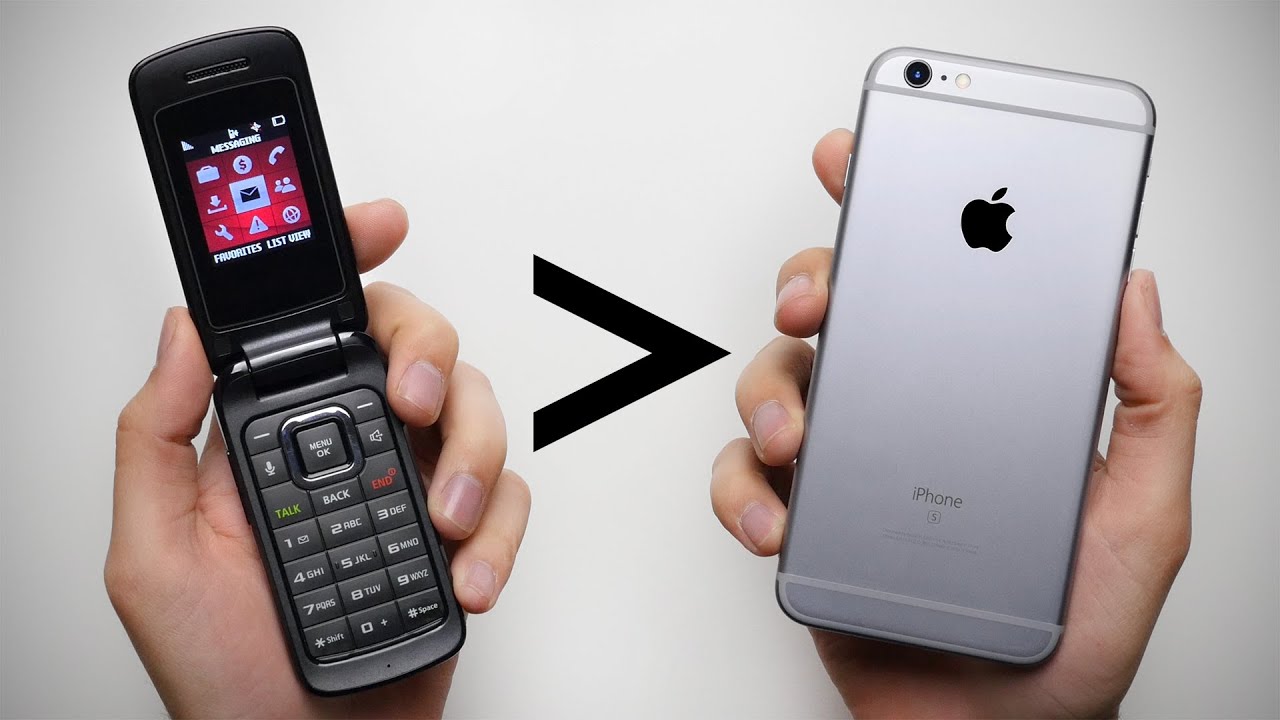
Credit: www.youtube.com
Functionality And Features
In today’s tech-driven world, choosing between a flip phone and a smartphone can feel like a significant decision. Each offers unique functionality and features that cater to different needs and lifestyles. Whether you prioritize simplicity or crave the latest technology, understanding these differences can help you make an informed choice.
Basic Vs Advanced Features
Flip phones are known for their simplicity. They excel in basic functionalities like calling, texting, and maintaining a long battery life. These phones are great if you want a device with minimal distractions or if you’re looking for something easy to use.
On the other hand, smartphones come packed with advanced features that cater to those who want more from their devices. Think high-resolution cameras, fast processors, and a range of connectivity options like Wi-Fi and Bluetooth. Smartphones are designed to be versatile, catering to everything from work to entertainment.
Have you ever missed a moment because your phone’s camera was too slow or blurry? Smartphones often solve this issue with features like multi-lens setups and image stabilization.
App Ecosystem
One of the most striking differences between flip phones and smartphones is the app ecosystem. Flip phones typically don’t support a wide array of apps. They focus on core functionalities, which can be a relief if you want to avoid the app overload.
Smartphones, however, thrive in the app department. Platforms like Android and iOS offer millions of apps for almost anything you can imagine. This opens up endless possibilities for customization and productivity.
Consider how often you use apps for day-to-day tasks—checking emails, browsing social media, or even tracking your fitness. Smartphones make these tasks seamless, offering an app for virtually every need.
In the end, it boils down to what you value more. Do you prefer a straightforward, distraction-free experience, or do you want a device that can do it all? Your choice will ultimately reflect your lifestyle and priorities.
Battery Life And Durability
In today’s digital age, choosing between a flip phone and a smartphone often boils down to practical considerations like battery life and durability. Both devices have their strengths, but understanding how they differ can help you make an informed choice. If you’ve ever found yourself constantly searching for a charger or worrying about dropping your phone, this section will shed light on how these devices stack up.
Longevity Of Flip Phones
Flip phones are renowned for their impressive battery life. Their simple design and limited functionalities mean they consume less power. You might find yourself charging a flip phone only once a week, which is a breath of fresh air for those tired of daily charges.
Durability is another hallmark of flip phones. Their compact and sturdy design makes them less prone to damage from falls. Remember the last time you dropped your smartphone and held your breath? With flip phones, you can often skip the panic.
Many users who favor flip phones appreciate their reliability. They’re ideal for anyone looking for a device that stands the test of time without constant care.
Smartphone Battery Expectations
Smartphones offer a plethora of features, but this comes at a cost. The constant connectivity, high-resolution screens, and numerous apps can drain the battery quickly. Charging your smartphone daily becomes a routine task.
While newer models boast longer battery life, they still demand regular charging. Features like fast charging help, but it’s wise to keep a charger handy. You may find yourself planning your day around power outlets.
Durability is a mixed bag for smartphones. Sleek designs often mean they’re more fragile. A protective case can help, but it’s not foolproof. Have you ever wondered if the next drop will be the last?
In the end, what matters is what suits your lifestyle. Do you prefer the peace of mind that comes with a flip phone’s durability and long battery life? Or are the advanced features of a smartphone worth the trade-off? Your choice depends on your priorities. Are you ready to make the call?

Credit: lolnein.com
Cost Considerations
Considering costs, flip phones often have lower purchase prices compared to smartphones. Monthly expenses for smartphones can include data plans, which might be higher than basic flip phone service fees.
When choosing between a flip phone and a smartphone, cost considerations often play a crucial role in the decision-making process. While both types of devices have their own advantages, understanding the financial aspects can help you make a more informed choice. From the initial purchase price to the long-term value, let’s dive into the various cost factors you should keep in mind.Initial Purchase Price
The initial purchase price is a significant factor for many people. Flip phones generally come with a lower price tag, often costing less than $100. This makes them an attractive option if you’re looking for a basic device without all the bells and whistles. In contrast, smartphones can range from affordable models at around $200 to high-end devices exceeding $1,000. The price often reflects the features, such as advanced cameras and large storage capacities. If you value these features, a smartphone might justify the higher initial cost. Consider what you need in a phone. Are you willing to pay more upfront for the latest technology, or do you prefer to save money with a simpler device?Long-term Value
Long-term value is another essential aspect to consider. Flip phones are known for their durability and longer lifespan. Fewer features mean fewer things that can break, potentially saving you money on repairs or replacements. Smartphones, while more expensive initially, can offer better long-term value due to their versatility. They can replace multiple devices like cameras and GPS units, which could save you money over time. Think about the lifespan of the device and how long you plan to use it. A flip phone might last longer without needing upgrades, but a smartphone can provide greater functionality, which might be valuable in the long run. Balancing initial costs with long-term benefits can be tricky. What do you prioritize more, immediate savings, or long-term usability and features? Your answer could guide your choice between a flip phone and a smartphone.Privacy And Security
In today’s digital age, privacy and security are crucial. Many people worry about data theft and online tracking. Choosing between a flip phone and a smartphone involves considering these factors. Both devices offer unique benefits and challenges.
Flip Phone Security
Flip phones are simple devices. They don’t connect to the internet like smartphones. This reduces the risk of hackers accessing personal data. Without apps, flip phones store less information. They are less vulnerable to malware attacks.
These phones are mostly used for calls and texts. Privacy is easier to maintain. Flip phones don’t track locations or browsing habits. This makes them attractive to people who value privacy.
Smartphone Data Protection
Smartphones offer advanced features. They have built-in security options. Users can lock their phones with passwords or fingerprints. These measures protect stored data from unauthorized access.
Smartphones use encryption for emails and messages. This keeps communications safe. Many phones have regular security updates. These updates fix vulnerabilities and enhance protection.
Smartphones also have apps that improve security. Users can download VPNs for safe browsing. Privacy-focused apps can block trackers. These tools help safeguard user data.
Lifestyle And Usage Scenarios
Choosing between a flip phone and a smartphone? Your lifestyle and usage can guide you. Each phone type fits different needs. Whether you want simplicity or advanced features, there’s a match for you. Let’s explore these lifestyle choices.
Minimalist Lifestyle
Some prefer a life with less clutter. A flip phone can offer this. These phones are simple. They have fewer apps. This means fewer distractions. You focus on what matters. Calls and texts. You spend less time on your phone. This opens up more time for real-world interactions. A flip phone helps keep life simple.
Tech-savvy Needs
Others love technology. Smartphones cater to this. They offer many features. Internet browsing. Social media. Gaming. Smartphones are like mini-computers. They fit in your hand. These devices keep you connected. You access information quickly. This is crucial for work or travel. A smartphone meets tech-savvy needs.
Environmental Impact
Flip phones generally use fewer resources to produce and dispose of compared to smartphones. Smartphones, with complex components, often have a larger carbon footprint. Both devices impact the environment, but their effects vary significantly based on materials and lifespan.
When considering the environmental impact of our tech choices, it’s crucial to look at how different devices affect the planet. The debate between flip phones and smartphones isn’t just about features and trends. It’s also about the environmental footprint each leaves behind. From production to disposal, each device’s life cycle contributes differently to our planet’s well-being. Understanding these differences helps you make eco-conscious choices.Sustainability Of Flip Phones
Flip phones often come out on top in terms of sustainability. They typically have longer lifespans compared to smartphones. Their simpler design means fewer parts that can break or require updates. Manufacturing flip phones usually consumes less energy and materials. This means a smaller carbon footprint from the start. Plus, their durability means they don’t need replacing as often, reducing waste. Think about your old flip phone that still works after years in a drawer. It’s proof that these devices last, highlighting their role in reducing electronic waste.Smartphone E-waste
Smartphones, with their rapid upgrade cycles, contribute significantly to e-waste. Their complex designs and constant tech advancements encourage frequent replacements. This leads to a growing pile of discarded phones. Smartphones often contain harmful chemicals and rare materials. Proper disposal is crucial, yet many end up in landfills, risking soil and water contamination. Recycling programs exist but aren’t always utilized. Consider how often you replace your smartphone. Each upgrade contributes to e-waste, raising the question: Is the latest model worth the environmental cost? By considering alternatives or recycling, you can make a positive impact. Choosing between a flip phone and a smartphone affects more than just your connectivity. It’s a decision with real-world environmental consequences. How will you choose to balance convenience with sustainability?
Credit: www.reddit.com
Frequently Asked Questions
What Are The Benefits Of Flip Phones?
Flip phones offer simplicity and durability. They have longer battery life and are less prone to screen damage. These devices are ideal for those seeking minimal distractions and basic communication. Additionally, they are often more affordable than smartphones and can be easier to use for non-tech-savvy individuals.
How Do Smartphones Differ From Flip Phones?
Smartphones provide advanced features like internet access, apps, and high-quality cameras. They offer touchscreens and sophisticated functionalities, making them ideal for multitasking. Flip phones, in contrast, focus on basic calling and texting. Smartphones are more versatile and suitable for users who need constant connectivity.
Are Flip Phones Still Popular Today?
Yes, flip phones maintain popularity among certain demographics. They’re favored by seniors and those valuing simplicity. These phones offer basic functionality without the complexity of smartphones. For users prioritizing durability, affordability, and minimal distraction, flip phones remain a viable option.
Which Is Better For Seniors: Flip Or Smartphone?
Flip phones are generally better for seniors. They offer ease of use with larger buttons and simplified interfaces. Seniors appreciate the straightforward nature, longer battery life, and reduced complexity. Smartphones, while versatile, may overwhelm those unfamiliar with modern technology.
Conclusion
Choosing between a flip phone and a smartphone depends on your needs. Flip phones offer simplicity and longer battery life. Smartphones provide advanced features and connectivity. Think about your lifestyle and daily requirements. Prefer basic calls and texts? Flip phones are ideal.
Need apps and internet access? Smartphones suit you better. Each has its own benefits and drawbacks. Consider budget and personal preferences. Both phone types have their unique charm. Decide what works best for you. Your choice should reflect your priorities.
Enjoy the convenience of modern technology, whatever you choose.



