
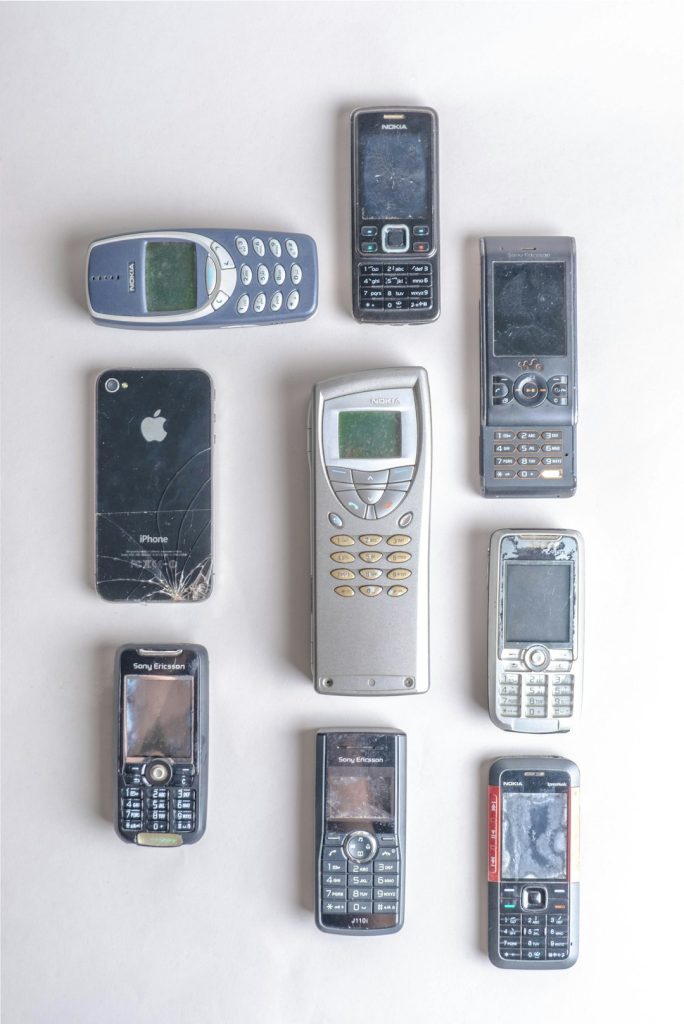
Imagine a world without smartphones. Hard to do, right?
These pocket-sized wonders have become an essential part of your life, connecting you to family, friends, and the vast universe of information at your fingertips. But have you ever wondered when it all began? What year did this revolutionary technology step into your life and start changing the way you communicate, work, and play?
Uncovering the year smartphones were invented is like unraveling a mystery that sheds light on how far technology has come—and where it’s headed. Stay with us as we dive into the history of smartphones, revealing fascinating details that might just surprise you. Let’s explore the origins of an invention that has become a cornerstone of your modern life.
Early Mobile Phones
Smartphones first appeared in 1992, transforming how people communicate. Early mobile phones were bulky and only offered calling features. The development of smartphones marked a significant shift, introducing advanced capabilities beyond basic communication.
The story of early mobile phones is a fascinating journey through the evolution of technology. It takes us back to the days when devices were bulky and calls were a luxury. These initial steps set the foundation for the sleek smartphones we can’t live without today.First Cellular Networks
The first cellular networks emerged in the 1980s. They were a game-changer, connecting people over long distances like never before. The network was a series of radio towers forming a grid, allowing phones to switch signals from one tower to the next seamlessly. Do you remember the excitement of making your first call outside your home? It was a taste of the freedom mobile phones promised. However, the coverage was limited, and dropped calls were common. Yet, the potential was undeniable, paving the way for rapid advancements.Birth Of Mobile Communication
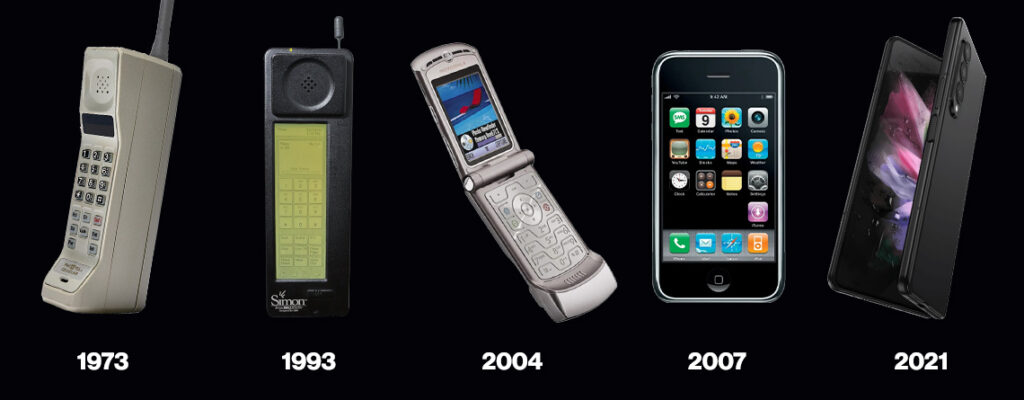
Mobile communication was born out of necessity and innovation. Early devices were more like bricks than the slim designs we see now. They were primarily used by businesses and the wealthy, as they were costly and cumbersome. Yet, these early adopters helped push the boundaries of what was possible. The first mobile call in 1973 by Martin Cooper marked a pivotal moment. It was a glimpse into a future where communication would no longer be tethered to a landline. Have you ever thought about how far we’ve come since then? The transformation from car phones to pocket-sized devices is nothing short of remarkable. It makes you wonder what the next big leap in technology will be. As you reflect on this journey, consider how these early innovations have shaped the way we live and interact today. Could you imagine a world without the constant connectivity we now take for granted?The Dawn Of Smartphones
The dawn of smartphones marked a significant shift in how we connect and interact with the world. Suddenly, we had powerful devices in our pockets, promising the ability to manage our lives on-the-go. Reflect on your first experience with a smartphone. Wasn’t it amazing to realize that you could access the internet, send emails, and even play games right from your hand? This revolution began years ago with the introduction of the first smartphone, paving the way for the devices you can’t live without today.
Ibm Simon: The First Smartphone
Back in 1992, IBM unveiled the Simon Personal Communicator, the world’s first smartphone. Imagine holding a device that combined the functions of a cell phone and a PDA. Simon was bulky, but it was groundbreaking. It offered features like email, fax, and a touchscreen interface, which were unheard of at the time. This was the first step towards the sleek smartphones you use daily.
Consider how far technology has come. Simon was revolutionary because it introduced the idea that phones could be much more than just a tool for calls. It was the start of something big. Do you remember the excitement of seeing your first touchscreen phone? Simon was the grandfather of those devices.
Features Of The Early Smartphones
Early smartphones were basic compared to today’s standards, but they had features that were quite advanced for their time. They included simple apps like calculators and calendars, which were useful for professionals on the move. These phones also had limited internet access, giving users a taste of what was to come.
- Email capabilities for staying connected with work
- Touchscreen interfaces that made navigation easier
- Basic apps that laid the groundwork for today’s mobile software
Think about how these early features changed the way people worked and communicated. They were the foundation for the complex apps and connectivity options you rely on. These early smartphones proved that mobile devices could be versatile tools, leading to the innovation you see in today’s models.
As you use your smartphone, consider the journey from IBM Simon to the device in your hand. Each feature you enjoy today was built on the innovations of those early models. What do you think the next step in smartphone evolution will be? The possibilities are endless.
Technological Advancements
The journey of smartphones reflects incredible technological advancements. These devices have transformed from simple communication tools into multifunctional gadgets. The evolution has been marked by significant milestones, pushing boundaries and redefining possibilities.
Introduction Of Touchscreens
Touchscreens changed how users interact with devices. Early smartphones relied on physical keyboards. The introduction of touchscreens offered more flexibility. Users could now navigate with a simple swipe or tap. This made smartphones more user-friendly and accessible. It paved the way for larger screens, enhancing visual experiences.
Expansion Of App Ecosystems
Apps have become central to smartphone functionality. Initially, phones offered limited built-in applications. The expansion of app ecosystems opened new doors. Developers created diverse apps serving various needs. From social media to productivity, apps enriched user experiences. Users could customize their phones based on personal preferences. This contributed greatly to the smartphone’s popularity and versatility.

Credit: www.weforum.org
Smartphones And The Internet
Smartphones have transformed how we connect and interact with the world. They are not just devices for calling or texting anymore. Access to the internet has made them essential in our daily lives. With just a few taps, users can explore vast amounts of information. This blend of smartphones and the internet has changed communication forever.
Rise Of Mobile Internet
The rise of mobile internet began in the early 2000s. Before smartphones, accessing the internet was limited to computers. With smartphones, people could browse the web on the go. This freedom of movement opened new possibilities for users. Checking emails, social media, and news became easier. Mobile apps also grew, offering services at your fingertips. The mobile internet ensured users stayed connected anytime, anywhere.
Impact On Communication
Smartphones have reshaped how we communicate globally. Instant messaging apps replaced traditional text messages. Users can now video call loved ones across the world. Social media platforms thrive due to smartphone accessibility. People share moments, thoughts, and ideas instantly online. The communication landscape is now more interactive and personal. Smartphones have truly connected us in unprecedented ways.
Evolution Of Smartphone Design
The evolution of smartphone design has been a remarkable journey. From bulky devices to sleek and smart gadgets, smartphones have changed a lot. This transformation reflects advancements in technology and user needs. Let’s explore how smartphone design has evolved over the years.
From Keypads To Full Screens
Early smartphones had physical keypads. These keypads were essential for typing and navigation. Users pressed buttons to make calls and send texts. Over time, screens became larger. Designers replaced keypads with touchscreens. This shift allowed for more screen space and better user experience. Full screens made apps and media more enjoyable. Today, almost all smartphones have full screens.
The Age Of Foldable Phones
Foldable phones represent the next step in design. These phones have flexible screens that fold. Foldable phones offer two modes: compact and expanded. When folded, they fit in your pocket. When open, they provide a larger display. This design combines portability with functionality. Foldable phones are gaining popularity as technology improves. They promise to change how we use our devices.
Operating Systems Battle
Smartphones entered the tech scene in 1992 with IBM’s Simon. This early device combined phone and PDA features. It marked the beginning of the operating systems battle, shaping mobile technology’s future.
The smartphone era has ushered in a fascinating battle among operating systems. This digital duel has not only shaped the way we use our mobile devices but also influenced the tech industry’s evolution. As you navigate through the smartphone landscape, you might find yourself wondering which operating system truly holds the crown.Apple Vs. Android
Apple and Android have been at the forefront of this operating systems battle. Apple, with its iOS, is known for its sleek design and user-friendly interface. iOS offers a seamless experience, especially for those who already use other Apple products. On the other hand, Android prides itself on customization and flexibility. Android allows you to personalize your device in ways iOS doesn’t. This choice might appeal to those who love tweaking their gadgets to suit their needs. Both systems have their loyal followers, but which one is right for you? Do you prefer the polished environment of iOS or the adaptable nature of Android?Other Contenders
While Apple and Android dominate, other operating systems have also made their mark. Windows Phone, for instance, offered a unique interface with its tile-based design. Although it never reached the popularity of its rivals, some users appreciated its integration with Microsoft products. Another contender was BlackBerry OS, once a favorite in the business world. Its physical keyboard and focus on security set it apart. However, it struggled to keep up with the app ecosystem that Apple and Android developed. Even though these alternatives didn’t maintain their foothold, they contributed to the diversity of the smartphone operating systems. Are there lessons to be learned from their rise and fall? Could a new contender emerge to challenge the status quo? The operating systems battle is more than just a tech showdown; it’s about you finding the right fit for your lifestyle and needs. As technology advances, who knows which operating system will surprise us next?Global Impact Of Smartphones
Smartphones emerged in 1992, changing how people communicate globally. These devices blend communication, entertainment, and information, influencing daily life. Their introduction marked a shift in technology, impacting businesses and societies worldwide.
Smartphones have reshaped the world in ways we never imagined. They’ve transformed how we connect, work, and live. Their invention marked a new era, impacting societies and economies globally. As you hold your device, consider how it influences your daily routine and connects you to the world.Societal Changes
Smartphones have changed how we interact with one another. They’re not just phones; they’re mini computers that fit in your pocket. You can video call friends across the globe, share experiences instantly, and access limitless information. Think about how often you use your smartphone to navigate life. From checking the weather to managing schedules, it’s your personal assistant. Do you remember a time when you had to ask for directions or rely solely on memory? Smartphones simplify these tasks, enhancing convenience and efficiency.Economic Influence
Smartphones have significantly influenced the global economy. They’ve created new industries and transformed existing ones. App development, e-commerce, and digital marketing thrive because of smartphones. If you run a business, consider how smartphones have changed consumer behavior. Mobile-friendly websites and apps are now essential. Your customers can make purchases with a few taps, leading to more spontaneous buying decisions. Smartphones also drive innovation. Businesses compete to develop the next breakthrough app or feature. How do you think this competition impacts the quality and variety of services you enjoy today? The global reach of smartphones has broadened markets. Small businesses can now reach international customers without hefty costs. Have you ever discovered a unique product from a distant country through your smartphone? These devices are more than tools; they’re catalysts for change. As smartphones continue to evolve, how will they shape your future interactions and business strategies?-min.jpeg)
Credit: www.textedly.com
Future Trends In Smartphones
As smartphones continue to evolve, the future holds exciting possibilities that could transform how we communicate, work, and play. Imagine a world where your smartphone could anticipate your needs and adapt to your lifestyle seamlessly. Are you ready to explore what lies ahead?
Innovative Technologies
Smartphones are becoming more than just devices; they are extensions of ourselves. Expect advancements like foldable screens, which allow you to carry a tablet-sized display in your pocket. Augmented reality could soon be a staple, overlaying digital information onto your physical world effortlessly.
Think about how artificial intelligence might personalize your smartphone experience. Your device could learn your habits and preferences, suggesting apps or settings that suit your daily routine. It’s like having a personal assistant, always ready to streamline your life.
Predicted Market Shifts
The smartphone market is dynamic and ever-changing. With 5G technology becoming the norm, data speeds will be lightning-fast, enabling smoother streaming and gaming experiences. But what does this mean for you?
Consider the growing demand for sustainable technology. Eco-friendly smartphones made from recyclable materials could become mainstream. Would you choose a device that helps protect the environment?
Also, look out for the rise of budget-friendly yet powerful smartphones. More brands are offering high-quality features at lower prices, making advanced technology accessible to everyone. How will this shift influence your next purchase?
As you ponder these future trends, think about how they might impact your daily life. Will you embrace these changes, or stick with what you know? The decision is yours, but the possibilities are limitless.
Credit: www.cellularsales.com
Frequently Asked Questions
When Were Smartphones First Introduced?
Smartphones were first introduced in 1992 with IBM’s Simon Personal Communicator. It combined mobile phone and PDA features, laying the groundwork for future devices. This early smartphone included basic functionalities like email, calendar, and fax, setting a precedent for later, more advanced smartphones.
What Was The First Modern Smartphone?
The first modern smartphone is often considered to be the 2007 iPhone by Apple. It revolutionized the market with a touch interface and app ecosystem. The iPhone introduced features like web browsing, music playback, and email, which became standard in smartphones thereafter.
Who Invented The First Smartphone?
IBM is credited with inventing the first smartphone, the Simon Personal Communicator, in 1992. It was the first device to merge mobile phone capabilities with PDA functionalities. This invention laid the foundation for the smartphones we use today, integrating various communication and organizational tools.
Why Were Smartphones Invented?
Smartphones were invented to combine communication and computing capabilities in one device. They aimed to enhance productivity and connectivity by integrating phone functions with email, internet, and personal organization tools. This innovation allowed users to manage tasks efficiently while on the move.
Conclusion
Smartphones have come a long way since their invention. Early models were simple. Now, they are essential tools in daily life. They connect us instantly. They entertain and inform us. They help us manage our tasks. Despite their evolution, their core remains the same.
Communication. Convenience. Smartphones continue to change, adapting to our needs. Remember, understanding their history helps appreciate their impact. Explore more about technology’s journey. Stay curious about future innovations. Smartphones will keep evolving. Who knows what comes next?



