
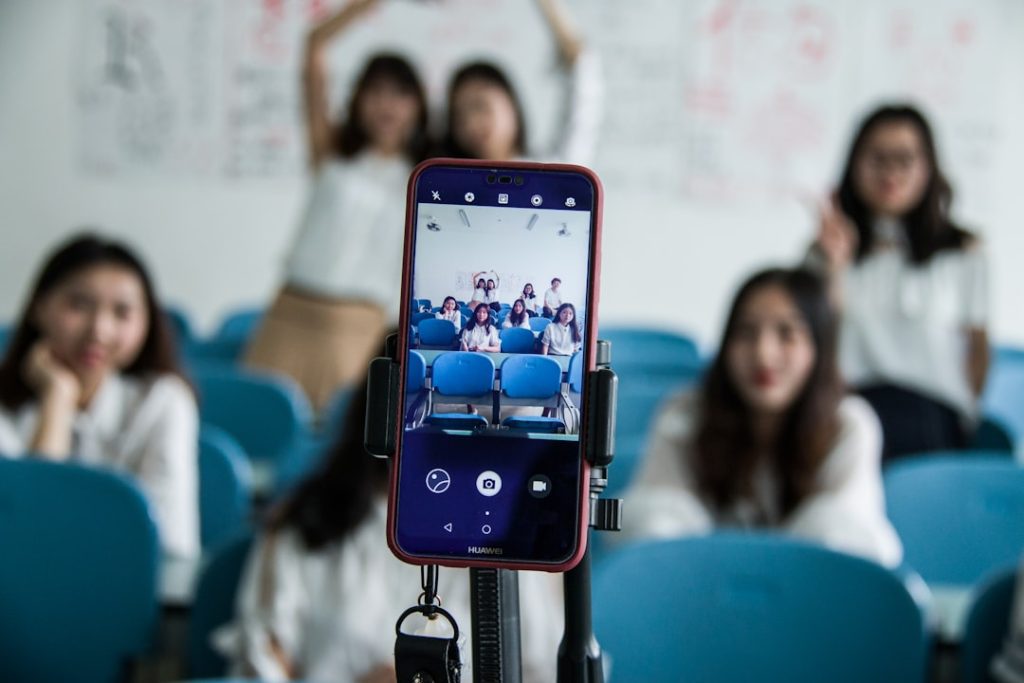
Imagine a classroom free from distractions. You can finally focus and absorb every lesson without the constant ping of notifications.
This is exactly what Gov Murphy envisions with his bold proposal to ban smartphones in classrooms. As a student or a parent, you might be curious about how this could impact your daily routine and learning environment. Could this be the change you need to boost concentration and enhance education?
Dive into this article to discover the potential benefits, challenges, and what this proposal means for you and your school community. Are you ready to explore a new way of learning?

Credit: www.cbsnews.com
Gov Murphy’s Proposal
Governor Murphy has introduced a new proposal. This proposal aims to ban smartphones in classrooms. He believes phones distract students from learning. Many educators support this idea. Others have concerns about its impact. Let’s explore the details of this proposal.
Gov Murphy’s Reasons For The Ban
Gov Murphy believes smartphones disrupt learning. They take students’ attention away from teachers. Many students use phones for social media during class. This can lead to poor grades and missed lessons. He wants to create a better learning environment. A focus on learning, not texting.
Support From Educators
Many teachers agree with Gov Murphy. They see phones causing problems in class. Students often focus on screens, not schoolwork. Teachers want students to engage more. They hope the ban will help students learn better. Fewer distractions can lead to more success.
Concerns From Parents And Students
Some parents worry about the ban. They want to stay in touch with their kids. Emergencies happen, and phones provide safety. Students feel the same way. They use phones for study tools too. Apps and online resources are helpful in learning. The proposal needs to consider these points.
Technology’s Role In Education
Technology can be a powerful learning tool. Many schools use tablets and computers in lessons. Phones can also help with quick research. They can aid in communication and collaboration. The challenge is using them responsibly. Finding a balance is key to success.
Impact On Learning
Governor Murphy’s proposal to ban smartphones in classrooms has ignited a debate about its potential impact on learning. While smartphones can be a gateway to information, they also bring distractions that might hinder students’ focus and engagement. By removing these devices, the classroom environment might transform in unexpected ways, leading to a more effective learning experience. Let’s dive into how this change could reshape focus, engagement, and academic performance.
Focus And Engagement
Imagine sitting in a classroom without the constant pull of your phone. It’s easier to concentrate on your teacher’s words and the task at hand. You notice subtle details in discussions that you might have missed before. This focused attention can enhance your understanding of complex topics.
Smartphones often compete for your attention with notifications and social media updates. Without these interruptions, students can immerse themselves more deeply in learning activities. Engagement with coursework might improve, as students participate more actively in classroom discussions and group projects.
Academic Performance
With fewer distractions, you might find your grades reflecting your true potential. Concentrating solely on your studies can lead to better retention of information and higher test scores. Your ability to analyze and solve problems could improve, giving you an edge in academic performance.
Consider the impact on homework and assignments. Without the temptation to check your phone every few minutes, the quality of your work might increase. You could produce more thoughtful essays and projects, showcasing your capabilities.
What could this mean for your future? If smartphones are banned in classrooms, might this lead to a generation of students who excel academically and are more prepared for challenges in higher education and beyond?
Have you ever noticed how much faster you complete tasks when your phone is out of reach? This proposal might be an opportunity to harness your full potential, focusing on the journey to becoming a more successful student.
Teacher Perspectives
Teachers share mixed feelings on Gov Murphy’s proposal to ban smartphones in classrooms. Some see it as a way to reduce distractions, while others believe it might hinder learning. Balancing technology and education remains a challenge.
In light of Gov. Murphy’s proposed ban on smartphones in classrooms, teachers find themselves at the heart of the conversation. Educators have long been grappling with the impact of technology on learning environments. This proposal prompts a deeper reflection on how smartphones have shaped teaching and classroom dynamics.Classroom Management
Managing a classroom filled with smartphones can feel like an uphill battle. Teachers often struggle to keep students’ attention when notifications are buzzing every few seconds. Imagine trying to engage 30 students in a math lesson while half are secretly scrolling through social media. The proposed ban could simplify classroom management significantly. Without smartphones, teachers might find it easier to maintain discipline and focus. Would fewer distractions lead to more meaningful interactions and deeper learning?Teaching Methods
Smartphones have undoubtedly transformed teaching methods. Some educators have embraced them as tools for interactive lessons and quick research. Picture a history class where students use their phones to access real-time data or virtual tours of ancient sites. However, reliance on smartphones can sometimes overshadow traditional teaching methods. Teachers are concerned about losing valuable face-to-face discussions and critical thinking exercises. What happens when students rely more on screens than on their own reasoning? The proposed ban challenges teachers to rethink and perhaps diversify their teaching strategies. Could this be an opportunity to reinvigorate hands-on activities and collaborative learning? The shift may spark innovation, pushing educators to find new ways to captivate their students without digital crutches. Your thoughts on the smartphone ban are invaluable. How might these changes impact your approach to teaching or learning?Student Reactions
In the wake of Governor Murphy’s proposal to ban smartphones in classrooms, students across New Jersey are voicing their opinions. Reactions are mixed, with some applauding the initiative for fostering focus and others feeling restricted in their personal and educational freedoms. As you dive into these reactions, consider how such a change might impact the dynamic of learning environments.
Freedom And Restrictions
Many students express concerns over losing their freedom. Smartphones offer instant access to information and learning tools. Would you feel restricted without your device to research a quick fact or translate a tricky sentence? On the other hand, some students believe that removing phones could reduce distractions.
Imagine a classroom where every student is fully engaged. The focus on learning could be sharper without the constant pull of notifications. However, is it worth sacrificing personal freedom for academic concentration? This question sparks lively debates among students.
Adaptation Challenges
Adjusting to a smartphone-free environment presents its own set of challenges. Students who rely on digital planners or educational apps might struggle initially. How would you manage your study schedule without digital reminders?
Consider the shift from digital to analog learning aids like notebooks and planners. Some students worry about being less organized. Yet, others might find this change refreshing, encouraging a return to basics. Are these adaptation challenges an opportunity for growth?
As students navigate these changes, their reactions highlight the complexity of balancing technology and education. How do you perceive these shifts? Would you embrace the focus or resist the restrictions?
Parental Concerns
Governor Murphy’s proposal to ban smartphones in classrooms has sparked discussions among parents. Many parents worry about the effects of this decision. Their concerns are valid, focusing mainly on two key aspects. Safety and communication, and parental control. These are the main areas parents are eager to address.
Safety And Communication
Parents value smartphones for keeping their children safe. They allow immediate contact in emergencies. Without phones, reaching children becomes challenging during urgent situations. This proposal raises questions about ensuring student safety without phones. Parents also appreciate the ease of scheduling pickups. Smartphones help manage last-minute changes effectively. Banning them complicates these essential communications.
Parental Control
Smartphones offer tools for monitoring children’s activities. Parents use them to track locations and set usage limits. These features provide a sense of security. A ban reduces parents’ ability to oversee their children’s daily routines. Concerns grow around children navigating social pressures without guidance. Parents worry about losing control over their child’s digital interactions. This loss of control raises anxiety about the unknown.
Technological Alternatives
Governor Murphy’s proposal to ban smartphones in classrooms sparks discussions. Many wonder about alternative technologies. While smartphones have many uses, other tools can aid learning. These alternatives can enhance education without distractions.
Educational Tools
Tablets can replace smartphones. They offer a bigger screen for learning. Apps on tablets are designed for education. Students can focus better without phone notifications. Tablets can serve as digital textbooks. They reduce the need for heavy books.
Device Management
Schools can control device usage with management systems. These systems limit app access during school hours. Teachers can monitor student activity. They ensure students stay on task. This helps maintain a focused learning environment. Schools can create safe digital spaces for students.
Case Studies
Exploring the implications of Governor Murphy’s proposed smartphone ban in classrooms is vital. Understanding its impact through case studies provides valuable insights. These studies showcase schools that have already implemented bans. They reveal how such measures influence learning environments.
Schools Implementing Bans
Several schools across the country have already restricted smartphone use. These schools aim to enhance focus and reduce distractions. Teachers report increased student engagement in lessons. Students participate more in discussions. Improved learning outcomes are observed.
Results And Observations
Results from these schools are promising. Academic performance improved in many cases. Students showed better concentration and understanding of topics. Teachers noticed fewer disruptions during classes. Students developed stronger interpersonal skills. They interacted more face-to-face.

Credit: www.youtube.com
Future Of Classroom Technology
Gov Murphy’s proposal to ban smartphones in classrooms aims to enhance student focus and learning experiences. This initiative could reshape the future of classroom technology, prioritizing educational tools over digital distractions.
As technology continues to evolve, the classroom is transforming at a rapid pace. Gov Murphy’s proposal to ban smartphones in classrooms sparks a crucial discussion about the future of classroom technology. While smartphones are ubiquitous, their role in education remains a heated topic. How do we ensure that technology enhances rather than hinders learning?Evolving Education Tools
Education tools have come a long way from the traditional blackboard. Interactive whiteboards, tablets, and digital resources are now commonplace. These tools provide dynamic and engaging ways to learn, encouraging students to participate actively. However, with these advancements comes the challenge of ensuring they are used effectively. Simply having access to technology doesn’t guarantee better learning outcomes. It’s essential to integrate these tools thoughtfully into teaching strategies.Balancing Technology And Learning
The balance between technology and learning is delicate. On one hand, technology can be a powerful ally, offering access to vast resources and interactive learning experiences. On the other hand, it can be a distraction if not managed properly. Think about the last time you attended a class or meeting. Did you find yourself tempted to check your phone or browse unrelated content? This is a common distraction that can hinder focus and retention of information. Teachers face the challenge of maintaining students’ attention while using technology effectively. Strategies like setting clear guidelines for tech use and incorporating tech-free activities can help maintain this balance. By considering these aspects, we can better understand the implications of Gov Murphy’s proposal. What role should technology play in your learning environment?
Credit: wpst.com
Frequently Asked Questions
Why Ban Smartphones In Classrooms?
Gov Murphy believes smartphones distract students and hinder learning. By banning them, he aims to improve focus and academic performance. The proposal seeks to create a conducive environment for education, ensuring students engage more with teachers and peers, rather than screens, during school hours.
What Are Benefits Of Smartphone Ban?
The ban could enhance concentration and participation in classrooms. Students may develop better communication skills without smartphones. It can reduce cyberbullying and academic dishonesty. Overall, the measure aims to foster a healthier learning environment, encouraging deeper engagement with educational content and peers.
How Will The Ban Be Enforced?
Schools will develop policies to ensure compliance with the ban. Teachers and staff may monitor smartphone usage during school hours. Clear guidelines and consequences will be established. The focus will be on educating students about responsible tech usage and promoting adherence to the new regulations.
What Are Reactions To The Proposal?
Reactions are mixed; some support the initiative for improved focus, others worry about losing educational tech benefits. Parents and educators express concerns over enforcement challenges. Debate continues on balancing technology’s role in education with maintaining effective learning environments. The proposal sparks discussions on modern classroom dynamics.
Conclusion
Governor Murphy’s proposal sparks debate on classroom smartphone use. Teachers seek focused learning environments. Parents worry about distractions. Students face potential changes in daily routines. Balancing technology and education is crucial. Smartphones offer learning tools but can distract. This ban may foster better concentration in classrooms.
It aims for improved student performance. The decision impacts teaching methods and student engagement. Education systems must adapt to evolving tech trends. Finding harmony between tech and learning remains key. The proposal prompts reflection on tech’s role in education. Will banning smartphones enhance learning?
Time will tell.



