
Imagine a world where your phone fits snugly in your pocket, connecting you to anyone, anywhere, anytime. It’s more than just a phone; it’s a smartphone.
But who sparked this technological revolution that changed the way you live, work, and communicate? The story of smartphones is not just about a single inventor but a fascinating journey through time involving visionaries who dared to think differently. As you delve into this article, you will uncover the surprising origins and the brilliant minds that laid the foundation for the device you can’t imagine living without.
Get ready to discover the captivating history behind the creation of smartphones and see how this powerful tool evolved into an essential part of your everyday life.
Early Beginnings
The smartphone’s journey began decades ago. Its roots trace back to the 20th century. Brilliant minds imagined a world of digital wonders. Before the first smartphone, many ideas floated around. These early concepts laid the foundation for today’s smart devices. Understanding these beginnings gives insight into modern innovations.
The First Concepts
Long ago, people dreamed of portable communication. The idea was to combine telephones with computing power. In the 1970s, innovators like Theodore Paraskevakos emerged. He introduced the concept of a telephone with computer-like features. This idea inspired future developers to think big.
By the late 1980s, IBM joined the conversation. They unveiled the Simon Personal Communicator in 1992. It was more than a phone. It had a calendar, address book, and email. This was the first step toward the modern smartphone.
Initial Technological Breakthroughs
Technology made rapid progress in the 1990s. Touchscreens became a focus for researchers. Scientists aimed to make devices user-friendly. Capacitive touchscreens, developed in the early 1980s, saw improvements. These screens allowed users to interact with devices directly.
In 1994, the Simon phone hit the market. It was a true innovation. It included a touchscreen and fax capability. For many, it felt like a glimpse into the future. These breakthroughs set the stage for further advancements. Each step brought us closer to the smartphones we use today.
The Birth Of The First Smartphone
Have you ever wondered how the smartphone in your pocket came to be? The journey to creating the first smartphone was filled with innovation, curiosity, and a desire to make technology more accessible. The birth of the first smartphone marked a significant milestone, forever changing how we communicate, work, and live. Let’s delve into the story of IBM Simon, the pioneer in the smartphone revolution.
Ibm Simon’s Revolutionary Impact
IBM Simon, launched in 1994, was the world’s first smartphone. It was a game-changer, combining a mobile phone with PDA (Personal Digital Assistant) capabilities. This innovative device laid the groundwork for what smartphones would eventually become.
Imagine holding a device that could not only make calls but also send emails and manage your calendar. IBM Simon offered these features, paving the way for future advancements. It was a glimpse into a connected future, sparking ideas and innovations that would transform technology.
Yet, it wasn’t just about the features. IBM Simon challenged the norms, daring to integrate computing capabilities into a handheld device. This bold move made people rethink what a phone could be, inspiring developers and tech enthusiasts to push boundaries further.
Features And Limitations
IBM Simon was packed with features that were groundbreaking for its time. It had a touchscreen interface, which was quite ahead of its era. You could jot down notes, send faxes, and even play games. It was a Swiss Army knife of technology.
However, Simon had its limitations. The battery life was a mere one hour, which meant frequent charges. Imagine planning your day around charging your phone! The device was bulky, resembling a brick, making it less portable compared to today’s sleek smartphones.
Despite these drawbacks, IBM Simon set the stage for future innovations. It made people realize that the concept of a smartphone was not just a dream but a tangible reality. The limitations highlighted areas for improvement, driving the relentless pursuit of better technology.
Reflect on how far smartphones have come since IBM Simon. Could you imagine living without your smartphone today? The evolution from Simon to the devices in our hands now shows the incredible pace of technological advancement. It’s a reminder of how a single innovation can ignite a revolution.
Pioneers In Smartphone Development
Smartphones have changed the way we communicate. Early innovators paved the path for this technology. They shaped how we use phones today. Two key players were Nokia and BlackBerry. Each brought unique ideas to the smartphone world. Their contributions were vital in the evolution of these devices.
Nokia’s Influence
Nokia was a major player in mobile phones. Their journey into smartphones began in the late 1990s. They focused on user-friendly designs and quality hardware. Their Symbian OS set a standard for mobile operating systems. Nokia’s products were durable and reliable. This made them popular worldwide.
Nokia’s influence extended beyond hardware. They introduced innovations in mobile software. Their app ecosystem was one of the first of its kind. It allowed users to enhance their phone’s functionality. Nokia’s emphasis on innovation helped shape the smartphone industry.
Blackberry’s Business Focus
BlackBerry targeted business users with their smartphones. They offered secure communication and email services. BlackBerry devices had physical keyboards. This made typing easy for business professionals. Their focus on security was unmatched.
BlackBerry’s impact was significant in the corporate world. They provided tools for efficient business communication. Their services were reliable and protected sensitive data. These features made them a top choice for many companies. BlackBerry played a crucial role in smartphone development for business use.

Credit: www.weforum.org
The Rise Of Modern Smartphones
The rise of modern smartphones transformed communication. These devices changed the way we live. They offer endless possibilities at our fingertips. Understanding this journey helps us appreciate today’s technology. Two major players shaped the smartphone landscape. Apple and Android set the stage for today’s mobile experience.
Apple’s Iphone Revolution
Apple introduced the iPhone in 2007. It was unlike anything before it. The iPhone combined a phone, iPod, and computer. This integration made it unique and desirable. Its touchscreen interface simplified user interaction. Apps became central to the smartphone experience. The App Store opened in 2008. This allowed developers to innovate freely. Apple’s iPhone changed mobile technology forever.
Android’s Open Source Approach
Android took a different path. Launched by Google in 2008, it embraced openness. Developers could access and modify its source code. This encouraged widespread innovation. Android’s flexibility attracted manufacturers. Many brands adopted Android for their devices. This increased competition and choices for consumers. Android’s approach fostered rapid growth and diversity.
Technological Innovations
Smartphones were first created by IBM with the introduction of the Simon Personal Communicator in 1992. This device combined telephone capabilities with features like email and fax, laying the groundwork for modern smartphones.
The evolution of smartphones is a testament to the remarkable technological innovations that have transformed how we communicate and interact with the world. These devices have seamlessly integrated into our daily lives, offering more than just the ability to make calls or send texts. They are now our cameras, navigators, and even our personal assistants. As you delve into the history of smartphones, you’ll find that key technological advancements have played a pivotal role in shaping their development.Touchscreen Advancements
The introduction of touchscreens marked a significant leap in smartphone innovation. Early mobile phones relied on physical keypads, which limited user interaction. But the shift to touchscreens changed everything. Do you remember the first time you swiped across a screen to unlock your phone? It felt like magic at your fingertips. Touchscreens allowed for intuitive gestures, making devices more user-friendly. Capacitive touch technology replaced the older resistive screens, enhancing sensitivity and accuracy. This meant you could type faster, swipe seamlessly, and pinch to zoom. The shift also paved the way for larger displays without increasing the device’s bulk. What do you think about when you consider how touchscreens changed your interaction with technology?App Ecosystem Evolution
The rise of app ecosystems transformed smartphones from mere communication devices to comprehensive digital companions. Early smartphones offered limited built-in functionalities. But with the introduction of app stores, users could personalize their devices. Do you recall the excitement of downloading your first app? Suddenly, your phone became a tool for entertainment, productivity, and creativity. App ecosystems grew rapidly, offering solutions for almost every need. From social media platforms to fitness trackers, the possibilities became endless. This evolution encouraged developers worldwide to innovate, resulting in millions of apps available at your fingertips. How has the app ecosystem changed the way you use your smartphone daily? These technological innovations have not only enhanced the smartphone experience but also set the stage for future developments. As you consider how these advancements have impacted your life, reflect on the possibilities yet to come. What features do you hope to see in the next wave of smartphone technology?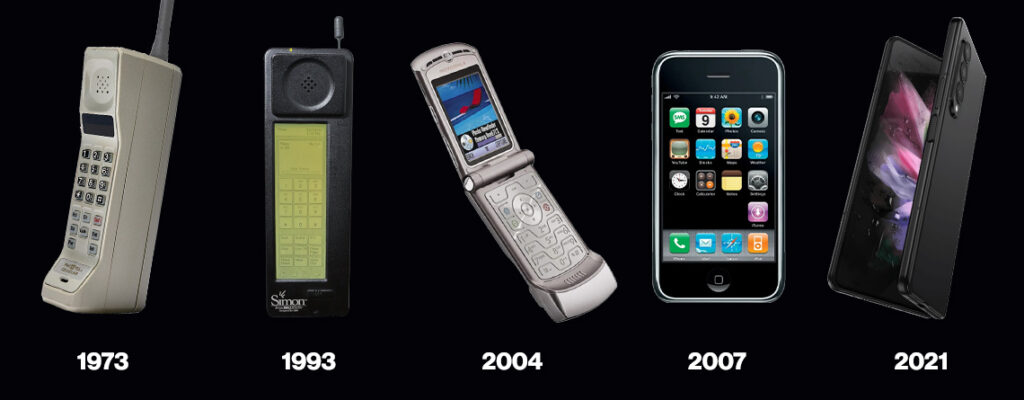
Credit: www.cellularsales.com
Market Leaders And Competitors
In the bustling world of smartphones, market leaders and competitors are constantly vying for your attention. This competition shapes your choices, driving innovation and variety. You might wonder who stands at the forefront and who is emerging as a formidable contender?
Samsung’s Galaxy Series
Samsung has long been a titan in the smartphone industry. Their Galaxy series showcases sleek designs and cutting-edge technology. Picture holding a device that feels like a piece of the future in your hand.
Samsung wasn’t always the giant it is today. Their journey to the top involved mastering the craft of understanding consumer needs. They’ve consistently added features that make your daily tasks easier, like impressive camera capabilities and intuitive interfaces.
Think about the last time you snapped a photo. Was it with a Samsung Galaxy? If yes, you’ve experienced the quality that makes them a market leader. Samsung’s commitment to innovation has earned them a loyal following, but the competition is fierce.
Emerging Chinese Manufacturers
As you explore the smartphone market, you’ll notice emerging Chinese manufacturers making waves. Brands like Huawei, Xiaomi, and Oppo are catching your eye with their enticing offers.
These manufacturers are not just about budget-friendly options. They’re challenging the norms with technology that rivals even the biggest players. Imagine getting a device that feels premium without breaking the bank.
Have you considered why these brands are gaining popularity? It’s their ability to blend affordability with quality. Their rise suggests that innovation is not limited to established giants. Could your next smartphone be from one of these emerging brands?
As you weigh your options, reflect on what features matter most to you. The smartphone landscape is vast and varied, offering something for everyone. Whether it’s Samsung’s proven excellence or a fresh perspective from a Chinese manufacturer, the choice is yours.
Impact On Society
Smartphones have transformed how society functions today. Their creation marked a significant shift in our daily lives. These devices have altered communication, work, and leisure. The impact stretches across generations and cultures. Let’s delve into how smartphones affect society.
Changing Communication
Smartphones changed the way people connect. Calls and texts became instant and easy. Social media apps allow sharing life moments quickly. People stay connected with friends and family worldwide. This enhances relationships and builds new ones.
Communication barriers have decreased. Language translation apps help bridge gaps. Video calls make interactions personal despite distance. The smartphone became a tool for global connection.
Influence On Daily Life
Smartphones influence daily routines significantly. They serve as alarms, planners, and entertainment hubs. People check emails and browse news on the go. Life without smartphones seems unimaginable.
Smartphones impact how people shop and pay bills. Apps offer convenience and save time. Navigation apps guide users through unfamiliar places. They provide a sense of security and ease.
Smartphones also aid learning. Educational apps and resources are available at fingertips. Students and adults alike benefit from this access. Overall, smartphones have reshaped daily life in countless ways.
Future Prospects
Smartphones have shaped our world, born from the vision of tech pioneers. Their creation opened pathways to future innovation. With evolving technology, future prospects include smarter devices, advanced connectivity, and enhanced user experiences.
The future prospects for smartphones are incredibly exciting and filled with potential. As technology evolves, smartphones are bound to become even more integrated into our daily lives. They’re not just communication devices anymore; they’re becoming essential tools for everything from managing our health to enhancing our entertainment experiences. But what does the future hold for these ubiquitous gadgets? Let’s explore how next-gen technologies and evolving consumer needs are shaping the future of smartphones.Next-gen Technologies
The smartphones of tomorrow promise to be smarter, faster, and more intuitive than ever. Imagine a world where your phone anticipates your needs before you even express them. Artificial Intelligence (AI) is making this a reality. It’s being used to enhance user experience by learning your habits and preferences. Your phone might suggest the perfect playlist for your morning jog or remind you to book a doctor’s appointment based on your health data. 5G networks are transforming how we connect. They offer lightning-fast internet speeds, making tasks like downloading large files or streaming HD content seamless. Think of the possibilities for augmented reality (AR) and virtual reality (VR) as these technologies become more accessible. As these innovations unfold, you have the opportunity to experience a deeper level of engagement with your device. What feature would you like to see in your future smartphone?Evolving Consumer Needs
As consumers, your needs are constantly changing. Smartphones must adapt to stay relevant. Many users now prioritize battery life over other features. Long-lasting batteries mean more time spent enjoying your phone without constantly searching for a charger. Manufacturers are focusing on creating energy-efficient processors and advanced battery technologies to meet this demand. Privacy and security are more important than ever. With increasing concerns about data breaches, smartphones are being designed with advanced encryption and biometric authentication features. You deserve a device that protects your personal information. Finally, customization is key. You want a smartphone that reflects your personality and lifestyle. From customizable interfaces to modular designs, future phones will offer more ways to make your device uniquely yours. As you look ahead, consider how these evolving needs will influence your smartphone choices. What matters most to you in a mobile device?
Credit: www.npr.org
Frequently Asked Questions
Who Invented The First Smartphone?
The first smartphone was invented by IBM. It was called Simon Personal Communicator and released in 1994. Simon combined phone functionality with PDA features. It could make calls, send emails, and manage contacts. This marked the beginning of smartphones, paving the way for future innovations.
What Features Did Early Smartphones Have?
Early smartphones had basic features like calling, emailing, and calendar management. They often included a touchscreen and stylus. These devices were limited in internet capabilities. Over time, features expanded to include web browsing, multimedia capabilities, and app installations, transforming them into multifunctional devices.
How Did Smartphones Evolve Over Time?
Smartphones evolved with advancements in technology. They became slimmer, faster, and more powerful. Operating systems like iOS and Android emerged. Features like cameras, GPS, and app stores were introduced. Connectivity improved, enabling faster internet access. Today, smartphones integrate AI, AR, and other cutting-edge technologies.
Who Are The Key Players In Smartphone History?
Key players in smartphone history include IBM, Nokia, and Apple. IBM introduced the first smartphone, Simon. Nokia popularized mobile phones with its models. Apple revolutionized smartphones with the iPhone in 2007. Other companies like Samsung and Huawei have also significantly influenced the market.
Conclusion
Smartphones changed how we live and connect. Their creation was a journey. Many minds contributed to their development. Engineers, designers, and visionaries played key roles. Smartphones evolved from simple devices to powerful tools. They help us work, learn, and socialize.
Understanding their history adds appreciation. It’s fascinating to see how technology grows. Smartphones continue to shape our future. As they advance, we adapt alongside. The journey of smartphones isn’t over. New innovations await us. They will influence our lives even more.
It’s exciting to imagine what’s next. Embrace the technology and stay curious.



