

Imagine downloading a smartphone app, only to find that it’s not available in your language or doesn’t cater to your cultural nuances. Frustrating, right?
This is where smartphone app localization comes into play, transforming apps into user-friendly experiences for everyone, no matter where they are. Now, think about your favorite app. What makes it so appealing? It’s likely not just the design or functionality, but also how seamlessly it fits into your daily routine, adapting to your language and preferences.
By localizing an app, developers ensure that it speaks your language—literally and figuratively—making the experience feel personal and intuitive. As you delve into the world of app localization, you’ll discover how this vital process can boost user satisfaction, expand market reach, and ultimately, increase revenue. Don’t miss out on understanding how this can benefit not just the developers, but also you, as a user. Ready to explore how localization can make your app experiences more relevant and engaging? Let’s dive in!
Importance Of App Localization
Adapting apps to local languages boosts user engagement and satisfaction. It helps in reaching wider audiences effectively. App localization also enhances brand credibility and trust among users globally.
Smartphone app localization is more important than ever. As our digital world becomes more interconnected, reaching users globally can set your app apart from the competition. But what does app localization truly mean for your app’s success?Understanding The Global User
Localization isn’t just translation. It’s about adapting your app to meet the cultural and linguistic preferences of users in different regions. Imagine downloading an app that operates in a foreign language or uses unfamiliar symbols. Frustrating, right? Users want to feel understood and valued. Adapting your app to fit local contexts can make users feel at home, enhancing their experience and increasing engagement.Increasing Market Reach
By localizing your app, you open doors to new markets. Think about regions where smartphone usage is booming. Localizing your app can help you tap into these growing markets, expanding your user base significantly. Consider this: if your app is only available in English, you’re missing out on millions of potential users. Localizing can help you reach these untapped audiences, driving downloads and increasing revenue.Boosting User Engagement
Localized apps can offer content that resonates more with users. This connection can lead to higher engagement rates. Users are more likely to interact with an app that speaks their language and respects their cultural nuances. Engaged users are loyal users. They are more likely to recommend your app to others, leave positive reviews, and contribute to a vibrant user community. How is your app engaging its users worldwide?Improving App Store Rankings
Localization can also enhance your app’s visibility in app stores. App stores prioritize apps that cater to their local audiences. By providing localized content, you can improve your app’s ranking, making it easier for users to find. Higher rankings mean more downloads. More downloads lead to more reviews. And positive reviews can further boost your ranking, creating a beneficial cycle for your app’s success.Overcoming Competition
In a crowded app marketplace, standing out is crucial. App localization can give you that edge over competitors. While others may focus on a single market, you can diversify and establish a presence in multiple regions. Think about it. Would you rather compete in a saturated market or explore opportunities in emerging markets? Localization can be your secret weapon in staying ahead. App localization is an essential strategy for any developer wanting to make a global impact. By understanding and implementing it, you can enhance user experience, increase downloads, and boost your app’s success worldwide. Are you ready to take your app to the next level?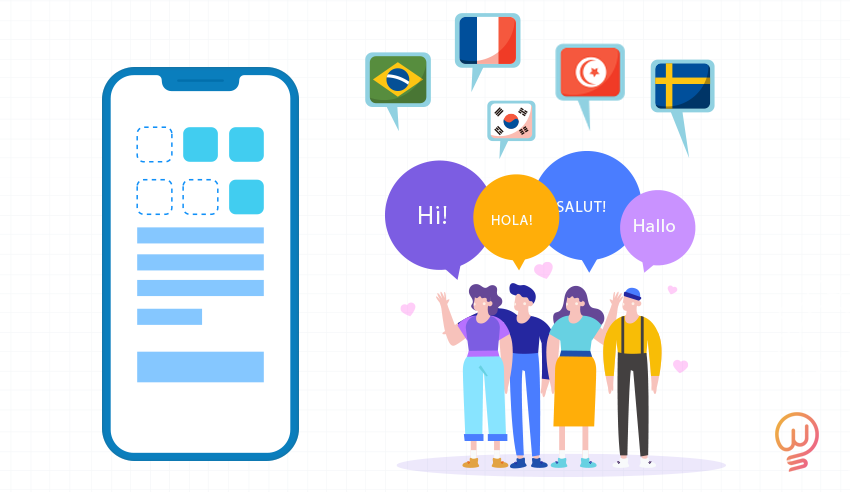
Credit: www.w2ssolutions.com
Key Benefits Of Localization
Smartphone app localization is a game-changer in the global tech landscape. It involves tailoring your app to meet the cultural and linguistic preferences of diverse markets. By localizing your app, you not only make it accessible to a broader audience but also enhance its appeal and functionality. Let’s explore the key benefits of localization through enhanced user experience, increased market penetration, and competitive advantage.
Enhanced User Experience
Localization significantly boosts user experience. Imagine downloading an app only to find it’s in a language you don’t understand. Frustrating, right? By offering your app in users’ native languages, you eliminate this barrier. Users feel more comfortable and engaged, leading to increased satisfaction and retention.
Moreover, localization goes beyond language. It includes adapting cultural references, visuals, and functionalities. This ensures your app resonates with users on a personal level. Have you ever noticed how some apps feel like they were made just for you? That’s the power of localization.
Increased Market Penetration
Localization opens doors to new markets. By catering to local preferences, your app can reach users who might otherwise be inaccessible. It’s like unlocking a treasure chest of opportunities. Think about the untapped potential in regions where English isn’t the first language.
Consider how a localized app can gain traction in emerging markets. With localized content, your app becomes relevant and appealing to users who have been overlooked. It’s not just about expanding reach; it’s about meaningful engagement.
Competitive Advantage
In a crowded app marketplace, standing out is crucial. Localization gives you a competitive edge, setting your app apart from those that ignore local nuances. It shows you care about users’ needs, fostering trust and loyalty.
When your app speaks the language of your users, it creates a connection that competitors might lack. Are you ready to take your app to the next level? Localization could be your secret weapon in outpacing rivals and capturing market share.
Localization is not merely a translation exercise; it’s a strategic move to enhance user experience, penetrate new markets, and gain a competitive edge. Are you leveraging these benefits to maximize your app’s success?
Common Challenges
Smartphone app localization faces hurdles like adapting content for diverse cultures and languages. Maintaining consistency while ensuring user interface fits varied screen sizes can be tricky. Addressing privacy and legal requirements across regions adds complexity to the process.
Smartphone app localization is vital for reaching a global audience, but it comes with its own set of hurdles. Understanding these challenges can make or break the success of your app in international markets. While it might seem straightforward to translate text, there are hidden complexities that can affect user experience, app performance, and even your budget. Let’s delve into some common challenges you might face on your localization journey.Cultural Sensitivity
Ensuring cultural sensitivity is crucial when localizing your app. Imagine downloading an app that uses phrases or imagery offensive in your culture. Would you continue using it? Probably not. Cultural nuances can be subtle yet significant. Colors, symbols, and even humor can vary greatly from one region to another. If you’re localizing an app for Japan, consider how different their cultural context is from the U.S. You need to dive deep into understanding these differences. This not only avoids offending users but also enhances their experience and connection with your app.Technical Constraints
Technical constraints are another hurdle in app localization. Different languages have varying text lengths, which can affect the layout and design of your app. A phrase in English might be concise, but its translation in German could be much longer. Have you ever seen an app where text runs out of bounds or gets cut off? It looks unprofessional and affects usability. Handling such issues requires adaptable design and flexible coding. You need to ensure your app can accommodate any language without compromising on its aesthetic or functionality.Cost Considerations
Budgeting for app localization can be tricky. It’s not just about translation costs. You need to consider cultural consultation, technical adjustments, and ongoing maintenance. Consider the costs associated with hiring local experts who understand cultural nuances and language intricacies. Then factor in the technical aspects like redesigning user interfaces and testing for different markets. The expenses can add up quickly. You need to weigh these costs against the potential market benefits. Is the investment worth the expected gain? These challenges can seem daunting, but they are manageable with the right approach. Have you faced any of these issues while localizing your app? What strategies did you use to overcome them?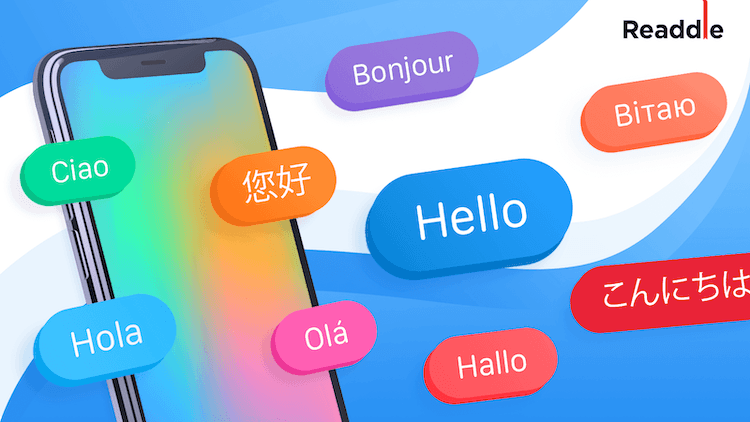
Credit: www.businessofapps.com
Strategies For Effective Localization
Smartphone app localization ensures apps resonate with diverse audiences. Tailor language, cultural nuances, and design for each market. Prioritize user experience to boost engagement and satisfaction worldwide.
Localizing a smartphone app is a crucial step in reaching a global audience effectively. It’s not just about translating the text; it’s about adapting your app to fit the cultural context and user expectations of different regions. This involves strategic planning and execution. Let’s dive into some practical strategies that can make your app localization a success.Target Market Analysis
Understanding your target market is the cornerstone of effective localization. Research the cultural nuances, language preferences, and user behavior in each region. A friend once shared how his app flopped in Japan because he hadn’t realized the importance of specific color schemes that were culturally significant there. Use demographic data and user feedback to guide your efforts. Tailor your app to meet the specific needs and expectations of your target audience. What might work for users in the United States could be less effective in India or China.Content Adaptation
Content is king, but it needs to wear the right crown in different countries. Adapt your content to match the local culture, values, and interests. This means not only translating words but also considering images, symbols, and even idioms. Imagine your app features a joke about baseball. That might be a hit in the U.S., but could fall flat in countries where baseball isn’t popular. Replace it with something relatable to the local audience. Ensure your content resonates emotionally with users. This connection can significantly increase user engagement and satisfaction.User Interface Adjustments
The user interface (UI) is where users interact with your app, and it must be intuitive and appealing across different cultures. Consider how different languages might affect your UI design. A language like German might require more space than English due to longer words. Colors and layout preferences can vary widely. An app popular in the U.K. might need a visual overhaul to attract users in China. Test your UI with native speakers to identify potential issues. Their feedback can provide invaluable insights into how your design is perceived. Are you ready to take your app to new markets? Focus on these strategies to ensure your app feels local in any region. Your users will appreciate the attention to detail and care you put into making your app a seamless part of their digital lives.Tools And Technologies
Smartphone app localization is crucial in today’s global market. Developers need tools and technologies to reach diverse audiences. These tools simplify the process, making apps accessible worldwide. Learn about platforms, automated tools, and software that ensure quality.
Localization Platforms
Localization platforms streamline app adaptation for different languages. They offer centralized systems for translation management. These platforms support collaboration among team members. Many platforms provide real-time updates. This ensures efficient workflow and quick adjustments.
Automated Translation Tools
Automated translation tools speed up the localization process. They use AI to translate text quickly. These tools reduce manual effort significantly. While helpful, they might miss cultural nuances. Combining them with human review improves accuracy.
Quality Assurance Software
Quality assurance software checks translations for errors. It ensures consistency across various app sections. This software identifies context issues and linguistic mistakes. Developers rely on these tools to maintain high standards. Quality assurance is vital for user satisfaction.
Role Of Professional Translators
Professional translators are vital in smartphone app localization. They adapt app content to fit various languages and cultures. This ensures users worldwide understand and enjoy the app seamlessly.
Smartphone app localization is crucial for reaching global audiences. At the heart of this process are professional translators, who play a pivotal role in ensuring your app resonates with users across different cultures and languages. Their expertise goes beyond mere translation, capturing nuances and cultural contexts that can make or break the user experience.The Importance Of Cultural Nuances
Professional translators understand that words have different meanings depending on cultural contexts. They ensure your app’s content respects and reflects local customs and traditions. This attention to detail prevents misunderstandings and fosters a positive connection with users.Accuracy In Technical Terms
Translating technical jargon requires precision. Professional translators specialize in industry-specific language, ensuring that technical terms in your app are accurately conveyed. This is critical for apps in sectors like finance, healthcare, or technology, where accuracy is paramount.Maintaining Brand Voice
Your brand has a unique voice. Translators work meticulously to maintain this voice across languages. They adapt content while preserving tone, ensuring your brand message remains consistent and recognizable worldwide.Ensuring Legal Compliance
Different countries have varying legal requirements for app content. Professional translators help navigate these regulations by ensuring translations comply with local laws. This is essential to avoid potential legal issues and ensure smooth operations in new markets.Why Not Use Machine Translation?
Machine translation may seem tempting due to its speed. However, it often lacks the cultural sensitivity and contextual understanding that human translators provide. Would you trust a machine to capture the subtle humor or emotional impact of your app content? Probably not.Personal Experience: The Human Touch
I once worked on a project where a simple phrase was translated by a machine without context, leading to confusion and frustration among users. It was the human translator who stepped in, understood the cultural backdrop, and provided a translation that not only made sense but also delighted users. This taught me that the human touch is irreplaceable.Investing In Expertise Pays Off
Hiring professional translators might seem like an extra cost. But consider the long-term benefits of user satisfaction and increased engagement. Wouldn’t you rather invest in expertise that ensures your app’s success across borders? Professional translators are the bridge between your app and global users. Their role is indispensable in creating an app experience that feels familiar, respectful, and engaging to users everywhere. As you plan your app localization, think about the value they add. Are you ready to make your app truly global?Case Studies
Smartphone app localization is crucial for global success. It ensures apps meet cultural and linguistic needs of users worldwide. Case studies provide valuable insights into effective localization strategies.
Successful Localization Examples
WhatsApp has successfully localized its app. It supports over 60 languages. This broad language support helped its global reach. Users connect easily in their preferred language.
Spotify’s localization strategy is noteworthy. It offers region-specific music recommendations. This personalized approach increased user engagement. It understands cultural preferences well.
Lessons Learned From Failures
Some apps failed in localization. A popular app struggled with translation. It used machine translation without human review. Users found the translations confusing. This led to decreased usage.
Another app ignored cultural sensitivities. It used images unsuitable for certain regions. This oversight affected its reputation. Understanding cultural norms is vital.
Future Trends
Smartphone app localization is becoming crucial for reaching global audiences. Companies focus on adapting apps to different languages and cultures. This trend enhances user experience and boosts app downloads worldwide.
Smartphone app localization is evolving rapidly. As technology advances, new trends emerge that shape the future of app localization. These trends focus on enhancing user experience and expanding market reach. Understanding these trends helps developers create apps that resonate globally.Ai And Machine Learning
AI and machine learning are transforming app localization. They automate translation processes, making them faster and more accurate. Developers use AI to predict language preferences. Machine learning improves text translation by learning from user interactions. AI tools offer real-time translations, enhancing user engagement. This technology adapts content to local cultures effectively. Machine learning improves app personalization, tailoring features to user needs. AI-driven tools reduce costs and time, streamlining localization efforts.Emerging Markets
Emerging markets offer exciting opportunities for app localization. These regions show rapid smartphone adoption. Localization opens access to vast user bases. Apps that cater to local languages gain popularity. Cultural adaptation attracts more users in these markets. Developers focus on regional preferences. Customization enhances app acceptance and usage. Emerging markets drive growth in app downloads. Understanding local needs helps developers succeed. Localization in these markets expands global presence.
Credit: poeditor.com
Frequently Asked Questions
What Is App Localization In Smartphones?
App localization involves adapting a smartphone app for different languages and regions. It includes translating text, modifying cultural content, and adjusting design elements to ensure the app resonates with local users. Effective localization enhances user experience and boosts app downloads by making it relevant to diverse audiences.
Why Is App Localization Important?
Localization is crucial for reaching global markets. It enables apps to cater to specific cultural preferences and linguistic needs. This increases user engagement and retention rates. Localized apps are more likely to succeed internationally, as they offer a personalized experience that resonates with users from different regions.
How Does Localization Affect App Design?
Localization impacts app design by necessitating changes in layout, text length, and image choices. Designers must ensure the app remains user-friendly across languages. This may involve tweaking the interface to accommodate longer translations or selecting culturally appropriate visuals. Effective design adjustments enhance usability and accessibility.
What Challenges Are Faced In App Localization?
Challenges include managing diverse languages, cultural nuances, and maintaining consistency. Developers must ensure accurate translations and adapt content to fit local norms. Technical issues like text expansion and font compatibility can arise. Overcoming these challenges requires thorough planning and collaboration with native speakers.
Conclusion
Smartphone app localization is essential in today’s global market. It enhances user experience, making apps accessible to diverse audiences. Localized apps attract more users and boost engagement. It builds trust by speaking users’ language, literally and figuratively. This process involves adapting language, culture, and functionality.
Companies investing in localization see higher satisfaction rates. They also gain competitive advantage in international markets. Start small, but think global. A localized app is not just a translation. It’s a commitment to understanding and valuing users worldwide. Embrace localization, and watch your app’s reach grow.