

Imagine transforming your space into a dynamic environment where sound and sight come together seamlessly. This is the power of audio visual applications.
Whether you’re looking to enhance your home entertainment system, upgrade your business presentations, or create immersive experiences at events, audio visual technology is at the forefront of making it all possible. You’re about to discover how these applications can redefine your world, making it more engaging and efficient.
With the right setup, you can communicate ideas more clearly, captivate your audience, and create unforgettable memories. But how do you harness this technology to its full potential? What are the key elements to consider for a successful audio visual setup? Stay with us as we delve into the exciting realm of audio visual applications, where you’ll learn everything you need to know to make informed decisions. This article is your guide to understanding the impact and possibilities of integrating audio visual systems into your life.
Evolution Of Audio Visual Technology
The evolution of audio visual technology has transformed how we experience media. From early inventions to today’s digital marvels, this field has seen remarkable growth. Understanding this journey helps appreciate the innovation in our daily media interactions.
Early Innovations
Early audio visual technology laid the groundwork for future advances. The phonograph, invented by Thomas Edison, was a groundbreaking device. It allowed people to record and playback sound for the first time. Soon after, the first motion pictures captured the world’s attention. These early films were silent, but they were a major step forward. They paved the way for integrating sound and video.
In the 1920s, the introduction of the talkies changed cinema. Films with synchronized soundtracks became popular. This era marked a significant leap in entertainment. It set the stage for more complex audio visual systems.
Digital Revolution
The digital revolution reshaped audio visual technology. Analog systems gave way to digital formats. CDs and DVDs replaced tapes and film reels. This shift offered better quality and more storage options. It also enabled easier editing and distribution of content.
The rise of the internet further transformed this landscape. Streaming services became the norm. People could access vast libraries of content instantly. Smart devices made audio visual experiences portable and personal. High-definition and 4K technologies improved visual clarity. Surround sound systems enhanced auditory experiences. These advancements have made audio visual media more immersive and accessible.
Today, technology continues to evolve rapidly. Virtual reality and augmented reality offer new ways to engage with media. The future of audio visual technology promises even more exciting developments.
Impact On Business Communication
Audio visual applications transform business communication. They make interactions seamless and effective. Technology bridges the gap between geographical distances. Companies utilize these tools to enhance their communication strategies.
Virtual Meetings
Virtual meetings are now essential in business settings. They allow team members to connect from anywhere. Video conferencing tools provide real-time interaction. Teams share ideas without the need for travel. This saves time and reduces costs. Participants can see and hear each other clearly. This boosts understanding and engagement. Virtual meetings improve productivity and decision-making.
Interactive Presentations
Interactive presentations captivate audiences. They turn passive viewers into active participants. Visual aids enhance the message. Presenters use dynamic slides and multimedia elements. This keeps the audience engaged. Interactive tools allow real-time feedback. Attendees can ask questions and share opinions instantly. This enriches the communication process. Businesses convey complex information easily. Interactive presentations leave a lasting impact.
Educational Advancements
In recent years, educational advancements have surged forward with the help of audio-visual applications. These tools have transformed how students learn and teachers instruct. You’ve probably noticed how technology is reshaping traditional classroom dynamics. But what specific applications are driving this change? Let’s dive into the details.
E-learning Platforms
E-learning platforms have become the backbone of modern education. They offer flexibility and access to a wealth of resources. Imagine having a library at your fingertips, no matter where you are. This is the reality for many students today.
These platforms support a variety of learning styles. Whether you prefer videos, podcasts, or interactive quizzes, there’s something for you. This diversity means you can learn at your own pace and in your preferred way.
Consider the convenience of not being bound by classroom schedules. You can study at midnight or take a break whenever you need. How has this flexibility changed your approach to learning?
Virtual Classrooms
Virtual classrooms bring the social aspect of learning into the digital realm. They allow real-time interaction between students and teachers. This setup mimics the traditional classroom but with added perks.
Think about the ability to attend classes from anywhere in the world. Have you ever joined a lecture from your living room couch? This global access broadens educational opportunities for everyone.
Teachers can use audio-visual tools to make lessons more engaging. Imagine a history lesson enhanced with documentaries or an art class with virtual museum tours. Wouldn’t this make learning more intriguing and memorable?
As you navigate these educational advancements, consider how they enhance your learning experience. Are you taking full advantage of these tools? The future of education is unfolding right before our eyes, and it’s more interactive than ever.

Credit: www.kickresume.com
Enhancing Entertainment Experiences
Audio visual applications are transforming how we experience entertainment. Imagine watching your favorite movie and feeling like you’re inside the action. Or attending a concert from the comfort of your home, but with the thrill of a live audience. These technologies are not just changing how entertainment is delivered, but how you experience it. Let’s dive into how immersive media and live streaming are enhancing entertainment experiences in ways you never imagined.
Immersive Media
Immersive media transports you to another world. Technologies like virtual reality (VR) and augmented reality (AR) allow you to interact with content in a way that feels real.
Have you tried VR gaming? You’re not just playing; you’re in the game. Imagine fighting dragons or exploring alien planets with your friends, experiencing every twist and turn firsthand. These experiences are not just about entertainment; they’re about feeling like you’re part of the story.
But immersive media isn’t limited to gaming. Think about virtual tours of museums or historical sites from around the globe. You can walk through the Louvre or explore Machu Picchu, all from your living room. How could this change the way you learn and explore?
Live Streaming
Live streaming is bringing entertainment to your fingertips. Whether it’s a concert, a sports event, or a live Q&A with your favorite celebrity, you no longer need to be physically present to enjoy the moment.
Have you ever watched a live concert online? The energy is palpable, the audience is roaring, and you feel connected, even from miles away. Live streaming makes events accessible, allowing you to share experiences with friends and family, no matter where they are.
Consider hosting a virtual watch party for a big game or a movie premiere. You can chat, laugh, and react together, creating shared memories despite the distance. What event would you love to experience live from your home?
Audio visual applications are opening doors to experiences we once thought impossible. They’re changing how you interact with media, making entertainment more engaging and accessible than ever before. What new experience will you try today?
Healthcare Applications
Audio visual applications in healthcare enhance patient care by providing visual aids for diagnosis and treatment. These tools improve communication between doctors and patients, making complex information easier to understand. With real-time video consultations, healthcare becomes more accessible, especially for remote patients.
In today’s fast-paced world, healthcare applications of audio-visual technology are transforming the way medical professionals and patients interact. These applications are not only enhancing communication but also improving access to healthcare services. Whether you’re a healthcare provider or a patient, the integration of audio-visual tools can make a significant difference in your healthcare experience.Telemedicine
Imagine being able to consult a specialist without leaving your home. Telemedicine allows you to do just that. It’s a game-changer for those living in remote areas or those with mobility issues. Audio-visual applications in telemedicine connect patients with doctors through video calls. This reduces travel time and costs while ensuring timely medical advice. Think about the convenience of discussing your symptoms with a doctor over a secure video platform. You can receive prescriptions and follow-up appointments without stepping into a clinic.Medical Training
Audio-visual technology is reshaping medical training. It opens doors to interactive learning experiences that were once unimaginable. Medical students can now watch live surgeries and engage in virtual simulations, enhancing their understanding and skills. This hands-on approach prepares them better for real-life scenarios. Consider how video conferencing can connect trainees with experts worldwide. You could participate in global workshops and discussions, broadening your knowledge and perspectives. The benefits are clear: better trained professionals lead to improved patient care. How might these advancements affect the future of healthcare?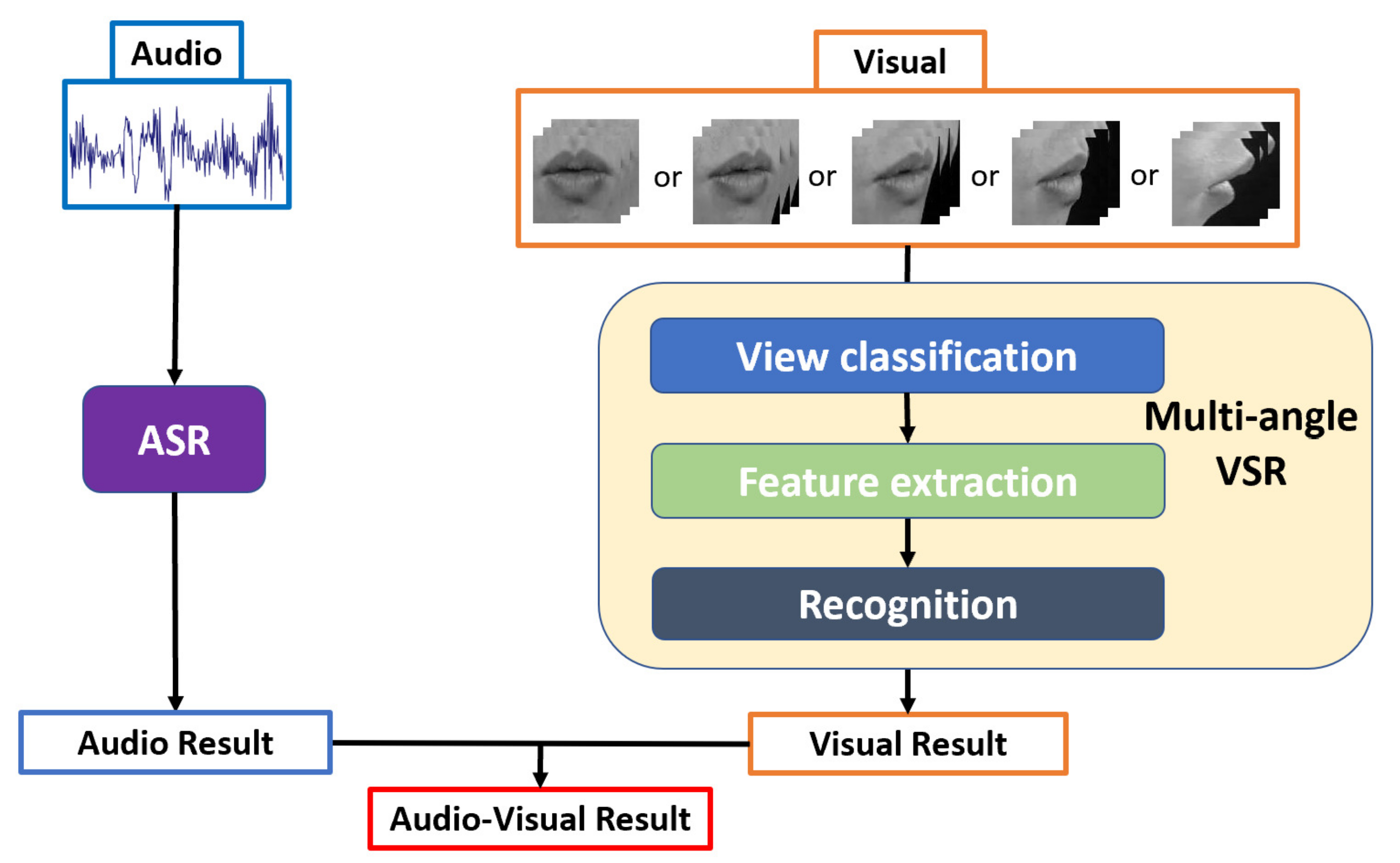
Credit: www.mdpi.com
Challenges And Solutions
Audio visual applications face challenges like synchronization issues and limited compatibility. Solutions include using advanced software tools and ensuring system updates. These steps help improve performance and user experience, making technology more accessible and efficient.
In the rapidly evolving world of audio-visual applications, it’s easy to get swept up in the promise of cutting-edge technology and seamless integration. Yet, beneath the surface, there are significant challenges that need addressing to truly harness the power of these tools. By understanding these obstacles and identifying practical solutions, you can make informed decisions that enhance your user experience and improve your overall system performance.Technical Limitations
Technical limitations can feel like an insurmountable barrier. Have you ever experienced a lag during a video conference, leaving you scrambling to catch up? This is a common issue with bandwidth constraints and outdated hardware. Upgrading your network infrastructure can alleviate these problems. Opt for high-speed internet connections and ensure your hardware is compatible with the latest audio-visual software. Regular updates and maintenance checks can prevent unexpected glitches and improve overall performance.Accessibility Issues
Accessibility remains a crucial, yet often overlooked, aspect of audio-visual applications. Think about a time when you couldn’t hear a presentation clearly due to poor audio quality. This can exclude users with hearing impairments and reduce engagement for everyone. Implementing features like closed captions and adjustable audio levels can make a world of difference. These small changes ensure everyone, regardless of ability, can participate fully. Regularly testing your applications with diverse user groups can uncover new accessibility challenges and solutions. Are there specific challenges you’ve faced with your audio-visual systems? Exploring these issues and brainstorming solutions might lead to unexpected improvements. Engage with this process actively, and you’ll find that what seemed like a stumbling block could transform into an opportunity for innovation.Future Trends
Audio visual applications are evolving rapidly with cutting-edge technologies. Virtual reality and augmented reality are creating immersive experiences. Artificial intelligence enhances content creation, making interactions smarter and more engaging.
In the world of audio-visual applications, staying ahead means embracing what’s on the horizon. Future Trends are poised to reshape how we interact with technology in our everyday lives. Whether it’s enhancing your movie-watching experience or revolutionizing your business presentations, understanding these trends can give you a competitive edge.Ai Integration
Imagine walking into a room and having your smart system adjust the lights, sound, and visuals to suit your mood. AI integration is making this possible. AI is not just about automating tasks; it’s about creating personalized experiences. It learns your preferences and anticipates your needs, making audio-visual applications more intuitive. Consider this: if you’ve ever wished for a seamless transition between your home and office setups, AI could make it happen. What if your devices knew exactly when to switch from a conference call setup to a gaming mode, without you lifting a finger? That’s the future knocking at your door.Augmented Reality
Augmented Reality (AR) is breaking boundaries in the audio-visual field. It’s not just about overlaying digital content on the real world; it’s about enhancing your reality. Think of AR as your personal guide. Imagine walking through a museum and having historical facts pop up as you gaze at an exhibit. It’s like having an expert by your side, without the crowd. In the business world, AR can transform presentations. Instead of static slides, visualize data in 3D, making complex concepts easier to understand. Have you ever struggled to explain a technical idea? AR can turn abstract into tangible. These trends are not just futuristic fantasies. They are shaping the way you experience technology. Are you ready to embrace them and redefine your audio-visual interactions?
Credit: www.researchgate.net
Frequently Asked Questions
What Is An Audio Visual Application?
An audio visual application integrates sound and visual elements for interactive experiences. It enhances communication, entertainment, and education by combining audio and video. Such applications are commonly used in presentations, video conferencing, and multimedia content creation, providing users with dynamic and engaging platforms.
How Do Audio Visual Applications Work?
Audio visual applications work by synchronizing sound and visual elements to create immersive experiences. These applications use software and hardware to process audio and video signals. They deliver content through devices like computers, projectors, and speakers, ensuring seamless integration and interaction between users and content.
Why Are Audio Visual Applications Important?
Audio visual applications are important because they enhance communication and engagement. They provide dynamic and interactive experiences, making information more accessible. In education, business, and entertainment, they facilitate better understanding and retention, allowing users to interact with content in a more meaningful way.
Where Are Audio Visual Applications Used?
Audio visual applications are used in various sectors including education, entertainment, and business. They are employed in classrooms for teaching, in cinemas for movies, and in conferences for presentations. Their versatility allows them to enhance communication and engagement across different industries.
Conclusion
Audio visual applications enhance learning and communication. They simplify complex ideas. Users enjoy immersive experiences and engaging content. These tools support creativity and collaboration. They enrich presentations and boost audience interaction. With easy-to-use interfaces, they suit all skill levels. Businesses, schools, and individuals find them valuable.
They meet diverse needs and cater to various industries. Keeping up with technology trends ensures effective use. Explore options and find what fits best. Remember, good audio visual tools make a difference. Use them wisely to improve understanding and enjoyment.
Embrace the benefits they offer in everyday life.



