
Affiliate Disclosure: This post may contain affiliate links. If you purchase through links on our site, we may earn an affiliate commission at no extra cost to you.
Imagine a world where your data is always safe and accessible, no matter what happens to your device. That’s the magic of a nonvolatile storage device.
Whether you’re safeguarding precious family photos or crucial business documents, you want assurance that your information won’t just disappear. You’re probably tired of dealing with data loss and the frustration it brings. Well, you’re not alone. Many are seeking reliable solutions to protect their digital assets.
As you read on, you’ll discover how these devices offer a dependable way to store data without power. You’ll learn why they are essential for anyone who values their information and how they can transform your digital experience. Get ready to unlock the secrets of nonvolatile storage and gain peace of mind with your data.
Nonvolatile Storage Basics
Understanding nonvolatile storage is essential in today’s digital era. Whether you’re storing precious photos or important documents, you rely on devices that can retain data without power. But have you ever wondered how these devices work or how they’ve evolved over the years?
Definition And Characteristics
Nonvolatile storage devices are those that retain information even when not powered. Unlike volatile memory, which loses data when the power is off, nonvolatile storage ensures your data is preserved long-term. Think of it as your reliable digital filing cabinet.
Key characteristics include durability, reliability, and the ability to store data permanently. Devices like SSDs, USB drives, and memory cards fall under this category. They are pivotal in safeguarding your digital life.
Consider how often you access data stored on your phone or laptop. Every time you do, you’re benefiting from nonvolatile storage. It’s the unsung hero behind the scenes ensuring your data is there when you need it.
Historical Development
The journey of nonvolatile storage began with punch cards and magnetic tapes. These early forms laid the groundwork for today’s sophisticated devices. As technology advanced, so did the capacity and speed of storage devices.
Remember floppy disks? They were once the pinnacle of data storage. Today, they’ve been replaced by more efficient and compact devices like USB drives and SSDs. This evolution has made data storage faster, more reliable, and more accessible.
Have you ever reflected on how quickly technology has evolved? From bulky, slow devices to sleek, lightning-fast storage solutions, the transformation is remarkable. It makes you wonder: what’s next for nonvolatile storage?
As you explore the world of nonvolatile storage, consider its impact on your daily life. Whether you’re a tech enthusiast or just someone who values their digital memories, understanding these basics can offer a new appreciation for the technology you use every day.
Types Of Nonvolatile Storage
In today’s digital era, nonvolatile storage devices are essential for preserving your data even when the power is off. These devices ensure your files, photos, and documents are safe and ready when you need them. Let’s dive into some popular types: Flash Memory, Solid-State Drives, and Magnetic Storage.
Flash Memory
Flash memory is a compact and reliable storage option. You might have used it in USB drives or your smartphone. It doesn’t need power to maintain data, which is a big plus for portable devices.
Consider the convenience it brings. You can easily transfer photos from your camera to your computer using a flash memory card. It’s like having a digital suitcase that carries your memories wherever you go.
Have you ever wondered how it keeps your data safe without electricity? It uses a special method to store electrons in cells, ensuring your files stay intact.
Solid-state Drives
Solid-State Drives (SSDs) are like the sprinters of storage devices. They’re fast and efficient, making them perfect for your laptop or gaming console. If you’ve ever switched from a traditional hard drive to an SSD, you’ve likely noticed the speed difference.
SSDs use flash memory technology but on a larger scale. Imagine loading your favorite game or software almost instantly. It’s all thanks to the absence of moving parts, which makes SSDs quicker and more durable.
How does this speed impact your daily tasks? Faster boot times mean less waiting and more doing, enhancing productivity.
Magnetic Storage
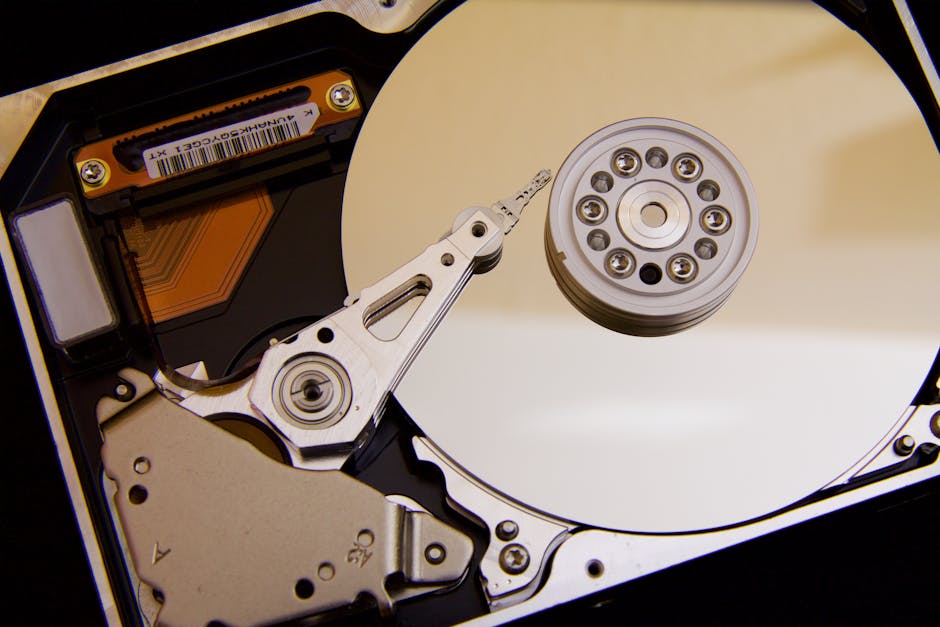
Magnetic storage might seem old-fashioned, but it’s still widely used. Think of hard disk drives in desktops or large servers. They use magnetic fields to store data, which is a tried and tested method.
While they aren’t as quick as SSDs, they offer larger storage capacities at a lower cost. Have you faced a situation where you need to store tons of data, like movies or backups? Magnetic storage is your go-to option.
What do you value more: speed or capacity? Your answer might determine the type of storage you choose.
So, next time you select a storage device, think about how each type aligns with your needs. Whether it’s speed, portability, or capacity, understanding these types helps you make informed choices.
Advantages Of Nonvolatile Storage
Nonvolatile storage devices have become essential in our digital world, offering distinct advantages over their volatile counterparts. These devices ensure that data remains intact even when the power is off, making them invaluable for both personal and professional use. Let’s dive into some key benefits that make nonvolatile storage a preferred choice.
Data Retention
Imagine losing all your important files just because your computer shuts down unexpectedly. Nonvolatile storage devices prevent this nightmare. They retain data without needing a continuous power supply, ensuring your files are safe and accessible whenever you need them.
Think about how many times you’ve stored photos, important documents, or projects on a device. The peace of mind knowing they won’t vanish due to power loss is priceless. This reliability is a game-changer for anyone managing critical information.
Energy Efficiency
Nonvolatile storage devices consume less power compared to volatile ones. This means your devices can run longer on battery power, saving you the hassle of frequent recharging. It’s a win for both your productivity and the environment.
Ever noticed how your laptop or smartphone battery drains quickly? With energy-efficient storage, you can extend your device’s life between charges. Plus, using less power can contribute to a greener planet, a small step towards sustainability.
Durability And Reliability
Nonvolatile storage devices are built to withstand physical wear and tear better than many other types. They’re less likely to fail from drops or bumps, making them ideal for mobile devices and active lifestyles.
Reflect on the times you’ve accidentally dropped your phone or jostled your laptop. It’s reassuring to know that your storage device won’t easily crumble under pressure. Reliability in everyday scenarios is crucial, especially when you’re on the go.
With these advantages, nonvolatile storage proves to be a practical choice for safeguarding your data. How would you feel knowing your digital memories and crucial files are secured against power outages and physical damage?
Credit: link.springer.com
Impact On Technology And Industry
Nonvolatile storage devices have significantly influenced technology and industry. These devices retain data without power. This feature is essential in a digital age. Industries rely on reliable data storage for operations. Nonvolatile storage ensures data safety. It supports various technological advancements.
Consumer Electronics
Nonvolatile storage is vital in consumer electronics. Smartphones use it to store apps and data. Tablets benefit from it too. It ensures data remains after shutdown. Cameras use it for images and videos. This enhances user experience.
Enterprise Data Solutions
Enterprises depend on nonvolatile storage for data solutions. It helps in managing vast data. Businesses use it for data backups. It ensures data availability and security. Companies can access data quickly. This efficiency boosts productivity.
Cloud Computing
Cloud computing thrives on nonvolatile storage. It provides reliable data access. Users can store data remotely. It supports seamless data retrieval. Cloud providers use it for data replication. This ensures minimal downtime.
Challenges And Limitations
Nonvolatile storage devices face challenges in ensuring data integrity during power outages. Limited write cycles can affect long-term usability. They may struggle with speed compared to volatile storage, impacting efficiency in data-intensive tasks.
Navigating the world of nonvolatile storage devices can be fascinating, yet it comes with its own set of challenges and limitations. As you dive into this realm, understanding these obstacles will help you make informed decisions. From financial implications to security concerns, there are several aspects worth considering.
Cost Considerations
Nonvolatile storage devices, like SSDs, often come with a hefty price tag compared to traditional hard drives. This can make upgrading or purchasing new equipment a significant financial decision. Consider whether the speed and reliability gains justify the expense for your specific needs. You might find the cost prohibitive, especially for larger storage needs. Bulk storage solutions often favor traditional hard drives due to their affordability.
Write/erase Cycles
Did you know that nonvolatile storage devices have a limited number of write/erase cycles? This means every time data is rewritten, the device edges closer to its lifespan. While this might not be a daily concern, it’s something to keep in mind over the years. Think about the types of data you frequently modify. If you often update large files, your device might wear out faster than anticipated. Regular backups and monitoring can help extend its life.
Security Concerns
Data security is crucial, especially if you’re storing sensitive information. Nonvolatile storage devices are vulnerable to data breaches if not properly secured. This raises questions about how safe your information truly is. Encryption and regular security updates can mitigate these risks. It’s important to stay informed about the latest threats and how to protect your data effectively. Have you assessed the security measures in place for your devices? By understanding these challenges and limitations, you can make better choices for your storage needs. What steps will you take to address these issues in your own digital environment?
Credit: link.springer.com
Future Prospects
Nonvolatile storage devices have a bright future ahead. They store data without power. This feature makes them essential in modern technology. The demand for reliable storage solutions is growing. As technology evolves, these devices must adapt. Let’s explore their future prospects.
Innovations In Storage Technology
Storage technology is evolving rapidly. Researchers are developing faster and more efficient devices. New materials and methods are emerging. These innovations aim to increase storage capacity. They also seek to reduce costs. With continued research, storage devices will become even more reliable.
Potential Market Growth
The market for nonvolatile storage is expanding. Data needs are increasing across sectors. From personal devices to large data centers, storage is crucial. Analysts predict significant growth in this market. As more devices connect to the internet, storage demand will rise. Companies are investing heavily in this sector.
Integration With Emerging Technologies
Nonvolatile storage integrates with new technologies. It plays a key role in artificial intelligence. AI systems require vast amounts of data. These devices provide the necessary storage. In the Internet of Things, they are also vital. They store data from countless connected devices. This integration boosts their importance in the tech world.
Frequently Asked Questions
What Is A Nonvolatile Storage Device?
A nonvolatile storage device retains data even when power is off. It’s crucial for long-term data storage. These devices include SSDs, HDDs, and flash drives. They ensure data preservation, making them essential for computers and digital devices. Unlike volatile memory, they don’t require constant power to maintain information.
How Does Nonvolatile Storage Work?
Nonvolatile storage works by maintaining data without power. It uses magnetic or electronic mechanisms to store information. Data is preserved through physical or digital structures. This allows retrieval even after power loss. It contrasts with volatile storage, which loses data when power is off.
Why Is Nonvolatile Storage Important?
Nonvolatile storage is important for data retention and reliability. It ensures data isn’t lost during power outages. This is critical for businesses and individuals needing long-term data access. It safeguards information, providing a stable and secure storage solution. It’s essential for storing important documents and files.
What Are Examples Of Nonvolatile Storage Devices?
Examples include hard disk drives, solid-state drives, and USB flash drives. These devices store data permanently, even without power. They are widely used in computers, phones, and cameras. Nonvolatile storage is key for maintaining data integrity and accessibility. It’s vital for both personal and professional data storage needs.
Conclusion
Nonvolatile storage devices play a crucial role in data retention. They keep information safe, even when the power is off. This reliability makes them essential for computers and other devices. These storage options offer various benefits, including durability and efficiency.
They help ensure data is available when needed. Understanding their importance helps users make informed choices. With technology evolving, knowing about these devices is key. Explore different options for your needs. Choose wisely to keep your data secure. Remember, reliable storage means peace of mind.
Stay informed and make the best decisions for your digital world.



