
Imagine walking into a room and instantly being transported to another world through the power of sound and visuals. That’s the magic of audio visual technology.
Whether you’re setting up a home theater, planning an event, or looking to enhance your business presentations, understanding the basics of audio visual, or AV, is key. In “Audio Visual 101,” we’ll break down everything you need to know to make the most of this captivating technology.
You’ll discover how AV can transform your space, captivate your audience, and elevate your experience. So, if you’re ready to unlock the secrets behind the screens and speakers, keep reading. Your journey to mastering audio visual technology starts here!
Basics Of Audio And Visual
Understanding audio and visual basics can enhance communication and presentations. These elements capture attention and convey information effectively. They transform ordinary presentations into engaging experiences. With basic knowledge, anyone can harness the power of sound and visuals.
Audio refers to sound, including music, voice, or ambient noise. Visuals include images, videos, or graphics. Together, they create a complete sensory experience. Mastering their basics is crucial for any content creator.
Key Terminologies
Understanding key terminologies is essential in audio visual (AV) settings. Audioinvolves sound elements like pitch, frequency, and volume. Visualrefers to components such as resolution, aspect ratio, and frame rate.
Resolutiondefines image clarity. Aspect ratiodescribes width to height proportions. Frame ratemeasures the number of frames displayed per second. These terms help in creating quality AV content.
Familiarity with these terms boosts confidence in using AV tools. It ensures better communication with technicians and producers.
Importance Of Av Integration
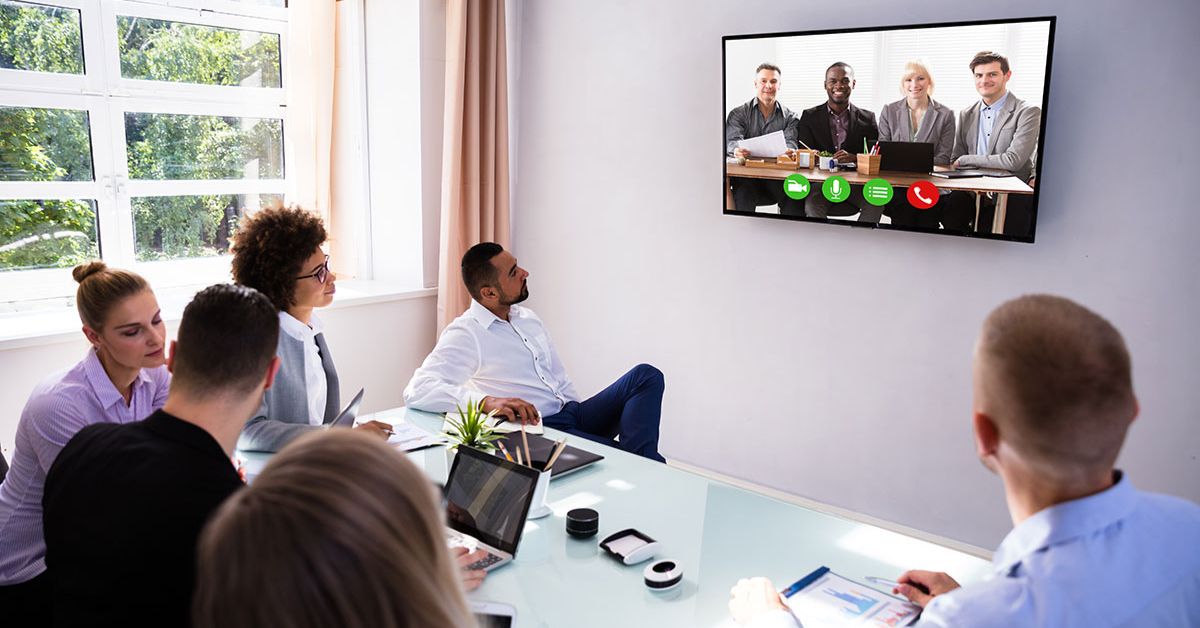
AV integration plays a critical role in modern presentations. It combines sound and visuals seamlessly. This integration captures audience attention and enhances message delivery.
Proper AV integration ensures content is clear and engaging. It creates an immersive experience for the audience. Effective integration boosts understanding and retention of information.
Incorporating both elements enhances communication. It provides a richer, more dynamic experience. AV integration is essential in education, business, and entertainment sectors.
Credit: proavdc.com
Essential Audio Equipment
Audio equipment is the backbone of any successful event, presentation, or performance. Without the right gear, even the most talented presenters or performers can fall flat. Whether you’re setting up for a small gathering or a large conference, understanding essential audio equipment can make all the difference. Dive into the world of microphones, mixers, and speakers, and discover how each component enhances sound quality and elevates your audio experience.
Microphones And Types
Microphones are crucial for capturing sound. They come in various types, each suited for different scenarios. Dynamic microphones are durable and ideal for live performances; they handle loud sounds well without distortion.
Condenser microphones, on the other hand, are sensitive and perfect for studio recordings. They pick up subtle details, providing clarity and precision in sound. Have you ever wondered which microphone best suits your needs?
Consider the environment. For noisy settings, a dynamic mic might be your best friend. In controlled studio spaces, a condenser mic will shine. Personal experiences can guide your choice—think of the times you’ve struggled with unwanted noise interference. The right microphone can eliminate these issues.
Mixers And Their Functions
Mixers are the hub of any audio setup. They allow you to control various audio inputs, adjusting levels and blending sounds. Picture a mixer as the conductor of an orchestra, ensuring every instrument plays in harmony.
Mixers come with different channel options, catering to both small gigs and large productions. A simple mixer with few channels might be sufficient for a solo act, while a complex mixer with multiple channels is essential for bands or events with several speakers.
Have you ever faced challenges balancing sound during an event? Mixers can solve that problem, providing tools to equalize and enhance audio. They offer features like EQ controls and effects, making your audio setup versatile and adaptable.
Speakers And Sound Quality
Speakers bring your audio to life, projecting sound to your audience. Quality speakers ensure that every detail is heard clearly, without distortion or loss of fidelity.
Consider the size and power of speakers based on your venue. Small spaces benefit from compact speakers, while larger venues require powerful ones to fill the area with sound.
Sound quality is paramount. Have you ever been to an event where the audio was muffled or unclear? That’s often due to poor speaker choice. Choose speakers that match the acoustics of your venue and ensure your audience hears every note, word, and beat with clarity.
In your journey of selecting audio equipment, remember that each component plays a crucial role. What experiences have shaped your understanding of sound quality? Share your insights and elevate your next event with the right audio gear.
Fundamental Visual Equipment
Fundamental visual equipment forms the backbone of audio-visual setups. Essential tools like projectors and screens enhance presentations. Good sound systems ensure clear communication and immersive experiences.
In the realm of audio visual setups, understanding the fundamental visual equipment is crucial for creating captivating content. Whether you’re a budding filmmaker, a teacher setting up a classroom, or a business professional crafting a presentation, the right visual tools can make or break your project. Let’s dive into some essential equipment that can elevate your visual storytelling.Cameras And Lenses
Cameras are your main tool for capturing the world around you. Choosing the right camera depends on your needs and budget. For instance, DSLR cameras offer versatility and high-quality images, making them a favorite among photographers and videographers alike. Lenses can dramatically change how your images look. A wide-angle lens captures more of a scene, while a telephoto lens zooms in on distant subjects. Experimenting with different lenses can enhance your storytelling by providing unique perspectives.Lighting Techniques
Lighting is pivotal in setting the mood and highlighting subjects. Even the best camera struggles without proper lighting. Natural light is free and often beautiful, but sometimes you need more control. Consider using LED lights for energy efficiency and adjustable brightness. Softbox lights diffuse light, reducing harsh shadows and adding a professional touch to your visuals. Reflectors are another simple tool that can bounce light onto your subject, illuminating them with ease.Projectors And Screens
Projectors allow you to display your content to a larger audience. When selecting a projector, consider the room size and ambient light. Higher lumen projectors work better in well-lit rooms, ensuring your visuals remain vibrant. Screens are just as important as projectors. A high-quality screen can enhance image clarity and color. Portable screens offer flexibility, perfect for on-the-go presentations or outdoor movie nights. Have you ever struggled with your visual equipment? What strategies helped you overcome those challenges? Sharing your experiences can empower others to tackle similar obstacles with confidence.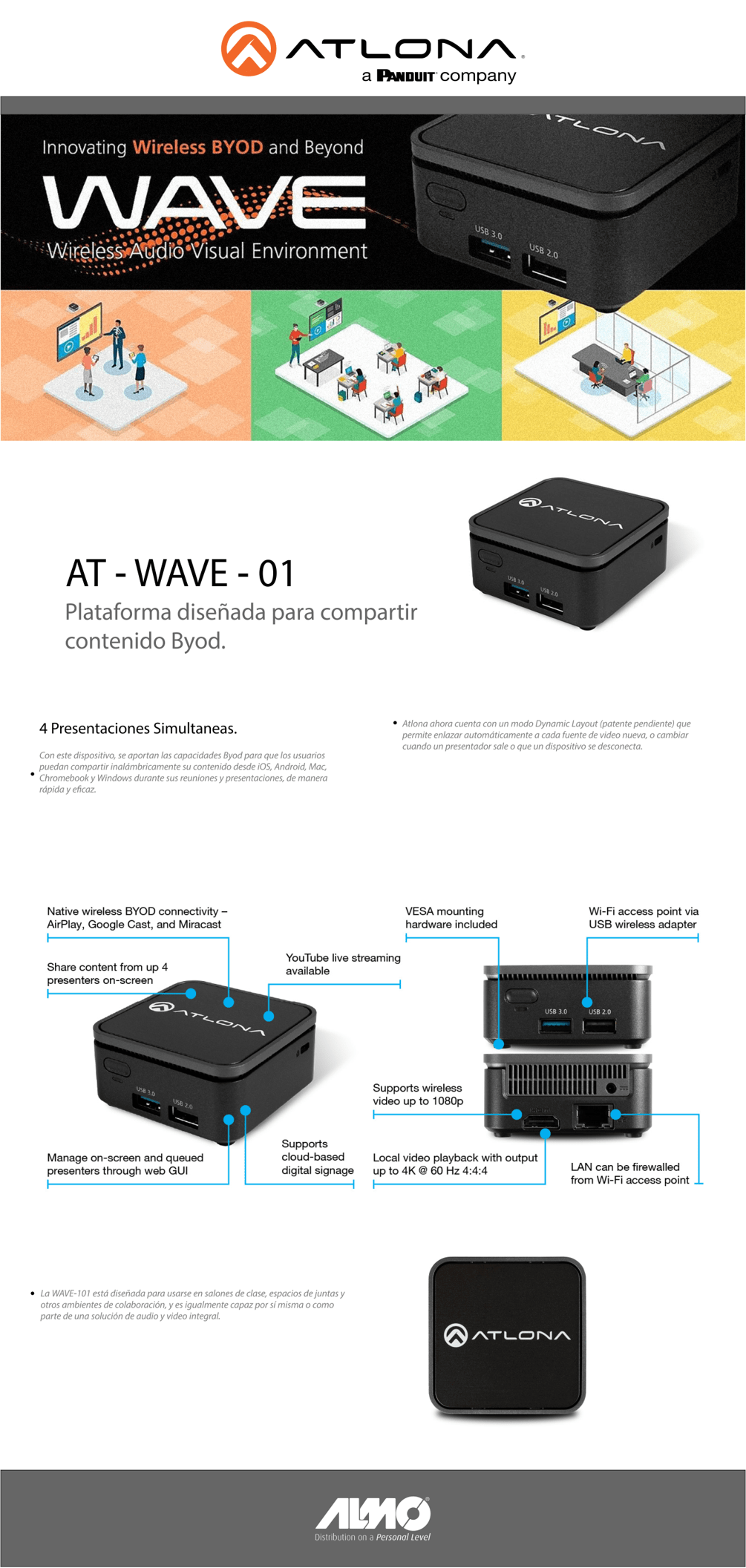
Credit: www.consorciotec.com
Setting Up An Av System
Setting up an AV system involves choosing the right equipment and understanding connections. Proper placement ensures optimal sound and visuals. Familiarize yourself with basic components for seamless integration.
Setting up an AV system can seem daunting. But it doesn’t have to be. With some basic knowledge, you can create an impressive setup. This guide will help you understand the essentials. From space considerations to cabling, each aspect plays a vital role. Let’s dive into the key elements of setting up an AV system.Space And Acoustics
Choose a room with minimal echo. Carpets and curtains help absorb sound. Avoid rooms with too many windows. They can reflect sound waves. Consider the room’s shape. Square rooms might create sound issues. Rectangular rooms work better for sound distribution. Position speakers at ear level for best results.Cabling And Connections
Use high-quality cables for your AV system. Cheap cables can affect sound and video quality. Measure the distance between devices. Ensure cables are long enough. Avoid tangling by organizing cables neatly. Label each cable for easy identification. Check the types of connectors needed. HDMI is common for modern systems. Older devices might require RCA or VGA connections.Troubleshooting Common Issues
Check power connections if devices don’t turn on. Ensure cables are securely plugged in. No sound? Verify speaker connections. Check the volume settings on all devices. Distorted sound might mean a bad cable. Replace it and test again. Video issues? Confirm the correct input is selected on your TV. If problems persist, consult the device manual.Software For Av Production
Audio Visual production has become a cornerstone of digital content creation, and understanding the software tools available can elevate your projects. Whether you’re crafting a podcast, editing a short film, or streaming live events, the right software can make all the difference. Let’s dive into the essentials that will help you enhance your AV production skills.
Audio Editing Tools
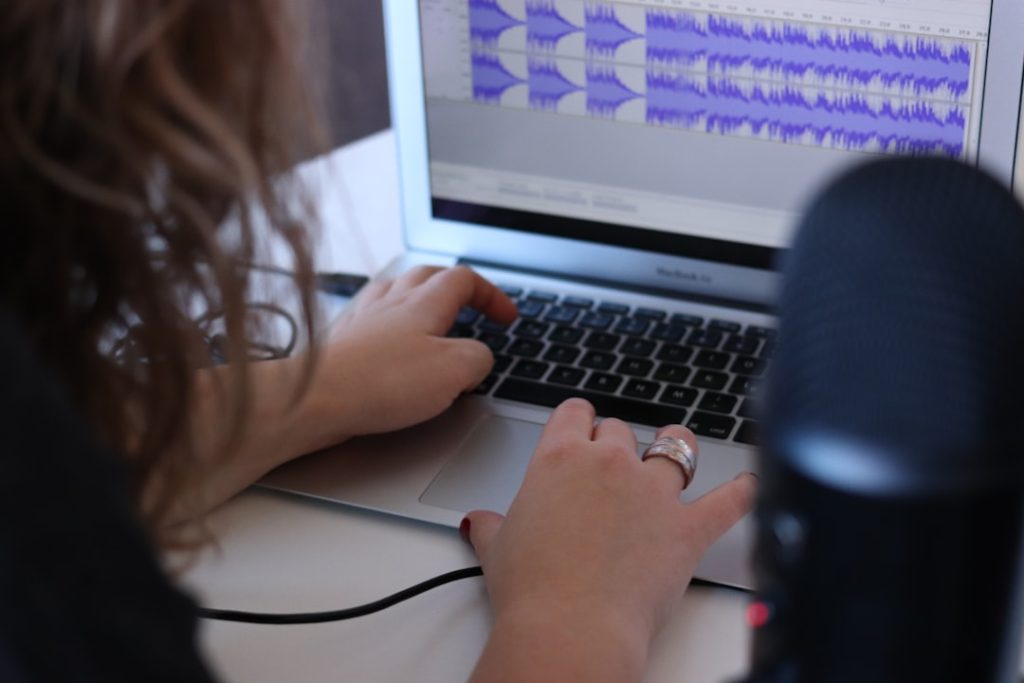
Audio editing software is crucial for refining sound quality and mixing audio tracks. Tools like Audacity and Adobe Audition are popular choices for both beginners and professionals. Audacity is free and open-source, making it perfect for those just starting out. You can easily cut, copy, and paste audio files to create seamless transitions.
Adobe Audition, on the other hand, offers advanced features like multitrack editing and spectral display, ideal for more complex projects. It’s worth investing in if you want to take your audio production to the next level. Have you ever tried editing a podcast episode only to realize the background noise was too distracting? With Adobe Audition, you can effectively reduce unwanted sounds and enhance voice clarity.
Video Editing Software
Video editing software allows you to bring your visual storytelling to life. Programs like Adobe Premiere Pro and Final Cut Pro are industry standards. Adobe Premiere Pro is versatile, offering extensive features like color correction, audio syncing, and various video effects.
Final Cut Pro is particularly favored by Mac users for its intuitive interface and powerful editing capabilities. Imagine transforming raw footage into a cinematic masterpiece with just a few clicks. Both of these programs offer free trials, giving you a chance to explore their features before committing. What kind of visual story do you want to tell?
Live Streaming Platforms
Live streaming is a dynamic way to connect with your audience in real-time. Platforms like OBS Studio and Streamlabs OBS are great for setting up your live streams. OBS Studio is free and open-source, offering customization options for scenes and sources, allowing you to personalize your stream layout.
Streamlabs OBS builds on OBS Studio with added features like integrated chat and alert boxes. This makes it easier to engage with your audience during broadcasts. Have you ever wanted to stream a live Q&A session but felt overwhelmed by the setup process? Streamlabs OBS simplifies the experience, letting you focus on what truly matters—your content and interaction.
Each of these software tools provides unique capabilities that can enhance your AV production. By choosing the right tools, you can streamline your workflow and create compelling audio-visual content. What software will you choose to elevate your next project?

Credit: www.youtube.com
Best Practices For Av Mastery
Embarking on the journey of Audio Visual (AV) mastery can be thrilling. Whether you’re setting up a home theater or managing large-scale events, knowing the best practices is crucial. These guidelines not only ensure smooth operations but also enhance your skills. Let’s dive into the key practices that will elevate your AV expertise.
Safety And Maintenance
Safety should always be your top priority when dealing with AV equipment. Ensure all cables are neatly arranged to prevent tripping hazards. Use cable ties or covers to keep them organized. Regularly inspect your gear for wear and tear. Spotting issues early can save you from costly repairs and potential accidents.
Maintenance is equally important. Keep your equipment clean and dust-free. Use soft cloths and appropriate cleaning solutions to avoid damaging sensitive parts. Schedule routine checks to ensure everything is functioning optimally. A well-maintained setup not only lasts longer but also performs better.
Staying Updated With Trends
The AV world is constantly evolving. New technologies and techniques emerge frequently. Staying updated can give you a competitive edge. Subscribe to industry magazines or blogs. Attend workshops and webinars to learn about the latest innovations.
Consider how these trends can improve your setup. For instance, wireless technology can reduce clutter and enhance aesthetics. Think about how you can integrate these advancements into your work. Are you leveraging modern solutions to make your setup more efficient?
Networking With Av Professionals
Building connections with fellow AV enthusiasts can open doors to new opportunities. Join local AV clubs or online communities. Engage in discussions and share your experiences. Networking can provide insights you might not find in manuals or tutorials.
I remember attending an AV conference and discovering a unique lighting technique from a fellow professional. It transformed my approach to stage design. You never know what you might learn from a casual conversation. Are you actively seeking out these valuable interactions?
Mastering AV isn’t just about technical skills—it’s about cultivating a thoughtful approach. By prioritizing safety, staying informed, and connecting with others, you can elevate your AV endeavors. What steps will you take to enhance your mastery today?
Frequently Asked Questions
What Is Audio-visual Technology?
Audio-visual technology combines sound and visual components to create immersive experiences. It is used in presentations, entertainment, and communication. This technology enhances understanding and engagement by integrating audio and visual elements. It is essential for effective information delivery and audience interaction in various settings.
How Does Audio-visual Equipment Work?
Audio-visual equipment synchronizes sound and visuals for coherent presentations. Speakers produce sound, while projectors display visuals. This equipment converts digital signals into audio and visual outputs. It enables seamless communication, enhancing audience engagement and comprehension during events, meetings, and educational sessions.
Why Is Audio-visual Important In Presentations?
Audio-visuals enhance presentations by making information engaging and memorable. They simplify complex data using visuals and sound. This technology captures attention and improves understanding. Effective audio-visuals lead to more impactful communication, ensuring that the audience retains key messages and ideas.
What Are Common Audio-visual Tools?
Common audio-visual tools include projectors, speakers, microphones, and screens. These tools facilitate effective communication and presentation. They help in displaying visuals and amplifying sound. They are essential for delivering engaging presentations, ensuring clear and impactful message delivery.
Conclusion
Audio visual basics open doors to creative possibilities. Understanding equipment is crucial for effective use. Start with simple tools and gradually explore complex setups. Practice often to hone your skills. Experiment with different styles and techniques. Develop your own unique approach over time.
Remember, patience and persistence are key. Learning audio visual concepts can be fun and rewarding. Stay curious and continue exploring new ideas. Building a strong foundation will help you create engaging content. Keep experimenting and improving your skills. Your journey in audio visual is a step closer to creativity.



