

Have you ever wished for a simple way to boost your mood, sharpen your focus, or enhance relaxation? Imagine harnessing the power of sound and light to transform your mind in just minutes.
Audio Visual Entrainment (AVE) offers exactly that—an innovative method designed to naturally guide your brain into desired states of mind. Whether you’re seeking stress relief or improved mental clarity, AVE could be your key to unlocking a more balanced and focused life.
Dive into this article to discover how AVE works and how it can benefit you in ways you might never have imagined. Your journey to mental wellbeing and productivity might just start here.
The Science Behind Audio Visual Entrainment
Audio Visual Entrainment (AVE) combines sound and light to influence brain activity. It uses rhythmic stimuli to guide the brain into desired states. This process can enhance mental performance and promote relaxation. Understanding the science behind AVE helps in appreciating its benefits.
Research shows that AVE can synchronize brainwaves. This synchronization can lead to improved focus and reduced stress. Let’s explore the science behind this fascinating technology.
Brainwave Synchronization
Brainwave synchronization involves aligning brainwaves with external stimuli. AVE devices use sounds and lights to create a steady rhythm. This rhythm can shift brain activity to desired states. For instance, a calming rhythm may induce relaxation. A faster rhythm could boost alertness and focus.
These changes occur because the brain naturally tries to match external rhythms. This process is known as the frequency following response. It helps in achieving specific mental states without effort.
Neuroplasticity And Cognitive Enhancement
Neuroplasticity refers to the brain’s ability to change and adapt. AVE can stimulate these changes. Regular use may enhance memory and learning skills. The brain becomes more flexible and capable of forming new connections.
Studies suggest that AVE can boost cognitive functions. Users often experience better concentration and problem-solving skills. The science behind this involves increased blood flow and brain stimulation. This process supports ongoing cognitive development.
Technologies Used In Audio Visual Entrainment
Audio Visual Entrainment (AVE) uses technology to improve mental states. It combines light and sound to influence brain waves. Various devices make this possible. They offer different experiences and benefits. Here, we explore the key technologies used in AVE.
Light And Sound Devices
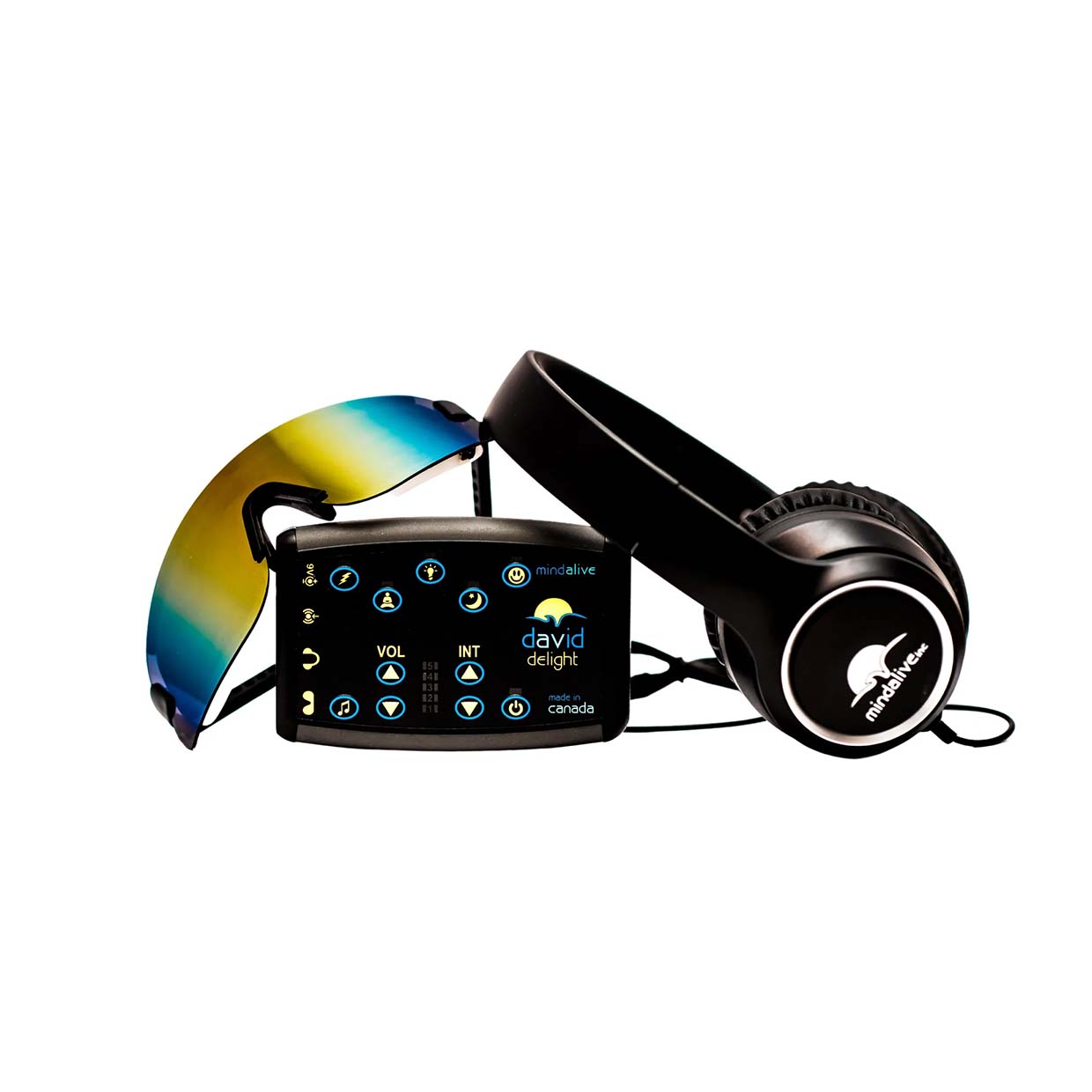
Light devices emit pulses to stimulate the brain. They use LEDs to deliver these pulses. Different colors and patterns affect brain activity. Sound devices produce rhythmic tones. These tones help synchronize brain waves. Together, they form a powerful combination. They aim to relax or energize the mind.
Wearable Technology
Wearable technology in AVE is gaining popularity. Devices fit comfortably on the head or ears. They provide convenience and flexibility. Users can experience AVE while moving. Wearables integrate advanced sensors. These sensors track brain activity and adjust settings. This ensures a personalized experience for each user.
Applications In Mental Health
Audio Visual Entrainment (AVE) is gaining popularity in mental health. Its potential lies in its ability to improve well-being. By combining sounds and lights, AVE influences brain activity. This makes it a promising tool for various mental health applications. Here, we explore its impact on stress, anxiety, and depression.
Stress Reduction Techniques
Stress is a common issue. Many seek ways to reduce it. AVE offers a unique approach. It uses rhythmic audio and visual stimuli. This can alter brainwave patterns. People often feel calmer and more relaxed afterward. AVE sessions can be short, making them convenient. Regular use may lead to long-term stress reduction.
Managing Anxiety And Depression
Anxiety and depression affect millions. Traditional treatments work, but AVE provides an alternative. It targets specific brainwave frequencies. This can improve mood and reduce anxiety symptoms. AVE is non-invasive and simple to use. Many find it effective alongside therapy or medication. Its ease of use encourages regular practice. This consistency can lead to noticeable improvements in mental health.
Credit: caputron.com
Boosting Cognitive Performance
Audio Visual Entrainment (AVE) is a fascinating technique designed to enhance your brain’s function using rhythmic stimuli. By synchronizing your brainwaves to specific frequencies, AVE aims to boost cognitive performance. Imagine sharpening your mental skills, improving memory, and fostering greater focus. Have you ever wondered how this could work for you?
Enhancing Focus And Concentration
Have you ever found yourself struggling to concentrate during important tasks? AVE can help you enhance focus by using visual and auditory cues that guide your mind into a state of heightened attention. Picture yourself in a busy office, with deadlines looming. By using AVE, you could transform those chaotic moments into periods of sharp concentration. It’s like having a mental switch that lets you tune out distractions and zero in on what truly matters.
Consider using AVE sessions before starting a demanding project. This technique helps you cultivate an environment of mental clarity. With AVE, your mind can become your ally, steering you towards productivity. Can you see yourself harnessing this power?
Memory Improvement Strategies
Memory is essential for learning, decision-making, and problem-solving. AVE offers strategies to improve memory retention and recall. Imagine preparing for a presentation, needing to remember key points. AVE can assist in solidifying these memories, making recall effortless.
Regular AVE sessions can train your brain to better organize and store information. Think about the last time you misplaced your keys or forgot a name. AVE might reduce those moments by reinforcing neural pathways associated with memory. Could this be the secret to a sharper memory?
By engaging with AVE techniques, you can experiment with different frequencies that stimulate memory centers in your brain. The outcome? A more reliable and efficient memory system. What small changes can you make today to start improving your memory?
Role In Sleep Optimization
Audio Visual Entrainment (AVE) is gaining popularity for sleep optimization. It uses light and sound to influence brainwaves. This technology aims to improve sleep patterns. By syncing brain activity, it promotes restful sleep. AVE can offer a natural way to enhance sleep without medication.
Improving Sleep Quality
AVE helps in improving sleep quality by relaxing the mind. Regular sessions can lead to deeper sleep cycles. It stimulates the brain to enter states ideal for rest. Users often report waking up refreshed. Consistent use may enhance overall sleep satisfaction.
Addressing Insomnia
Insomnia affects millions worldwide. AVE offers a potential solution. It can help reduce the time taken to fall asleep. The rhythmic patterns of light and sound soothe the mind. This calming effect can ease anxiety linked to insomnia. Over time, AVE may help establish regular sleep routines.
Credit: www.actg.org
Potential In Learning And Education
Audio Visual Entrainment enhances learning by engaging multiple senses, making information easier to understand. It helps learners focus better and retain knowledge longer. This method is effective in capturing attention and improving overall educational experiences.
Audio Visual Entrainment (AVE) is carving a niche in the world of learning and education. Imagine a classroom where students are not just passive recipients but active participants, eagerly absorbing information. AVE can transform this vision into reality by offering a dynamic way to enhance learning experiences.Accelerated Learning Techniques
AVE can significantly speed up the learning process. By synchronizing brainwaves with certain audio-visual patterns, it helps you enter a state of focused relaxation. This state is ideal for absorbing new information quickly. Consider a scenario where you’re learning a new language. AVE can help you retain vocabulary and grammar rules faster, making learning both efficient and enjoyable. Who wouldn’t want to learn more in less time?Retention And Comprehension
The ability to retain information is crucial in education. AVE enhances this by engaging multiple senses simultaneously, which strengthens neural connections. This leads to better retention and comprehension. Picture yourself studying for an exam. Using AVE, you might find it easier to recall complex concepts or formulas. Imagine walking into the exam room with confidence, knowing that your brain is primed to retrieve the information you need. Incorporating AVE into your study routine may seem unconventional at first, but its benefits are tangible. Could this be the boost your learning journey needs? Think about how you learn best. Do you think AVE could complement your current methods, or even replace them? The potential is vast, and the choice is yours.Challenges And Considerations
Audio Visual Entrainment (AVE) is gaining traction as a potential tool for enhancing mental health and cognitive function. However, like any emerging technology, it comes with its own set of challenges and considerations. As you explore the benefits of AVE, it’s crucial to be aware of the safety and efficacy concerns, as well as the individual variability in response.
Safety And Efficacy Concerns
When considering AVE, safety should be your top priority. Ensure the device you choose is from a reputable manufacturer. Check if it’s been tested for safety standards. You don’t want to risk using an untested device.
Efficacy is another concern. While some users report positive results, AVE isn’t a one-size-fits-all solution. Research supporting its benefits is still evolving. Be cautious about overestimating its effects without solid evidence.
Before starting AVE, consult a healthcare professional. They can guide you on whether it’s suitable for your needs. Professional advice can prevent potential health risks.
Individual Variability In Response
Not everyone responds to AVE the same way. Your experience might differ from someone else’s. Factors like age, health, and mental state play a role in how effective AVE can be for you.
Some people might see immediate benefits, while others may not notice changes for weeks. This variability can be discouraging. It’s important to set realistic expectations.
Experiment with different AVE settings to find what works best for you. Your personal preferences and needs are unique. Tailor the experience to suit you, rather than following a generic path.
Have you tried AVE before? What was your experience? Share your thoughts, and consider how these challenges might affect your journey with AVE.

Credit: www.livebeon.com
Future Directions And Innovations
Audio visual entrainment is rapidly evolving. New innovations and technologies are emerging every day. These advancements promise to enhance mental health and cognitive functions. Future directions in this field are exciting and full of potential.
Emerging Technologies
New tools are transforming audio visual entrainment. Wearable devices offer personalized experiences. They track brain activity and adapt sessions accordingly. Mobile apps make entrainment accessible to everyone. Users can now use entrainment anywhere, anytime. These technologies are easy to use and understand. They improve mental health and focus.
Integration With Virtual Reality
Virtual reality is reshaping audio visual entrainment. It creates immersive environments for users. Sessions feel more real and engaging. This integration enhances user experience dramatically. Users can explore new worlds while improving their mental health. Virtual reality offers a multi-sensory experience. It combines sight, sound, and even touch. This creates a more effective entrainment session.
Frequently Asked Questions
What Is Audio Visual Entrainment?
Audio Visual Entrainment (AVE) is a technique using light and sound to stimulate the brain. It helps improve mental states, reduce stress, and enhance focus. AVE devices typically use rhythmic light pulses and audio tones to guide the brain into desired states.
How Does Audio Visual Entrainment Work?
AVE works by sending rhythmic light and sound signals to the brain. These signals help synchronize brainwave activity, promoting relaxation and focus. The brain responds to these stimuli by aligning its frequencies to match the external signals.
Can Audio Visual Entrainment Improve Mental Health?
Yes, AVE can improve mental health by reducing anxiety and promoting relaxation. It helps balance brainwave activity, aiding in stress reduction and mental clarity. Users often report improved mood and better sleep patterns after regular sessions.
Is Audio Visual Entrainment Safe?
AVE is generally safe for most people, with few reported side effects. It’s important to follow device instructions and consult with a healthcare professional if unsure. Those with epilepsy or light sensitivity should exercise caution.
Conclusion
Audio Visual Entrainment offers a unique way to enhance mental health. It provides simple tools to improve focus and relaxation. People use it for stress relief and better sleep. This method taps into brainwave frequencies for positive effects. Many find it helpful for meditation and creativity.
It’s accessible and easy to try at home. Consider exploring it for your personal wellness journey. Understanding its benefits can empower you. With the right approach, it might support your overall well-being. Explore this fascinating field and see how it fits your needs.



