
Imagine walking into a classroom where learning feels more like an adventure than a chore. A place where lessons come alive, capturing your attention and making complex ideas easier to grasp.
This is the magic that audio visual equipment brings to schools. Whether it’s interactive whiteboards or dynamic projectors, these tools transform traditional teaching into an engaging experience. You might wonder how exactly these gadgets make such a difference in education.
The secret lies in their ability to tap into both visual and auditory senses, making learning more effective and enjoyable. Curious to find out how your school can harness the power of audio visual equipment to boost learning and engagement? Keep reading to discover the benefits, the best equipment options, and how to integrate them seamlessly into your classrooms.
Benefits Of Audio Visual Tools
Audio visual equipment enhances learning by making lessons interactive and engaging. Students grasp concepts better with visual aids and clear audio. Teachers find it easier to explain complex subjects using multimedia presentations and demonstrations.
Audio visual tools have become essential in modern classrooms, offering numerous benefits to both teachers and students. These tools can transform traditional teaching methods, making learning more interactive and enjoyable. By integrating audio visual equipment, schools can foster an environment that supports better understanding and retention of information.Enhancing Student Engagement
Imagine sitting in a classroom where lessons come alive with vibrant visuals and clear audio. This is the power of audio visual tools. These tools capture students’ attention, making them more likely to participate and engage with the content. Interactive whiteboards, projectors, and educational videos can turn a dull lesson into an exciting experience. When students are engaged, they are more likely to ask questions and explore new ideas. Have you ever noticed how much more interested you are in a topic when it’s presented in an exciting way?Improving Information Retention
Audio visual tools can help students remember information better. When information is presented visually and audibly, it creates multiple pathways in the brain for recalling that information later. Think of it as leaving more breadcrumbs to find your way back to the knowledge. Studies have shown that students retain information longer when they learn through both sight and sound. So, incorporating videos, graphics, and audio clips can be a game changer in how well students remember what they learn. How could this change the way you approach studying or teaching?Catering To Diverse Learning Styles
Every student is unique, and audio visual tools can accommodate different learning preferences. Some students learn best through visuals, while others need to hear the information to understand it. By using audio visual equipment, teachers can reach every student effectively. For example, a student who struggles with reading can benefit from audio books or visual aids. A visual learner will find diagrams and videos particularly helpful. Have you ever felt like you learned something better just because it was presented in a way that suited your learning style? Incorporating audio visual tools in education not only enhances learning but also makes it more inclusive. What can you do to ensure every student gets the most out of their educational experience?Essential Audio Visual Equipment
Schools use audio visual equipment to enhance learning. These tools make lessons interactive and engaging. Students benefit from seeing and hearing information clearly. Here, explore the essential audio visual equipment that schools need.
Interactive Whiteboards
Interactive whiteboards transform the classroom experience. They allow teachers to display digital content. Students can interact with lessons directly. These boards support touch and pen input. They can show videos, graphs, and more. This technology encourages participation and improves understanding.
Projectors And Screens
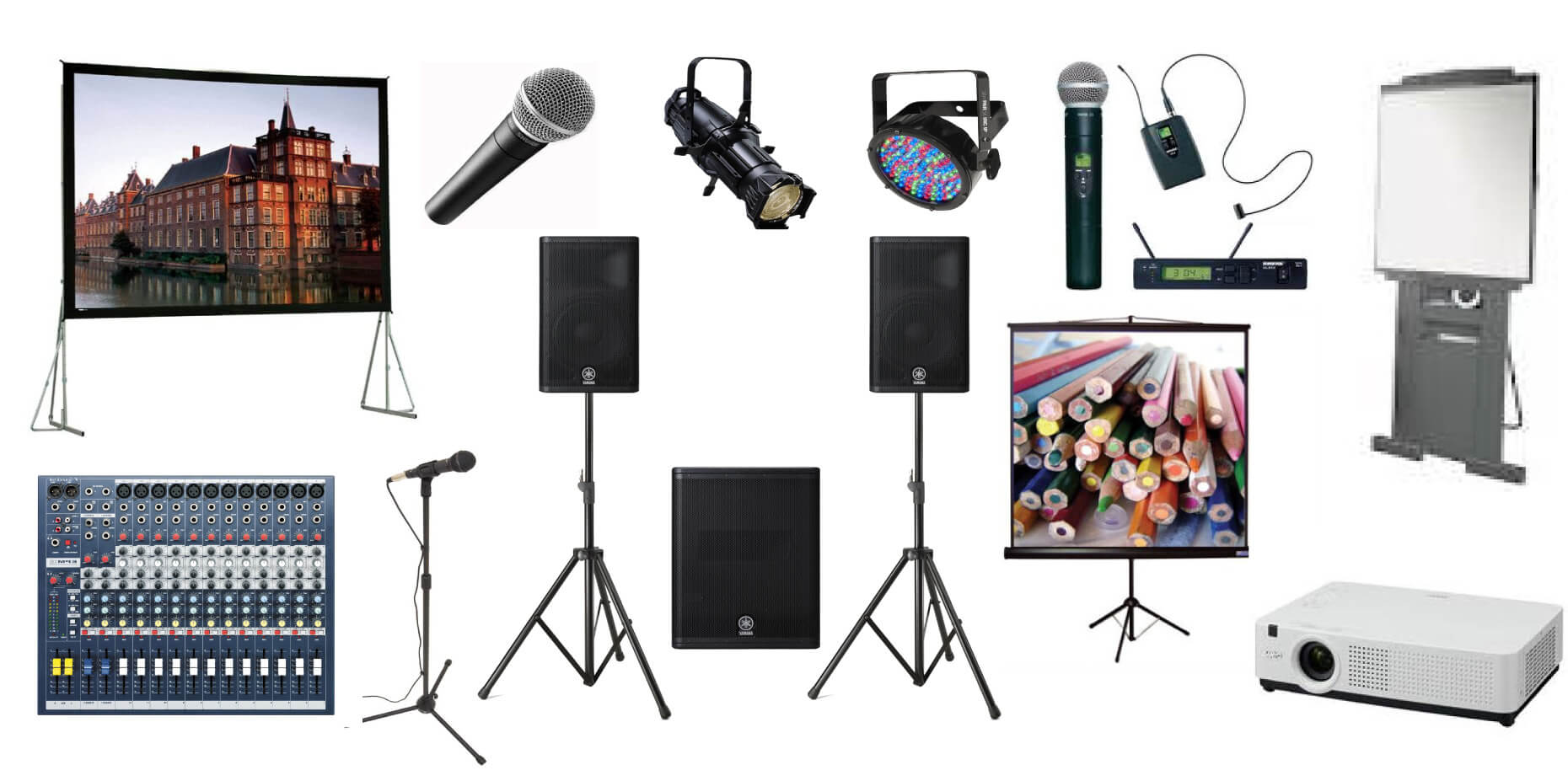
Projectors and screens are crucial for presentations. They display clear images and videos to large groups. Teachers can show slideshows and educational films. Screens come in various sizes to fit classrooms. They ensure that every student can see the content. This equipment boosts visual learning.
Audio Systems
Audio systems ensure sound reaches all students. They include microphones and speakers for clarity. Teachers can speak without shouting. Students hear lessons clearly, no matter where they sit. This setup aids listening comprehension and keeps attention focused. Good audio quality is vital for effective learning.
Choosing The Right Equipment
Choosing the right audio visual equipment for schools is crucial. It enhances learning experiences and engages students effectively. The right tools can transform a classroom into an interactive learning environment. But, picking the correct equipment can be challenging. Schools must consider various factors to make informed decisions. Let’s explore essential aspects in this process.
Assessing Classroom Needs
Start by evaluating the specific needs of each classroom. Different subjects might require different equipment. Science labs might need projectors for presentations. Art classes could benefit from high-resolution screens. Understanding these needs helps in selecting suitable devices. Consider the number of students in each classroom. Larger groups might need bigger screens for better visibility.
Budget Considerations
Budget plays a significant role in choosing equipment. Schools must balance quality with affordability. Look for cost-effective options without compromising on features. Compare prices from different vendors. Check for discounts on bulk purchases. Prioritize essential equipment over luxury items. Aim for the best value within the available budget.
Future-proofing Technology
Technology evolves rapidly, making future-proofing essential. Choose equipment that adapts to new technological developments. Opt for devices with upgrade options. Ensure compatibility with various software updates. This approach avoids frequent replacements, saving costs over time. Consider sustainability and long-term usability. This ensures the equipment remains relevant for years.
Credit: www.primasoft.com
Integrating Technology In Lessons
Schools benefit greatly from audio visual equipment in classrooms. It makes learning more engaging and interactive. Students understand lessons better with videos and sound. Teachers find it easier to explain complex topics. Overall, technology improves the education experience for everyone.
Integrating technology in lessons has become an essential part of modern education. With the rise of audio visual equipment in schools, teachers can create more engaging and effective learning experiences. This integration not only caters to diverse learning styles but also prepares students for a tech-savvy world. Let’s delve into how you can make the most of this technology in your classroom.Creating Interactive Content
Interactive content can transform a dull lesson into an exciting exploration. Imagine using smartboards to display interactive maps in a geography class. Students can touch the screen to zoom in on countries and learn more about them instantly. You could also use tablets to create quizzes that provide immediate feedback. This keeps students engaged and helps them learn from their mistakes on the spot. Interactive content makes learning a two-way street, ensuring students are not just passive listeners.Collaborative Learning Opportunities
Technology opens doors for collaborative learning. Picture a group of students working on a project, each on a different device, yet all connected through a shared digital platform. They can brainstorm ideas, share files, and even create presentations together. This not only fosters teamwork but also teaches essential digital communication skills. Consider setting up virtual classrooms where students from different locations can collaborate on projects. This prepares them for the global workplace, where such skills are invaluable.Utilizing Multimedia Resources
Multimedia resources can bring lessons to life. Videos, podcasts, and animations provide diverse ways to present information. They cater to auditory, visual, and kinesthetic learners alike. For history lessons, documentaries can provide visual context to events. Science teachers might use animations to demonstrate complex processes like photosynthesis. Think about how you can use multimedia to support your lesson objectives. What if you used a video to introduce a topic, followed by a discussion to deepen understanding? The possibilities are endless and can make learning a more immersive experience. As you integrate audio visual equipment into your lessons, consider what impact this technology has on your teaching style. How can it enhance your students’ learning experience? The answers to these questions can guide you in making the most of technological advancements in education.Training And Support For Teachers
Schools today need modern audio-visual equipment to enhance learning. Teachers play a key role in using these tools effectively. Training and support for teachers ensure they feel confident and prepared. Proper training helps educators harness the full potential of technology. Let’s explore how schools support teachers in this journey.
Professional Development Programs
Schools offer professional development programs for teachers. These programs focus on audio-visual tools. Workshops and seminars are common. Teachers learn to integrate technology into lessons. Hands-on sessions provide real-world practice. Educators gain new skills and ideas. This training improves classroom engagement.
Technical Support Services
Technical support services are crucial in schools. Teachers receive help when issues arise. Support teams offer guidance on equipment use. They troubleshoot problems quickly. This ensures lessons run smoothly. Teachers can focus on teaching. Reliable support builds trust and efficiency.
Building Teacher Confidence
Confidence in using technology is vital for teachers. Training and support build this confidence. Teachers learn at their own pace. Encouragement and positive feedback help. Practice sessions boost self-assurance. Confident teachers create dynamic lessons. Students benefit from engaging content.
Overcoming Challenges
Integrating audio visual equipment in schools can be tough. Schools face issues like budget limits and technical difficulties. Proper planning and training can help overcome these challenges effectively.
Implementing audio-visual equipment in schools can significantly enhance learning, but it comes with its own set of challenges. Schools often face hurdles such as technical issues, ensuring accessibility for all students, and maintaining and upgrading equipment. Let’s dive into how these challenges can be effectively managed.Addressing Technical Issues
Technical issues can disrupt classes and hinder learning. It’s important to have a dedicated support team or knowledgeable staff available to troubleshoot problems quickly. Regular training sessions for teachers can empower them to handle minor issues themselves, reducing downtime. Consider setting up a help desk system where students and teachers can easily report problems. This proactive approach can prevent small issues from escalating into major disruptions. Is your school prepared for sudden technical hiccups?Ensuring Accessibility For All Students
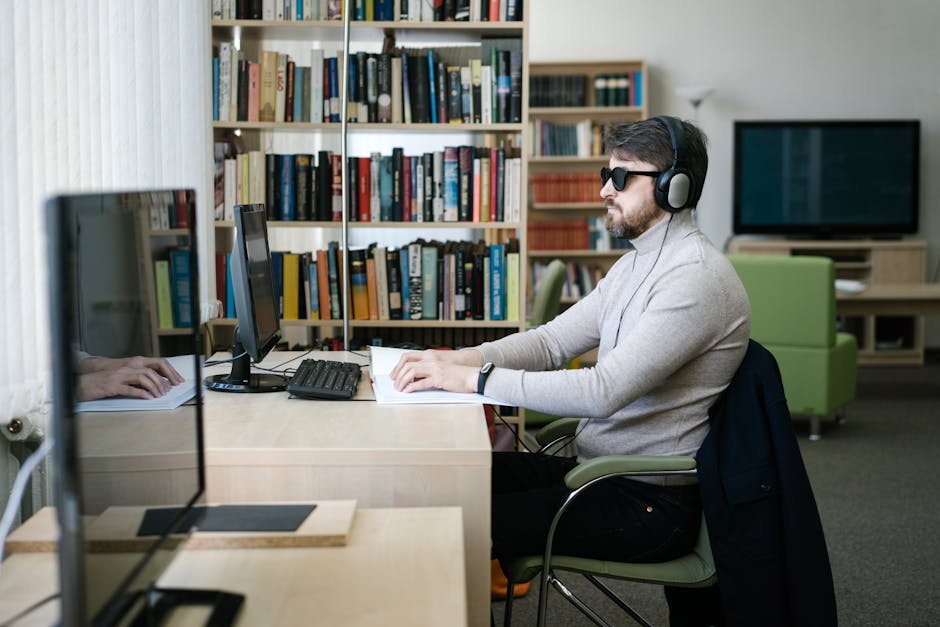
Every student deserves equal access to educational resources. Audio-visual equipment should cater to diverse learning needs, including those of students with disabilities. Providing options like subtitles, audio descriptions, and adjustable font sizes can make a big difference. In my experience, using color-coded cables and connectors can help visually impaired students participate more independently. Have you considered how inclusive your school’s audio-visual setup is?Maintaining And Upgrading Equipment
Regular maintenance ensures longevity and functionality of audio-visual tools. Create a schedule for routine checks and cleaning to prevent wear and tear. Encourage teachers to report any signs of malfunction early. Upgrading equipment is equally crucial to keep up with technological advancements. Schools can set aside a budget for periodic upgrades, ensuring that students and teachers have access to the latest tools. How often does your school evaluate its current tech needs? By addressing these challenges head-on, schools can create an environment where technology truly enhances education. Are you ready to take the next step in your school’s audio-visual journey?Success Stories And Case Studies
Audio visual equipment is transforming how schools engage with students. Schools worldwide are using these tools to enhance learning experiences. This section explores real-life success stories and case studies. Learn from innovative schools, understand the impact on student outcomes, and discover lessons learned.
Innovative Schools Leading The Way
Some schools are at the forefront of using audio visual tools. One such school in California uses smart boards in every class. Teachers use interactive lessons to keep students engaged. A school in Texas uses projectors for interactive science experiments. Students learn better with visual aids. These schools show how to integrate technology into daily learning.
Impact On Student Outcomes
Audio visual tools have a positive impact on student outcomes. Students show improved focus and understanding. Test scores in these schools have seen a steady rise. Students participate more in class discussions. Teachers report higher student engagement. The visual and auditory elements help in better information retention.
Lessons Learned From Implementation
Implementing audio visual tools comes with learning. Schools learned the importance of training teachers. Proper training ensures effective use of the technology. Feedback from students helps in refining methods. Schools realized the need for regular maintenance. Keeping equipment in good condition is crucial for success.
Credit: www.arlingtonrental.com

Credit: www.indiamart.com
Frequently Asked Questions
What Av Equipment Is Essential For Classrooms?
Classrooms benefit from projectors, interactive whiteboards, and sound systems. These tools enhance learning by making lessons engaging. They support diverse teaching methods and accommodate various learning styles. Reliable AV equipment ensures smooth presentations and clear audio-visual experiences for students.
How Do Interactive Whiteboards Aid Learning?
Interactive whiteboards offer dynamic teaching by allowing touch-based interaction. They display multimedia content, making lessons more engaging. Teachers can annotate directly on the board, enhancing collaboration. Students benefit from visual and tactile learning experiences, which improve comprehension and retention.
Why Are Projectors Important In Schools?
Projectors display large, clear images and videos for educational purposes. They help in presenting content to large groups, ensuring visibility. Teachers can share presentations, videos, and graphics easily. Projectors enhance visual learning and accommodate diverse teaching methods effectively.
How Can Schools Maintain Av Equipment?
Regular maintenance extends the life of AV equipment. Schools should clean devices periodically and check for updates. Training staff on proper usage reduces wear and tear. Routine inspections prevent issues and ensure optimal performance, minimizing disruptions during lessons.
Conclusion
Schools benefit greatly from the right audio visual tools. They enhance learning experiences for students. Teachers find it easier to explain complex topics. Technology in classrooms keeps students engaged. Choosing the right equipment is crucial. It should fit the school’s needs and budget.
Research and compare options before purchasing. Consider durability and ease of use. Proper installation and maintenance make a big difference. Good equipment helps students learn better. It supports teachers in their lessons. Investing in quality tools is investing in education.
Make informed decisions for better classroom outcomes.



