

Are you looking to create an engaging audio-visual experience that truly captures your audience’s attention? Whether you’re crafting a marketing video, educational content, or a compelling presentation, the secret sauce often lies in a well-crafted script.
An audio-visual script is your blueprint for success, ensuring that every word and image works together seamlessly to tell your story. But where do you start, and how do you ensure your script stands out? You’ll discover an audio-visual script example that breaks down each element, offering insights and practical tips you can apply to your own projects.
Get ready to transform your ideas into a captivating visual and auditory masterpiece that resonates with your audience. Keep reading to unlock the secrets of scriptwriting that can elevate your content to new heights.
Importance Of Compelling Narratives
Creating engaging audio visual scripts relies heavily on compelling narratives. Scripts with strong storytelling captivate audiences, keeping them interested. A well-crafted narrative helps convey messages clearly, making complex ideas easy to grasp.
Creating a compelling narrative in an audio-visual script is essential. It captivates your audience and keeps them engaged. A strong story can transform a simple video into an unforgettable experience.Why Narratives Matter
Narratives give structure to your content. They guide viewers through a journey, making each scene meaningful. Without a clear story, your audience might lose interest quickly. Think about your favorite movie. What made it memorable? Often, it’s the storyline that sticks with you, not just the visuals or sound.Engaging Your Audience
A compelling narrative speaks directly to your viewers. It resonates with their experiences and emotions. This connection keeps them hooked and eager for more. Consider crafting stories that reflect real-life situations. This makes your content relatable. When viewers see themselves in the story, they are more likely to engage and respond.Practical Tips For Strong Narratives
Start by identifying the core message you want to convey. What should your audience take away from your script? Keep this message clear and concise throughout. Next, outline your story with a beginning, middle, and end. This structure helps maintain a smooth flow. Use dialogue and action to show, not just tell. Descriptive language can paint vivid pictures in the minds of your audience.Personal Experience: A Lesson Learned
I once worked on a project where the script lacked a strong narrative. The visuals were stunning, but the story was missing. We decided to rewrite the script, focusing on a relatable storyline. This change made a significant difference. Audience feedback was overwhelmingly positive, proving the power of a good narrative.Challenge Your Creativity
Ask yourself: How can you make your story stand out? What unique perspectives can you offer? Consider experimenting with different storytelling techniques. This could involve unexpected plot twists or character development. Don’t be afraid to take risks. A creative narrative can set your content apart from the rest.Final Thoughts
Crafting a compelling narrative is not just an option; it’s a necessity. It’s the backbone of your script, driving engagement and ensuring your message is heard. Take the time to develop a strong story. Your audience will thank you for it.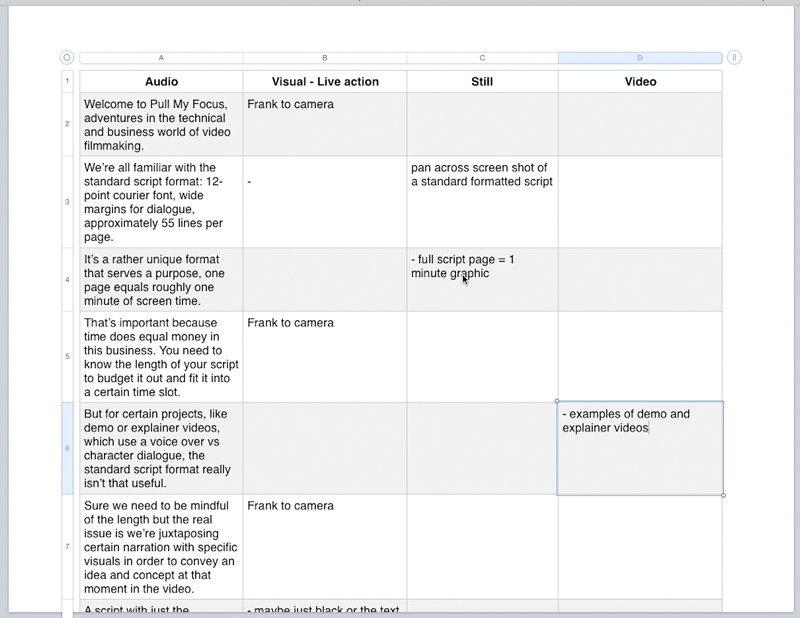
Credit: pixelvalleystudio.com
Elements Of An Audio Visual Script
An audio visual script is the backbone of any film or video production. It blends storytelling with visual and auditory elements, creating an immersive experience for the audience. Understanding the elements of an audio visual script can transform your ideas into compelling narratives.
Character Development
Characters are the heart of your story. They drive the narrative and connect with the audience on a personal level. When developing characters, consider their motivations, backgrounds, and unique traits. How do they evolve throughout the story? A well-rounded character can leave a lasting impression.
Think about your favorite movie characters. What made them memorable? Was it their courage, vulnerability, or quirky humor? Make your characters relatable and you’ll captivate your audience.
Plot Structure
Your plot is the roadmap of your script. It guides the audience through the story, revealing twists and turns along the way. Break down your plot into three acts: setup, confrontation, and resolution. Each act should propel the story forward.
Does your plot keep the viewer on the edge of their seat? A strong plot structure ensures that your audience remains engaged from start to finish.
Dialogue And Monologue
Dialogue breathes life into your script. It reveals character intentions and advances the plot. Keep your dialogue natural and concise. Avoid lengthy speeches unless they serve a purpose.
Consider how dialogue can build tension or offer comic relief. Does your dialogue reveal more about your characters than their actions alone?
Visual Imagery And Sound
Visual imagery creates the world your characters inhabit. It sets the tone and mood of your script. Think about colors, lighting, and framing. How do these elements enhance your story?
Sound complements visuals, evoking emotions and adding depth. From background music to sound effects, each auditory element should serve your narrative. Can you recall a film where the sound made a scene unforgettable?
Creating an audio visual script is a complex yet rewarding process. Each element plays a crucial role in crafting a narrative that resonates with viewers. As you write your script, ask yourself: Are these elements working together to tell a cohesive and compelling story?
Techniques For Engaging Scripts
Crafting an audio-visual script demands creativity and precision. Techniques for engaging scripts elevate your story, making it memorable. Using specific techniques can captivate your audience. Explore these methods to enhance your script.
Show, Don’t Tell
Visuals speak louder than words. Use imagery to convey emotions. Let actions describe feelings. Characters should express through gestures. Avoid lengthy explanations. Instead, show the scene unfold naturally. This approach keeps viewers engaged.
Building Tension And Release
Tension keeps the audience hooked. Create suspense with strategic pacing. Introduce conflict early in the script. Build anticipation with pauses and silence. Then release tension with resolution. This balance maintains interest throughout.
Incorporating Emotional Beats
Emotional beats resonate with viewers. Weave them into the storyline. Use relatable situations to evoke feelings. Characters should face emotional challenges. Create moments of joy or sadness. These beats enhance the viewer’s connection.
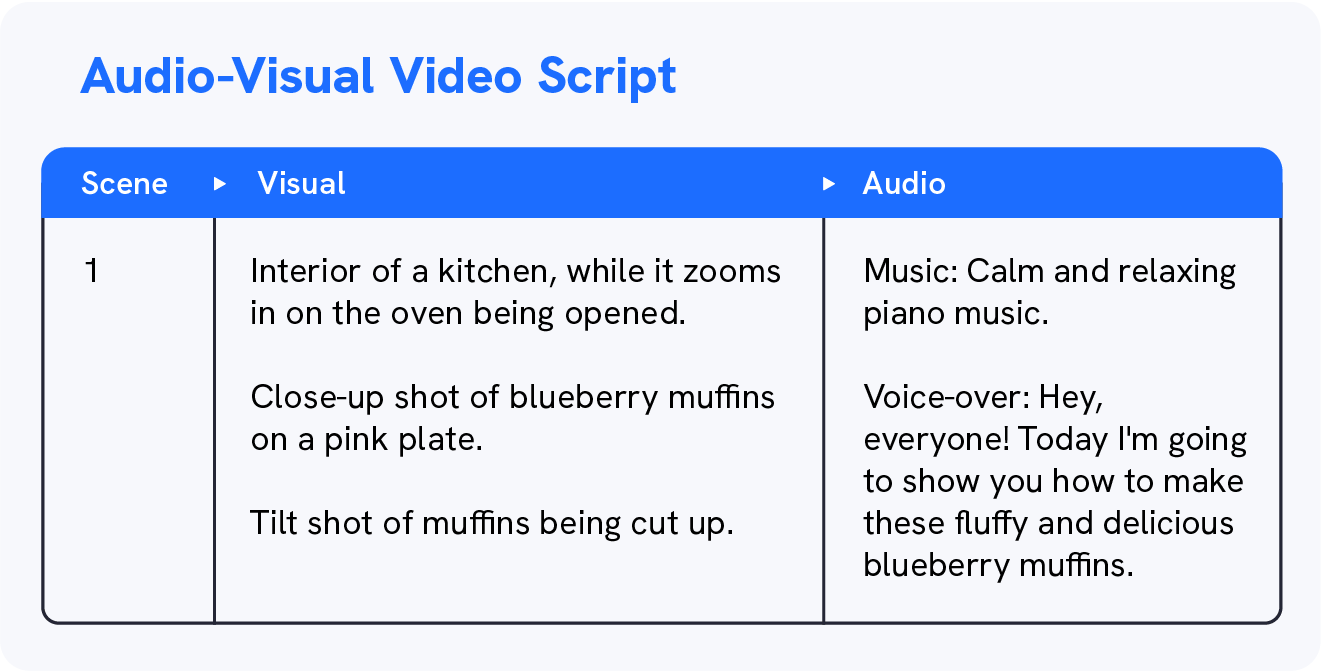
Credit: www.uscreen.tv
Adapting Narratives For Different Media
Adapting narratives for different media brings stories to life in unique ways. Each medium offers distinct challenges and opportunities. Understanding these can enhance storytelling impact. Whether it’s the big screen or a corporate setting, the narrative should fit the medium. This ensures the message resonates with the audience effectively.
Film And Television
Film and television scripts need visual storytelling. This medium relies heavily on visuals and sound. Dialogue should be concise and impactful. Scenes must show more than they tell. Characters’ emotions and actions drive the story forward. A well-crafted script can captivate viewers and enhance the story’s depth.
Documentaries
Documentary scripts focus on facts and real-life stories. They aim to inform and educate. The narrative should maintain authenticity while engaging the audience. Interviews and voiceovers often guide the narrative. Visuals support the spoken words. This combination creates a compelling and insightful experience.
Corporate Videos And Advertisements
Corporate scripts aim to convey a brand’s message clearly. They must be concise and engaging. The narrative should align with the company’s goals. A strong call-to-action often concludes the script. Advertisements focus on persuasion and branding. They use emotion and logic to connect with the audience.
Examples Of Successful Scripts
Audio visual scripts shape stories that capture audiences worldwide. Successful scripts resonate deeply, leaving lasting impressions. They elevate content, making it memorable and impactful. Below, we explore three domains where scripts have excelled.
Award-winning Films
Award-winning films often start with strong scripts. They weave stories that touch hearts and minds. Take “Parasite,” for example. Its script blends suspense with social commentary. It engages viewers from start to finish. Such scripts often win accolades. They showcase the power of storytelling.
Impactful Advertisements
Advertisements rely on concise scripts. They convey messages quickly and effectively. The “Think Different” campaign by Apple is iconic. Its script inspired many and built brand loyalty. Short, impactful scripts can change perceptions. They drive consumer actions and build strong connections.
Influential Documentaries
Documentaries inform and engage. Their scripts often reveal unknown truths. “An Inconvenient Truth” is a prime example. Its script raised awareness about climate change. It spurred global conversations. Scripts in documentaries educate and inspire change. They push boundaries and challenge norms.

Credit: inboundvideomarketing.com
Challenges In Scriptwriting
Crafting an engaging audio-visual script requires tackling unique challenges. Writers must synchronize dialogue with visuals perfectly. Balancing pacing and maintaining audience interest is crucial for a seamless experience.
Creating an audio-visual script is no easy feat. The process demands a careful balance between storytelling elements and production realities. While writing a script, you might face challenges that test your creativity and adaptability. These challenges often stem from the need to balance visual cues with dialogue, keep your audience engaged, and work within the limitations of production constraints. Let’s explore these challenges more closely.Balancing Visual And Verbal Elements
Crafting a script that effectively marries visuals with words can be daunting. You want your audience to feel immersed in the story, but not overwhelmed by either visuals or dialogue. Imagine you’re creating a scene set in a bustling city. Your script needs to describe the vibrant visuals—the lights, the people, the movement—without overshadowing the dialogue or narrative. Sometimes, less is more. Use concise language to describe visuals and let them speak for themselves. It’s all about finding that sweet spot where visuals enhance the story rather than distract from it. How do you ensure the visuals don’t overpower the narrative? That’s the challenge.Maintaining Audience Engagement
Keeping your audience engaged throughout the script is crucial. You want them to stay invested in the story from start to finish. Consider the pacing of your script. Fast-paced action sequences might thrill audiences, but without breaks, they can become exhausting. On the other hand, slow scenes may offer depth but risk losing attention. Think of your script as a roller coaster, with highs and lows that maintain excitement. Ask yourself, “Is this scene captivating enough to hold attention?” Adjust accordingly.Adhering To Production Constraints
Production constraints can shape your script in unexpected ways. Budget, location, and available technology all play a role in what your script can achieve. I once wrote a scene featuring a futuristic city. The vision was grand, but the budget was not. I had to creatively adapt, keeping the essence intact without breaking the bank. Sometimes constraints inspire creativity. They force you to think outside the box and find new solutions. How can you creatively work around limitations to bring your vision to life? That’s where true creativity shines. Embrace these challenges as opportunities to refine your craft. Each obstacle is a chance to learn and grow. As you navigate these scriptwriting hurdles, remember that your unique perspective is your greatest asset.Tips For Aspiring Scriptwriters
Aspiring scriptwriters can learn much from audio-visual script examples. These scripts show how to balance dialogue, visuals, and sound. They help writers understand pacing and scene structure.
If you’re an aspiring scriptwriter eager to break into the world of audio-visual storytelling, you’re in the right place. Creating a compelling script requires more than just a good idea; it demands a blend of creativity, discipline, and collaboration. Below are some practical tips to guide you on your journey to becoming a successful scriptwriter.Research And Inspiration
Start your scriptwriting journey with thorough research. This lays a solid foundation for your script. Dive into different genres, watch films, and listen to radio dramas. Take notes on what captures your attention. What emotions do they evoke? Use these insights to spark ideas for your own script. Inspiration can come from anywhere—books, news articles, or even a conversation with a friend. Keep an open mind and be curious about the world around you.Drafting And Revising
Once you have your ideas, begin drafting. Don’t aim for perfection in your first draft; just get your thoughts on paper. Let your characters speak and guide the story. You might find the plot takes unexpected turns, and that’s okay. Revising is where the magic happens. Refine dialogue, tighten scenes, and enhance emotional beats. Remember, even the best scripts undergo multiple revisions.Seeking Feedback And Collaboration
Feedback is invaluable. Share your script with trusted peers or mentors who can offer constructive criticism. Consider joining a writing group or workshop. Collaborating with others can bring fresh perspectives and elevate your work. Don’t shy away from criticism. Use it to identify areas for improvement. Ask yourself: How can this feedback make my script better? Scriptwriting is a journey of continuous learning and growth. Embrace each step with enthusiasm and openness. Are you ready to tell your story?Frequently Asked Questions
What Is An Audio Visual Script Example?
An audio visual script example outlines the dialogue, visuals, and audio cues for a production. It integrates sound and visuals to guide the creation process. This script helps in coordinating the technical and creative aspects, ensuring a seamless flow of the narrative.
It’s essential for effective communication between the production team.
How Do You Write An Av Script?
Writing an AV script involves outlining scenes, dialogue, and audio cues. Start with a clear structure, dividing the script into sections for visuals and audio. Detail the narrative flow, specify camera angles, and describe sound effects. Use concise language to ensure clarity.
This helps in coordinating the production process effectively.
Why Are Av Scripts Important?
AV scripts are crucial for coordinating audiovisual elements in a production. They ensure all team members understand the vision. Scripts provide a detailed plan for visuals and sound, minimizing errors and enhancing storytelling. This organized approach leads to a more professional and polished final product.
Can Av Scripts Improve Production Quality?
Yes, AV scripts enhance production quality by providing a clear framework. They guide the team in executing the director’s vision efficiently. Scripts help in synchronizing visuals and audio, reducing misunderstandings. This results in a cohesive and engaging final product, reflecting high production standards.
Conclusion
Crafting an audio visual script requires clear vision and focus. Short, impactful sentences keep the audience engaged. Visuals play a crucial role, enhancing storytelling. Dialogue should be natural and relatable. Simplicity is key for understanding and connection. Remember to align visuals with your message for maximum effect.
Practice improves script writing skills over time. Use feedback to refine your approach. Keep experimenting with different styles and formats. Every script is unique, reflecting creativity and purpose. Start writing today and see your ideas come to life. Your script can make a lasting impression.



