

Are you planning to buy a new smartphone but unsure about the average cost? You’re not alone.
With countless models and features available, finding the right balance between price and performance can feel overwhelming. But don’t worry, this article will guide you through everything you need to know about smartphone costs. By understanding the average price, you can make smarter decisions and ensure you get the best value for your money.
Stay with us as we explore the factors affecting smartphone prices and how you can find the perfect device without breaking the bank. Your ideal smartphone is just a few clicks away!
Smartphone Market Analysis
The average cost of smartphones varies widely, influenced by brand, features, and technology. Many consumers seek affordable options without sacrificing quality. This trend affects market dynamics, with manufacturers striving to balance cost and innovation.
The smartphone market is a dynamic and ever-evolving landscape. With each passing year, new models and technologies reshape consumer expectations and set trends that influence buying decisions. Understanding the average cost of smartphones requires a deep dive into market trends, pricing strategies, and consumer behavior.Understanding Market Trends
Smartphones have transformed from luxury gadgets to everyday essentials. As technology advances, manufacturers are compelled to innovate, leading to varied pricing tiers. The rise of affordable brands has made smartphones accessible to a broader audience, but premium models continue to captivate tech enthusiasts with cutting-edge features. Consider how the introduction of 5G technology and foldable screens has shifted market dynamics. These advancements have sparked a new wave of interest and competition. As a consumer, it’s crucial to stay informed about these trends to make an informed purchase decision.Pricing Strategies Of Leading Brands
Leading smartphone brands often adopt diverse pricing strategies. Apple, for instance, has maintained a premium pricing strategy that appeals to a loyal customer base seeking quality and exclusivity. On the other hand, brands like Xiaomi and OnePlus offer feature-rich smartphones at competitive prices, targeting value-conscious consumers. You might wonder why some brands can afford to price their phones lower. It’s often due to their focus on online sales channels, minimizing overhead costs, and high-volume sales. Understanding these strategies can help you navigate the market and find the best deal.Consumer Behavior And Preferences
Your preferences as a consumer play a significant role in shaping the smartphone market. Many buyers prioritize camera quality, battery life, and storage capacity over other features. This consumer demand pushes brands to innovate and differentiate their offerings. Reflect on your last smartphone purchase. Did you prioritize brand reputation, or were you swayed by specific features? Such insights into consumer behavior highlight the importance of aligning your purchase with personal needs and preferences.Impact Of Global Supply Chain
The global supply chain significantly impacts smartphone costs. Recent disruptions have highlighted vulnerabilities, affecting production timelines and pricing. Manufacturers are often forced to adjust prices in response to these challenges, affecting the market’s stability. Have you noticed a recent price hike or delay in your preferred smartphone’s availability? These are often direct results of supply chain issues. Being aware of these factors can prepare you for potential changes in pricing and availability.Future Outlook And Predictions
The smartphone market shows no signs of slowing down. Future innovations, such as augmented reality integration and enhanced AI capabilities, promise to elevate user experiences. As these technologies become mainstream, they will likely influence both pricing and consumer expectations. What features are you most excited about in the coming years? Keeping an eye on future trends can help you anticipate changes and position yourself as an informed buyer in this dynamic market.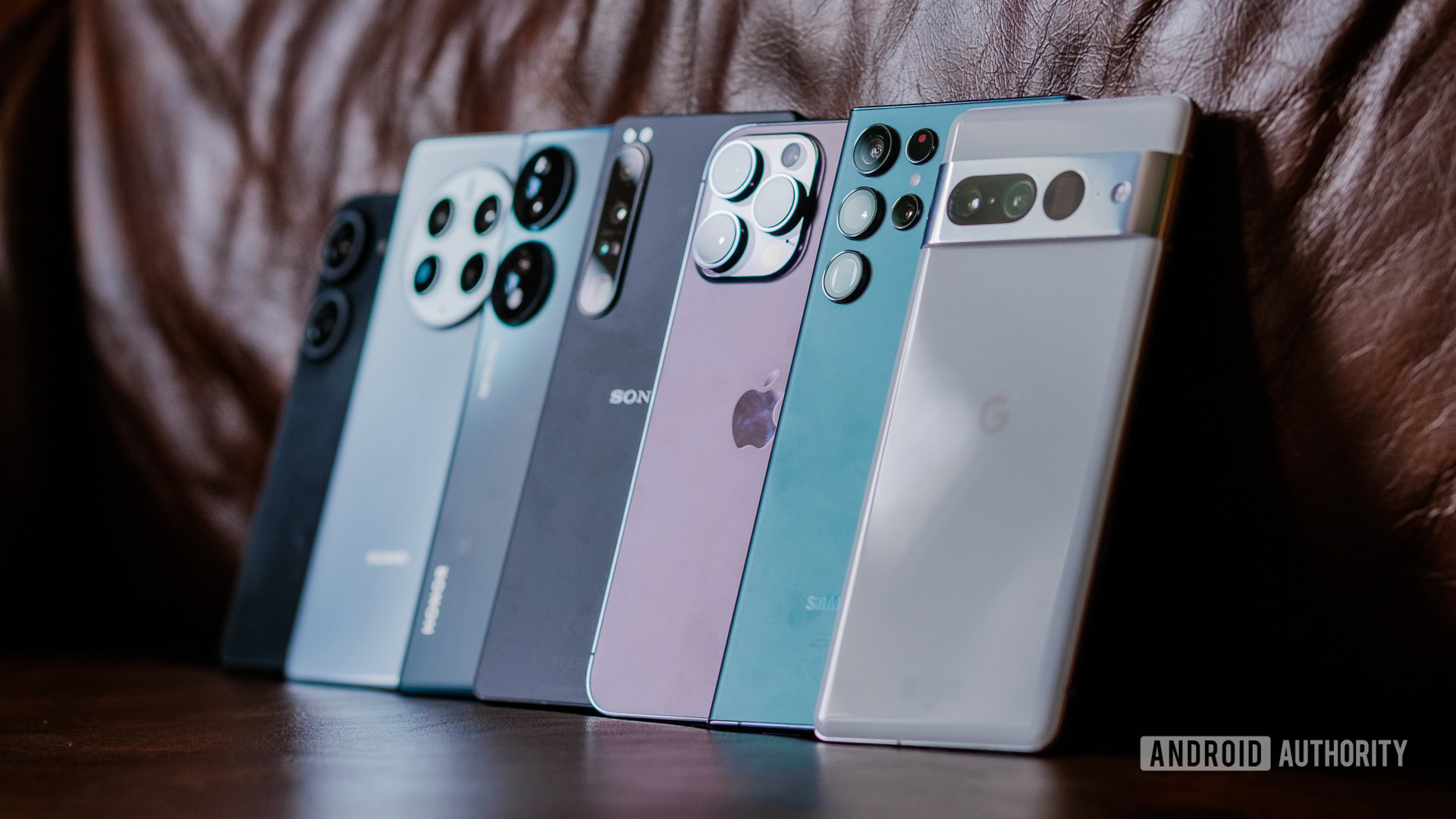
Credit: www.androidauthority.com
Factors Influencing Pricing
Smartphone pricing is shaped by brand reputation, technology features, and production costs. Consumer demand and market competition also play key roles. These factors collectively determine the average cost of smartphones in the market.
Factors influencing smartphone pricing are complex and varied. Several elements determine how manufacturers set prices. Understanding these factors can help consumers make informed decisions.Technological Advancements
New technology impacts smartphone pricing significantly. As manufacturers incorporate advanced features, costs rise. Enhanced cameras, faster processors, and improved displays require investment. These innovations attract tech-savvy buyers. New features often justify higher prices. Consumers pay for cutting-edge technology.Supply Chain Dynamics
The supply chain affects smartphone costs. Manufacturers depend on parts from different suppliers. Global logistics and transportation issues influence pricing. Any disruption can lead to increased expenses. Supply chain efficiency can stabilize prices. Reliable suppliers ensure cost-effective production.Consumer Demand Shifts
Consumer demand plays a crucial role in pricing. High demand for smartphones can drive prices up. Popular brands and models often see price increases. Manufacturers monitor trends to adjust costs. Seasonal and regional demand affects pricing strategies. Understanding these shifts helps consumers anticipate price changes.Regional Pricing Variations
Smartphone costs vary widely based on region due to factors like local taxes and demand. Prices in developing countries often differ from those in developed regions, making the average cost of smartphones change globally. Understanding these variations helps consumers make informed purchasing decisions.
The average cost of smartphones can vary significantly depending on where you live. Regional pricing variations mean that you might pay more or less for the same device based on your location. Have you ever wondered why? Factors like import taxes, local demand, currency fluctuations, and brand strategies all play a role. Understanding these differences can help you make more informed decisions when purchasing your next smartphone.North America
In North America, smartphones generally have a higher price tag. This is partly due to the premium market positioning by brands and the inclusion of advanced features. If you’ve ever bought a phone here, you’ve likely noticed how flagship models can easily exceed $1,000. Additionally, many consumers in North America prefer purchasing phones through carriers. This often results in additional costs or contract obligations, which can inflate the overall expense. Do you think carrier deals are worth it, or do they just complicate the buying process?Europe
In Europe, pricing can be more competitive due to stricter regulations and higher market saturation. Brands often adjust their strategies to appeal to a diverse consumer base across different countries. Have you ever found a deal that seemed too good to be true? VAT and import duties can also play a significant role in pricing. Some countries have higher VAT rates, which can increase the final cost. However, these costs are often balanced by seasonal discounts and promotional offers.Asia-pacific
The Asia-Pacific region presents a wide range of pricing due to the presence of both luxury brands and budget-friendly options. China and India, for example, are home to manufacturers that focus on affordability without compromising quality. Have you ever tried a smartphone from a lesser-known brand? Local production capabilities can significantly reduce costs, making smartphones more accessible. However, premium brands still find ways to market their devices at higher prices, targeting consumers who value brand prestige. What matters more to you: brand reputation or cost-effectiveness? Understanding regional pricing variations can guide you in your next smartphone purchase. Knowing what drives these differences might even lead you to consider buying a phone from another region. Would you be open to exploring options outside your local market?Impact Of Emerging Markets
Emerging markets influence the average cost of smartphones by increasing demand for affordable models. This demand leads manufacturers to create cost-effective devices. As a result, consumers can access more budget-friendly options, impacting global smartphone pricing.
The average cost of smartphones is a topic of constant interest and fluctuation, especially with the rise of emerging markets. As new regions gain access to technology, they bring unique demands and opportunities to the table. This shift significantly impacts pricing strategies, manufacturing, and consumer trends in the global smartphone industry. Let’s dive into how these markets are changing the landscape and what that means for you.Impact On Global Pricing Strategies
Emerging markets often push smartphone companies to rethink their pricing strategies. Companies recognize the need to offer affordable options to cater to budget-conscious consumers. This can lead to a broader range of pricing tiers, with companies launching more mid-range and budget-friendly models. You might wonder why this matters to you. Well, if you’re a savvy shopper, you can benefit from competitive pricing and innovation. Brands often launch new features in these affordable models to capture the attention of emerging market consumers. This means you can enjoy advanced technology without breaking the bank.Influence On Manufacturing And Supply Chains
The demand from emerging markets can significantly impact manufacturing and supply chains. To meet the needs of these regions, companies might establish local production units. This not only reduces costs but also speeds up delivery times. Have you ever noticed how some smartphones are labeled as being manufactured in a different country? This is a direct result of companies adapting their supply chains to meet global demand efficiently. By doing so, companies can offer lower prices and quicker availability, benefiting you as the consumer.Consumer Trends And Preferences
Emerging markets introduce diverse consumer preferences, often leading to exciting innovations. Consumers in these regions might prioritize features like battery life or ruggedness due to different environmental conditions. Think about the last time you chose a phone based on its battery life or durability. These features become more prominent as companies aim to satisfy emerging market needs. This means you get phones that are not only trendy but also practical and durable.Challenges And Opportunities For Brands
While emerging markets offer vast opportunities, they also present challenges. Brands must navigate varying regulatory environments and economic conditions. They need to understand local cultures and preferences to succeed. Are you interested in how brands overcome these challenges? Many companies invest in local partnerships and market research to tailor their strategies. This results in smartphones that resonate well with local consumers, providing you with options that are culturally and economically relevant.Future Outlook: What It Means For You
The influence of emerging markets on smartphone prices is set to grow. As these regions develop, you can expect more competitive pricing and innovative features. The focus will be on delivering value, ensuring you get the best bang for your buck. What features do you think will become standard in the next wave of smartphones? As emerging markets continue to shape the industry, staying informed can help you make the best purchasing decisions. Keep an eye on trends and be ready to adapt, ensuring you always have the phone that best fits your needs.Role Of Innovative Features
Smartphone prices often reflect the role of innovative features. Advanced technology like camera improvements or enhanced processors can increase costs. Consumers may pay more for these enhancements, seeking better performance and user experience.
Smartphones have become an essential part of our lives, but have you ever wondered what makes some of them cost so much? The price of a smartphone is heavily influenced by innovative features. These advancements not only enhance user experience but also drive up manufacturing costs. Let’s explore how features like 5G technology, AI integration, and sustainability initiatives play a role in shaping the average cost of smartphones.5g Technology
The introduction of 5G technology has revolutionized mobile connectivity. It offers faster download speeds and lower latency, making your phone more efficient. However, this comes at a price. Manufacturers need to add specialized components to support 5G, which increases production costs. As a result, smartphones with 5G capabilities often carry a premium price tag. Consider if you really need 5G before making your next purchase.Ai Integration
Artificial Intelligence in smartphones is no longer a futuristic concept; it’s a reality. From voice assistants to camera enhancements, AI makes your smartphone smarter. But have you ever thought about the cost of such intelligence? Integrating AI requires advanced hardware and software, which adds to the overall expense of the device. While these features can make your life easier, they also contribute to a higher price point. Is the convenience worth the extra dollars? That’s for you to decide.Sustainability Initiatives
Sustainability is becoming a key focus for smartphone manufacturers. Companies are using eco-friendly materials and sustainable production methods. This is great for the environment but can impact the cost of the device. Producing eco-friendly smartphones often involves higher initial costs, which can be passed on to consumers. However, many people are willing to pay a little extra for a sustainable product. Would you be willing to invest in a greener future? Understanding these innovative features can help you make an informed decision when purchasing your next smartphone. Are you ready to pay more for these advancements, or do you prefer a simpler, more affordable device? The choice is yours.
Credit: www.linkedin.com
Brand Competition
Smartphone brands compete fiercely, impacting the average cost. Companies balance pricing with features to attract buyers. Consumers benefit from diverse options and competitive pricing.
Brand competition plays a significant role in determining the average cost of smartphones. As you navigate the vast sea of choices, the battle between established giants and emerging contenders is evident. These brands not only vie for market share but also influence the pricing strategies that directly affect your pocket.Major Players
The smartphone market is dominated by major players like Apple and Samsung. Their pricing often reflects a combination of cutting-edge technology and brand value. Apple consistently pushes the envelope with sleek designs and innovative features. You might recall the excitement when the iPhone X was launched, showcasing facial recognition technology. Samsung, on the other hand, offers a wide range of options, balancing premium models with more budget-friendly alternatives. Their Galaxy series has carved a niche, appealing to different customer segments. These brands set the benchmark for pricing, and their rivalry often leads to competitive pricing and feature enhancements. How does their competition influence your buying decision?New Entrants
New entrants in the smartphone market have disrupted traditional pricing models. Companies like Xiaomi and OnePlus offer high-quality devices at relatively lower prices. Xiaomi has gained traction by focusing on value-for-money, appealing to budget-conscious consumers. Their aggressive pricing strategy often includes features found in higher-end models. OnePlus, known for its “flagship killer” reputation, delivers premium experiences at mid-range costs. Remember the buzz around their early models that offered exceptional performance without breaking the bank? These newcomers challenge the status quo, prompting established brands to rethink their strategies. Are you tempted to explore these brands as they redefine affordability and quality? As you weigh your options, consider how brand competition shapes the smartphone landscape. Which brand aligns with your priorities and budget?Consumer Spending Trends
Consumer spending trends reveal how people allocate money for smartphones. Over recent years, smartphone prices have seen significant changes. Understanding these trends helps consumers make informed decisions. It’s crucial to know what influences these spending patterns.
Brand Influence On Spending
Brand reputation significantly impacts consumer spending. Many buyers prefer well-known brands. They associate these brands with quality and reliability. This often leads to higher spending on established names.
Technology Features And Their Impact
New technology features attract consumers to spend more. Innovations in camera quality and battery life are popular draws. People often prioritize these features when choosing a smartphone.
Economic Factors Affecting Consumer Choices
Economic conditions play a role in spending behavior. During economic downturns, consumers may opt for mid-range models. Alternatively, economic booms might see an increase in luxury purchases.
Price Sensitivity And Consumer Behavior
Price sensitivity varies among different consumer groups. Some prioritize price over brand and features. These consumers often seek budget-friendly options. Their spending is more conservative.
Regional Differences In Spending
Spending trends differ across regions. Cultural and economic factors influence these differences. In some areas, high-end smartphones are more popular. In others, budget-friendly models dominate the market.

Credit: www.statista.com
Future Projections
The smartphone market is constantly changing. New technologies emerge. Consumer preferences shift. This impacts the average cost of smartphones. Let’s explore the future projections for smartphone pricing. We’ll consider various factors shaping the industry.
Price Predictions
Experts forecast a steady rise in smartphone prices. Advanced features drive costs up. Innovations like 5G and foldable screens influence prices. These features require costly components. Thus, manufacturers pass costs to consumers. Affordable models still exist, but premium phones will be pricier.
Industry Evolution
The smartphone industry is evolving. Eco-friendly materials gain attention. This shift might increase production costs. Companies invest in sustainable technology. This impacts pricing structures. Also, competition affects price dynamics. New brands enter the market. They offer competitive pricing strategies. This keeps the overall market varied.
Frequently Asked Questions
What Is The Average Smartphone Price?
The average smartphone price varies by brand and model. Generally, it ranges from $300 to $1,000. Mid-range phones often cost $400 to $700. Premium models typically exceed $800. Prices fluctuate based on features and specifications.
How Much Does A Budget Smartphone Cost?
Budget smartphones typically cost between $100 and $300. These models offer basic features and functionality. They are ideal for users who need a simple device. Brands like Motorola and Xiaomi offer affordable options in this range.
Are Expensive Smartphones Worth The Price?
Expensive smartphones offer advanced features and superior performance. They often include high-quality cameras and fast processors. For tech enthusiasts and heavy users, they can be worth the investment. However, for basic tasks, budget models might suffice.
Do Smartphone Prices Vary By Region?
Yes, smartphone prices can vary by region due to taxes and import duties. Local currency fluctuations also impact costs. Sometimes, manufacturers offer region-specific pricing. It’s advisable to check local prices before purchasing.
Conclusion
Understanding smartphone costs helps make smart buying decisions. Prices vary widely. Budget options offer basic features. Mid-range phones balance cost and technology. Premium models provide advanced features at higher prices. Consider your needs and budget. Research before purchasing. Compare different brands and models.
Don’t rush. Look for deals and discounts. Keep an eye on sales events. Remember, the latest model isn’t always necessary. Older versions can still be valuable. Choose wisely, based on your lifestyle and preferences. A well-informed choice saves money. It ensures satisfaction.
Happy shopping!



