

Imagine capturing the sleek curves and stunning details of your favorite car with just a click. Whether you’re photographing a vintage classic or a modern marvel, the right camera settings can transform your shots from ordinary to extraordinary.
You might wonder why some car photos look so captivating while others fall flat. The secret lies in understanding how to optimize your camera settings to highlight every nuance and detail. In this guide, you’ll discover the best camera settings for car photography that will make your images pop.
Get ready to learn simple techniques that can elevate your car photography game. If you’re eager to turn your passion for cars into breathtaking visuals, keep reading to find out how!
Credit: store.bandccamera.com
Equipment Essentials
Capturing stunning car photos requires perfect camera settings. Adjust ISO for brightness, set shutter speed for clarity, and use aperture for depth. Experiment with angles and lighting to highlight the vehicle’s features.
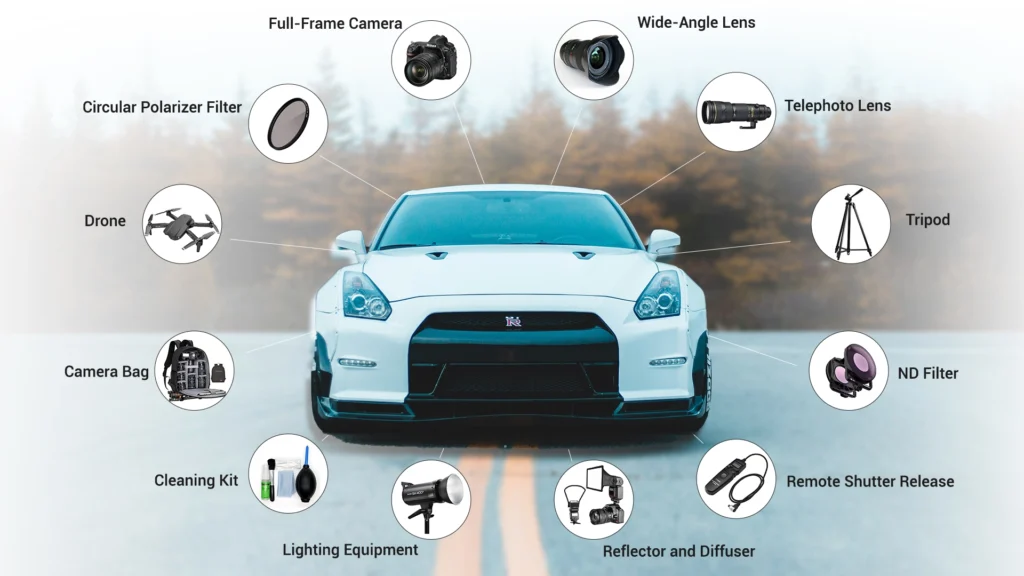
Capturing the perfect shot of a car requires more than just a keen eye for detail. The right equipment is crucial to making your vehicle photography stand out. Whether you’re a budding photographer or a seasoned pro, having the right tools in your kit can significantly impact the quality of your images. Let’s dive into the essentials that every car photographer should consider for their gear.Choosing The Right Camera
Selecting the right camera is your first step toward stunning car photographs. While DSLRs and mirrorless cameras are popular choices, consider your specific needs and budget. A full-frame sensor can provide exceptional detail and dynamic range, ideal for capturing the glossy finish of a car’s paintwork. When I started my journey in car photography, I opted for a crop-sensor DSLR. It was affordable yet capable of delivering sharp images. This choice gave me room to grow without feeling overwhelmed by complex features. Ask yourself what features matter most: is it low-light performance, rapid autofocus, or portability? Your answers will guide you to the best camera for your style.Lens Options For Car Photography
The lens you choose can dramatically alter your composition and perspective. A versatile zoom lens, such as a 24-70mm, offers flexibility for various shots, from wide-angle views to detailed close-ups. For those dramatic shots that capture the sweeping lines of a car, a wide-angle lens can be a game-changer. It allows you to fit the entire vehicle into the frame, even in tight spaces. Prime lenses, like a 50mm or 85mm, can be fantastic for portraits, focusing on specific car details with stunning bokeh. Experiment with different lenses to find which best suits your creative vision. Remember, your lens choice can transform an ordinary shot into something extraordinary. What perspective are you hoping to capture in your next shoot?Understanding Exposure
Capturing stunning car photos requires mastering exposure. Exposure determines how much light reaches the camera sensor. Balancing the elements of exposure is key. These elements are aperture, shutter speed, and ISO. Each plays a role in creating the perfect shot. Understanding these elements helps capture sharp and vibrant images.
Balancing Aperture For Detail
Aperture controls the amount of light entering the camera. It affects depth of field. A wide aperture like f/2.8 allows more light in. It creates a blurred background. This makes the car stand out. A smaller aperture like f/11 gives more detail. It ensures both the car and background are sharp. Choose the aperture based on your desired effect.
Shutter Speed For Motion
Shutter speed affects how motion is captured. Fast shutter speeds freeze motion. Speeds like 1/1000 seconds are great for moving cars. They keep the car in focus. Slow shutter speeds create motion blur. Speeds like 1/30 seconds show movement. They add a dynamic feel to the photo. Adjust shutter speed for different effects.
Iso Settings For Clarity
ISO controls the camera’s sensitivity to light. Lower ISO settings like 100 produce clear images. They minimize noise. Higher ISO settings like 1600 are useful in low light. They increase sensitivity but add grain. Choose the ISO based on lighting conditions. This ensures clarity and sharpness in your photos.
Focus Techniques
Capturing stunning car photographs requires mastering focus techniques. Your ability to handle focus can make or break the image’s sharpness and clarity. Whether you’re shooting moving cars or those parked under a beautiful sunset, understanding focus settings is vital.
Auto Focus Vs. Manual Focus
Auto focus is quick and easy. It helps when shooting fast-moving cars. The camera automatically adjusts focus. This is ideal for beginners. Yet, auto focus might not always be precise. Sometimes, it focuses on the wrong point.
Manual focus offers more control. You adjust the focus yourself. This is useful for stationary cars. It allows you to focus on specific details. Manual focus is perfect for creative shots. Learn to use both methods effectively.
Depth Of Field Considerations
Depth of field affects how much of the scene is in focus. A shallow depth of field blurs the background. It highlights the car. This technique adds drama to your photos. Use a wide aperture for this effect.
A deep depth of field keeps everything sharp. It’s suitable for landscapes with cars. Use a narrow aperture to achieve this. Understand how depth of field changes with aperture settings. Experiment to find what works best for your shot.
Lighting Mastery
Lighting mastery is essential for car photography. Proper lighting enhances the car’s features, making it stand out. Understanding how to use natural and artificial lighting can transform your shots.
Natural Light Utilization
Natural light offers a soft and genuine feel. Early morning or late afternoon light, known as golden hour, is perfect. It adds warmth and depth to your photos. Avoid midday sun, which creates harsh shadows. Overcast days can be ideal. They provide even lighting without strong contrasts. Position the car to face the light source for a balanced look.
Artificial Lighting Tips
Artificial lighting can add drama and focus. Use external flash or studio lights for control. Position lights at angles to highlight specific car features. Softbox or diffusers can soften the light. Avoid direct flash to prevent reflections on the car’s surface. Experiment with light intensity and direction for different effects. LED lights are versatile for night shots. They provide consistent and adjustable light.
Composition Tips
Capturing stunning car photographs isn’t just about having the right equipment; it’s about understanding composition. This section will guide you through some essential composition tips that can elevate your car photography game. Whether you’re shooting for pleasure or a professional portfolio, these insights will help you achieve striking images.
Framing The Car
The way you frame a car in your photograph can dramatically impact the image’s effectiveness. Consider the rule of thirds. Instead of placing the car dead center, try positioning it along one of the grid lines. This adds dynamism and can make your photo more engaging.
Don’t forget to play with angles. Shooting the car from a low angle can make it look more powerful and imposing. Alternatively, a high angle can provide a unique perspective. Remember, your framing should highlight the car’s features — the sleek lines, the shiny surface, or the rugged tires.
Think about what you want the viewer to focus on. If the car’s headlights are a key feature, frame the shot to emphasize them. Do you want to showcase the car’s speed or elegance? Your framing choices should guide the viewer’s eye to these elements.
Background Selection
Your background can make or break your car photograph. A cluttered background can distract from the car’s beauty. Choose a background that complements the car — perhaps a scenic landscape or an urban backdrop that matches the car’s vibe.
Consider the color contrast between the car and the background. A bright car against a muted background can pop and draw attention. On the flip side, a dark car might stand out more against a vivid, colorful background.
Be mindful of reflections. Reflections can add depth to your photograph but can also introduce distractions. Look for backgrounds that enhance the car’s reflective surfaces without overwhelming them. How does the background interact with the car’s shape and color? These are questions you should ask as you choose your setting.
By mastering composition, you can transform your car photography from ordinary to extraordinary. So, grab your camera and start experimenting with these tips. What unique perspectives will you discover?
Credit: www.spyne.ai
Shooting Angles
Capturing cars beautifully requires the right camera settings and angles. Adjust the aperture for sharp details and depth. Use a fast shutter speed to freeze motion, ensuring clarity. Experiment with different perspectives to highlight the car’s design.
Capturing the perfect shot in car photography is not just about having the right camera; it’s about understanding the best angles to showcase the car’s design and personality. Shooting angles can dramatically transform the way a car is perceived in a photograph. Whether you’re going for a dynamic, high-speed look or a more classic, elegant appearance, mastering these angles is key. Let’s dive into some of the most effective shooting angles to elevate your car photography.Dynamic Low Angles
Imagine standing at the car’s level, almost as if you’re a kid admiring a sleek, powerful machine for the first time. Dynamic low angles can make the car appear more aggressive and dominant. By lowering your camera to ground level, you create a perspective that exaggerates the car’s lines and curves. This angle works particularly well with sports cars, enhancing their speed and power. I once lay flat on a racetrack to capture a Mustang, and the low angle made it look like it was ready to bolt off the screen. Try it out next time you’re at an auto show or during a sunset drive. You’ll notice how the car’s reflection on the pavement adds depth to your shot.Eye-level Shots
Eye-level shots are all about relatability and realism. They offer a balanced view, making the car look approachable and familiar. This angle is often used in car commercials and advertisements because it presents the vehicle as it would appear in real life. When shooting at eye level, pay attention to the background. A cluttered background can distract from the car’s features. If you’re in a scenic location, use the environment to complement the vehicle. Once, I shot a vintage Volkswagen Beetle against a backdrop of autumn leaves. The eye-level shot perfectly captured the nostalgic charm of the car. Have you considered how the angle of your shot can change the story your photograph tells? Experiment with these angles, and see how they transform your car photography into something truly captivating.Post-processing Essentials
Capturing cars demands precise camera settings. Adjust shutter speed for sharpness, especially in motion shots. Use aperture to control depth, highlighting the vehicle’s details. Ensure ISO is set low to prevent noise, and choose the right lighting to enhance colors and reflections.
Capturing stunning car photographs involves more than just snapping the shutter at the right moment. Post-processing plays a crucial role in transforming your raw images into eye-catching masterpieces. It’s where you can refine your shots, emphasizing the car’s beauty and the atmosphere surrounding it. You don’t need a master’s degree in Photoshop to make your car photos pop. With a few essential techniques, you can enhance colors, contrast, and remove imperfections, giving your photos that professional edge.Enhancing Colors And Contrast
Colors breathe life into your car photos. Vibrant hues can make a car look sleek and alluring, while softer tones can evoke nostalgia or elegance. Start by adjusting the saturation and vibrance. This helps emphasize the car’s color without overwhelming the viewer. Contrast is equally important. It can highlight the car’s contours and details. Increase contrast to make your photos more dynamic. When I first began editing car photos, I noticed that boosting contrast brought out details that were invisible before. Test different adjustments until you find a balance that suits the mood you’re aiming for. Consider how the car’s color interacts with the background and lighting. Would a burst of orange or a deep blue make the car more appealing?Removing Imperfections
Even the most carefully staged car photos can have small imperfections. Dust spots, reflections, or unwanted background elements can distract from the main subject. Use tools like spot healing and clone stamp to tidy up your image. When I edited a photo with a distracting glare on the windshield, removing it made the car look much sharper. These small tweaks can significantly impact the final outcome. Focus on the details. Is there a tiny blemish on the paint job? Or maybe a stray leaf on the hood? Removing these imperfections ensures the car is the star of the show. Don’t forget to zoom in and inspect your photo closely. What minor detail could you refine to make your image flawless? Remember, perfection is not always necessary, but striving for it can elevate your work. Post-processing is your chance to make your car photography stand out. How will you use these techniques to transform your next shot?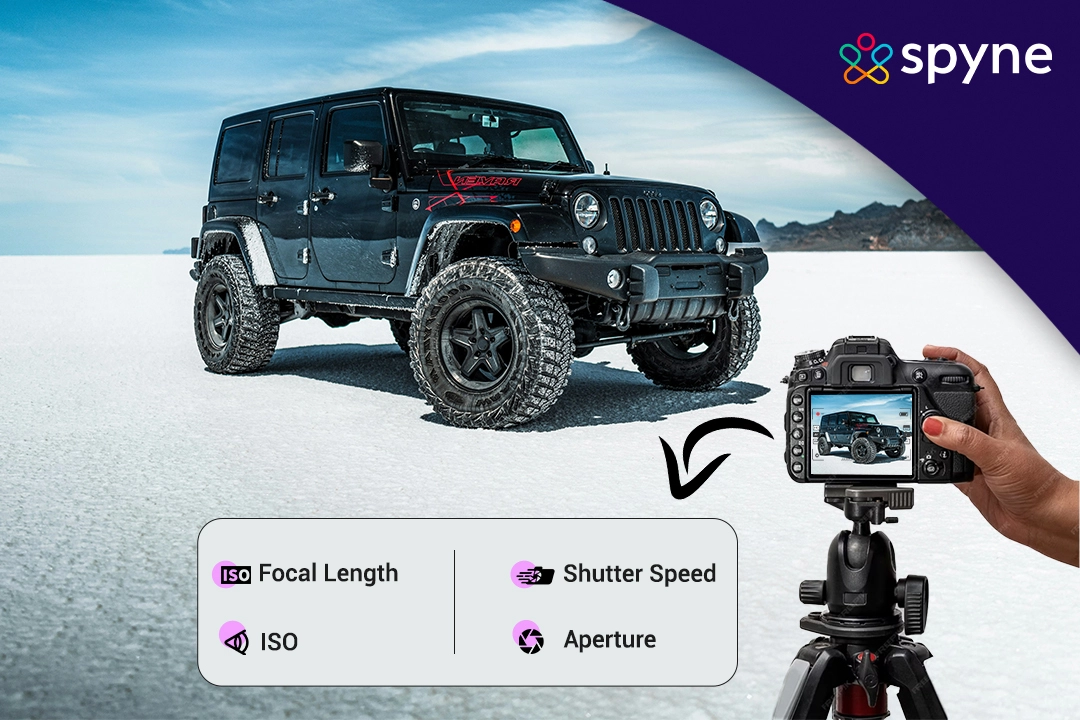
Credit: www.spyne.ai
Frequently Asked Questions
What Aperture Is Best For Car Photography?
A wide aperture like f/2. 8 is ideal for car photography. It allows a shallow depth of field, highlighting the car while blurring the background. This creates a striking visual effect, focusing the viewer’s attention on the car. Experiment with different apertures to find your preferred style.
How Do I Adjust Iso For Car Photos?
Set ISO to 100 or 200 for car photography in daylight. Low ISO ensures minimal noise, producing clearer images. In low light, increase ISO carefully to avoid graininess. Always balance ISO with shutter speed and aperture for the best image quality.
Which Shutter Speed Works For Moving Cars?
Use a fast shutter speed, like 1/1000s, for capturing moving cars. It freezes motion, ensuring sharp images without blur. Adjust based on the car’s speed and lighting conditions. Experiment with different speeds to achieve desired effects, such as motion blur or clarity.
Is Manual Mode Best For Car Photography?
Manual mode offers complete control over settings in car photography. It allows adjustments for lighting, movement, and depth. You can tweak ISO, shutter speed, and aperture to capture perfect shots. Practice using manual mode to enhance your photography skills.
Conclusion
Capturing stunning car photos requires the right camera settings. Adjust your ISO to suit lighting conditions. Use a fast shutter speed to freeze motion. Aperture settings can create a beautiful depth of field. Experiment with angles for unique shots. Remember, practice makes perfect.
Keep experimenting until you find your style. The more you shoot, the better you get. Be patient. Your skills will improve over time. Explore different settings and enjoy the process. Happy shooting!



