

Imagine your data is like a valuable treasure. You want to keep it safe, accessible, and free from prying eyes.
But how can you do that in a world full of digital threats and ever-growing storage needs? Enter blockchain and data storage—a powerful duo that’s revolutionizing how you handle your data. Think of blockchain as a secure vault, where your information is locked safely, immune to tampering.
With its decentralized nature, it ensures that your data remains private and protected. No more worrying about hackers or losing vital information. Are you curious about how blockchain can transform your data storage experience? Do you want to discover a future where your data is not just stored but safeguarded with cutting-edge technology? Dive into this article, and unlock the secrets to secure, efficient, and reliable data storage solutions. Your data deserves the best, and blockchain might just be the answer you’ve been looking for.
Blockchain Basics
Blockchain technology is changing how we store and manage data. It offers a secure, decentralized way to store information. Understanding blockchain basics helps us grasp its potential in data storage.
How Blockchain Works
Blockchain stores data in blocks linked together. Each block has a timestamp and a cryptographic hash of the previous block. This chain of blocks creates a secure and transparent record. Users can access, verify, and add data without altering previous entries. Blockchain operates on a distributed network of computers, ensuring data integrity and security.
Types Of Blockchains
There are several types of blockchains. Public blockchains are open to everyone. Anyone can join and add data. Bitcoin and Ethereum are examples of public blockchains. Private blockchains restrict access to specific users. They offer controlled environments for businesses. Consortium blockchains combine features of public and private blockchains. They allow multiple organizations to collaborate securely. Each type serves different needs in data storage.
Traditional Data Storage Challenges
Traditional data storage faces many challenges in today’s digital world. Many systems rely on centralized servers. This leads to security risks and inefficiencies. As data grows, these systems often struggle to keep up. Rising costs and maintenance demands add to the problem. These challenges highlight the need for innovative solutions. Blockchain technology offers promising alternatives.
Centralized Vulnerabilities
Centralized data storage systems create single points of failure. Hackers target these systems because they hold valuable data. If one server is compromised, all stored data can be at risk. This makes centralized systems a major security concern. Decentralized solutions are needed to enhance security.
Scalability Issues
Traditional systems often struggle with large amounts of data. As data volume increases, performance may decrease. This can slow down processes and lead to inefficiencies. Scaling these systems requires expensive upgrades. Blockchain offers scalable solutions with better efficiency.
Cost And Maintenance
Maintaining traditional data storage is costly and time-consuming. Frequent hardware upgrades and software updates are needed. This leads to increased operational costs. These costs can burden businesses financially. Blockchain can reduce these expenses with its decentralized approach.
Blockchain For Data Storage
Blockchain technology is transforming data storage. It offers new ways to store data securely. Its decentralized nature brings unique benefits. It challenges traditional storage methods. Let’s explore how blockchain enhances data storage.
Decentralized Storage Solutions
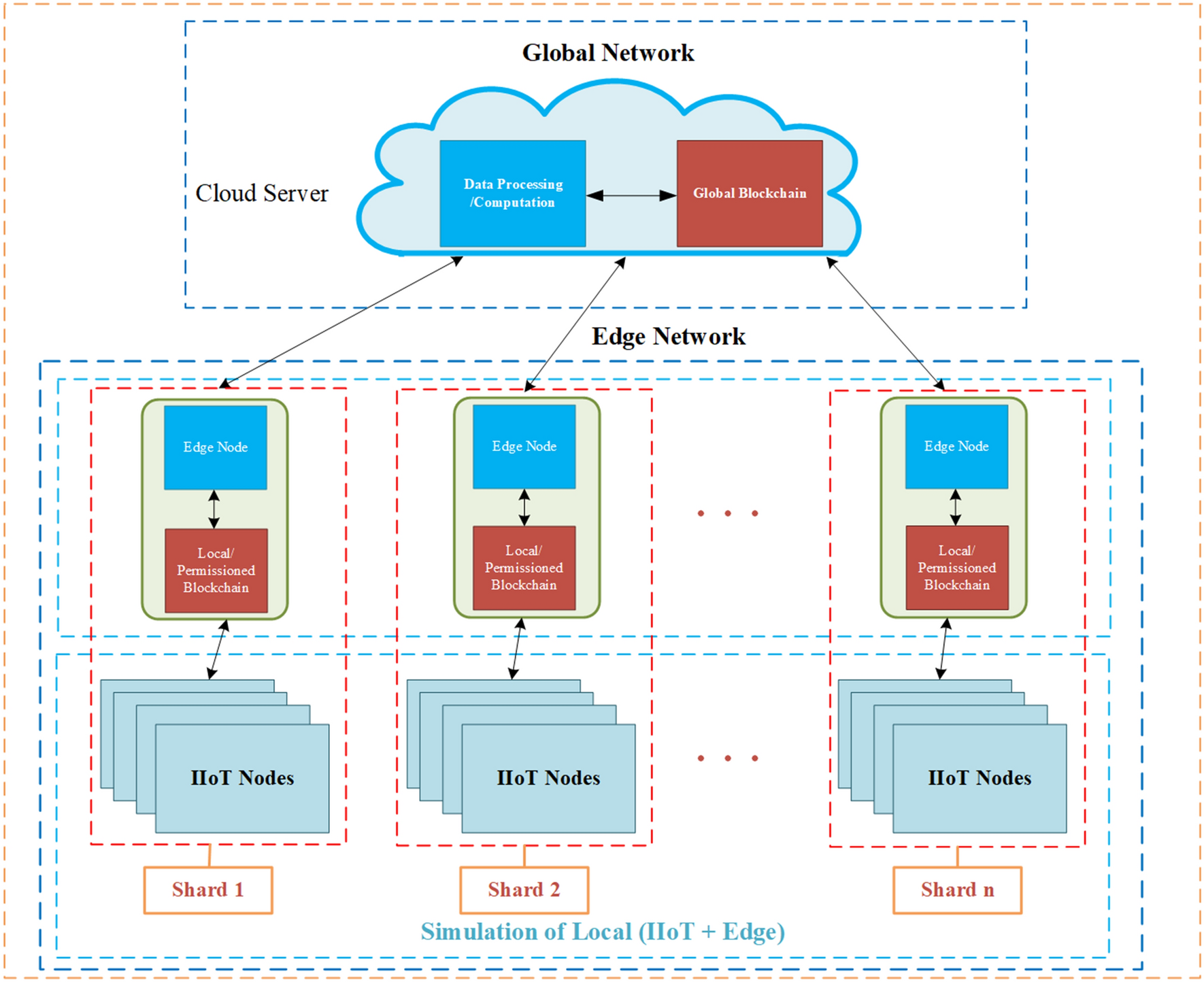
Traditional storage relies on central servers. Blockchain disrupts this model. It distributes data across multiple nodes. Each node holds a copy of the data. This ensures redundancy. If one node fails, data remains accessible. Decentralized storage reduces the risk of data loss. It provides greater reliability.
Enhanced Security Features
Data breaches are a common concern. Blockchain enhances security with encryption. Each piece of data is encrypted. Only authorized users can access it. It uses cryptographic techniques for protection. Blockchain ensures data integrity. Unauthorized changes are detected immediately. It offers peace of mind.
Cost Efficiency
Traditional storage can be expensive. Blockchain offers cost-effective alternatives. It reduces infrastructure costs. No need for expensive data centers. Users share resources to store data. This shared approach cuts costs. Blockchain can lower operational expenses. It offers affordable data storage solutions.
Credit: www.nature.com
Security Benefits
Blockchain technology offers robust security benefits for data storage. Its unique structure ensures safety and reliability. This is essential for sensitive information. Let’s explore these security features further.
Immutability And Data Integrity
Blockchain’s immutability ensures data remains unchanged once recorded. This feature maintains data integrity. Tampering becomes nearly impossible. Each block links to the previous one. Any alteration is easily detected, ensuring trust.
Encryption And Privacy
Blockchain uses advanced encryption techniques. This safeguards data from unauthorized access. Encryption ensures privacy for users. Only authorized parties can decrypt the information. This makes blockchain a secure choice for data protection.
Resilience Against Attacks
Blockchain’s decentralized nature offers resilience against attacks. Multiple copies of data exist across the network. This makes it difficult for attackers to compromise data. Even if one node is attacked, others remain secure. This ensures continuous data availability.
Use Cases
Blockchain technology offers secure data storage solutions across various sectors. Its decentralized nature ensures data integrity and privacy. Many industries use blockchain to improve data management and transparency. Let’s explore some key use cases.
Healthcare Data Management
Blockchain can transform healthcare data management. Patient records are stored securely, preventing unauthorized access. Doctors and patients can access data in real-time. This ensures timely and accurate medical decisions. Blockchain also reduces errors and fraud in medical billing.
Financial Records
Financial institutions benefit from blockchain’s secure data storage. Transactions are recorded transparently, reducing fraud risk. Audits become more efficient with automated verification processes. Blockchain ensures data accuracy and trust between parties. It also lowers operational costs by minimizing manual processes.
Supply Chain Transparency
Blockchain enhances supply chain transparency by tracking product movement. Each step is recorded, from production to delivery. This ensures authenticity and quality control. Consumers can verify product origins, fostering trust. Businesses gain insights into supply chain efficiency and potential issues.
Challenges And Limitations
Blockchain and data storage face significant challenges due to scalability issues. Storing large volumes of data on the blockchain can be costly. Limited storage space also affects performance and efficiency. Balancing security with fast access remains a complex hurdle. These factors impact widespread adoption in data-intensive sectors.
Blockchain technology, while revolutionary, isn’t without its hurdles, especially concerning data storage. As you venture into this digital frontier, it’s crucial to understand the challenges and limitations that come with it. These obstacles can impact the efficiency and feasibility of implementing blockchain as a data storage solution. By grasping these challenges, you can better navigate the complexities of blockchain technology and make informed decisions about its use.Scalability Concerns
Blockchain’s scalability is a persistent issue. As the number of transactions increases, so does the data load. This can lead to slower processing times. Imagine trying to fit a huge library into a tiny room; it’s simply not practical. The blockchain’s current structure makes it difficult to expand without compromising speed and efficiency. Can you imagine waiting hours for a simple transaction because of data congestion?Energy Consumption
Blockchain’s energy demands can be overwhelming. Mining and processing require immense computational power. This often results in high electricity consumption, which isn’t environmentally friendly. Think about your last electric bill; now multiply that by thousands of computers running 24/7. The environmental impact and cost can be daunting. Are you willing to support a system that’s potentially harmful to our planet?Regulatory Hurdles
Navigating the legal landscape can be tricky. Blockchain technology often operates in a gray area when it comes to regulation. Different countries have varying laws, creating a web of legal challenges. Picture trying to drive a car across different countries with varying traffic laws; it’s confusing and frustrating. How do you ensure compliance when the rules are constantly changing? Understanding these challenges is essential as you explore blockchain for data storage. Ask yourself: are the benefits worth the hurdles?Future Of Blockchain In Data Storage
Blockchain offers a new approach to data storage by enhancing security and transparency. This technology allows for efficient, decentralized storage, reducing data loss risks. With its potential, blockchain could transform how we store and access data in the future.
As we look to the future of blockchain in data storage, it’s crucial to consider how this technology will transform the way we store and access information. Blockchain offers a decentralized approach, which can enhance security and transparency. But how exactly will this impact you and the broader digital landscape?Innovative Developments
Recent advancements in blockchain technology are reshaping data storage. One exciting development is the use of distributed storage systems. These systems break data into smaller pieces, storing them across various nodes, which can increase security and reduce costs. Imagine accessing your data from any part of the world without the fear of it being hacked. That’s the promise these innovations hold. As more companies experiment with blockchain for storage, you might soon find safer and more efficient options for your personal and business data.Potential Market Growth
The market for blockchain in data storage is set to grow. Analysts predict that as businesses recognize the benefits, investments will soar. Do you see your company embracing blockchain for its storage needs? Consider how industries like healthcare and finance, which handle sensitive information, could benefit significantly. The potential for growth is enormous, and as a consumer, this could mean more competitive pricing and better services for you.Integration With Emerging Technologies
Blockchain isn’t evolving in isolation. It’s increasingly integrating with technologies like AI and IoT. This integration promises smarter and more efficient data management solutions. Think about your smart devices at home—how secure is your data? With blockchain, there’s potential for enhanced protection and streamlined operations. As these technologies merge, the way you interact with digital services could dramatically improve. The future of blockchain in data storage isn’t just about technology—it’s about how these changes will impact your daily life. Are you ready to embrace this digital evolution?Credit: www.researchgate.net
Credit: www.blockchain-council.org
Frequently Asked Questions
How Does Blockchain Improve Data Storage?
Blockchain enhances data storage by ensuring security, transparency, and decentralization. It eliminates the risks of data tampering through cryptographic techniques. This technology provides a reliable, immutable record of transactions, making data access efficient and secure. Additionally, blockchain reduces dependency on centralized servers, minimizing risks associated with single-point failures.
Can Blockchain Reduce Data Storage Costs?
Yes, blockchain can reduce data storage costs by eliminating intermediaries. It provides a decentralized storage solution, reducing infrastructure costs. Blockchain allows efficient data sharing and retrieval, streamlining processes. Additionally, it can optimize resource allocation, resulting in cost savings. This technology also minimizes data duplication and enhances data integrity.
Is Blockchain Data Storage Scalable?
Blockchain data storage can be scalable through various solutions. Techniques like sharding and off-chain storage enhance scalability. Sharding divides the blockchain into smaller parts, improving processing efficiency. Off-chain storage allows large data files to be stored externally, reducing the blockchain’s burden.
These methods ensure blockchain can handle increasing data volumes effectively.
How Secure Is Blockchain For Data Storage?
Blockchain offers high security for data storage through its cryptographic framework. Each transaction is encrypted and linked to previous ones, ensuring data integrity. The decentralized nature reduces hacking risks, as there’s no single point of failure. Additionally, consensus mechanisms provide further security, making unauthorized alterations extremely difficult.
Conclusion
Blockchain offers secure and efficient data storage solutions. It protects data from unauthorized access. Businesses benefit from its transparency and reliability. Storage costs reduce with decentralized networks. Data remains safe with cryptographic techniques. Blockchain ensures swift access to information. Many industries explore its potential.
It promises innovation in data management. The future of storage looks promising with blockchain. Consider its advantages for your data needs. Stay informed as technology evolves. Embrace blockchain for a secure tomorrow.



