

Imagine a world where your phone was just a device to make calls. Fast forward to today, and that same device is a gateway to everything you could possibly need.
The evolution of smartphones is a tale of innovation, convenience, and transformation that has reshaped how you live, work, and connect. From the bulky bricks of the past to sleek, powerful mini-computers in your pocket, smartphones have come a long way.
But what drove this rapid change? And how has it impacted your daily life? Stay with us as we unravel the fascinating journey of smartphones and discover how these tiny gadgets have become indispensable in your world. Your curiosity will be rewarded with surprising insights and a peek into the future of mobile technology.
Early Beginnings
The world of smartphones began with modest devices. Early models were bulky and had limited capabilities. These phones laid the groundwork for today’s advanced technology. Understanding their evolution helps appreciate modern innovations.
First Generation Devices
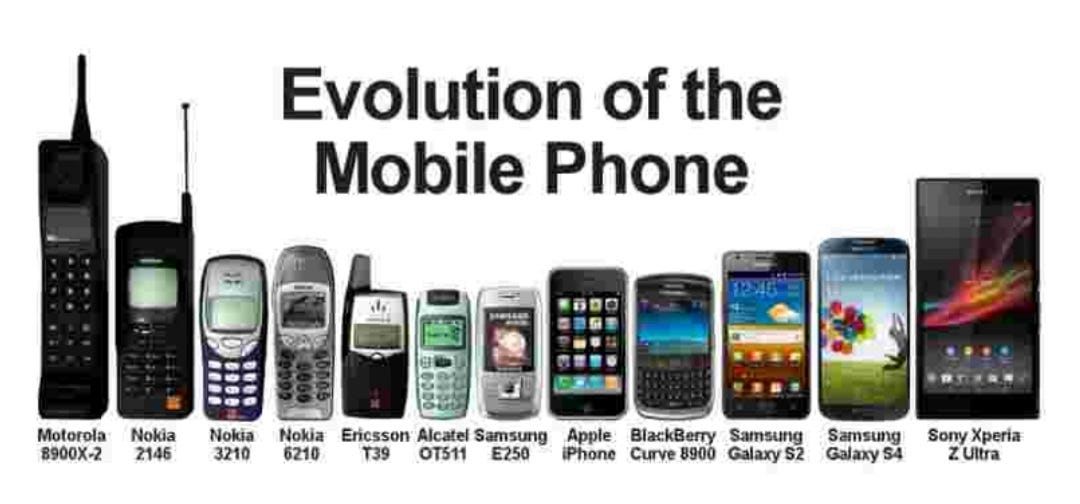
The first generation of mobile phones appeared in the late 1980s. These devices were large and heavy, resembling bricks more than phones. They were often used in cars due to their size. Motorola’s DynaTAC is a famous example from this era.
These phones introduced the concept of mobile communication. People could make calls from almost anywhere. It marked a significant shift in how we connect with others.
Basic Features And Limitations
Early smartphones had limited features. They allowed voice calls and basic text messaging. There were no cameras, touchscreens, or internet access. Battery life was short, requiring frequent charging.
Their bulky design made them less portable. The high cost limited their use to business professionals and wealthy individuals. Despite these limitations, they set the stage for future advancements.
These devices sparked interest in mobile technology. Their impact on communication is undeniable.
Rise Of The Feature Phone
Feature phones marked a significant shift in mobile technology. They bridged the gap between basic phones and smartphones. These phones offered useful features beyond just making calls. Their popularity grew rapidly in the early 2000s.
Introduction Of Color Screens
Color screens made feature phones more appealing. Users could view colorful images and animations. This added a layer of excitement to mobile use. Color screens also improved user interface visibility. They made navigating menus easier and more enjoyable.
Sms And Simple Games
Text messaging became a key feature of feature phones. It allowed quick communication without making calls. SMS was cheap and easy to use. This turned texting into a popular trend.
Simple games were another attraction. Games like Snake and Tetris entertained users. These games provided fun during idle moments. They were easy to play and required no internet.
Smartphone Revolution
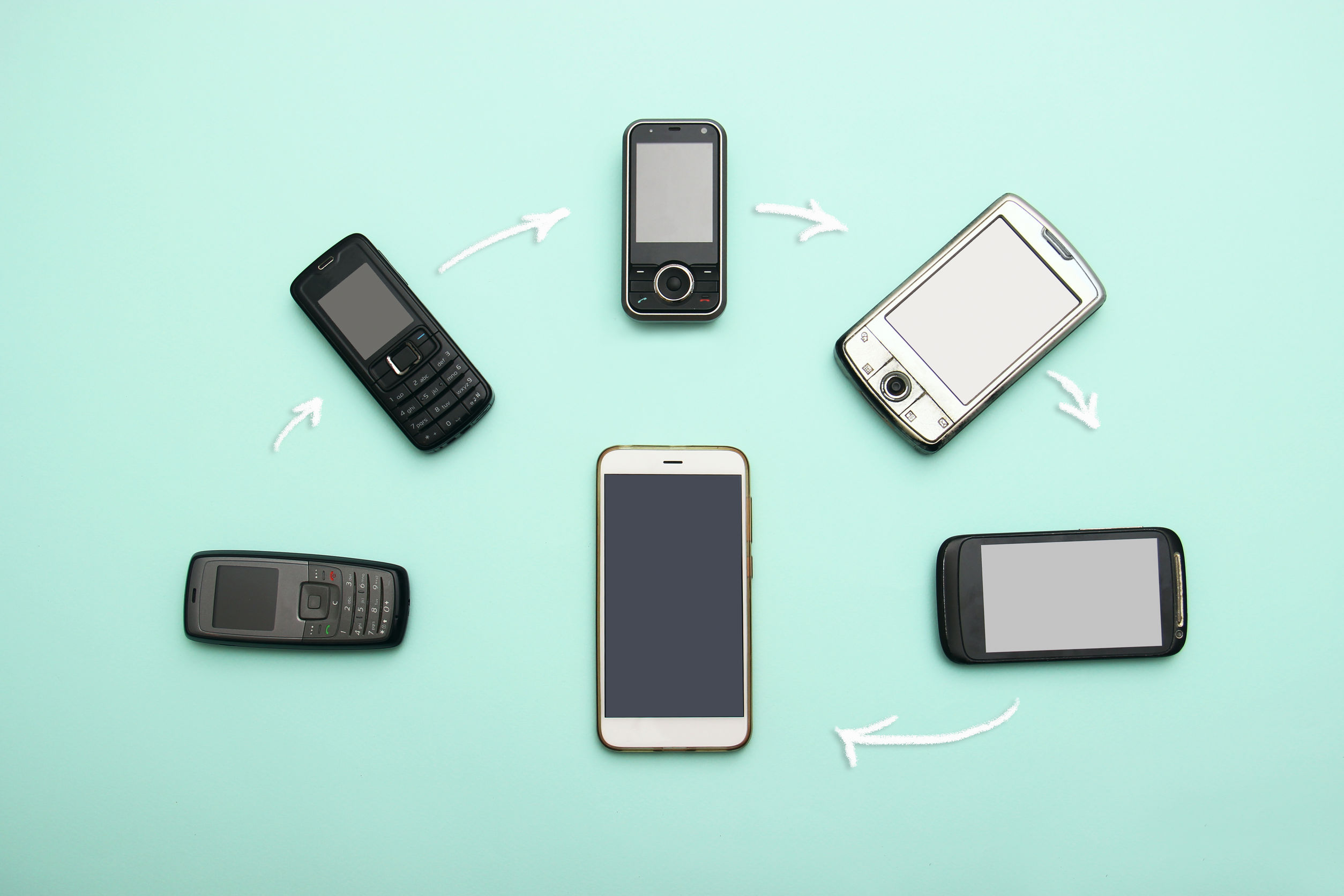
The smartphone revolution has transformed how we connect and communicate. Once bulky and limited, phones now fit in our pockets. They offer endless possibilities. This change impacts every aspect of life. From social interactions to business operations, smartphones play a key role.
Touchscreen Innovations
Touchscreens made smartphones easy to use. Early phones had physical keyboards. Touchscreens replaced them with smooth glass surfaces. Users navigate with simple taps and swipes. This change made devices more intuitive. It opened doors to new designs and features.
Capacitive screens brought sensitivity and precision. They respond to light touches. Multi-touch technology allows multiple fingers to interact. Pinch to zoom became a standard gesture. These advancements made smartphones engaging and accessible.
App Ecosystem Emergence
Apps transformed smartphones into versatile tools. Early phones offered limited functions. App stores opened up new possibilities. Users download apps for any need. Games, social media, and productivity are just a few examples.
Developers create apps for every interest. This ecosystem grows daily. Apps enhance phone functionality. They allow customization and personalization. Users tailor their phones to fit lifestyles. The app ecosystem continues to expand, offering endless options.
Credit: www.thalesgroup.com
Rise Of Mobile Operating Systems
The evolution of smartphones has transformed the way we live. At the heart of this transformation is the rise of mobile operating systems. They are the engines that drive these devices. Mobile operating systems have changed how we interact with technology. They have made smartphones essential in our daily lives.
Ios And Android Dominance
iOS and Android are the giants in mobile operating systems. Apple launched iOS in 2007 with the first iPhone. It brought a sleek, user-friendly interface. Google’s Android followed closely in 2008. It offered a customizable platform for various devices. Together, they dominate the smartphone world. They hold over 99% of the global market. Their rivalry pushes innovation. Users benefit from new features and improvements.
Impact On User Experience
The dominance of iOS and Android shapes user experience. iOS is known for its simplicity and security. It delivers a smooth and intuitive experience. Android offers flexibility and personalization. Users can tailor their devices to fit their needs. Both systems support a vast app ecosystem. This gives users access to countless applications. They enhance productivity, entertainment, and communication. Mobile operating systems have made smartphones indispensable.
Advanced Camera Technology
Smartphones have come a long way. Advanced camera technology is a key feature. Cameras in phones today rival professional equipment. Enhanced sensors and smart software make this possible. Innovations in camera tech are changing how we capture moments.
Megapixels And Image Processing
Early smartphones had low megapixels. The quality was grainy and dull. Modern phones boast high megapixel counts. More megapixels mean clearer and sharper images. Image processing is also crucial. It improves photos automatically. Software tweaks colors and brightness. This delivers stunning photos with ease.
Impact On Photography
Smartphones have changed photography. Everyone can take great pictures now. Quality rivals traditional cameras. Mobile photography is popular and accessible. Social media thrives with smartphone photos. Sharing moments is easier than ever. Professional photographers also use smartphones. They capture unique perspectives effortlessly.

Credit: www.researchgate.net
Connectivity Enhancements
The evolution of smartphones has been nothing short of astounding, particularly in the realm of connectivity enhancements. As we move deeper into the digital age, these devices have become pivotal in bridging the gap between technology and daily life. Whether you’re streaming your favorite show or controlling your home’s thermostat from miles away, the connectivity of smartphones is at the heart of modern convenience.
5g And Internet Of Things
5G technology has transformed how we connect with the world. With faster speeds and lower latency, 5G allows you to download large files in seconds and stream ultra-high-definition video without buffering. This speed also powers the Internet of Things (IoT), enabling seamless communication between smart devices.
Picture this: You wake up to your smartwatch gently vibrating, indicating it’s time to start your day. Your coffee maker, synced to your morning alarm, begins brewing fresh coffee. Such seamless integration is possible due to the connectivity enhancements brought by 5G and IoT.
As more devices become interconnected, managing your smart home or office becomes effortless. Have you ever wondered how many devices you rely on daily? From smart refrigerators to automated lighting, the possibilities are expanding rapidly. This interconnected ecosystem reshapes our interaction with technology, making tasks simpler and more efficient.
Influence On Communication
The way you communicate has been profoundly influenced by smartphone connectivity. Gone are the days of waiting for dial-up connections or dealing with dropped calls. Now, instant messaging and video calls are just a tap away, bringing you closer to loved ones, no matter the distance.
Consider the last time you called a friend overseas. Chances are, it was through a video call app that offered clear audio and video, thanks to enhanced connectivity. This shift not only fosters personal relationships but also transforms business communications, making remote work more viable and productive.
Yet, with all these advancements, are we sacrificing face-to-face communication? While digital interaction is convenient, it’s essential to balance online connections with real-world interactions. As we embrace these technological wonders, reflecting on how they impact our daily lives and relationships is crucial.
Connectivity enhancements in smartphones have undeniably shaped how we live and interact. As technology continues to advance, staying informed and adapting to these changes is key. What connectivity feature do you value most in your smartphone? Share your thoughts and let’s explore how these innovations influence our world.
Design And Durability
The evolution of smartphones has transformed design and durability. These elements have seen significant changes over the years. Early smartphones prioritized function over form. Today, design and durability are equally important. Sleek aesthetics and robust construction are key. Consumers demand devices that are both stylish and strong.
From Plastic To Metal And Glass
Smartphone materials have evolved significantly. Initially, plastic dominated the market. It was cheap and easy to mold. But it lacked premium feel and durability. Manufacturers soon introduced metal. This brought a more luxurious touch. Aluminum became a popular choice. It added sturdiness and a modern look.
Then came glass. It revolutionized smartphone design. Glass offers a sleek, shiny finish. It supports features like wireless charging. Yet, it also posed challenges. Glass is prone to shattering. But advancements in technology have improved its strength. Gorilla Glass and similar innovations offer better protection.
Waterproof And Foldable Designs
Waterproofing has become a standard feature. Early smartphones were vulnerable to water damage. Now, many models can survive splashes and submersion. This enhances durability and user confidence. Waterproof designs also opened new possibilities. Users can take their phones swimming or in the rain.
Foldable designs are the latest trend. They offer a unique user experience. Foldable screens can expand for larger views. They can also fold to fit in pockets. This design combines portability with functionality. It’s a step forward in smartphone evolution. Manufacturers are working to perfect foldable technology.
Ai And Machine Learning
Smartphones have transformed over the years. One of the biggest changes is the integration of AI and machine learning. These technologies make phones smarter and more helpful. They learn from your behavior and adapt. This makes tasks smoother and more efficient.
Personal Assistants And Automation
AI powers personal assistants like Siri and Google Assistant. They help you manage tasks with voice commands. This saves time and effort. Automation is another feature. It streamlines routines, like setting alarms or sending texts. AI automates repetitive tasks, making life easier.
Enhancing User Interactions
AI improves how users interact with smartphones. It personalizes experiences based on your preferences. Machine learning analyzes data to offer suggestions. This boosts user satisfaction. It makes interactions feel intuitive and natural. AI learns from your habits, predicting what you need.
Future Trends
Smartphones have evolved rapidly in the last decade. Their future trends promise even more exciting changes. New technologies will transform how we interact with our devices. Let’s explore these upcoming innovations.
Augmented Reality Integration
Augmented Reality (AR) is set to change smartphone experiences. AR blends digital elements with the real world. Imagine viewing products in 3D before buying. Games will feel more immersive with AR. Educational apps will bring subjects to life with interactive content. AR will enhance navigation, showing routes in real-time.
Smartphones will incorporate advanced AR features. Cameras will detect surroundings for better integration. Faster processors will ensure smooth AR experiences. Developers will create apps that utilize AR capabilities. Users will enjoy more personalized content with AR. This trend is shaping the future of mobile technology.
Sustainable And Ethical Innovations
Smartphone makers are focusing on sustainability. They aim to reduce their environmental impact. Materials used in phones will be more eco-friendly. Companies will opt for recycled and biodegradable materials. Energy-efficient designs will reduce power consumption.
Ethical sourcing will become a priority. Fair labor practices will be emphasized. Manufacturers will ensure transparency in production processes. Consumers will value sustainability in their choices. These changes reflect a growing awareness of global issues. Future smartphones will align with ethical and sustainable goals.
Credit: jaaduse.com
Frequently Asked Questions
When Did Smartphones First Appear?
Smartphones first appeared in the early 1990s. IBM’s Simon was the first device, launched in 1992. It combined a phone and PDA, offering email and calendar.
How Have Smartphone Designs Changed?
Smartphone designs have evolved significantly. Early models were bulky with physical keyboards. Today, sleek touchscreen designs dominate, offering larger screens and minimalistic aesthetics.
What Advancements Have Smartphones Made?
Smartphones have seen numerous advancements. They now offer high-speed internet, powerful processors, and advanced cameras. Features like facial recognition and AI have become standard.
Are Smartphones Impacting Our Daily Lives?
Smartphones significantly impact daily life. They keep us connected, informed, and entertained. They revolutionize communication, navigation, and even shopping, making tasks easier.
Conclusion
Smartphones have transformed how we connect and communicate. From bulky beginnings to sleek designs, they evolve rapidly. Each upgrade brings new features and better technology. This journey is a testament to human innovation. People rely on smartphones for daily tasks and entertainment.
It’s fascinating to see how they continue to change. As technology advances, smartphones will keep improving. Future models may surprise us with new capabilities. Stay curious and embrace these changes. The evolution is ongoing and exciting. Smartphones are now a vital part of modern life.
Their impact is undeniable.



