
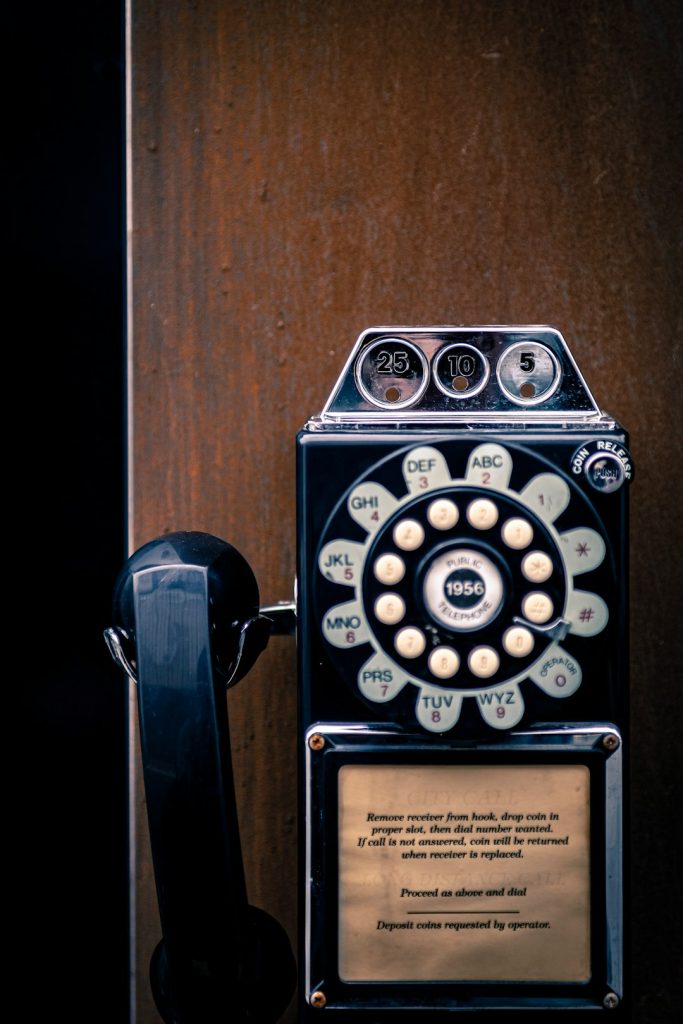
Imagine a world without smartphones. No instant access to information, no social media at your fingertips, and no portable entertainment.
Sounds almost unimaginable, right? Yet, there was a time when the idea of carrying a powerful computer in your pocket was just a futuristic dream. As you hold your smartphone today, have you ever wondered about the very first smartphone ever made?
What was it like, and how did it pave the way for the sleek devices you now rely on daily? You might be surprised to learn that the first smartphone was not as recent as you might think. It was a groundbreaking innovation that changed the course of technology forever. Understanding its story and the genius behind it can give you a deeper appreciation for the device you use every day. So, stick around as we delve into the fascinating tale of the first smartphone ever made, a tale filled with ingenuity, vision, and the relentless pursuit of progress.
Credit: www.cellularsales.com
The Birth Of The Smartphone
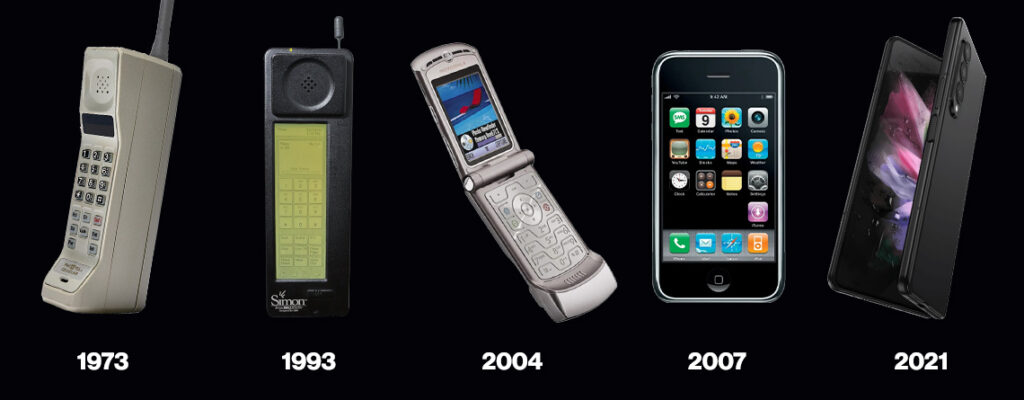
The smartphone changed the way we communicate. It started with the first smartphone. Let’s explore how it began and what it offered. Its birth was a key moment in tech history.
The First Steps In Smartphone Development
The journey began in the early 90s. Engineers and tech wizards collaborated. They aimed to merge phone and computer functions. The challenge was huge but exciting.
The Inspiration Behind The Design
Designers wanted a device that fit in a pocket. It needed to be user-friendly. The goal was to simplify life. Ideas from sci-fi inspired many features.
The First Smartphone: Ibm Simon
IBM Simon was the first smartphone. It debuted in 1992. This device combined a phone with a PDA. It was a pioneer in mobile technology.
Features That Set It Apart
Simon had a touch screen. This was rare then. It could send emails and faxes. Users could even play games. These features were groundbreaking.
Impact On Communication
The smartphone changed how we stayed in touch. People could now communicate on-the-go. It made staying connected easier. Life became more convenient.
A New Era In Technology
The smartphone opened doors to new possibilities. It inspired future innovations. The world saw technology in a new light. It was just the beginning.
Early Mobile Communication
Early mobile communication marked a turning point in technology. Imagine a world where instant communication was a dream. The first smartphone changed everything. It brought people closer, breaking the barriers of time and space. This innovation paved the way for future advancements in mobile technology.
Understanding Early Mobile Communication
Mobile communication began with bulky devices. These early models were not portable. They were used mainly in cars. The technology was basic. It allowed voice calls only. People were fascinated by the ability to talk over distances.
The Birth Of The First Smartphone
The first smartphone was launched in 1992. It was called Simon Personal Communicator. IBM developed this pioneering device. It was not just a phone. It offered a touchscreen interface. Users could send emails and faxes. It had a calendar and address book. This was groundbreaking for its time.
Features That Set It Apart
Simon had unique features. It had a monochrome LCD screen. The interface was simple. It allowed users to draw on the screen. It had several applications. This was the beginning of app-based technology. It paved the way for future smartphones.
Early smartphones changed how people communicated. They made information accessible. People could contact anyone anytime. This technology influenced business and personal communication. It laid the groundwork for modern smartphones.
Legacy Of Early Mobile Communication
The first smartphone inspired future innovations. It showed what was possible. Today, smartphones are essential. They connect the world. The early mobile communication era set the stage. It was the foundation for today’s digital age.
The Ibm Simon Personal Communicator
The IBM Simon Personal Communicator was a groundbreaking device that changed how people thought about communication and technology. Released in 1994, it was the first smartphone in the world, paving the way for the gadgets we rely on today. If you take a moment to appreciate the simplicity and innovation of this device, you might find connections to your own digital habits and preferences.
Key Features
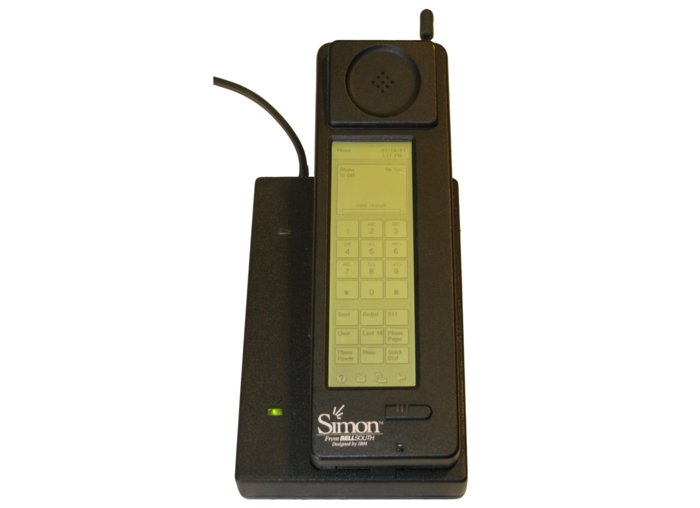
IBM Simon wasn’t just a phone; it was a multifunctional device that combined the features of a mobile phone and a PDA. It offered a touchscreen interface, a rarity at the time, allowing you to dial numbers, send faxes, and even emails.
Simon came with a stylus, making navigation intuitive despite its monochrome display. It also had built-in applications like a calendar, address book, and calculator. Imagine carrying your office in your pocket back in the ’90s!
Curiously, Simon had a PCMCIA slot for expansion, a detail that might surprise you given today’s seamless integrations. Could you imagine needing a card to add features to your phone?
Launch And Reception
The launch of the IBM Simon took place in August 1994, at a time when mobile phones were just gaining traction. It was priced at $899 with a service contract, which would make you think twice about splurging on cutting-edge tech.
Reception was mixed; while tech enthusiasts marveled at its capabilities, the general public found its short battery life and bulkiness a challenge. How many of us have been swayed by flashy features only to face practical limitations later?
Despite the hurdles, Simon sold approximately 50,000 units in its first six months, proving there was a demand for smart devices. It makes you wonder what features would compel you to adopt a new technology today.
Credit: www.mobileshop.eu
Technological Innovations
The first smartphone, IBM Simon, was released in 1994. It combined a mobile phone with PDA features. This innovation paved the way for modern smartphones, offering email, fax, and touchscreen capabilities.
The world of smartphones has evolved rapidly, and it all began with a groundbreaking device that introduced us to a new realm of technological possibilities. The first smartphone ever made wasn’t just a phone; it was a significant leap in technology that set the stage for the devices we now rely on daily. Let’s take a closer look at the technological innovations that made the first smartphone a pioneer in its field.Touchscreen Interface
One of the most remarkable features of the first smartphone was its touchscreen interface. Unlike the physical buttons that dominated earlier mobile phones, this device allowed users to interact with the screen directly. It was a game-changer, providing a more intuitive and engaging experience. Imagine the surprise of swiping your finger across a screen and seeing it respond instantly. This innovation not only made smartphones more user-friendly but also paved the way for a plethora of applications and features that relied on touch navigation. Have you ever thought about how different your daily interactions would be without this technology?Software Applications
The introduction of software applications on the first smartphone marked another significant milestone. No longer was a phone just for calls; it became a multifunctional tool. Users could now access emails, manage calendars, and even play games. Think about how your smartphone is now a personal assistant, entertainer, and productivity hub all rolled into one. The early software applications laid the groundwork for the app ecosystems we enjoy today, offering endless possibilities at our fingertips. What apps could you not live without now? These innovations turned a simple communication device into something far more versatile and indispensable. As you use your smartphone today, remember the technological strides that got us here, and consider how these early advancements continue to shape your digital life.Impact On Society
When the first smartphone made its debut, it was more than just a technological marvel—it was a catalyst for societal change. Suddenly, the world seemed a little smaller and a lot more connected. You might have experienced this shift yourself, as communication transformed and devices became smarter. How did this tiny gadget impact society at large? Let’s dive into the profound changes and influences it brought about.
Changing Communication
Imagine a world where communication was limited to landlines and face-to-face interactions. The first smartphone shattered these boundaries, allowing people to connect with anyone, anywhere, anytime. Text messages replaced long phone calls, and emails became accessible at the touch of a button.
You probably found yourself texting friends while waiting for your coffee, staying connected without disrupting your day. This shift not only made communication faster but also more informal and accessible.
Parents started texting kids to check in, and colleagues exchanged quick messages instead of lengthy emails. Did you notice how communication became more immediate? This speed and ease of access reshaped relationships and work dynamics.
Influence On Modern Devices
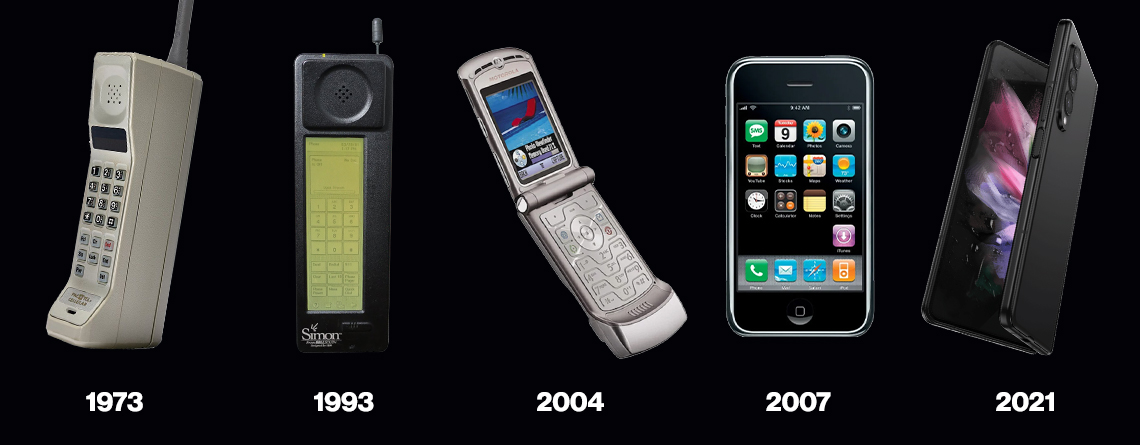
The first smartphone laid the groundwork for the sleek, multifunctional devices we use today. Each advancement built upon the original concept, adding features that make our lives easier and more connected.
Think about how your phone now functions as a camera, a GPS, and even a health monitor. These capabilities stem from the smartphone’s evolutionary journey, responding to society’s growing needs for convenience and efficiency.
Have you ever wondered how much more productive you are with a smartphone? This influence on modern devices has made information access seamless, turning them into essential tools for daily life.
As you reflect on how the first smartphone changed society, consider the impact on your daily interactions and the devices you rely on. What changes have you noticed in your communication habits? How have modern devices shaped your lifestyle?
Credit: www.cellularsales.com
Challenges And Limitations
Creating the first smartphone involved overcoming technical hurdles. Battery life and limited processing power posed significant challenges. Connectivity issues restricted its functionality, making widespread adoption difficult at first.
The creation of the first smartphone was a breakthrough in technology. Yet, it came with its own set of challenges and limitations. During its development, inventors faced numerous hurdles. These challenges shaped the early days of smartphone technology. Understanding these obstacles helps appreciate the evolution of modern smartphones.Technical Constraints
In the early days, technology was not as advanced. Engineers had limited resources to work with. They struggled with creating efficient processors. Battery life was a significant issue. The first smartphones couldn’t last long without charging. Display quality was another problem. Screens were small and not very clear. Storage capacity was minimal. Users couldn’t save much data or apps. Connectivity options were limited. Internet speeds were slow and unreliable.Market Challenges
The market was not ready for smartphones. People didn’t understand their potential. Most preferred traditional phones over new technology. The cost was another deterrent. Early smartphones were expensive. Only a few could afford them. There was also a lack of supporting apps. Developers were unsure about investing in new platforms. Marketing strategies were ineffective. Companies struggled to convince consumers to switch. The transition to smartphones took time. Eventually, these hurdles were overcome. And the smartphone era began.Legacy Of The First Smartphone
The first smartphone changed communication forever. It was more than just a phone. It combined features of a computer, camera, and GPS. This device marked a new era in technology. Its influence is still felt today. People began to imagine endless possibilities. This sparked creativity among tech innovators worldwide.
Paving The Way For Future Innovations
The first smartphone set new standards. It encouraged others to think big. Engineers and developers saw the potential in mobile tech. This led to rapid advancements in devices. Smartphones grew smarter and more efficient. They inspired the creation of apps. These apps transformed daily tasks and entertainment.
Lessons Learned
Tech experts learned valuable lessons from the first smartphone. It showed the importance of user-friendly design. People wanted easy-to-use interfaces. This lesson shaped future gadgets. The first smartphone also highlighted the need for continuous improvement. It taught businesses to listen to user feedback. This approach remains crucial for tech success today.
Frequently Asked Questions
What Was The First Smartphone Ever Made?
The first smartphone was IBM Simon, launched in 1994. It combined mobile phone capabilities with PDA features. Simon featured a touchscreen, email, and fax functionality. Though bulky by today’s standards, it paved the way for future smart devices.
Who Invented The First Smartphone?
IBM and BellSouth jointly developed the IBM Simon. It was invented by Frank J. Canova. Released in 1994, it introduced groundbreaking features for its time, including a touchscreen. It marked the beginning of mobile telecommunication and computing convergence.
How Did Ibm Simon Change Mobile Phones?
IBM Simon introduced touchscreens, emails, and apps. It transformed phones from communication tools to multifunctional devices. Despite its limited battery life and high price, it set the stage for modern smartphones. It revolutionized the way people interacted with mobile technology.
What Features Did Ibm Simon Have?
IBM Simon had a touchscreen, email, and fax capabilities. It included basic apps like calendar and address book. It was a pioneering device, bridging the gap between mobile phones and computers. Its innovation influenced the design of future smartphones.
Conclusion
The first smartphone marked a new era in technology. It changed how we connect and communicate. People could call, text, and access the internet. Smartphones evolved from simple to complex devices. They now hold a central place in daily life.
Understanding this history helps appreciate modern phones. They offer countless features today. Yet, it all started with one innovative idea. That idea paved the way for the smartphones we use now. The journey from then to now is fascinating. It shows how technology constantly moves forward.
And it reminds us of the power of human creativity.



