

Imagine holding a piece of history in your hand. The smartphone, an essential part of your daily life, had a groundbreaking beginning that changed everything.
As you swipe through apps and send messages, do you ever wonder how this revolutionary technology started? The story of the first smartphone in the world is more than just a tale of innovation; it’s a journey that transformed the way you connect with others.
Dive into the captivating origins of the device that reshaped communication, and discover how it laid the foundation for the powerful tool you rely on every day. Keep reading to uncover the fascinating details that will make you appreciate your smartphone in a whole new light.
Credit: www.cellularsales.com
Early Mobile Communication
In the days when landlines dominated and phone booths were a common sight, the concept of mobile communication seemed almost futuristic. Yet, the journey to the first smartphone began with humble beginnings in early mobile technology. Understanding where it all started gives us a clearer picture of how far we’ve come today. Imagine being tethered to a corded phone and suddenly having the freedom to communicate on the go. This leap was nothing short of revolutionary for those who witnessed it.
Origins Of Mobile Technology
The roots of mobile communication trace back to the early 20th century. Initially, it was about making communication portable. The first devices were bulky and primarily used by military and emergency services. They were not something you could slip into your pocket.
In the 1940s, engineers began experimenting with car-based phones. These were the precursors to the mobile phones we know today. They were large and required extensive infrastructure, but they laid the groundwork for future innovations.
Transition From Analog To Digital
The 1980s marked a pivotal change with the move from analog to digital systems. Analog phones were like radio transmitters, with signals that were often unclear and prone to interference. Digital technology, on the other hand, offered clearer communication and better security.
This shift was crucial for the development of mobile phones. It made them more reliable and set the stage for more advanced features. Digital technology also opened the door for data transmission, which is a cornerstone of modern smartphones.
As you reflect on your own mobile journey, consider how these early innovations have shaped your daily life. Would you have imagined carrying a powerful computer in your pocket back in those early days? The transition from analog to digital was not just technical; it was a significant cultural shift that continues to impact us today.
Birth Of The Smartphone
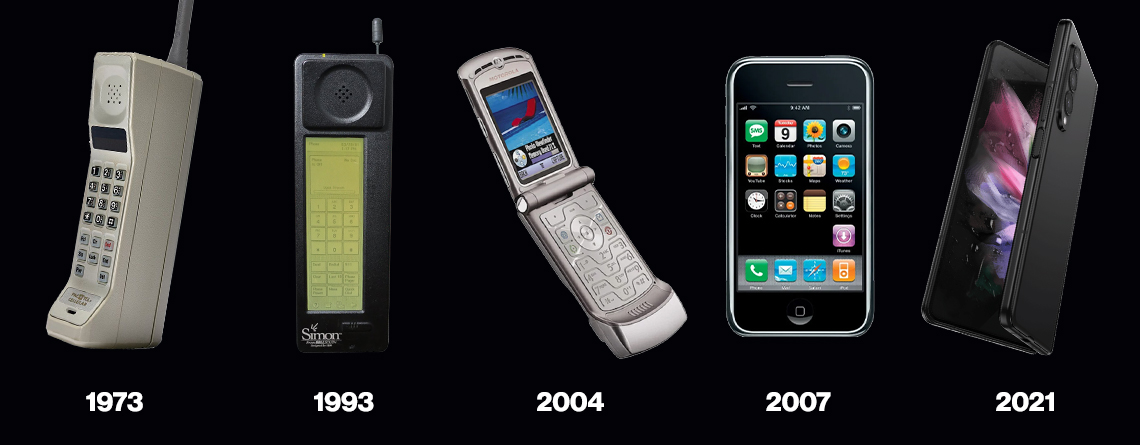
In 1992, IBM unveiled the Simon Personal Communicator, marking the birth of the smartphone. This device combined the functions of a phone and a PDA. Users could make calls, send emails, and even use a touchscreen.
The Birth of the Smartphone marked a significant milestone in technological evolution. It was a period when communication took a giant leap, transforming from basic calls to a mini-computer in your pocket. This shift changed the way we interact with the world and each other. Have you ever wondered how the first smartphone came to be? Let’s dive into its development.Development Of Smart Features
The development of smart features began with the integration of computing capabilities into mobile phones. In the early 90s, a simple address book seemed revolutionary. But soon, features like calendars, email, and internet access began to emerge. These functions opened the door to the mobile world we know today. Imagine your life without a smartphone—no maps, no apps, no instant access to information. It’s hard to picture, isn’t it? Smartphones started small, but their impact was immense. They gradually became a necessity rather than a luxury.Key Innovators And Companies
Several innovators played pivotal roles in the smartphone’s journey. IBM introduced the Simon Personal Communicator in 1994, often recognized as the first smartphone. It wasn’t just IBM. Other companies soon joined the race, each adding new features. Nokia and BlackBerry were key players, setting standards with their unique designs and functionalities. Then, Apple and Google changed the game. The iPhone introduced a touch interface that felt intuitive and seamless. Android followed, offering flexibility and customization. Each of these companies contributed unique elements that shaped the smartphone landscape. Today, your smartphone is the product of these innovations, designed to make life easier and more connected. What do you think the next big feature in smartphones will be? Your guess might just be the spark for the next innovation.Ibm Simon: The First Smartphone
In the early 1990s, the world witnessed a technological leap. IBM Simon made history as the first smartphone. It was a blend of a mobile phone and a PDA. Released in 1994, IBM Simon introduced features that were ahead of its time. This device marked the beginning of the smartphone era.
Features And Specifications
IBM Simon offered several unique features. It had a touch screen, which was rare then. Users could make calls and send emails. It included apps like calendar, address book, and calculator. The device featured a stylus for easy navigation. It weighed 500 grams and had a 4.5-inch display. The battery lasted one hour on talk time. It had a 16 MHz processor and 1 MB of RAM. It supported fax and had a storage capacity of 1 MB. This smartphone was powered by NiCad batteries.
Market Reception
IBM Simon entered the market at $899. It was available for purchase through BellSouth Cellular. The high cost limited its widespread adoption. Customers appreciated its innovative features. Yet, the short battery life was a drawback. The heavy weight also affected its popularity. Despite these issues, IBM Simon laid the groundwork for future smartphones. Its release was a significant milestone in mobile technology. The device demonstrated the potential of mobile computing.
Technological Advancements
The first smartphone brought a wave of technological advancements. It changed how people interacted with phones. Before smartphones, phones had limited capabilities. They could only make calls and send texts.
Smartphones introduced new features. These features made phones more versatile. Let’s explore some of these advancements.
Integration Of Touch Screens
The first smartphone had a touch screen. This was a significant change. Before this, phones had physical keyboards. Touch screens made phones easier to use. People could navigate with a simple touch.
This allowed for more interactive applications. It paved the way for future innovations. Touch screens became a standard feature in smartphones.
Introduction Of Mobile Apps
Mobile apps transformed smartphones. They offered new ways to use phones. Users could download apps for various purposes. Entertainment, productivity, and more.
Apps expanded the phone’s capabilities. They provided users with endless options. This was a new experience for many. Apps turned phones into powerful tools.
Developers began creating more apps. This led to the app boom. Smartphones became more than just phones.
Impact On Society
The arrival of the first smartphone marked a significant shift in society. It transformed how we connect, work, and live. This innovation changed the fabric of daily life, influencing communication, business, and the economy.
Changes In Communication
Smartphones made communication faster and more convenient. People began to send messages instantly. Calls could be made from anywhere. Social media became a part of everyday life. Families stayed connected across distances. News spread quickly, changing how we receive information. This created a more informed world.
Influence On Business And Economy
Businesses adapted to smartphone technology rapidly. Mobile apps became tools for productivity. Companies reached customers through apps and social media. Online shopping grew, changing retail landscapes. Smartphones provided new opportunities for entrepreneurs. The economy saw growth in mobile-related industries. This led to job creation and new markets. The smartphone’s impact on business was profound.
Evolution Of Smartphone Design
The first smartphone, IBM Simon, debuted in 1992. It combined a mobile phone with PDA features like email and calendar. Its design, basic by today’s standards, set the stage for future innovations in smartphone technology.
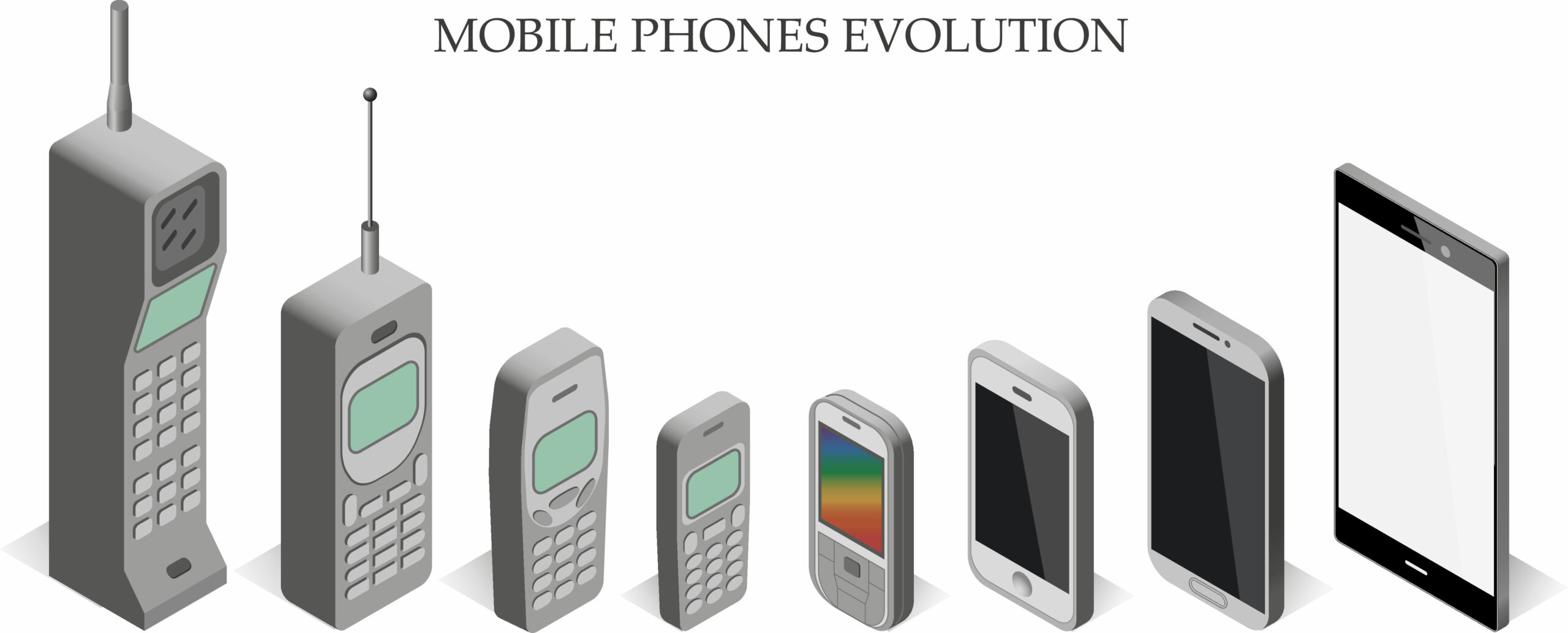
The journey of smartphone design has been nothing short of fascinating. From the clunky devices of the past to today’s sleek and powerful models, the evolution has been driven by technology, creativity, and user needs. Each phase in this transformation reflects a step towards making smartphones more accessible and efficient for you.From Bulky To Sleek
The first smartphone, IBM’s Simon Personal Communicator, was released in 1994. It was bulky, resembling a brick more than the pocket-sized devices we’re used to today. Weighing over a pound, it was a challenge to carry around. Fast forward to the present, and smartphones have dramatically slimmed down. This change was driven by advancements in technology and materials. Companies like Apple and Samsung focused on reducing weight and thickness, making devices easier to handle. Have you ever wondered why smartphones got slimmer? It’s all about convenience. A sleek phone fits effortlessly in your pocket or purse, making it a constant companion in your daily life.Role Of User Experience
Design is not just about aesthetics; it’s about how you interact with your device. Early smartphones had physical keyboards, which were cumbersome for typing long messages. The shift to touchscreens made a world of difference. Think about the last time you used a physical keyboard on a phone. Probably hard to recall, right? The introduction of touch interfaces simplified navigation, enhancing your overall experience. Manufacturers now focus heavily on user experience. Features like facial recognition and fingerprint sensors are designed to make your interactions smoother and more secure. They listen to feedback, constantly refining designs to meet your expectations. You have a say in how smartphones evolve. As user demands shift, so does the design. This dynamic relationship between you and the device keeps pushing the boundaries of what’s possible. The evolution of smartphone design is a story of innovation meeting necessity. With each new model, you’re not just getting a device; you’re getting a tool crafted to enhance your life. So, what’s next for smartphone design, and how will it continue to change the way you connect with the world?Future Of Smartphone Technology
The smartphone has evolved dramatically since its inception. These devices transformed communication, entertainment, and business. As technology advances, smartphones continue to change. Their future promises exciting developments and possibilities.
Emerging Trends
Smartphones are getting smarter every day. Artificial intelligence plays a big role. AI personalizes user experience. It predicts needs and offers solutions. Cameras are improving too. They capture stunning images and videos. Foldable screens are gaining popularity. They enhance portability and usability. Battery technology is advancing rapidly. Longer battery life is crucial for users.
Potential Innovations
Augmented reality could become mainstream. It overlays digital information on the real world. Users could see virtual objects in their environment. 5G technology is spreading fast. It promises faster internet speeds. This will enhance streaming and gaming experiences. Voice recognition technology is improving. Soon, it may replace traditional typing. Security features are evolving too. Facial recognition and fingerprint sensors are becoming standard.

Credit: www.inc.com
Credit: techwireasia.com
Frequently Asked Questions
What Was The First Smartphone Ever Made?
The first smartphone was IBM Simon, launched in 1992. It combined a mobile phone with PDA features, offering email, fax, and a touchscreen. Simon was groundbreaking, paving the way for today’s advanced smartphones. Its introduction marked a significant milestone in mobile technology evolution.
Who Developed The First Smartphone?
IBM developed the first smartphone, IBM Simon. Released in 1992, it featured a touchscreen and email capabilities. IBM’s innovation was pivotal in mobile technology advancement. Simon’s features were revolutionary for its time, setting the stage for future smartphone developments.
What Features Did The First Smartphone Have?
IBM Simon featured a touchscreen, email, and fax capabilities. It combined mobile phone and PDA functions, offering calendar and note-taking. Simon’s features were innovative, marking the beginning of smartphone technology. Its introduction showcased the potential of mobile devices beyond calling.
Why Is Ibm Simon Considered A Smartphone?
IBM Simon is considered a smartphone due to its multifunctionality. It combined a phone with PDA features, offering email and fax. Its touchscreen interface was revolutionary, enabling various applications. Simon’s versatility laid the foundation for modern smartphones, expanding mobile device capabilities.
Conclusion
The first smartphone marked the dawn of a new era. It changed how people communicate. This innovation brought the internet to our pockets. No more being tied to desks. Information became accessible anytime, anywhere. The device also introduced apps, which transformed daily tasks.
It laid the groundwork for future technology. Today, smartphones are a vital part of life. They keep us connected and informed. Understanding their history shows how far we’ve come. And how technology continues to evolve. Embracing these changes can lead to more advancements.
The journey of smartphones is a testament to human innovation.



