

Are you navigating the complex world of healthcare technology and wondering how to ensure the safety of sensitive data? If so, you’re not alone.
With the rise of digital solutions in healthcare, the integration of cloud computing has become a game-changer. But there’s a catch: protecting patient information under HIPAA regulations. This is where HIPAA cloud computing comes into play. It offers a seamless blend of innovation and security, promising to transform how you manage your data.
Curious about how this can benefit you and your organization? Let’s dive into how HIPAA cloud computing can not only meet compliance standards but also enhance your operational efficiency. Keep reading to discover how you can leverage this technology to stay ahead in the healthcare industry.
Hipaa And Cloud Computing Basics
Understanding HIPAA in the context of cloud computing is vital. Healthcare organizations handle sensitive patient information daily. This data requires strict protection. HIPAA, or the Health Insurance Portability and Accountability Act, sets the standards. It ensures the privacy and security of health information. Cloud computing offers flexibility and scalability for healthcare providers. But, they must comply with HIPAA regulations when using cloud services.
What Is Hipaa?
HIPAA is a U.S. law enacted in 1996. It aims to protect patient health information. It applies to healthcare providers, health plans, and clearinghouses. HIPAA ensures that patient data remains private and secure.
Understanding Cloud Computing
Cloud computing delivers computing services over the internet. It includes storage, processing, and networking. Healthcare providers use cloud services to manage patient data efficiently. The cloud offers cost savings and improved collaboration.
Hipaa Compliance In Cloud Computing
HIPAA compliance in the cloud is essential. Healthcare organizations must ensure their cloud providers comply with HIPAA. This includes signing a Business Associate Agreement (BAA). The BAA outlines the responsibilities of the cloud provider. It ensures the protection of patient data.
Key Hipaa Requirements For Cloud Providers
Cloud providers must meet specific HIPAA requirements. They must ensure data encryption during transmission and storage. Access controls should be in place to protect data. Regular audits and risk assessments are necessary. These measures protect patient information from unauthorized access.
Benefits Of Cloud Computing In Healthcare
Cloud computing offers many benefits for healthcare. It allows easy access to patient data. Providers can collaborate more effectively. The cloud reduces IT costs and increases data storage capacity. It supports telemedicine and remote patient monitoring.
Benefits Of Cloud Solutions For Healthcare
Cloud computing is transforming healthcare. It offers numerous benefits for medical facilities. These solutions streamline processes and enhance patient care. Healthcare providers access and store data securely. Cloud computing complies with HIPAA regulations. Let’s explore these advantages.
Cost Efficiency
Cloud solutions reduce operational costs. Hospitals save on IT expenses. No need for expensive hardware. Cloud services offer pay-as-you-go models. Facilities only pay for what they use. This reduces wasteful spending. Money saved can improve patient services.
Scalability And Flexibility
Healthcare needs change rapidly. Cloud solutions adapt to these changes easily. Facilities scale resources up or down. This ensures they meet patient demands. Cloud services offer flexibility. Providers access data anywhere, anytime. This improves responsiveness to patient needs.
Enhanced Collaboration
Cloud computing fosters collaboration. Medical teams share information instantly. This improves decision-making and patient outcomes. Remote consultations become easier. Doctors access patient records from different locations. Cloud solutions enhance teamwork. Better collaboration leads to better care.
Challenges In Ensuring Hipaa Compliance
Navigating HIPAA compliance in cloud computing presents significant challenges for healthcare providers. Ensuring data security and patient privacy requires stringent measures. Constant updates and vigilance are needed to prevent unauthorized access and data breaches.
Ensuring HIPAA compliance in cloud computing is no small feat. The Health Insurance Portability and Accountability Act (HIPAA) sets strict standards for protecting patient information. As healthcare providers move to the cloud, the challenge of maintaining compliance grows. It’s essential to understand the hurdles you might face and how to tackle them.Data Breach Risks
Data breaches are a nightmare for any organization, but especially for those handling sensitive health information. Cloud environments can be targets for cybercriminals, putting patient data at risk. You need to ensure robust encryption methods are in place both during data transmission and at rest. Ask yourself if your current security measures are enough. Are you regularly updating and testing your systems? Remember, a breach could cost you not just financially but also in terms of reputation.Vendor Management
Choosing the right cloud vendor is crucial. Not all vendors understand the specific requirements of HIPAA compliance. It’s your responsibility to verify their compliance status and capability. Create a checklist for assessing potential vendors. This should include their history with HIPAA compliance, existing security measures, and their willingness to sign a Business Associate Agreement (BAA). Have you considered how quickly they can respond to an incident? Effective vendor management can make or break your compliance efforts.Regulatory Changes
The world of healthcare regulations is ever-evolving. Keeping up with these changes can be daunting. Failing to adapt could lead to non-compliance. Set up alerts for any updates or changes in HIPAA regulations. Regular training sessions for your staff can also help keep everyone informed. Think about how adaptable your current cloud solutions are. Can they easily accommodate new compliance requirements? Staying ahead of regulatory changes keeps your practice secure and trustworthy. Navigating the complexities of HIPAA compliance in cloud computing may seem overwhelming, but with the right strategies, it is manageable. Take action today to ensure your systems are secure, your vendors are reliable, and your operations are adaptable. How prepared are you to face these challenges head-on?
Credit: compliancy-group.com
Key Features Of Hipaa-compliant Cloud Services
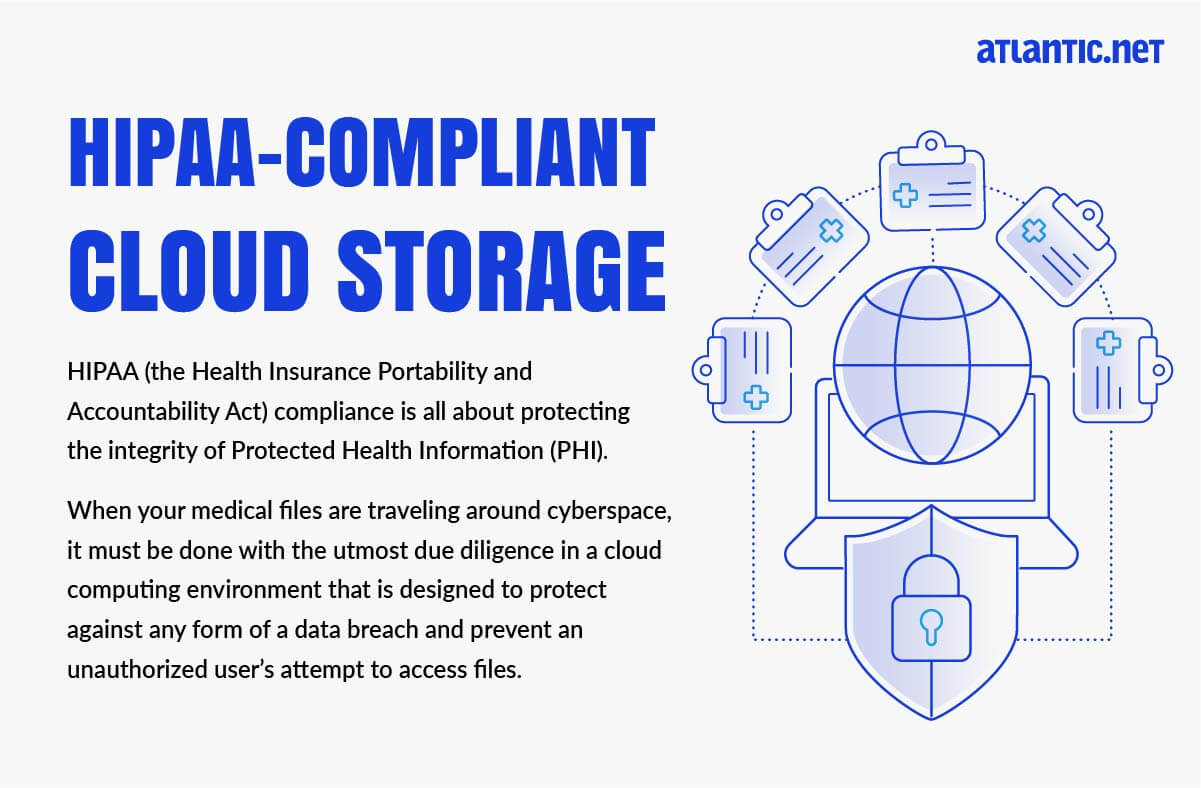
HIPAA-compliant cloud services are crucial for healthcare data security. They ensure patient information remains private and protected. These services offer specific features to meet HIPAA standards. Understanding these key features helps in choosing the right cloud service.
Encryption And Data Protection
Encryption safeguards sensitive information from unauthorized access. It transforms data into unreadable code. Only authorized users can decrypt and access it. This feature is vital in protecting patient records. Strong encryption methods are a must for compliance.
Access Controls
Access controls limit who can view or modify data. They ensure only authorized personnel access sensitive information. These controls are set through user permissions. They help prevent data breaches and maintain data integrity.
Audit Trails
Audit trails track all access and modifications to data. They provide a record of who did what and when. This feature is essential for monitoring data activity. It helps identify suspicious actions and ensures accountability.
Selecting The Right Cloud Provider
Choosing the right cloud provider is crucial for ensuring HIPAA compliance and protecting sensitive health information. With many options available, how do you make the best choice? Focus on key criteria that impact security, reliability, and service quality. Let’s break down the essential factors to consider.
Security Certifications
Look for providers with robust security certifications. These certifications demonstrate a commitment to safeguarding data and adherence to industry standards. Examples include ISO 27001, SOC 2, and HITRUST. These certifications provide assurance that your cloud provider prioritizes security.
Verify if the provider undergoes regular audits. Audits ensure they meet rigorous security requirements and stay updated with the latest protocols. A provider with a strong track record in maintaining certifications is a safer bet.
Service Level Agreements
Service Level Agreements (SLAs) outline what you can expect from your cloud provider. They set the standards for uptime, data accessibility, and support. Review SLAs carefully to ensure they meet your operational needs.
Consider the consequences if the provider fails to meet these standards. Are there penalties or compensations? Clear terms help you understand your rights and the provider’s obligations, giving you peace of mind.
Reputation And Reliability
Research the provider’s reputation. Are they well-regarded in the industry? Reliable providers often have positive reviews and testimonials from other healthcare organizations.
Assess their history of service interruptions. Frequent downtimes can jeopardize your operations and patient data security. Choose a provider with a proven track record of reliability and stability.
Ask yourself, how do they handle crisis situations? A provider’s response to issues and their ability to recover quickly is crucial. Prioritizing reliability ensures your patient data remains secure and accessible.
By focusing on security certifications, SLAs, and reputation, you can select a cloud provider that aligns with your HIPAA requirements. Take the time to evaluate these factors, as they will guide you in safeguarding sensitive health information effectively.
Credit: www.atlantic.net
Best Practices For Implementation
Implementing HIPAA-compliant cloud computing involves safeguarding sensitive health information. Encrypt data both in transit and at rest. Regularly update access controls to prevent unauthorized access.
Implementing HIPAA-compliant cloud computing can seem overwhelming. Yet, with the right practices, it becomes more manageable. Ensuring security and compliance is essential for healthcare providers. The best practices focus on three key areas. Each plays a crucial role in safeguarding sensitive data.Risk Assessment
Begin with a thorough risk assessment. Identify potential threats and vulnerabilities. Analyze how data flows within your system. Consider who has access and how data is stored. Regular assessments help in staying ahead of risks. Document findings and create a mitigation plan. Address issues promptly to minimize exposure.Employee Training
Train employees on HIPAA regulations and cloud security. Make sure they understand their roles in data protection. Use simple language and real-life examples. Conduct workshops and refreshers regularly. Encourage a culture of security awareness. Empower staff to report suspicious activities without fear.Continuous Monitoring
Continuous monitoring is vital for cloud security. Use tools to track system activities. Set alerts for unauthorized access attempts. Regularly update software and security patches. Review logs for unusual patterns. Stay informed about new threats. This proactive approach ensures data integrity and compliance.Future Trends In Hipaa Cloud Computing
The landscape of HIPAA Cloud Computing is evolving rapidly. New technologies shape how healthcare data is managed. These innovations focus on security, efficiency, and compliance. Understanding these trends is crucial for healthcare providers. They must stay ahead in a digital age.
Ai And Machine Learning
AI and machine learning are transforming healthcare data analysis. They help identify patterns in vast data sets. This enhances patient care and operational efficiency. Predictive analytics is becoming more common. It aids in early disease detection and resource management. AI ensures data remains secure while being processed.
Blockchain Technology
Blockchain offers a new level of data security. It secures patient records through encryption. This technology ensures data integrity and transparency. Blockchain can enhance trust in data sharing. It is becoming vital for maintaining HIPAA compliance.
Telemedicine Integration
Telemedicine is now a key part of healthcare. It relies heavily on cloud computing. Secure data transmission is crucial for patient privacy. Cloud solutions ensure seamless integration of telemedicine services. They provide a reliable platform for remote healthcare delivery.
Credit: www.hipaavault.com
Frequently Asked Questions
What Is Hipaa Cloud Computing?
HIPAA cloud computing involves storing health data in cloud environments that comply with HIPAA regulations. Providers must ensure security, privacy, and data integrity. This allows healthcare organizations to leverage cloud benefits while safeguarding patient information. Compliance requires robust access controls and data encryption.
This approach enhances collaboration and scalability without compromising sensitive health data.
How Does Cloud Computing Support Hipaa Compliance?
Cloud computing supports HIPAA compliance by offering secure data storage solutions. Providers must implement encryption, authentication, and audit controls. These safeguards ensure that patient information remains protected. HIPAA-compliant cloud services also facilitate efficient data management and access. They help healthcare organizations meet regulatory standards while optimizing operational efficiency and flexibility.
Are Hipaa Cloud Services Secure?
Yes, HIPAA cloud services are designed to be secure. They implement stringent security measures, including encryption and access controls, to protect sensitive health information. Providers must comply with HIPAA regulations to ensure data confidentiality. Regular audits and monitoring enhance security, minimizing risks and maintaining compliance.
This creates a safe environment for healthcare data management.
What Are The Benefits Of Hipaa Cloud Computing?
HIPAA cloud computing offers scalability, cost-efficiency, and enhanced data accessibility. It allows healthcare providers to collaborate seamlessly and access information remotely. This approach streamlines operations while maintaining compliance with data protection regulations. Additionally, cloud solutions reduce infrastructure costs and improve resource allocation.
They offer robust data security and help organizations adapt to evolving technological needs.
Conclusion
Navigating HIPAA cloud computing is essential for healthcare data security. Cloud solutions provide flexibility and efficiency. They must comply with HIPAA regulations. Choosing the right provider is crucial. Look for strong security measures and compliance guarantees. Remember, protecting patient information is a priority.
Always prioritize data integrity and confidentiality. Cloud computing offers many benefits but demands careful planning. Ensure your cloud strategy aligns with legal requirements. Stay informed about technology changes. Maintain trust by safeguarding sensitive data. In the end, secure cloud computing supports both healthcare innovation and patient privacy.



