

Are you curious about how your favorite websites and apps seem to work seamlessly, even when millions of users log in at the same time? The magic behind this smooth experience often lies in a technology called load balancing in cloud computing.
As someone navigating the digital age, understanding this concept can unlock insights into how your online experiences are optimized. Picture your online activities as a bustling highway, and load balancing as the traffic officer ensuring everything flows smoothly. It’s about distributing workloads efficiently so that no single server is overwhelmed, keeping your digital world running like a well-oiled machine.
Dive into this article to discover how load balancing impacts your daily interactions with technology and why it’s a crucial component for businesses aiming to deliver top-notch services. Get ready to explore how this invisible force shapes your digital experiences, making them faster and more reliable.
What Is Load Balancing
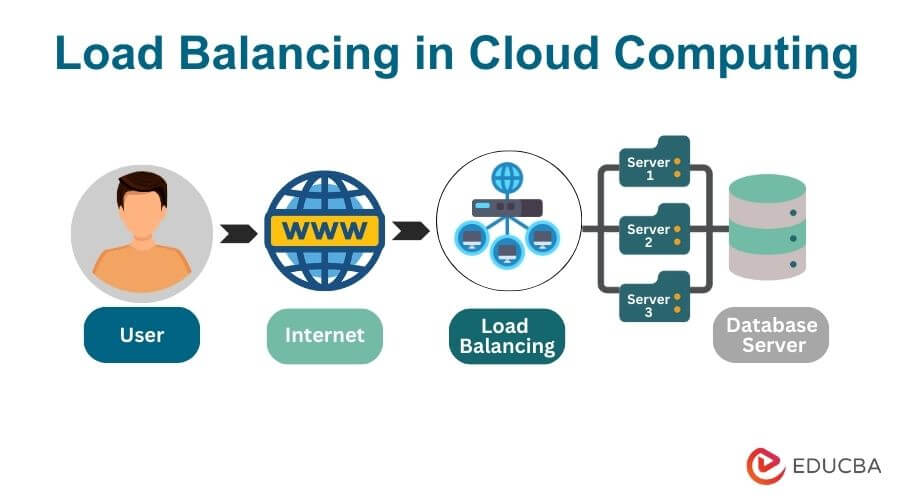
Load balancing in cloud computing ensures efficient resource distribution across multiple servers. This process optimizes performance and prevents any single server from becoming overwhelmed. By evenly distributing workloads, load balancing enhances reliability and speeds up response times for users.
In today’s fast-paced digital world, ensuring that your web services run smoothly is essential. You’ve probably experienced slow loading times when visiting a website. This can be frustrating, right? That’s where load balancing comes into play. It acts like a traffic cop for your online services, directing data to the right paths to keep everything flowing smoothly. But what exactly is load balancing, and why should you care about it?Understanding Load Balancing
Load balancing is like the conductor of an orchestra. It ensures that all your servers work in harmony. It evenly distributes incoming network traffic across multiple servers. This prevents any single server from being overwhelmed with requests. By doing this, load balancing enhances the performance and reliability of your applications.Why Is Load Balancing Important?
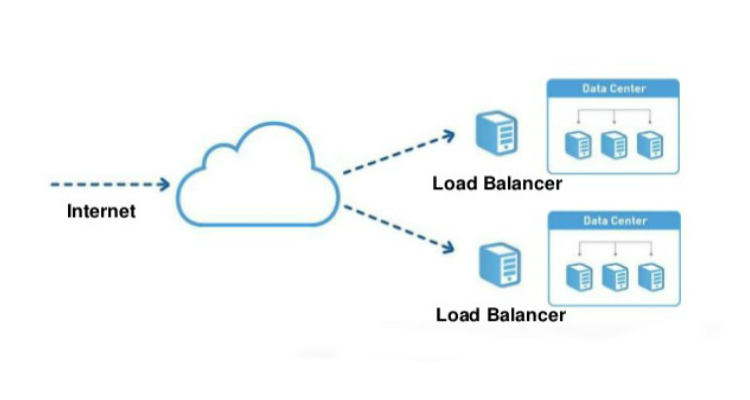
Imagine you’re at a busy restaurant. If one waiter is serving all the tables, service would be slow. But with multiple waiters, service is faster and more efficient. Load balancing works in a similar way. It makes sure that no single server bears the brunt of the load. This results in faster response times and a better experience for your users. There are different types of load balancing, each with its own unique features. – Network Load Balancing: Distributes traffic at the network layer. It’s great for balancing simple, stateless HTTP traffic. – Application Load Balancing: Works at the application layer and is more sophisticated. It’s perfect for applications that require more complex routing. – Global Load Balancing: Spreads the load across servers in different geographical locations. This helps in reducing latency for users around the world. Load balancing uses various algorithms to decide how to distribute traffic. – Round Robin: This is like taking turns. Each server gets a request in a circular order. – Least Connections: Directs traffic to the server with the least active connections. Ideal when servers have varied processing capacities. – IP Hash: Uses the client’s IP address to determine which server receives the request. This provides a consistent user experience.Benefits Of Load Balancing
Load balancing isn’t just about speed. It also boosts reliability. By distributing the load, it ensures high availability. If one server goes down, the load balancer redirects traffic to the remaining servers. This minimizes downtime and keeps your services running.Implementing Load Balancing In Cloud Computing
You might wonder how to get started with load balancing in cloud environments. Cloud providers like AWS, Azure, and Google Cloud offer built-in load balancing solutions. These tools are flexible and easy to use. They help you manage traffic efficiently without the need for physical hardware.Conclusion: Is Load Balancing Right For You?
As you consider optimizing your web services, think about your current challenges. Are your servers struggling with heavy traffic? Do users frequently experience delays? Load balancing could be the solution you need. By distributing traffic effectively, you can enhance performance, improve user experience, and ensure your services are always available.
Credit: www.researchgate.net
Key Benefits
Cloud computing has transformed the way businesses manage their resources. Load balancing is a vital part of this transformation. It ensures that workloads are distributed efficiently across servers. This distribution offers many benefits. Let’s explore the key benefits of load balancing in cloud computing.
Enhanced Performance
Load balancing improves server performance. By evenly spreading tasks, it prevents server overload. This leads to faster response times. Users experience smoother interactions. Websites and apps run seamlessly.
Increased Reliability
Reliability is crucial for any online service. Load balancing boosts reliability by reducing server failures. It automatically redirects traffic when a server is down. This keeps services running without interruption. Trust is built with consistent uptime.
Scalability Advantages
Businesses grow and need more resources. Load balancing provides scalability. It easily handles increased traffic and workload. Businesses can add new servers without hassle. This flexibility supports growth and adaptation.
Types Of Load Balancing
In the realm of cloud computing, load balancing is essential to ensure that your applications run smoothly and efficiently. Understanding the types of load balancing can help you choose the right strategy for your system’s needs. It isn’t just about spreading the workload; it’s about optimizing performance and ensuring reliability. Let’s dive into the specifics of static and dynamic load balancing, and see how they can play a role in your cloud infrastructure.
Static Load Balancing
Static load balancing is like setting a fixed schedule for your tasks. You distribute the workload based on predefined rules. This approach is predictable and straightforward. You might allocate tasks based on server capacity, ensuring each one handles a specific amount of traffic.
The beauty of static load balancing is its simplicity. You don’t need to constantly adjust settings or monitor performance. However, it can be inflexible. If traffic patterns change unexpectedly, static systems might struggle to adapt. Imagine arranging your day based on a plan that doesn’t consider last-minute changes.
Think about a time when you stuck to a rigid plan despite unforeseen circumstances. Did it work out? Static load balancing can work well for predictable environments, but it may require tweaks if your system or user demands evolve.
Dynamic Load Balancing
Dynamic load balancing is more like a responsive, real-time approach. It adjusts the distribution of tasks based on current demand and server performance. This method is adaptable, reacting to traffic spikes or dips as they occur.
Using dynamic load balancing can feel like having a smart assistant that knows when to reorganize your tasks. It ensures servers aren’t overloaded, which improves response time and user experience. This approach is ideal for environments with fluctuating workloads.
Consider a time when you had to juggle multiple tasks and needed to adapt quickly to changes. Dynamic load balancing does just that for your system. It keeps everything running smoothly, even when the unexpected happens.
Which type of load balancing would best suit your needs? Are your workloads predictable, or do they change rapidly? By understanding these types, you can make informed decisions that enhance your cloud computing strategy.
Credit: www.educba.com
Load Balancing Algorithms
Efficient load balancing in cloud computing enhances resource distribution, ensuring optimal performance and reliability. Algorithms like round-robin, least connections, and IP hash manage incoming requests, distributing them across multiple servers to prevent overload and downtime. These methods maintain smooth operation and improve user experience.
Understanding the intricacies of load balancing in cloud computing can be a game-changer for anyone managing online applications. At its core, load balancing ensures that no single server bears too much demand, maintaining performance and reliability. But how does it decide where to send incoming traffic? The answer lies in load balancing algorithms. These algorithms determine the most efficient way to distribute tasks across servers. They can make the difference between a smooth user experience and a frustrating one. Let’s look at some key algorithms that power this process.Round Robin
Round Robin is one of the simplest and most widely used algorithms. It works by distributing client requests sequentially across a group of servers. Imagine dealing cards around a table; each player gets one card in turn, and then you start over. It’s that straightforward. This method is great for servers with similar capabilities. However, it can lead to problems if the servers have different processing powers, as it doesn’t account for the varying loads.Least Connections
The Least Connections algorithm comes in handy when your servers have varying performance capabilities. It directs incoming traffic to the server with the fewest active connections. This ensures that no single server is overwhelmed, making it ideal for applications with long sessions. Picture yourself at a grocery store choosing the checkout line with the fewest people. By directing traffic where it’s least congested, this algorithm keeps things moving smoothly. Have you ever noticed how choosing the right queue can save you time?Ip Hash
IP Hash uses a unique technique by assigning each client’s IP address to a specific server. It uses a hash function to map IP addresses to servers, ensuring that a client is always directed to the same server. This is particularly useful when consistency is key, like in sessions where user data must remain consistent. Think of it like always getting your favorite waiter at a restaurant who knows your order by heart. This approach can greatly improve user experience by maintaining session persistence. Each of these algorithms offers distinct advantages depending on your specific needs. Have you considered which one might be the best fit for your applications? Understanding these algorithms could be the key to optimizing your server performance and keeping your users happy.Challenges In Load Balancing
Cloud computing faces load balancing challenges like unpredictable demand and resource allocation. Ensuring efficient distribution can be complex. Seamless traffic management is essential for optimal performance and reliability.
Load balancing in cloud computing can be a game-changer, but it isn’t without its hurdles. You might think it’s all smooth sailing once you’ve set up your cloud infrastructure, but challenges can pop up that demand your attention. Let’s dive into some of these challenges and see how they might affect your operations.Resource Allocation
Resource allocation is one of the trickiest parts of load balancing. Imagine trying to distribute tasks among a team without knowing each member’s strengths. It’s similar in the cloud, where you must allocate resources without overloading any server. This process requires a careful analysis of your workload. If you get it wrong, you might face bottlenecks or underutilized resources. Have you ever experienced a system slowdown? That could be a result of poor resource allocation.Latency Issues
Latency can make or break user experience. In cloud computing, even a slight delay can frustrate users and impact your business. The distance between your users and data centers plays a crucial role. Are your servers too far from your users? This could be a reason for high latency, causing delays in data retrieval. To combat this, consider deploying servers closer to your users. It’s a practical way to cut down latency and enhance user satisfaction.Security Concerns
Security is a top concern when balancing loads. With data spread across multiple servers, ensuring its safety becomes more challenging. Have you ever worried about data breaches? In cloud environments, the risk is real, especially if you’re not proactive in securing your data. Regularly update your security protocols. Use encryption and strong authentication methods. This proactive approach helps protect sensitive information from unauthorized access. These challenges in load balancing are common but manageable. By addressing them head-on, you can ensure a smoother, more efficient cloud experience. What steps will you take today to optimize your cloud infrastructure?Tools And Technologies
Load balancing is vital in cloud computing. It ensures efficient resource use and enhances performance. Various tools and technologies support load balancing. Each has unique features and benefits. Let’s explore these tools and technologies.
Software Load Balancers
Software load balancers manage traffic efficiently. They run on common operating systems. These tools distribute workloads across servers. They offer flexibility and scalability. Open-source options like HAProxy and NGINX are popular. They are cost-effective and easy to configure. Businesses can customize them as needed.
Hardware Load Balancers
Hardware load balancers are physical devices. They manage network traffic. These devices are reliable and fast. Ideal for large-scale operations. They provide high security and dedicated resources. Examples include F5 Networks and Cisco. They suit environments with high security needs.
Cloud-based Solutions
Cloud-based load balancers are a modern solution. They integrate with cloud platforms seamlessly. Providers like AWS, Azure, and Google Cloud offer these services. They adapt to changing demands quickly. Businesses enjoy easy setup and minimal maintenance. They are perfect for dynamic, scalable applications.
Best Practices
Load balancing in cloud computing is vital for optimal performance. It ensures resources are used efficiently while preventing overload on servers. Implementing best practices enhances reliability and speed, benefiting user experience. Below, we explore crucial strategies to maintain effective load balancing.
Monitoring And Analysis
Constantly monitor server load and performance metrics. Analyzing data helps identify bottlenecks and potential failures. Use real-time analytics tools to track server health. Make data-driven decisions to optimize resource distribution. Regular checks prevent downtime and ensure smooth operations.
Regular Updates
Updating software and hardware is essential. Keep all systems current to support new protocols and security measures. Regular updates improve efficiency and compatibility. Schedule updates during low traffic hours. This minimizes disruptions and ensures continuous service availability.
User Traffic Management
Understand user traffic patterns to manage load effectively. Redirect traffic based on server capacity and user location. Use algorithms to distribute requests evenly. Prioritize critical applications during peak times. Balancing user demand prevents slowdowns and enhances satisfaction.
Future Trends
As cloud computing continues to evolve, load balancing remains a crucial aspect in ensuring optimal performance and resource distribution. But what does the future hold for load balancing in this fast-paced world? It’s essential to understand how emerging technologies are reshaping this field, offering smarter and more efficient solutions. Let’s dive into some future trends that are set to transform load balancing in cloud computing.
Ai And Machine Learning
Imagine a load balancing system that learns and adapts in real time. AI and machine learning are making this a reality. These technologies analyze data patterns to predict traffic loads and automatically adjust resources. This means fewer manual interventions and more efficient operations. Have you considered how AI could reduce your cloud costs by optimizing resource allocation?
Edge Computing
With the rise of IoT devices, edge computing is gaining traction. By processing data closer to the source, load balancing becomes faster and more efficient. This reduces latency and improves user experience. Picture your data being processed locally, cutting down on unnecessary long-distance transfers. How could edge computing enhance your application’s responsiveness?
Serverless Architectures
Serverless architectures are changing the way we think about servers. Load balancing in serverless environments focuses on managing function executions rather than server instances. This leads to more granular control and cost-effectiveness. Have you explored how serverless could simplify your load balancing strategy while boosting scalability?
As you look to the future, consider how these trends might impact your cloud strategy. Are you ready to embrace these advancements and drive efficiency in your operations?
Credit: www.webwerks.in
Frequently Asked Questions
What Is Load Balancing In Cloud Computing?
Load balancing in cloud computing distributes incoming network traffic across multiple servers. This ensures no single server is overwhelmed. It enhances application performance and reliability. By spreading the load, it minimizes downtime and improves resource utilization. This process is crucial for maintaining seamless user experiences.
Why Is Load Balancing Important In The Cloud?
Load balancing is crucial in the cloud to ensure high availability and reliability. It prevents server overload by distributing traffic efficiently. This improves performance and reduces downtime. By optimizing resource utilization, it enhances user experience and operational efficiency. It is essential for scalable and flexible cloud environments.
How Does Cloud Load Balancing Work?
Cloud load balancing works by distributing traffic among multiple servers. It uses algorithms to decide the best server for each request. This ensures optimal resource usage and minimal response times. It adapts to traffic changes in real-time, maintaining service continuity and efficiency.
What Are The Benefits Of Cloud Load Balancing?
Cloud load balancing offers improved application availability and reliability. It optimizes resource utilization, enhancing performance. By distributing traffic, it prevents server overload. This reduces downtime and ensures seamless user experiences. It also supports scalability, accommodating growing traffic demands effectively.
Conclusion
Load balancing is vital for cloud computing efficiency. It helps manage server traffic. This prevents overload and ensures smooth operations. As demands grow, smart balancing becomes crucial. It improves resource use and boosts performance. Reliable load balancing supports seamless user experiences.
It enhances security and reduces downtime risks. Businesses can save costs with effective load management. Consistent performance builds trust and satisfaction among users. Embrace cloud load balancing for optimal results. Keep systems running smoothly, even in peak times. It’s a key strategy for future-ready cloud solutions.
Prioritize it for better scalability and success.



