

Do you ever find yourself wondering about the difference between a mobile phone and a smartphone? You’re not alone.
As technology continues to evolve, these terms are often used interchangeably, causing confusion about what sets them apart. Understanding this difference can help you make better choices when picking a device that suits your lifestyle. Imagine holding a sleek gadget in your hand, capable of doing everything from making calls to managing your schedule, browsing the internet, and even controlling your home devices.
But is that device a mobile phone or a smartphone? Knowing the answer can impact how effectively you communicate, work, and entertain yourself. You’ll uncover the key distinctions between mobile phones and smartphones, helping you navigate the tech world with confidence. Get ready to clear up the confusion once and for all!
:max_bytes(150000):strip_icc()/Cellphone-vs-Smartphone-dece3c20074f484abab603ba97cdcb1a.jpg)
Credit: www.lifewire.com
Evolution Of Mobile Phones
The evolution of mobile phones showcases a journey of technological marvels. From bulky devices to sleek, smart gadgets, the change is remarkable. This transformation has shaped how we communicate and live today.
Early Mobile Devices
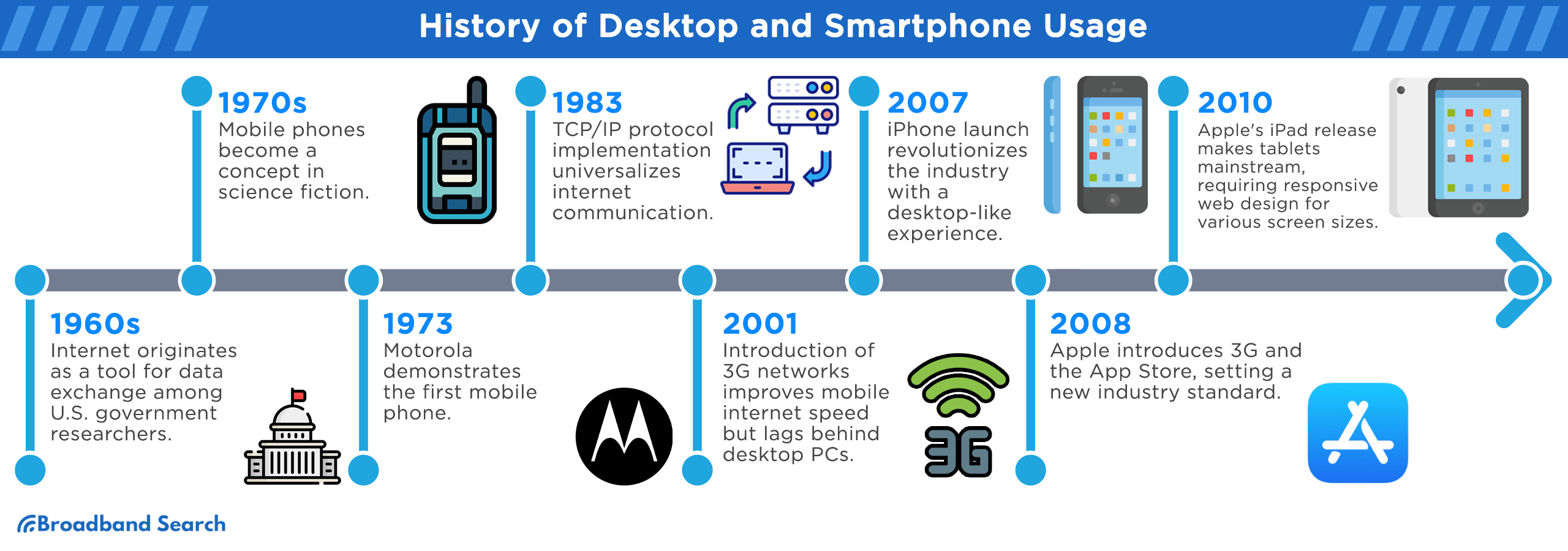
In the early days, mobile phones were large and heavy. These devices mainly allowed voice calls. The battery life was short, and the cost was high. They were used mostly by business people and for emergencies. The first mobile phone was the Motorola DynaTAC, released in 1983. It was a breakthrough in wireless communication, despite its size and cost.
As technology advanced, phones became smaller and more affordable. The introduction of text messaging added a new dimension. Mobile phones quickly became a common sight everywhere. Features like caller ID and basic games emerged. These additions made mobile phones more appealing and practical.
Rise Of Smartphones
The rise of smartphones marked a new era in mobile technology. In 2007, the iPhone changed everything. It introduced touchscreens and a wide range of apps. This innovation turned phones into mini-computers. Smartphones combined communication with entertainment and productivity tools. Social media became accessible on the go, connecting people globally.
Android joined the scene with its open-source platform. It provided more options for users and developers. The competition between iOS and Android fueled rapid advancements. Cameras, GPS, and high-speed internet became standard. Smartphones transformed into essential tools for everyday life. They now dominate the mobile phone market.
Hardware Distinctions
Understanding the hardware distinctions between a mobile phone and a smartphone is crucial. These devices might seem similar at first glance, but their hardware components set them apart. This section explores the key differences in design, display technology, and processing power.
Design And Build
Mobile phones often come with a robust and straightforward design. Many of them have physical keyboards and a plastic or metal casing. Smartphones, however, boast sleek designs with large touchscreens and minimal buttons.
Think about the last time you admired a smartphone’s premium glass or metal finish. This design isn’t just about looks; it enhances functionality, offering a more immersive experience. Which design do you prefer for daily use?
Display Technology
Mobile phones typically feature small LCD screens with basic resolutions. These screens are practical for text and simple graphics but lack depth.
Smartphones, on the other hand, have advanced display technologies like OLED and AMOLED. These offer vibrant colors and high resolutions. Watching videos on these displays can feel like a mini-cinema experience.
Consider how important screen quality is for your daily activities. Does a sharper display make your tasks easier and more enjoyable?
Processing Power
Mobile phones have limited processing capabilities designed for calls and texts. Their processors handle basic tasks efficiently but struggle with complex applications.
Smartphones are equipped with powerful processors and substantial RAM. These allow for multitasking, gaming, and running demanding apps smoothly. Have you ever felt the frustration of a slow mobile phone?
With smartphones, you can easily switch between apps without lag. This can save you precious time and enhance productivity. How does processing power impact your device choice?
Understanding these hardware distinctions can help you make informed decisions about your next device purchase. Which features matter most to you? The answer could guide you toward a device that perfectly suits your needs.
Software Capabilities
When you compare mobile phones and smartphones, one of the most fascinating aspects is their software capabilities. It’s like comparing a simple calculator to a computer. You need to understand how operating systems, app ecosystems, and security features play a major role in this distinction. So, let’s dive into what sets smartphones apart from their mobile predecessors.
Operating Systems
Think of the operating system as the brain of the device. Smartphones typically run on advanced operating systems like Android or iOS. These systems are designed to handle complex tasks and support a wide range of applications. This means you can multitask, edit photos, or even play high-definition games on your smartphone.
In contrast, traditional mobile phones usually have basic operating systems. They focus on essential functions like calling and texting. This simplicity can be a boon if you’re someone who prefers a straightforward device without the bells and whistles.
App Ecosystems
Ever wondered why your smartphone is so addictive? It’s the app ecosystem. Smartphones have access to app stores filled with millions of applications. You can download apps for social media, fitness, finance, and much more. This flexibility allows you to customize your phone to fit your lifestyle.
Mobile phones don’t offer this luxury. Their limited app selection means fewer options for personalization. If you enjoy having tools at your fingertips, smartphones clearly have the upper hand.
Security Features
Now, let’s talk security. Smartphones come equipped with advanced security features like fingerprint sensors and facial recognition. These features protect your data from unauthorized access and provide peace of mind. Plus, regular software updates ensure vulnerabilities are quickly patched.
Mobile phones, on the other hand, often have basic security measures. Password protection might be your only option. If you carry sensitive information or use mobile banking, you might want to consider a smartphone for enhanced security.
So, what matters most to you? The simplicity of a mobile phone or the sophisticated software capabilities of a smartphone? Your choice might just depend on how you answer that question.
Credit: www.broadbandsearch.net
Connectivity And Communication
In today’s digital age, connectivity and communication are essential. Mobile phones and smartphones offer unique features in this realm. They connect people, enabling conversations and sharing information. Understanding their connectivity and communication capabilities is crucial. This knowledge helps in making informed choices.
Network Technologies
Mobile phones use basic network technologies. They rely on 2G and sometimes 3G networks. These networks support voice calls and simple text messaging. Smartphones, on the other hand, utilize advanced networks. They connect with 3G, 4G, and now 5G networks. This allows faster internet access and better call quality.
Smartphones offer seamless browsing and streaming. Their connectivity supports apps, games, and online services. Mobile phones focus on basic communication. This includes calls and SMS, suitable for simple needs.
Communication Features
Mobile phones offer essential communication features. Voice calls and SMS are their primary functions. These features are reliable and straightforward. Smartphones provide advanced communication options. They support video calls, voice messaging, and social media apps.
Smartphones integrate with email and instant messaging platforms. They offer a wide range of communication apps. These apps allow sharing of multimedia content. Smartphones enhance communication with push notifications. This ensures users stay updated in real-time.
Multimedia And Entertainment
In today’s fast-paced world, your phone is more than just a communication tool; it’s a pocket-sized entertainment hub. Whether you’re snapping photos, listening to music, or playing games, your device’s multimedia capabilities can significantly impact your daily life. But when comparing mobile phones to smartphones, how do these features stack up? Let’s delve into the realm of multimedia and entertainment to see how these devices differ.
Camera Functionality
Taking photos has become an everyday activity, but the quality of those photos can vary greatly depending on your device. Smartphones often come equipped with advanced camera features, offering high-resolution lenses and multiple camera setups. You might capture stunning landscapes or those Instagram-worthy selfies with ease.
Mobile phones, on the other hand, tend to have basic camera functionalities. While they can snap a photo, the image quality may lack the crispness and detail that smartphones provide. If photography is a hobby, a smartphone could be your best companion.
Music And Video Playback
Your commute, workout, or relaxing evening can be transformed by music and video playback capabilities. Smartphones typically support a wide range of music formats and offer high-quality audio playback. You can stream your favorite songs or watch videos in high definition seamlessly.
Mobile phones often have limited audio and video capabilities. They might play music, but the sound quality could be less immersive. Video playback may not support high resolutions, affecting your viewing experience. If you crave a richer multimedia experience, a smartphone might be the way to go.
Gaming Experience
Gaming on the go can be exhilarating, and your choice of device can define that experience. Smartphones are designed with gaming in mind, offering powerful processors and graphic capabilities. They can handle complex games with ease, providing smooth gameplay and vibrant graphics.
Mobile phones may struggle with more demanding games, often offering simple, low-resource options. While they can provide entertainment, the gaming experience might not be as engaging or visually appealing. Are you a casual gamer or do you seek immersive adventures? Your choice of device could make all the difference.
In the end, whether it’s capturing moments, enjoying music, or conquering virtual worlds, your device’s multimedia features can elevate your daily experiences. Consider what matters to you most and choose the device that aligns with your entertainment needs.
User Experience
The user experience is crucial in choosing between a mobile and a smartphone. It determines how easily a user can interact with their device. Differences in interface, navigation, and customization can influence this experience. Understanding these aspects can guide you to the right choice.
Interface And Navigation
Mobile phones typically have a simple interface. They often feature basic icons and straightforward menus. Users find navigation easy with limited options. Smartphones, on the other hand, offer a complex interface. Touchscreens and advanced graphics enhance user interaction. They allow swiping, pinching, and tapping for a richer experience.
Customization Options
Mobiles offer limited customization. Users can change ringtones and wallpapers. Smartphones provide extensive customization options. You can download apps, change themes, and adjust settings. This flexibility lets users personalize their experience. It caters to individual preferences and needs.
Market Trends
In today’s fast-paced tech world, understanding market trends is essential. Mobile phones and smartphones play significant roles. Each has a distinct place in the market. Observing these trends offers insights into consumer behavior and preferences. Let’s explore how these devices fare in consumer preferences and sales.
Consumer Preferences
Consumer preferences have shifted over the years. Many users prefer smartphones for their advanced features. They enjoy apps, high-quality cameras, and internet browsing. Smartphones offer versatility and connectivity. Users seek devices that integrate with their digital lives. Despite this, basic mobile phones still hold appeal. Some consumers appreciate simplicity and longer battery life. These phones are ideal for those needing basic communication.
Sales And Popularity
Smartphone sales dominate the market today. They account for the majority of mobile device sales. Brands release new models frequently. This keeps consumer interest high. The demand for smartphones continues to rise. In contrast, sales of basic mobile phones decline. Yet, they remain popular in certain regions. Markets with limited internet access still value basic phones. They are affordable and reliable. Both types of phones have their loyal users.

Credit: blog.adobe.com
Frequently Asked Questions
What Is The Difference Between Mobile And Smartphone?
A mobile phone is a basic device for calls and texts. Smartphones offer advanced features like internet access, apps, and touchscreens. While all smartphones are mobiles, not all mobiles are smartphones. Smartphones integrate computing capabilities, making them versatile and suitable for various tasks beyond communication.
Are Smartphones Better Than Basic Mobile Phones?
Smartphones are generally more advanced than basic mobile phones. They offer internet access, apps, and multimedia capabilities. Basic mobiles focus on essential functions like calls and texts. If you need more than just communication, smartphones provide greater functionality and versatility.
Do All Mobiles Have Internet Access?
Not all mobiles have internet access; only smartphones do. Basic mobile phones typically lack internet capabilities. Smartphones, with their advanced technology, support web browsing, email, and social media. If internet access is essential for you, consider choosing a smartphone over a basic mobile.
Can Smartphones Replace Computers?
Smartphones can perform many tasks that computers do. They offer internet browsing, apps, and multimedia functions. However, they may not fully replace computers for complex tasks. For everyday tasks, smartphones are convenient. For demanding computing needs, computers remain the preferred choice.
Conclusion
Choosing between a mobile and a smartphone depends on your needs. Mobiles offer basic features and longer battery life. Smartphones provide advanced apps and internet connectivity. Both have unique advantages. Consider your lifestyle and preferences. Think about budget, functionality, and usage.
Both devices serve different purposes. Decide what works best for you. Stay connected, informed, and satisfied with your choice. Whether simple or smart, the right device enhances your daily life. Technology evolves, so stay updated. Make informed decisions. Embrace your choice and enjoy its benefits.



