

Imagine walking through a museum where every artifact has a story to tell, and you have the perfect guide whispering those stories right into your ear. Museum audio tour devices offer just that.
They transform your museum experience from a simple walk-through to an immersive adventure. These devices are designed to enrich your understanding, spark your curiosity, and make your visit unforgettable. You might wonder how such a small device can enhance your experience so dramatically, or perhaps you’re curious about the technology behind it.
Maybe you’re considering whether to use one on your next museum visit. This article will unravel the fascinating world of museum audio tour devices and show you why they might be the key to unlocking a deeper, more meaningful connection with art and history. Keep reading to discover how these tiny devices can redefine your cultural exploration and make your museum visits more engaging and memorable.
The Evolution Of Audio Tour Devices
Museum audio tour devices have transformed over time, enhancing visitor experiences. Starting with cassette tapes, they evolved into digital audio guides. Today, smartphone apps offer interactive and personalized tours, making cultural exploration more engaging and accessible for all.
The evolution of audio tour devices in museums is a captivating journey through innovation and creativity. These devices have transformed how we engage with art, history, and culture. What started as simple handheld devices has grown into sophisticated tools that enrich our museum experiences.The Beginnings: Cassette Players
In the early days, museums used cassette players for audio tours. You might remember the clunky devices that required you to press play and stop manually. They were revolutionary at the time, providing an intimate connection with the exhibits. Yet, they had their downsides. Visitors often struggled with tangled tapes or malfunctioning players. Despite these issues, cassette players paved the way for future advancements in museum tours.The Rise Of Digital Audio Guides
Digital audio guides soon replaced cassette players, offering a more streamlined experience. Compact and user-friendly, these devices allowed you to skip tracks and control the volume effortlessly. Digital guides also introduced the concept of location-based content, automatically playing relevant information as you moved through the museum. This was a game-changer. For the first time, you could enjoy a seamless and personalized tour without fiddling with buttons. Digital guides set a new standard for museum experiences.Smartphone Integration
The integration of smartphones marked another significant leap. Museums began developing apps that you could download on your device. This approach eliminated the need for separate audio equipment, making tours more accessible and convenient. With smartphones, you could choose from various languages and even delve into additional multimedia content like videos and images. This added layer of interactivity made the museum visit more engaging and informative.The Advent Of Augmented Reality (ar)
Augmented Reality has added a whole new dimension to audio tours. Using AR apps, you can now point your phone at an exhibit and see it come to life. This immersive experience combines audio, visuals, and sometimes even 3D animations. AR encourages active participation and curiosity. It invites you to explore beyond the surface of an exhibit, offering a deeper understanding. Have you ever wondered what it would be like to walk through ancient ruins as they once were? AR brings that possibility to your fingertips.Wearable Technology And Beyond
Wearable technology is the latest frontier in audio tours. Devices like smart glasses and wireless earbuds provide a hands-free experience. These gadgets sync with your movements, offering real-time information as you explore. Imagine strolling through an art gallery with a virtual guide in your ear, seamlessly narrating the history behind each masterpiece. Wearables make this possible. They represent the future of museum visits, where technology and curiosity blend effortlessly. As you reflect on these advancements, consider how they enhance your museum experience. Do you prefer the tactile interaction of an audio guide or the seamless integration of your smartphone? Each innovation has its unique charm, inviting you to explore museums in a way that suits you best.
Credit: blog.smart-guide.org
Types Of Audio Tour Devices
Audio tour devices have transformed the way we experience museums. They offer a more personalized and enriching journey through art and history. With various types available, these devices cater to different preferences and technological comforts. Whether you’re tech-savvy or prefer simplicity, there’s an audio tour device for everyone. Let’s dive into the options and discover which might suit your museum adventures best.
Handheld Devices
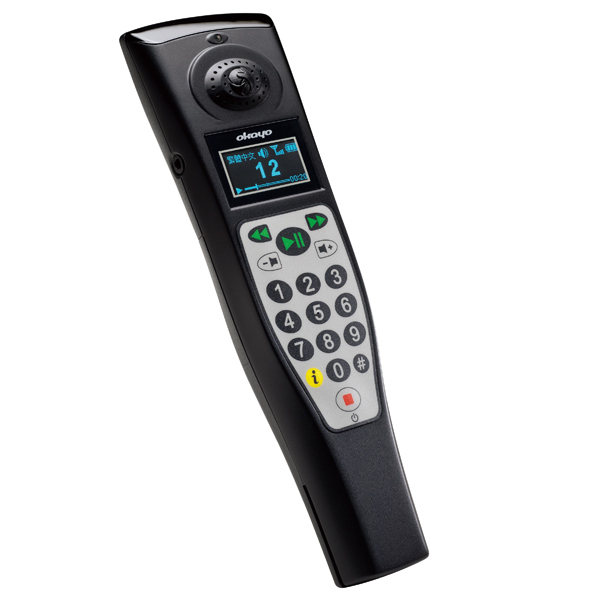
Picture this: you’re walking through a museum, holding a small device that guides you from one exhibit to the next. Handheld devices are straightforward and user-friendly. They often come pre-loaded with audio tours, allowing you to navigate easily without needing internet access.
These devices are perfect if you prefer tactile experiences. Many museums provide them at the entrance, ensuring everyone can enjoy the exhibits without digital distractions. Have you ever felt overwhelmed by too many app notifications? Handheld devices keep things simple and focused.
Mobile Apps
Your smartphone is a powerful tool for museum exploration. Mobile apps offer flexibility and convenience, often boasting interactive features like maps and multimedia content. Imagine accessing detailed information about an artifact with just a tap on your screen.
These apps are ideal if you’re comfortable with technology and want to dive deeper into the exhibits. They often allow you to customize your tour based on interests. Next time you’re in a museum, consider downloading the app—it’s like having a knowledgeable guide in your pocket.
Wearable Gadgets
Have you ever wanted to experience a museum hands-free? Wearable gadgets, such as smart glasses or audio headsets, offer a seamless way to enjoy exhibits. These devices can provide real-time information as you move through the museum.
Wearables are perfect for tech enthusiasts who love innovation. They can transform your museum visit into an immersive experience, making you feel part of the story. If you’re curious about the future of museum tours, give wearables a try—they might surprise you with their capabilities.
Each type of audio tour device has its unique advantages. What kind of experience do you seek during your museum visits? Whether you prefer simplicity or tech integration, there’s a solution that fits your needs.
Benefits Of Audio Tours
Museum audio tour devices offer a range of benefits that enhance the visitor experience. These devices provide a deeper understanding of exhibits, tailored experiences, and increased accessibility. Discover how audio tours can enrich your museum visit.
Enhanced Learning
Audio tours deepen your understanding of exhibits. They provide detailed explanations and fascinating stories. Visitors learn more than through traditional signage. Complex topics become clear with expert narration. Engaging stories capture attention and enhance learning.
Personalized Experience
Audio tours offer a personalized experience. Visitors choose their own pace. Skip sections or replay favorite parts easily. Personal preferences guide the journey. Each visitor explores according to their interests. This flexibility makes visits more enjoyable.
Accessibility Features
Audio tours include features for all visitors. They assist those with visual impairments. Clear audio ensures everyone understands the content. Volume control helps those with hearing difficulties. Easy-to-use devices accommodate diverse needs. Museums become more inclusive with these tools.
Credit: www.okayo.com
Integrating Technology In Museums
Museums are embracing modern technology to enhance visitor experiences. Audio tour devices are not just about narrating history anymore. They incorporate advanced technologies to engage visitors in new ways. Let’s explore how museums are integrating technology.
Augmented Reality
Augmented Reality (AR) brings exhibits to life. Visitors can see virtual images over real objects. Imagine seeing dinosaurs move in a natural environment. AR creates an immersive experience for everyone. It enhances learning by showing detailed animations and information.
AR devices are easy to use. They guide visitors with interactive maps. Users can explore different sections of the museum with ease. This technology makes museum tours exciting and educational.
Interactive Displays
Interactive displays offer hands-on learning. Touchscreens provide information at a tap. Visitors can explore detailed timelines and maps. They make history engaging and fun.
These displays allow visitors to customize their experience. They choose the topics that interest them. Museums can update content regularly to keep it fresh. Interactive displays cater to all age groups. They make learning accessible and enjoyable.
Challenges And Solutions
Museum audio tour devices face challenges like technical glitches and varying visitor tech skills. Solutions include user-friendly designs and multilingual options. These enhance visitor experience and accessibility.
Museums have evolved dramatically, with audio tour devices becoming an essential part of the visitor experience. While these devices enhance learning, they also come with their own set of challenges. Understanding these challenges and finding solutions is crucial to maximizing their potential.Technical Issues
Audio tour devices can sometimes be a source of frustration due to technical glitches. Imagine eagerly pressing play, only to find the device unresponsive. This can disrupt your experience and create dissatisfaction. Solutions are often simple yet effective. Regular maintenance and updates can keep devices in top shape. Training staff to troubleshoot common problems swiftly also ensures a seamless experience for visitors. Consider using devices that are compatible with personal smartphones. This reduces dependency on museum-provided gadgets and can enhance accessibility. Wouldn’t you prefer using your own device with familiar settings?Visitor Engagement
Keeping visitors engaged through audio tours is another challenge. Some might find the content monotonous or too lengthy, leading to disengagement. A solution is to design tours that are interactive and concise. Short segments with engaging stories or trivia can keep you hooked. Providing options to choose specific sections allows for a personalized experience. Have you ever thought about integrating augmented reality with audio tours? Imagine seeing historical artifacts come to life through your device while listening to their stories. This could transform your museum visit into a fascinating journey. By addressing these challenges, museums can enrich your experience, making each visit memorable and enlightening. What would make your next museum visit more engaging?Future Trends In Audio Tours
The world of museum audio tours is changing fast. New technologies are shaping the way we experience art and history. Visitors seek more than just information. They crave interaction and personalization. Future trends in audio tours promise to deliver just that. These advancements will make museum visits more enjoyable and engaging.
Artificial Intelligence
Artificial intelligence (AI) is enhancing audio tours. AI can analyze visitor preferences. It offers personalized content based on interests. This technology learns from user behavior. It suggests relevant exhibits and stories. AI can also adjust the tour pace. This ensures visitors enjoy each moment.
Voice Recognition
Voice recognition technology is making audio tours more interactive. Visitors can ask questions during tours. The device understands and responds in real-time. This creates a conversational experience. It also reduces the need for physical interaction. This technology supports multiple languages. It caters to diverse audiences, enhancing accessibility.
Case Studies Of Successful Implementations
Museum audio tour devices have transformed visitor experiences worldwide. They offer rich, informative insights into exhibits. Successful implementations highlight the potential of these devices in engaging audiences. Let’s explore real-world case studies where museums have effectively used audio tours.
Case Study 1: The Louvre Museum, Paris
The Louvre Museum offers audio tours in multiple languages. This caters to its diverse global audience. Visitors enjoy detailed explanations of famous artworks. The device guides them through the vast galleries seamlessly. User-friendly interfaces make navigation easy for all ages. The audio tours have increased visitor engagement significantly.
Case Study 2: The British Museum, London
The British Museum’s audio guides offer customizable tours. Visitors can tailor their experience to suit interests. The devices feature rich audio content about historical artifacts. They include stories and expert commentary. This personalization enhances the visitor’s connection with exhibits. Feedback shows a high satisfaction rate among users.
Case Study 3: The Metropolitan Museum Of Art, New York
The Metropolitan Museum of Art uses interactive audio guides. These devices include touchscreens with images and maps. They help visitors navigate the sprawling museum efficiently. The guides feature curated tours for different themes. This approach makes the museum’s vast collection accessible and enjoyable. Visitor numbers and engagement levels have risen.

Credit: orpheogroup.com
Frequently Asked Questions
What Are Museum Audio Tour Devices?
Museum audio tour devices are handheld gadgets that enhance visitor experiences. They provide insightful commentary and detailed information about exhibits. These devices offer a more interactive and engaging way to explore museums. They can include headphones, mobile apps, or dedicated audio units.
How Do Audio Tour Devices Work?
Audio tour devices work by playing recorded messages about museum exhibits. Visitors can listen to detailed information at their own pace. Devices may use GPS or QR codes to sync audio with specific locations. This ensures relevant information as visitors move through the museum.
Are Audio Tours Available In Multiple Languages?
Yes, many audio tour devices offer multilingual options. This makes museums accessible to international visitors. Users can select their preferred language at the start of the tour. Some devices automatically detect language preferences based on user settings.
Can I Use My Smartphone For Audio Tours?
Yes, many museums offer smartphone-compatible audio tours. These tours can be accessed through apps or websites. Visitors can use their own headphones for a personalized experience. This option is convenient and eliminates the need for separate devices.
Conclusion
Museum audio tour devices enhance the visitor experience. They offer clear, guided information. Visitors enjoy learning at their own pace. These devices cater to diverse audiences, including non-native speakers. Easy-to-use controls make navigation simple. Museums benefit from increased visitor engagement.
Audio tours provide a personal touch. They help bring exhibits to life. Consider using audio guides on your next museum visit. They enrich understanding and appreciation. A valuable tool for both casual and avid museum-goers. Enhance your museum journey. Explore, learn, and enjoy with audio tour devices.



