

Are you constantly reaching for your smartphone, even when there’s nothing new to see? You might not realize it, but that small device could be having a big impact on your mental well-being.
Smartphones have become a staple in our daily lives, making tasks easier and keeping us connected. However, the constant notifications and endless scrolling can take a toll on your mental health. Do you find yourself feeling anxious or overwhelmed after too much screen time?
You’re not alone. Understanding the negative effects of smartphones on your mental health is crucial. Dive into this article to discover how your smartphone usage might be affecting your mind and what you can do to create a healthier balance.
Credit: tmb.apaopen.org
Impact On Sleep Patterns
Smartphones play a vital role in our lives today. Yet, their influence extends beyond convenience. A crucial concern is their impact on sleep patterns. Many people find themselves glued to their screens before bedtime. This habit can disrupt the natural sleep cycle, leading to sleep problems.
Blue Light Exposure
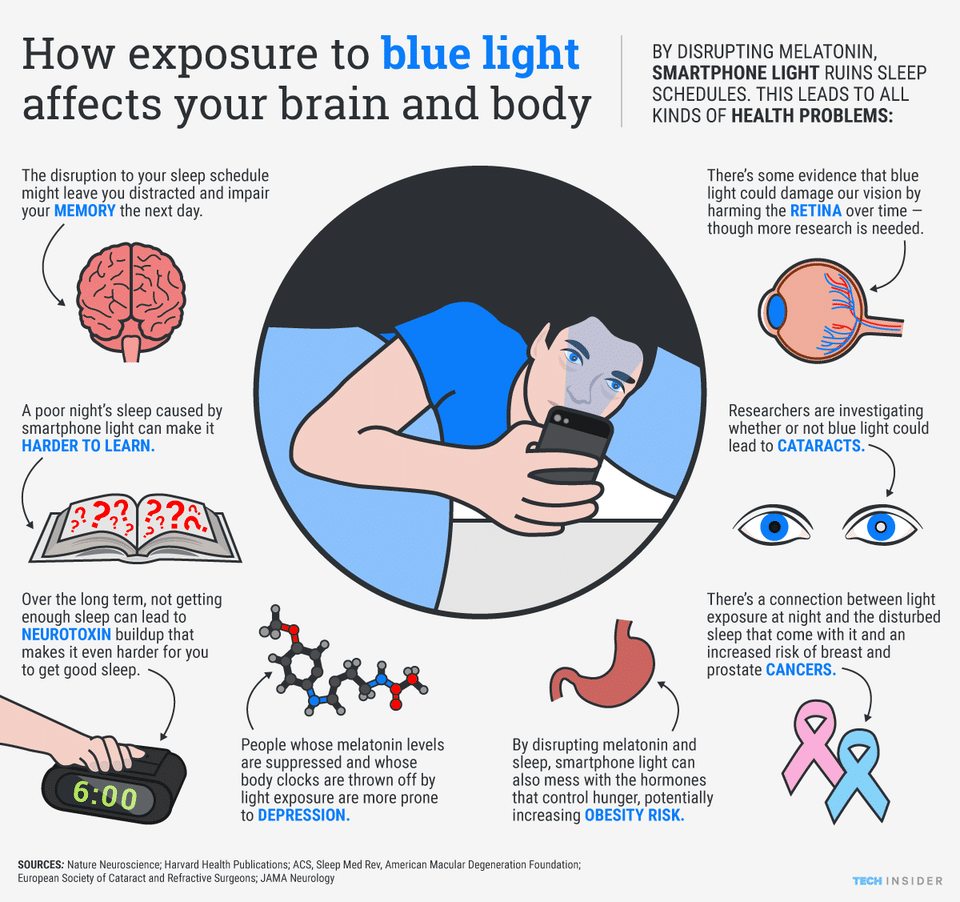
Smartphone screens emit blue light. This type of light can interfere with sleep. It tricks the brain into staying awake. Blue light reduces the production of melatonin, a sleep hormone. As a result, falling asleep becomes more difficult. Over time, this can lead to chronic sleep issues.
Disrupted Sleep Cycles
Constant smartphone use can disrupt sleep cycles. Notifications keep the brain alert. Each beep or buzz can wake a person from deep sleep. This interrupts the natural sleep rhythm. Quality of sleep decreases as a result. Over time, this affects mental health and daily functioning. People often feel tired and less focused.
Credit: pittnews.com
Increased Anxiety Levels
Smartphones have become an integral part of our lives. They offer convenience and connectivity. But they also contribute to increased anxiety levels. The constant notifications and messages can be overwhelming. Many people feel a persistent need to stay connected. This can lead to a rise in anxiety. Let’s explore some reasons why smartphones elevate anxiety.
Constant Connectivity
Smartphones keep us constantly connected. This can create pressure to respond immediately. Messages and alerts can be relentless. The expectation to be always available can be daunting. Many people struggle to disconnect. This constant connectivity can be mentally exhausting. Anxiety levels rise as the mind never gets a rest.
Fear Of Missing Out
Fear of missing out, or FOMO, is common today. Social media amplifies this fear. People see friends enjoying events or activities. This can lead to feelings of inadequacy. Many feel they need to keep up. This fear can trigger anxiety. Smartphones make it easy to constantly check updates. This behavior feeds the fear and increases anxiety.
Depression And Mood Disorders
Smartphones have become an integral part of our lives, but their constant presence can significantly impact our mental health. One of the most concerning effects is the rise in depression and mood disorders. It’s not just the endless scrolling or screen fatigue that’s the issue; it’s the emotional and psychological toll these devices can take.
Social Media Comparison
Social media fosters a world of comparison. You see posts of friends traveling, celebrating, or achieving, and it’s easy to feel left behind. These constant comparisons can lead to feelings of inadequacy and low self-esteem. Imagine waking up each day feeling like you need to catch up with the perfect lives portrayed online. How does this affect your mood and overall mental health?
Consider setting boundaries with your social media usage. Limit time spent online and focus on activities that bring genuine joy and satisfaction. Engage in real-world connections that uplift you rather than drain you.
Cyberbullying
Cyberbullying is another dark side of smartphone usage. Hurtful comments and digital harassment can severely impact one’s mental well-being. Have you ever felt the sting of a negative comment online? The anonymity of the internet can empower bullies, making it difficult for victims to escape the negativity.
It’s essential to create a supportive online environment. Block or report accounts that spread negativity. Surround yourself with positive influences and engage in communities that promote kindness and empathy.
Smartphones can be powerful tools, but without mindful usage, they can contribute to depression and mood disorders. Reflect on your smartphone habits and consider how they affect your mental health. What changes can you make today to foster a healthier relationship with technology?
Credit: thebestbrainpossible.com
Attention And Focus Issues
Smartphones can lead to attention and focus issues, impacting mental health negatively. Constant notifications distract and disrupt concentration. This can increase anxiety and stress, affecting daily life.
Smartphones have become a crucial part of modern life. They help us stay connected and informed. Yet, they bring challenges too. One significant concern is their impact on attention and focus. Regular smartphone use can lead to issues with concentration. This affects productivity and mental clarity. Let’s explore these effects further.Multitasking Challenges
Smartphones encourage multitasking. People often juggle multiple apps and tasks at once. This can seem efficient, but it divides attention. The brain struggles to focus on several tasks simultaneously. This leads to mistakes and incomplete tasks. Multitasking with a smartphone reduces task quality.Reduced Concentration Span
Constant notifications interrupt focus. Each ping draws attention away from the task. This trains the brain to expect interruptions. Over time, this lowers the natural concentration span. Simple tasks become harder to complete. People find it difficult to focus for long periods. This impacts learning and work performance.Addictive Behaviors
Smartphones have become an integral part of daily life. Yet, they are often linked to addictive behaviors. The constant need to check notifications can lead to mental stress. Users may find themselves glued to their screens without realizing it. This addiction can affect mental health negatively, causing anxiety and depression.
Compulsive Checking
Compulsive checking is a common smartphone addiction symptom. People feel an urge to check their phones frequently. This behavior interrupts daily activities and conversations. It creates a constant state of alertness and worry. Each notification can trigger anxiety, pushing users to check their phones immediately. This cycle can lead to stress and reduced focus on real-world tasks.
Dopamine And Reward Systems
Smartphones can hijack the brain’s reward systems. Every notification releases dopamine, a feel-good hormone. This dopamine release creates a reward loop, encouraging more phone use. Over time, the brain craves this dopamine hit. Users may feel restless or bored without their phones. This dependency can impact mental health, leading to mood swings and irritability.
Impact On Social Interactions
Smartphones have become an essential part of our lives. They offer convenience, entertainment, and connectivity. Yet, their impact on social interactions is concerning. Over-reliance on smartphones can harm our mental well-being. Let’s explore how smartphones affect our social lives.
Face-to-face Communication Decline
Smartphones often replace real human interactions. People prefer texting over talking. This shift impacts our communication skills. Face-to-face conversations help us understand emotions better. They build empathy and connection. With more screen time, these skills weaken. People struggle to read non-verbal cues. This can lead to misunderstandings in relationships.
Moreover, constant phone use distracts us during in-person talks. People often check their phones while conversing. This reduces the quality of communication. It can make others feel ignored. Over time, this damages relationships. Real-life bonds need attention and care. But smartphones often come in the way.
Isolation And Loneliness
Smartphones can lead to feelings of isolation. Online interactions lack the warmth of real connections. Social media creates a false sense of belonging. People may have many online friends. Yet, they often feel lonely in real life. Studies show a link between smartphone use and loneliness.
Too much screen time can replace physical social activities. People prefer chatting online over meeting friends. This reduces opportunities for real-world interactions. Loneliness and isolation can affect mental health. They can lead to anxiety and depression. It’s crucial to balance screen time with social activities.
Memory Impairment
Smartphones have become indispensable in our daily lives. Yet, their excessive use can have detrimental effects on mental health, particularly memory. Memory impairment is a growing concern in today’s smartphone-driven society. As we lean more on these devices, the natural ability to remember and recall seems to diminish.
Information Overload
Smartphones offer endless streams of information. Social media, news, and notifications flood our screens constantly. This barrage of information overwhelms the brain. It struggles to process and store data effectively. Our minds become saturated, making it hard to focus on one task. With so much information, the brain can’t prioritize what’s important.
Reduced Recall Abilities
Reliance on smartphones for information can weaken our memory recall. Instead of remembering facts, we often search online. This habit reduces our brain’s natural recall ability. We become dependent on devices for even simple details. Over time, this reliance can impair cognitive functions. It affects our ability to remember without prompts.
Frequently Asked Questions
How Do Smartphones Affect Mental Health?
Smartphones can lead to anxiety and stress due to constant notifications. Excessive use may disrupt sleep patterns and worsen mental health conditions. Social media on smartphones can increase feelings of inadequacy and depression. It’s important to manage screen time and prioritize real-life interactions for better mental well-being.
Can Smartphone Addiction Cause Depression?
Yes, smartphone addiction can contribute to depression. It can isolate individuals from real-world interactions and increase dependency on digital validation. Overuse can lead to feelings of loneliness and sadness. Balancing smartphone use with offline activities is crucial to maintaining mental health and reducing depressive symptoms.
Do Smartphones Impact Sleep Quality?
Smartphones can negatively impact sleep quality. The blue light emitted disrupts melatonin production, affecting sleep cycles. Notifications and messages can interrupt sleep, leading to insomnia. To improve sleep, it’s advisable to limit smartphone use before bed and maintain a consistent sleep schedule.
Are Teens More Vulnerable To Smartphone Effects?
Teens are particularly vulnerable to smartphone effects. Their developing brains are sensitive to excessive screen time, leading to anxiety and depression. Social media can exacerbate feelings of inadequacy. Encouraging balanced smartphone usage and fostering real-life connections is vital for their mental health.
Conclusion
Smartphones can harm mental health. They increase stress and anxiety levels. Constant notifications disrupt sleep patterns. Social media fuels comparison and lowers self-esteem. Excessive usage isolates individuals from real-life interactions. It’s crucial to set boundaries. Limit screen time for mental balance.
Prioritize face-to-face connections. Cultivate hobbies away from screens. Small changes can make a big difference. Protect your mental well-being. Stay mindful of smartphone usage. Embrace healthier habits for a happier you.



