

Imagine a world where you can access and manage your data anytime, anywhere. That’s the magic of cloud computing.
But to make this magic work, you need a solid network. Without it, your cloud experience can be as frustrating as a slow internet connection on a crucial video call. This is where networking for cloud computing becomes essential. Are you curious about how this powerful combination can transform your digital life?
Do you want to ensure your cloud services are running smoothly and efficiently? Stick around, and you’ll discover how networking is the backbone that supports and enhances your cloud computing experience. Dive into this article to uncover the secrets of seamless connectivity and performance in the cloud, and learn how you can leverage this to boost your productivity and innovation.
The Role Of Networking In Cloud Computing
Cloud computing has transformed the way businesses operate, but behind its seamless functionality lies a crucial element—networking. Networking serves as the backbone of cloud computing, enabling the flow of data, connecting users to resources, and ensuring efficient operations. Understanding the role of networking in cloud computing helps you harness its full potential.
The Importance Of Connectivity
Imagine trying to access your favorite online service, only to find it slow or unresponsive. This is where networking plays a pivotal role. It ensures stable and fast connections between users and cloud services. Without efficient networking, cloud services would struggle to provide the high-speed access that users expect. Just think about the frustration of waiting for a file to upload when connectivity is poor.
Scalability And Flexibility
Networking in cloud computing is not just about connectivity; it’s also about how well the system can adapt. A robust network infrastructure allows for seamless scaling of resources. This means your business can grow without facing bottlenecks or disruptions. Consider how your business can expand its operations without the worry of network limitations holding you back.
Security And Compliance
With data moving across networks, security becomes a top priority. Networking in cloud computing involves secure data transmission protocols to protect sensitive information. Understanding this can help you make informed decisions about cloud providers and ensure compliance with data protection regulations. Have you ever considered the security measures in place during your data’s journey through the cloud?
Optimizing Performance
Network performance directly impacts the efficiency of cloud applications. By optimizing network configurations, you can improve application response times and user experience. This involves managing bandwidth, reducing latency, and ensuring consistent data transfer. How often have you thought about the network’s role in the speed and reliability of your cloud-based tools?
Networking in cloud computing is not just a technical necessity; it’s a strategic asset. By appreciating its role, you can better plan your cloud strategy and maximize your investment. Whether you’re scaling operations, ensuring security, or enhancing performance, networking is the key to unlocking the full capabilities of the cloud.
Key Networking Components
Networking is crucial for cloud computing. It ensures smooth data flow and security. Understanding key components helps optimize performance. Efficient networking reduces downtime and enhances user experience. Let’s explore essential components in cloud networking.
Switches And Routers
Switches connect devices within a network. They forward data packets to correct destinations. Routers direct data between different networks. They play a key role in managing network traffic. Efficient switches and routers ensure seamless connectivity.
Firewalls And Security
Firewalls protect networks from threats. They monitor incoming and outgoing traffic. Security measures prevent unauthorized access. Firewalls ensure data safety in cloud environments. Strong security protocols maintain user trust.
Load Balancers
Load balancers distribute network traffic evenly. They prevent overload on servers. This ensures efficient resource use. Balancers improve application performance and reliability. They enhance user experience during peak times.
Types Of Cloud Networks
Cloud computing has transformed the way businesses operate, offering flexibility, scalability, and cost-effectiveness. One critical aspect of cloud computing is understanding the types of cloud networks available. Different types of cloud networks can cater to various needs, whether you’re a solo entrepreneur or part of a large corporation. Let’s dive into the types of cloud networks and how they can impact your business strategy.
Public Cloud Networks
Public cloud networks are like the bustling city streets where resources are shared among multiple users. They are owned and operated by third-party providers who offer services over the internet. You can access cutting-edge technology without heavy upfront investments. A major benefit is their scalability; they grow with your business needs effortlessly. However, you need to consider security risks since your data resides in shared environments.
Private Cloud Networks
Private cloud networks are the exclusive clubs of the cloud world. They offer dedicated resources for a single organization, providing enhanced security and control. Imagine having the flexibility of the cloud with the peace of mind of knowing your data is safe and sound. Private clouds are perfect for businesses handling sensitive data. They can be hosted internally or by third-party providers, giving you the choice of control level.
Hybrid Cloud Networks
Hybrid cloud networks blend the best of both worlds, combining public and private cloud features. They allow you to manage sensitive workloads in a private cloud while leveraging the power and scalability of public clouds for less critical tasks. This setup can optimize costs and boost efficiency. Imagine being able to scale your operations while maintaining strict control over your sensitive data. Does your business need flexibility and security? Hybrid clouds might be the answer.
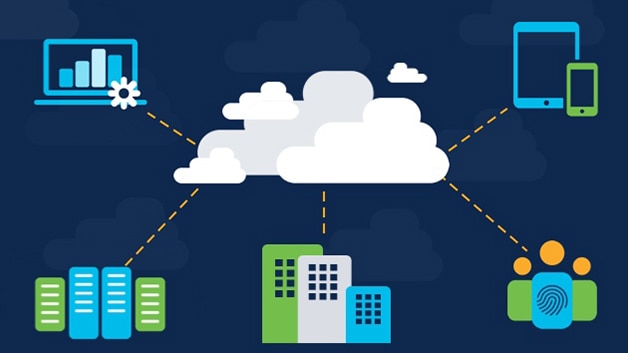
Understanding these cloud network types can empower you to make informed decisions. Think about your business needs and future growth plans. Which type aligns with your goals? Consider the security, scalability, and cost aspects before committing. Your choice will play a crucial role in shaping your cloud strategy.
Credit: www.cisco.com
Network Protocols For Cloud
In the realm of cloud computing, network protocols are like the invisible highways that facilitate smooth and efficient data transfer. As you delve deeper into cloud technologies, understanding these protocols becomes crucial. Whether you’re new to cloud computing or looking to deepen your knowledge, grasping the essentials of network protocols will empower you to make informed decisions and optimize your cloud experience.
Tcp/ip
TCP/IP is the foundation of internet communication, and its importance in cloud computing cannot be overstated. It ensures data packets are sent and received correctly across networks. Imagine TCP/IP as the postal service for your data, ensuring every piece reaches its destination accurately.
What happens when you send an email or access a website? TCP/IP breaks down your data into packets, sends them across the network, and reassembles them at the destination. This protocol guarantees reliable and efficient communication. Without TCP/IP, cloud computing would lose its connectivity magic.
Http/https
HTTP and HTTPS are the protocols that power web interactions. HTTP is the open pathway for data exchange, while HTTPS adds a layer of security with encryption. Think of HTTPS as the armored car delivering your sensitive data safely across the web.
When you shop online or send confidential information, HTTPS protects your data from prying eyes. In cloud computing, ensuring secure data transmission is paramount. You wouldn’t want your private data exposed. HTTPS provides the peace of mind that your cloud interactions are secure.
Dns
DNS is the internet’s directory, translating domain names into IP addresses. It’s like a phonebook for the web, ensuring you can find websites without memorizing complex numerical addresses. Ever wondered how you can type a name instead of a number to reach a site? That’s DNS at work.
In cloud computing, DNS is crucial for accessing resources and services efficiently. Imagine trying to connect to your cloud database without DNS; it would be like searching for a friend’s house without knowing their address. DNS ensures your cloud operations are seamless and intuitive.
As you explore cloud computing, consider how these protocols enhance your experience. Have you ever thought about the role of TCP/IP in your everyday internet use? Or how HTTPS keeps your data secure? Understanding these protocols isn’t just technical jargon; it’s the key to unlocking the full potential of cloud computing.
Optimizing Network Performance
Enhancing network performance is vital for cloud computing efficiency. It ensures quick data access and smooth application functioning. Proper network setup reduces latency, boosting cloud resources’ responsiveness.
Optimizing network performance is a crucial element for maximizing the benefits of cloud computing. It ensures that data moves swiftly and efficiently between users and cloud servers. If you’ve ever experienced a lag during a video call, you know how frustrating poor network performance can be. Ensuring optimal network conditions can make the difference between seamless cloud operations and frustrating delays.Latency And Bandwidth Considerations
Latency refers to the time it takes for data to travel from one point to another in a network. High latency can slow down your applications, impacting user experience. To reduce latency, consider placing your cloud resources closer to your users or using Content Delivery Networks (CDNs). Bandwidth, on the other hand, is the amount of data that can be transmitted in a fixed amount of time. Insufficient bandwidth can bottleneck your operations. Monitoring your bandwidth needs and adjusting your plan can prevent slowdowns.Quality Of Service (qos)
QoS is all about prioritizing network traffic to ensure important data gets through first. If your company relies heavily on video conferencing or VoIP, implementing QoS can ensure these services run smoothly. Ask yourself, which applications need priority, and adjust your network settings accordingly. Implementing QoS can prevent situations where critical applications are overshadowed by less important network traffic. This ensures your team remains productive and connected.Scalability Solutions
Scalability is about growing your network capabilities alongside your business needs. Traditional networks can struggle with sudden increases in demand. Cloud-based solutions offer scalable network performance that grows with you. Consider using auto-scaling features to automatically adjust your resources during peak times. This means you only pay for what you need, when you need it. Are you prepared to handle a sudden influx of users? Evaluating your current setup and exploring cloud-based scalability options can prepare your network for future growth.
Credit: en.wikipedia.org
Security In Cloud Networking
Cloud networking enhances security by ensuring data protection and privacy. It uses encryption and access controls to safeguard information. These measures help prevent unauthorized access and data breaches.
Cloud computing has transformed the way businesses operate, offering flexibility and scalability like never before. But with these benefits come unique challenges, particularly in terms of security. Ensuring security in cloud networking is crucial to protect sensitive data and maintain trust with clients. Let’s explore how data encryption, network monitoring, and access controls play vital roles in safeguarding your cloud infrastructure.Data Encryption
Data encryption acts as a protective shield for your information. It converts data into a code, ensuring that only authorized parties can access it. Imagine sending a letter in a language only you and the recipient understand. This is how encryption keeps your data safe during transmission. Encryption isn’t just for data in transit. You should also encrypt data at rest to protect it from unauthorized access. Services like AWS and Azure offer built-in encryption features to make this process easier. Are you taking full advantage of these tools?Network Monitoring
Keeping an eye on your network is like having a security guard on duty 24/7. Network monitoring tools help detect unusual activities that might indicate a security threat. With real-time alerts, you can act quickly to mitigate risks. Consider investing in a comprehensive monitoring solution. Tools like Splunk and Datadog provide insights into network performance and potential vulnerabilities. Are you prepared to respond to an unexpected security breach?Access Controls
Who has access to your data matters just as much as how it’s protected. Implementing strict access controls ensures that only authorized users can reach sensitive information. Think of it as having a bouncer at the door of a club, checking IDs before letting anyone in. Cloud providers offer various access control mechanisms, like role-based access controls (RBAC). This means you can assign permissions based on a user’s role. Are you regularly reviewing who has access to your cloud resources? Security in cloud networking is not just about implementing these elements but continually assessing and updating them. By focusing on encryption, monitoring, and access controls, you can protect your cloud environment and reassure your clients of their data’s safety.Network Management Tools
Network management tools play a vital role in cloud computing. They ensure seamless connectivity and enhance performance. These tools help manage complex networks efficiently. They provide essential insights into network operations. Understanding each tool’s function is key for effective network management. Let’s explore some of these crucial tools.
Monitoring Software
Monitoring software keeps an eye on network activities. It identifies issues before they become problems. This software tracks data flow and connection status. Alerts notify you of any disruptions. Monitoring helps maintain optimal performance. Regular checks ensure your network runs smoothly.
Automation Tools
Automation tools simplify network management tasks. They reduce manual efforts and errors. These tools handle routine processes automatically. They help deploy updates across multiple devices. Automation saves time and increases efficiency. It ensures consistent network configurations.
Analytics Platforms
Analytics platforms provide insights into network data. They analyze traffic patterns and usage trends. These platforms help make informed decisions. Data-driven insights improve network strategy. Understanding analytics enhances resource allocation. It boosts overall network performance.

Credit: www.itjones.com
Future Trends In Cloud Networking
The future of cloud networking is evolving rapidly. New technologies are shaping its landscape. Understanding these trends can help businesses stay ahead. Key areas like 5G, AI, and edge computing are driving changes. Let’s explore these future trends in cloud networking.
5g Integration
5G technology is enhancing cloud networking. It offers faster and more reliable connections. This advancement enables real-time data processing. Businesses can benefit from increased speed and reduced latency. 5G supports more devices and IoT applications. This integration is crucial for modern cloud solutions.
Ai And Machine Learning
AI and machine learning are transforming cloud networking. They automate complex tasks and enhance data analysis. These technologies improve network efficiency and security. AI helps in predicting network issues before they occur. Machine learning optimizes resource allocation. This leads to better performance and cost savings.
Edge Computing
Edge computing is growing in importance. It brings data processing closer to the source. This reduces latency and bandwidth use. Edge computing supports real-time applications. It is essential for industries like healthcare and finance. As devices become smarter, edge computing will play a key role.
Frequently Asked Questions
What Is Cloud Networking?
Cloud networking refers to the use of network resources and services hosted on cloud platforms. It enables seamless connectivity and communication between cloud-based and on-premise systems. Cloud networking offers scalability, flexibility, and cost-efficiency, allowing businesses to manage their network operations more effectively.
How Does Cloud Computing Affect Network Security?
Cloud computing impacts network security by introducing new challenges and solutions. It requires robust security measures like encryption and firewalls. Cloud providers offer security services, but users must ensure data protection. Regular audits and compliance checks are crucial to maintaining secure cloud environments.
Why Is Network Latency Important In Cloud Computing?
Network latency is crucial because it affects data transfer speeds and application performance. High latency can slow down operations and degrade user experience. Optimizing network paths and using edge computing can reduce latency. Ensuring low latency is vital for efficient cloud services and real-time applications.
How Do Cloud Networks Support Scalability?
Cloud networks support scalability through virtualized resources and automated management. They allow dynamic resource allocation based on demand. This flexibility ensures efficient handling of varying workloads. Scalability in cloud networks enables businesses to grow without significant infrastructure changes, reducing costs and complexity.
Conclusion
Networking plays a crucial role in cloud computing. It ensures your data flows smoothly. Reliable connections mean better performance. Faster access to your resources. Security is key. Protect your information from threats. Choose the right network solutions. They support your cloud needs.
Understand the basics. They help you make informed decisions. Stay updated with trends. Technology evolves quickly. Adapt and grow with changes. Invest time in learning. Networking boosts your cloud experience. Makes your operations efficient. Ready for future challenges. Keep exploring options.
Enhance your cloud strategy. Achieve your goals with strong networking foundations.