

Are you curious about the cost of cloud computing and how it impacts your business or personal projects? You’re not alone.
Navigating the pricing models of cloud services can feel overwhelming, but understanding them is crucial for making smart financial decisions. Imagine unlocking the power of cloud computing without draining your budget. That’s precisely what you can achieve with the right insights.
We’ll break down the price of cloud computing in simple terms and uncover strategies to optimize your expenses. Stick around, and you’ll discover how to make cloud computing work for you without any financial surprises. Let’s dive in and demystify the numbers together!
Cloud Computing Basics
Cloud computing has transformed the way businesses operate today. It offers flexibility, scalability, and cost efficiency. Companies can store data and run applications in the cloud, reducing the need for physical hardware. Understanding the basics of cloud computing helps in making informed decisions about its use and cost implications. Let’s explore its definition, importance, and types of services.
Definition And Importance
Cloud computing is the delivery of computing services over the internet. These services include storage, databases, servers, networking, and software. Users access these resources on-demand, paying only for what they use. This model eliminates the need for upfront infrastructure costs. Businesses can scale up or down based on their needs. Cloud computing ensures data is accessible from anywhere, providing flexibility for remote work.
Types Of Cloud Services
There are three main types of cloud services: IaaS, PaaS, and SaaS. Infrastructure as a Service (IaaS) provides virtualized computing resources over the internet. It is ideal for businesses that want to build their own applications. Platform as a Service (PaaS) offers hardware and software tools over the internet. It supports application development without managing underlying infrastructure. Software as a Service (SaaS) delivers software applications over the internet. Users access these applications via a web browser, often on a subscription basis.
Understanding these types helps in choosing the right solution. Each type serves different business needs and budgets. Familiarity with these services aids in optimizing cloud computing costs.
Credit: www.techtarget.com
Cost Components
Understanding the cost components of cloud computing is crucial for businesses. These components help determine the budget needed for efficient cloud services. By examining these elements, organizations can make informed decisions about their cloud investments.
Infrastructure Costs
Infrastructure costs involve the physical hardware required for cloud services. This includes servers, storage devices, and networking equipment. Companies often pay for these resources on a pay-as-you-go basis. This model allows flexibility and scalability to match business needs. Infrastructure costs can vary based on usage and specific requirements.
Software And Licensing Fees
Software and licensing fees are another critical component. Cloud providers often charge for access to software applications. Licensing fees may be recurring, based on subscription models. Organizations must choose software that aligns with their operational needs. This ensures optimal functionality and cost-effectiveness.
Data Storage And Transfer
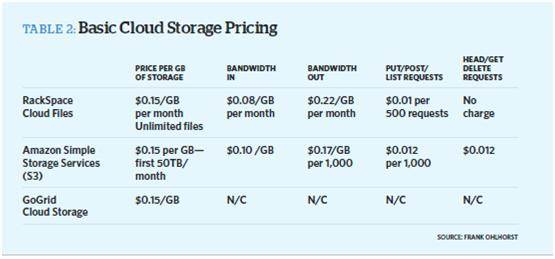
Data storage and transfer costs are essential for cloud computing. Providers charge for storing data and moving it across regions or networks. Storage costs depend on the volume and type of data stored. Transfer costs arise from the bandwidth needed for data movement. Monitoring these costs is vital for managing budgets effectively.
Pricing Models
Cloud computing has transformed how businesses operate, providing flexibility and scalability. However, understanding its pricing models can be a challenge. Different models cater to varied needs, ensuring you pay for only what you use or need. Let’s dive into these pricing models and see which one aligns with your business strategy.
Pay-as-you-go
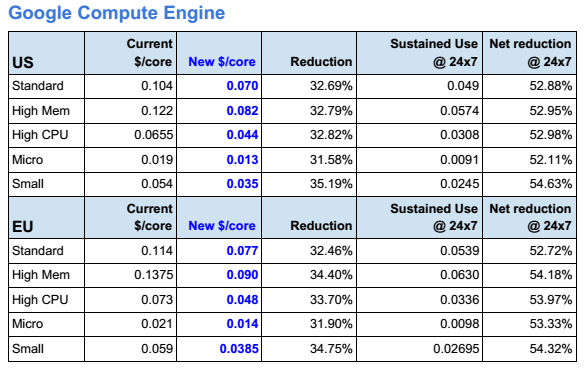
Think of Pay-As-You-Go like your utility bill. You pay for the exact amount of resources you use, whether it’s computing power or storage. This model is perfect for businesses with fluctuating workloads or startups needing cost control.
Imagine running an e-commerce site. During holiday sales, you need more server power. With Pay-As-You-Go, you pay for the extra power only during that peak time. Once the rush is over, your costs drop back down. It’s like switching off the lights when you leave a room—simple and cost-effective.
Subscription-based
Subscription-Based pricing is like your favorite streaming service. You pay a fixed monthly fee for a set amount of resources. This model is ideal for businesses with stable needs and predictable workloads.
Picture a digital marketing agency managing client websites. They know they need consistent server power month after month. Subscription-Based pricing allows them to budget accurately and avoid unexpected costs. It’s reliable, just like knowing your favorite show will be available whenever you want to watch.
Hybrid Pricing
Hybrid Pricing combines the best of both worlds. It offers flexibility with the stability of subscription models. Businesses can tailor this model to fit their unique demands, mixing fixed and variable costs.
Consider a tech company launching a new app. They may choose a subscription for basic operations but switch to pay-as-you-go during testing phases. This gives them control over expenses while ensuring they have enough resources for critical times. Hybrid Pricing is like customizing a meal to match your appetite, ensuring satisfaction without overindulgence.
Which model resonates with your business needs? Are you ready to make the switch for efficiency and savings? Understanding these models can empower you to make informed decisions, aligning your cloud expenses with your strategic goals.
Credit: techcrunch.com
Cost-saving Strategies
Cloud computing offers immense flexibility and scalability, but its costs can quickly add up if not managed effectively. Learning cost-saving strategies can make a significant difference in your cloud expenses. Whether you’re a small business or a large enterprise, optimizing your cloud usage is crucial. Here, we explore practical and actionable strategies to help you save costs on your cloud computing journey.
Resource Optimization
Imagine you’re paying for a gym membership but only using half the facilities. Many businesses do the same with cloud resources, paying for more than they need. To avoid this, regularly review and adjust your usage. Set up alerts for unused or underused resources. Automate the scaling of resources based on demand. This not only saves money but boosts efficiency.
Consider using spot instances for non-critical workloads. They can be up to 90% cheaper than regular instances. It’s like buying last-minute concert tickets at a discount—you get the same experience for less. Analyze your storage needs and delete redundant data. Regular audits will keep your spending in check.
Multi-cloud Approaches
Why stick to one cloud provider when you can leverage multiple? Using a multi-cloud strategy can prevent vendor lock-in and offer cost benefits. Different providers offer varied pricing models and discounts. By spreading your workloads, you can exploit each provider’s strengths.
Think of it like shopping around for the best deals. You wouldn’t buy all your groceries from a single store if another offers cheaper prices on certain items. Balance your workloads based on cost-effectiveness. Evaluate the strengths of each platform and align them with your specific needs.
Negotiating Contracts
Ever tried haggling at a market and walked away with a better deal? Do the same with your cloud contracts. Providers are often willing to negotiate terms, especially for long-term commitments. Research competitor prices and present them during negotiations. You might be surprised by how much you can save.
Don’t accept the first offer. Ask for discounts on services you use frequently. Discuss flexible payment options. Your willingness to negotiate can lead to substantial savings. Remember, the cloud market is competitive, and providers want your business.
Have you tried any of these strategies yet? If not, what’s stopping you from saving more on your cloud costs? By applying these insights, you can effectively manage and reduce your cloud expenses, making your investment worthwhile. Choose wisely, and make the most of your cloud computing budget.
Hidden Costs
Cloud computing offers flexibility and scalability. Businesses often overlook hidden costs. These costs can impact budgets and decisions. Understanding them is crucial for effective planning.
Data Egress Charges
Data egress charges can surprise cloud users. Moving data out of cloud services incurs fees. These fees depend on volume. Large data transfers can be costly. Monitoring data movement helps manage expenses.
Security And Compliance
Security and compliance require investment. Protecting data involves tools and resources. Meeting regulations can be complex. Costs for audits and certifications can add up. Prioritizing security maintains trust and avoids penalties.
Downtime And Maintenance
Downtime affects productivity. Maintenance can disrupt operations. Scheduled maintenance requires planning. Unplanned downtime can result in losses. Investing in reliable services reduces risks. Regular updates ensure smooth operation.
Credit: appdevelopermagazine.com
Comparing Providers
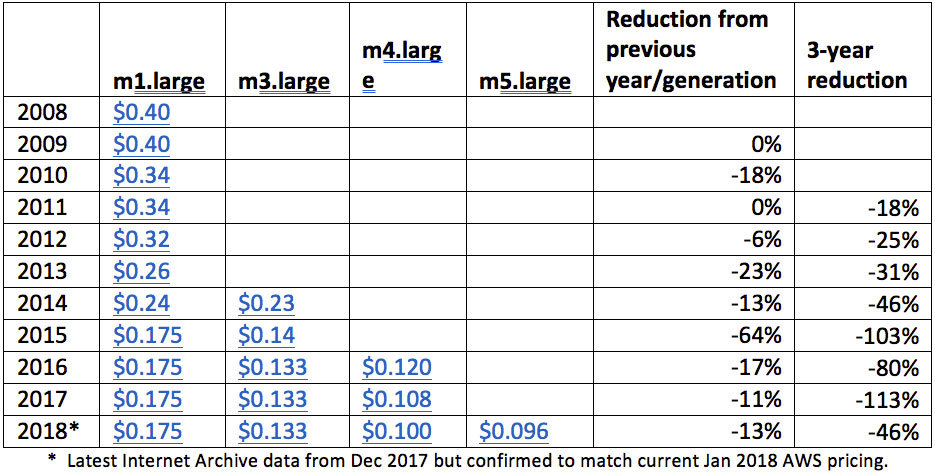
Choosing the right cloud provider impacts your business costs. Different providers offer varying prices and services. Understanding these differences helps in making informed decisions. Let’s explore some major cloud providers and their pricing models.
Major Cloud Providers
The cloud computing market has several key players. Amazon Web Services (AWS), Microsoft Azure, and Google Cloud Platform (GCP) are leaders. AWS offers extensive services and flexible pricing. Azure integrates well with Microsoft products, which many businesses use. GCP focuses on data analytics and machine learning. Each provider has unique strengths.
Cost Comparison Tools
Cost comparison tools help find the best pricing. These tools break down prices by service and usage. They show which provider offers the best deal for your needs. Tools like CloudHealth and CloudCheckr are popular. They provide detailed cost analysis and budgeting assistance. Using these tools can save money.
Service Level Agreements
Service Level Agreements (SLAs) are crucial. They define what the provider promises. This includes uptime and support services. AWS, Azure, and GCP have different SLAs. Understanding these agreements helps avoid unexpected costs. SLAs also outline compensation for service failures. Always review SLAs before choosing a provider.
Future Trends
The future of cloud computing is bright and constantly evolving. As technology advances, businesses seek cost-effective solutions. Cloud computing is no exception. Predicting future trends helps companies plan better. It also aids in optimizing costs.
Serverless Computing
Serverless computing is gaining traction. It eliminates the need to manage servers. Companies only pay for the resources they use. This reduces overall costs. It also allows for more flexibility in scaling. Developers focus on code rather than infrastructure. This trend simplifies operations and enhances efficiency.
Edge Computing
Edge computing brings data processing closer to users. This reduces latency and speeds up processes. It is essential for real-time applications. Edge computing decreases bandwidth costs. It also improves data security by reducing data transmission distances. The rise of IoT devices supports this trend. Businesses benefit from faster and more reliable services.
Sustainable Cloud Solutions
Sustainability is a growing concern in cloud computing. Companies aim to reduce their carbon footprint. Energy-efficient data centers are becoming the norm. Renewable energy sources power more facilities. Sustainable practices can lower operational costs. They also enhance a company’s reputation. This trend promotes a greener future for cloud computing.
Frequently Asked Questions
What Factors Affect Cloud Computing Costs?
Cloud computing costs depend on various factors like service models, provider pricing, and resource usage. Storage, bandwidth, and processing power also influence pricing. Understanding these elements helps businesses optimize expenses. Regularly reviewing usage and selecting the right plans can significantly reduce costs.
How Can Businesses Reduce Cloud Computing Expenses?
Businesses can reduce cloud computing expenses by optimizing resource allocation and monitoring usage. Implementing cost-effective strategies like reserved instances and auto-scaling can help. Regularly reviewing billing and adjusting plans ensures minimal wastage, allowing for cost savings while maintaining performance and efficiency.
Is Cloud Computing More Cost-effective Than Traditional It?
Cloud computing is often more cost-effective than traditional IT due to reduced infrastructure costs. It offers scalable resources, eliminating the need for physical hardware investment. Pay-as-you-go models provide financial flexibility. However, careful management is required to prevent unexpected expenses, ensuring cost efficiency over time.
What Is The Pay-as-you-go Pricing Model?
The pay-as-you-go model charges users based on actual usage, offering flexibility and scalability. It eliminates upfront costs and allows businesses to adjust resources as needed. This model is ideal for fluctuating demands, ensuring cost efficiency while avoiding over-provisioning and unnecessary expenses.
Conclusion
Cloud computing costs vary based on needs and usage. It’s essential to understand pricing models. Different providers offer various plans. Compare these options carefully. Choose what’s best for your budget and goals. Consider long-term value, not just immediate costs. Savings can be significant with careful planning.
Analyze your business requirements thoroughly. Ensure you get the most from your investment. Cloud services can be affordable. They offer flexibility and scalability. Make informed decisions to optimize expenses. Your business can thrive with the right cloud solutions. Remember, balancing cost with value is key.



