

Imagine a world where charging your smartphone is as simple as placing it on your desk. No more tangled cables or frantically searching for your charger before heading out.
Qi wireless technology brings this convenience to your fingertips, transforming how you power up your devices. If you’re curious about how Qi-enabled smartphones can simplify your life and enhance your tech experience, you’re in the right place. This article is packed with insights that reveal the magic behind wireless charging and how it’s reshaping the future of mobile technology.
Keep reading, and discover how you can embrace a wire-free lifestyle that’s both efficient and stylish.
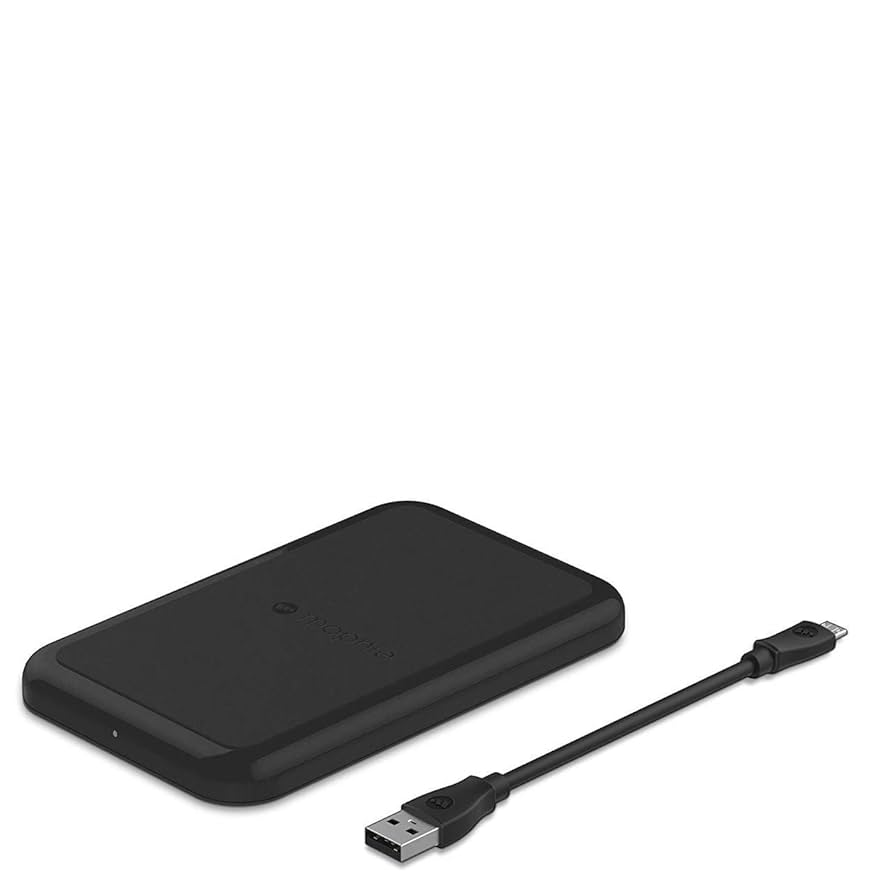
Credit: www.amazon.com
History Of Qi Wireless Charging
Qi wireless charging has transformed smartphone technology by enabling cable-free charging. First introduced in 2008, Qi technology allows smartphones to charge through electromagnetic fields. Major phone brands quickly adopted Qi, making wireless charging a standard feature in many devices today.
Wireless charging has gradually become a staple in modern smartphones, enhancing convenience for users worldwide. At the heart of this innovation lies Qi (pronounced “chee”) wireless charging technology. Let’s take a closer look at the intriguing history of Qi wireless charging and how it transformed the way you power up your devices.Origins And Development
The journey of Qi wireless charging began in 2008 with the formation of the Wireless Power Consortium (WPC). The WPC aimed to create a universal standard for wireless charging. This initiative brought together industry leaders to streamline and simplify charging processes across devices. Qi technology started with the principle of electromagnetic induction. This principle allows electricity to transfer between two coils, one in the charging pad and the other in the device. The technology evolved, focusing on efficiency and safety, ensuring your device charges without overheating. As the years progressed, Qi technology improved, allowing for faster charging speeds and more efficient energy transfer. Developers focused on making it compatible with a wide range of devices, paving the way for broader adoption.Adoption By Major Brands
Major smartphone brands quickly recognized the potential of Qi wireless charging. In 2012, Nokia was among the first to integrate this technology into its Lumia series. This move set a precedent for other companies to follow. Apple joined the Qi bandwagon in 2017 with the iPhone 8 and iPhone X. By doing so, they validated Qi as a standard, encouraging accessory manufacturers to produce Qi-compatible products. Samsung, on the other hand, had been an early adopter since 2015, integrating Qi technology into their flagship Galaxy models. This strategic adoption made wireless charging more accessible to millions of users worldwide. As more brands embraced Qi, it raised a question: how much longer will tangled charging cables remain a part of your life? With the convenience of simply placing your phone on a pad, Qi wireless charging could soon become the norm. Today, you can find Qi technology in a wide range of devices beyond smartphones, including smartwatches and earbuds. This growing ecosystem demonstrates the enduring impact of Qi wireless charging, shaping the future of how you power your gadgets.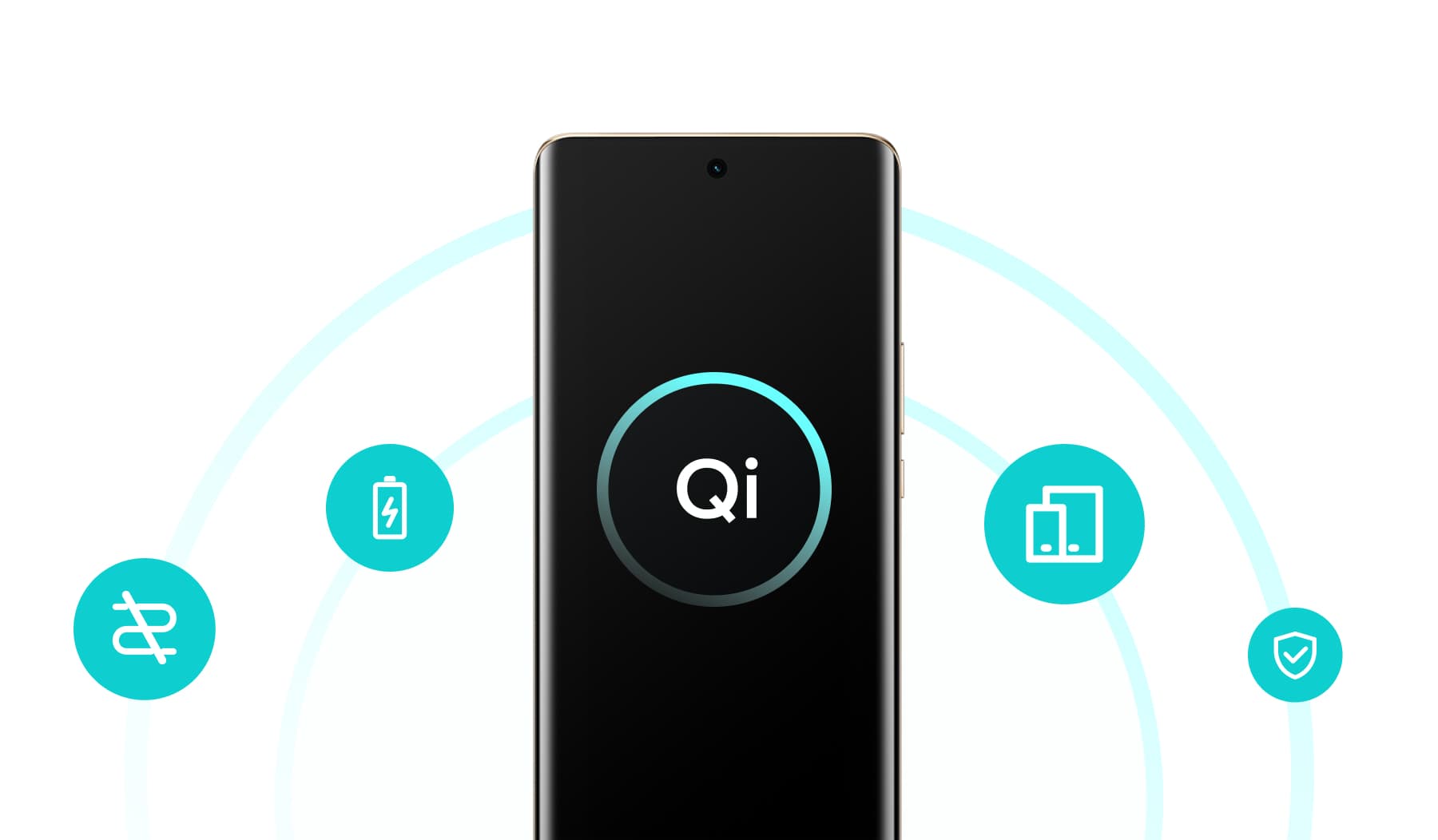
Credit: www.honor.com
How Qi Wireless Technology Works
Wireless charging is becoming common in modern smartphones. Qi wireless technology makes this possible. Understanding how Qi wireless technology works can be fascinating. It offers convenience and efficiency. This section will explore the basic principles and components of Qi technology.
Basic Principles
Qi technology uses electromagnetic fields to transfer energy. The process begins with a charging pad. The pad generates an electromagnetic field. The smartphone has a coil inside. This coil receives the energy from the pad. The energy is converted into electricity. This charges the battery wirelessly.
Qi technology is based on resonant inductive coupling. It allows efficient energy transfer. The charging pad and the phone must be close. This ensures effective energy transmission. The process is safe and reliable. It eliminates the need for cables.
Components Of Qi Technology
Several components make Qi wireless charging possible. The primary component is the charging pad. The pad contains a transmitter coil. This coil generates the electromagnetic field. It sends energy to the receiver in the phone.
The smartphone has a receiver coil. This coil captures the electromagnetic energy. It then converts it into usable electricity. The receiver is usually built into the phone. Some phones require a special case to enable wireless charging.
Another component is the control unit. It manages the power transfer process. It ensures safety and efficiency. The control unit regulates the energy flow. It prevents overheating and overcharging. Efficient communication between the pad and the phone is vital.
Benefits Of Qi Wireless Charging
Imagine a world where you no longer have to fumble with cables every time your phone needs charging. That’s the promise of Qi wireless charging. It offers a seamless experience, allowing you to charge your device simply by placing it on a charging pad. This technology is becoming increasingly popular, especially among smartphones. Let’s explore why Qi wireless charging is a game-changer.
Convenience And Ease
Qi wireless charging simplifies your life. You can charge your phone by merely placing it on a charging pad. No more tangled wires or searching for the right cable in the dark.
Think about those times when you’ve tried to plug in your phone at night, only to find you’re trying to fit the cable the wrong way. With Qi wireless charging, those moments are a thing of the past.
This convenience extends to public places too. Many cafes and airports now offer wireless charging stations. You can just set your phone down and enjoy a coffee while it charges.
Compatibility Across Devices
One of the major benefits of Qi wireless charging is its compatibility. It works across various devices, not just smartphones. Tablets, smartwatches, and even wireless earbuds can benefit from this technology.
Imagine having a single charging pad that can power up all your devices. It reduces clutter and saves time. You no longer need multiple chargers for different devices.
Consider how this impacts travel. Instead of packing several chargers, you can carry one Qi wireless pad. It’s lighter, and you have more space for other essentials.
Have you ever thought about how many chargers you have lying around your house? With Qi wireless charging, you can minimize this chaos. It’s an investment in simplicity.
Challenges And Limitations
Qi wireless charging offers convenience. But, it has challenges and limitations. Users should know efficiency concerns and physical constraints. Understanding these can help make better choices.
Efficiency Concerns
Wireless charging is less efficient than wired. It takes longer to charge. Energy loss happens during transfer. This can lead to higher electricity costs. Not ideal for quick power-ups. Users often need patience.
Physical Constraints
Qi charging needs close contact. Devices must align with the pad. Any gap reduces efficiency. Cases or covers can interfere. Charging stops if the device moves. This limits movement freedom. Users need a stable surface.
Qi Wireless Charging In Smartphones
Qi wireless charging is gaining popularity in smartphones today. It offers a convenient way to power devices without cables. Users place their phones on a charging pad. The pad transfers energy through electromagnetic fields. This technology makes charging effortless and clutter-free.
The ease of use is appealing to many users. No need to fumble with cords or ports. As more devices adopt this feature, its importance continues to grow. Many smartphone makers now include Qi wireless charging in their models.
Current Models And Features
Many current smartphones support Qi wireless charging. Popular brands like Apple, Samsung, and Google offer this feature. The iPhone 14 and Samsung Galaxy S23 have Qi compatibility. These devices provide fast and efficient charging. Charging speeds differ between models. Some support faster charging than others. Users enjoy the flexibility of charging without wires.
Qi charging pads are also becoming more advanced. Some pads can charge multiple devices at once. This feature is useful for users with many gadgets. As technology improves, charging times are getting shorter. This makes Qi charging more attractive to users.
Future Trends And Innovations
The future of Qi wireless charging looks promising. Experts predict even faster charging speeds. New materials may enhance energy transfer. This could lead to more efficient charging pads. Smartphone makers might integrate Qi charging into more devices.
Innovative designs are on the horizon too. Charging pads could become smaller and more portable. Some may even be built into furniture. Imagine charging your phone by placing it on a table. As technology advances, Qi wireless charging will likely become standard.
Impact On Consumer Behavior
Qi wireless enabled smartphones have changed how consumers charge their devices. This innovation impacts consumer habits and choices significantly. Wireless charging offers a new level of convenience. Consumers no longer depend on cables. This shift has led to noticeable changes in behavior and preferences. The impact is both subtle and profound.
Changes In Charging Habits
Wireless charging has made charging more accessible. Users can now charge without plugging in. This convenience changes daily routines. Many users place charging pads in key locations. Common spots include desks and nightstands. Devices can be charged at work or home easily. This reduces the need for multiple chargers.
With less cable clutter, users appreciate the simplicity. Wireless charging pads can charge multiple devices. This streamlines the process even more. As a result, users charge their phones more frequently. Quick, short charging sessions become the norm. People worry less about battery life. It’s a subtle yet impactful change.
Influence On Purchasing Decisions
Qi wireless enabled smartphones have influenced buying choices. Consumers now seek phones with this feature. It signals modern technology and convenience. This feature often sways undecided buyers. It’s an attractive selling point for many brands. Wireless charging compatibility is now a key consideration.
Buyers perceive these phones as future-proof. They align with the growing trend of wireless technology. In a competitive market, offering wireless charging is crucial. It can distinguish a brand from its rivals. Customers want ease and efficiency. Wireless charging offers both, impacting their purchase decisions.
Environmental Implications
Wireless charging, specifically Qi-enabled technology, has become increasingly popular among smartphone users. While the convenience factor is undeniable, it’s essential to consider the environmental implications of this innovation. How do these devices impact the planet? Let’s explore the potential benefits and challenges.
Reduction In E-waste
Traditional chargers often become obsolete with new phone models, contributing to the growing pile of electronic waste. Qi wireless technology standardizes charging, meaning you don’t need a new charger with each phone upgrade. This reduces the number of discarded cables and chargers.
Imagine fewer tangled cords cluttering your drawers. That’s fewer items ending up in landfills. It’s a small change with a big impact. Are you ready to cut down on e-waste with your next phone purchase?
Energy Consumption Considerations
Wireless charging is not always as energy-efficient as traditional plug-in chargers. Some energy is lost during the wireless transfer. However, improvements in Qi technology are continuously being made to enhance efficiency.
Have you ever thought about the energy your charging habits consume? By choosing Qi-enabled devices, you can contribute to pushing technology towards more sustainable energy use. Would you consider this when buying your next smartphone?
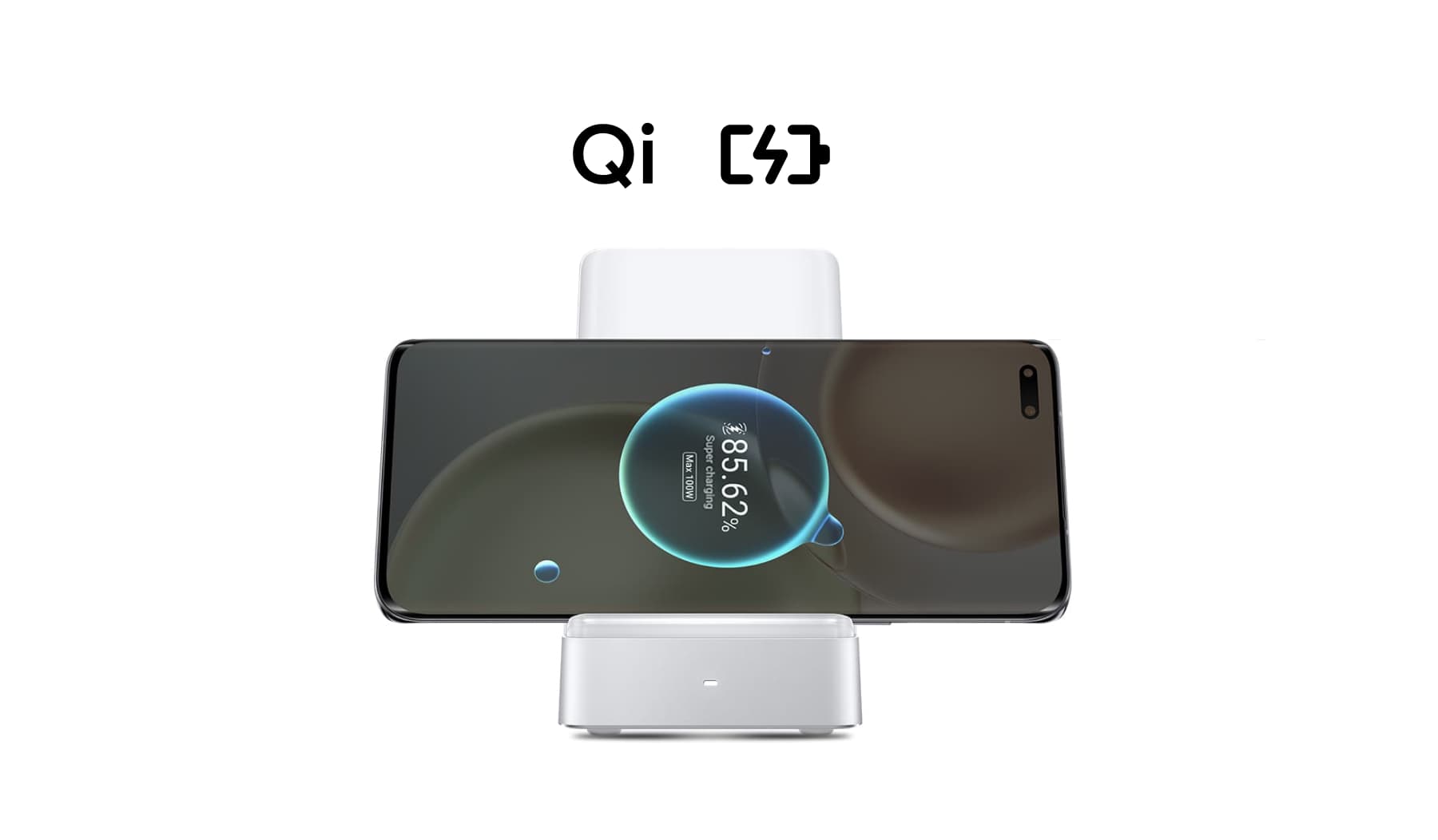
Credit: www.honor.com
The Future Of Wireless Charging
Wireless charging is changing how we power devices. Qi wireless technology is leading this transformation. It provides convenience and efficiency. The future holds exciting possibilities for this tech.
Advancements In Technology
Technology keeps improving fast. Qi wireless charging is becoming more efficient. New materials are boosting performance. Charging speeds are getting quicker. Devices can charge without overheating. These advances make wireless charging more reliable.
Designs are getting smarter. Phones can charge from a distance. This means less need to align devices perfectly. It reduces wear on charging ports. Future devices might charge while in pockets. This would be a major leap in usability.
Potential Market Expansion
Wireless charging is gaining popularity. More smartphones are Qi-enabled. This trend is increasing demand. Companies are investing in wireless tech. They aim to attract tech-savvy users.
Businesses see potential in public charging stations. Airports and cafes are adopting wireless solutions. This caters to the mobile generation. It creates new business opportunities. Wireless charging might become a standard feature in new phones.
Emerging markets are showing interest. As technology costs drop, adoption rates rise. This creates room for growth. The market expansion is promising. It could change how we charge every day.
Frequently Asked Questions
What Is Qi Wireless Charging?
Qi wireless charging is a technology standard for wirelessly charging devices. It uses electromagnetic fields to transfer energy. Simply place a Qi-enabled device on a compatible charger to power it. This eliminates the need for cords, offering convenience and reducing clutter.
Which Smartphones Support Qi Wireless Charging?
Many smartphones support Qi wireless charging, including models from Apple, Samsung, and Google. Popular devices like iPhone 12, Samsung Galaxy S21, and Google Pixel 5 are compatible. Always check the manufacturer’s specifications to confirm if your device supports Qi charging.
How Does Qi Wireless Charging Work?
Qi wireless charging works through electromagnetic induction. A Qi charger emits an electromagnetic field. The receiver in the smartphone captures this energy to charge the battery. This method enables power transfer without physical connectors, offering a seamless charging experience.
Is Qi Wireless Charging Safe?
Qi wireless charging is safe for everyday use. It includes multiple safety features like temperature control and power management. These features prevent overheating and overcharging, protecting both the device and the user. Always use certified chargers to ensure optimal safety and performance.
Conclusion
Qi wireless enabled smartphones offer great convenience. No more tangled cords. Place your phone down and watch it charge. It’s simple and efficient. Many brands now include this technology. Users enjoy the ease of use. Charging stations are appearing everywhere.
Airports, cafes, even cars have them. This trend continues to grow. More devices will support wireless charging. Simplifying daily life for everyone. A smart choice for modern living. Consider upgrading to a wireless charging phone. Experience the freedom of cord-free power.
It’s the future of smartphone technology.



