

Imagine a world where your business can grow seamlessly without the constant headache of infrastructure limitations. You’re no longer shackled by the constraints of physical servers or the nagging worry of outgrowing your current setup.
Scalable cloud computing offers you the freedom to expand and adapt with ease, ensuring your operations run smoothly no matter how fast you grow. Are you curious about how this revolutionary technology can transform your business? Do you want to learn how it can save you money, enhance your efficiency, and give you a competitive edge?
This article will dive into the ins and outs of scalable cloud computing, unraveling its potential to elevate your business to new heights. Stay with us as we explore how you can harness the power of the cloud to meet your unique needs and drive your success.
Credit: blogs.mulesoft.com
What Is Scalable Cloud Computing?
Scalable cloud computing has become an essential part of modern businesses. It allows companies to adjust their IT resources based on current needs, without the hassle of physical infrastructure changes. But what exactly does scalable cloud computing mean, and why should you care?
Understanding Scalability In Cloud Computing
Scalability in cloud computing refers to the capability to increase or decrease IT resources as needed. Think of it like adding or removing servers based on your traffic demands, but without any physical constraints. This means you can handle peak times efficiently and save costs during off-peak periods.
Types Of Scalability
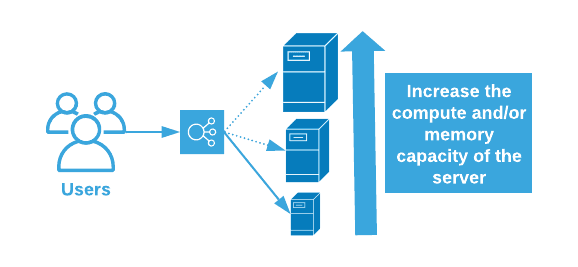
- Vertical Scalability:This involves adding more power to an existing machine, such as upgrading its CPU or RAM.
- Horizontal Scalability:This means adding more machines to handle increased load, effectively distributing the work across multiple devices.
Both types have their pros and cons, and the choice often depends on your specific application needs.
Benefits Of Scalable Cloud Computing
Scalability offers numerous benefits. It provides flexibility, allowing you to adapt quickly to changing demands. This can lead to cost savings, as you only pay for the resources you use.
Moreover, it enhances performance by ensuring your applications remain responsive during high demand. Isn’t it reassuring to know your business won’t crash during a big sale or product launch?
Real-world Example: Netflix
Consider Netflix, which uses scalable cloud computing to stream content to millions of users worldwide. During peak times, like when a new season of a popular show is released, Netflix scales up its resources to handle the surge in viewers.
This seamless experience is possible because of scalable cloud computing, ensuring viewers enjoy uninterrupted streaming.
How To Implement Scalable Cloud Solutions
Start small. Identify areas where scalability can have the most impact. It could be your website, application, or data storage.
Then, explore cloud providers like AWS, Google Cloud, or Azure, which offer scalable solutions. You might find their pay-as-you-go models appealing, especially if you’re working with a limited budget.
Curious about how scalable cloud computing can transform your business? Start by assessing your current IT needs and explore how scalability could provide both flexibility and cost-efficiency. Could this be the game-changer for your business growth?
Key Benefits
Scalable cloud computing offers numerous advantages. Businesses can benefit immensely. Understanding these benefits is crucial for growth. Let’s explore key benefits.
Cost Efficiency
Cloud computing reduces hardware expenses. You pay for what you use. No need for large upfront investments. This model is budget-friendly. Maintenance costs are minimized. Energy consumption is lower. Overall, it optimizes spending.
Flexibility And Adaptability
Cloud solutions are highly flexible. Adapt to changing business needs. Scale resources up or down easily. Meet demand without delays. Customize configurations swiftly. Businesses can pivot quickly. This adaptability is invaluable.
Improved Performance
Cloud platforms offer high-speed performance. Data is processed faster. Applications run smoothly. Downtime is significantly reduced. Reliable infrastructure enhances operations. Users experience optimal service. Performance boosts productivity.
Types Of Scalability
Scalable cloud computing offers two main types of scalability: vertical and horizontal. Vertical scalability increases resources in an existing server, while horizontal scalability adds more servers to handle increased demand. Both methods ensure efficient and flexible cloud service management.
Scalable cloud computing is a game-changer for businesses striving to grow without limits. But what does scalability truly mean for your operations? It’s the ability to handle increased load by adjusting resources, ensuring seamless performance. Understanding the types of scalability helps you make informed decisions. Let’s dive into the three main types: Vertical, Horizontal, and Diagonal Scaling.Vertical Scaling
Vertical scaling is like upgrading your computer—adding more power to a single machine. Imagine you need to increase the memory or processing power of your server. This approach is straightforward and often quick. It’s perfect for applications that require enhanced performance without changing the architecture. However, vertical scaling has limits. You can only upgrade a machine so much before hitting physical boundaries. Think about whether a single machine can meet your future demands. Vertical scaling is best when you need a short-term boost or have predictable workloads.Horizontal Scaling
Horizontal scaling involves adding more machines to your setup, like assembling a team to tackle larger tasks. This method distributes the load, making it ideal for applications with varying demands. By adding more servers, you can handle more requests, ensuring high availability and reliability. This approach offers flexibility. You can scale out quickly when traffic spikes and scale back when it decreases. But it requires good coordination and may need architectural changes. Ask yourself: is your application ready for distributed processing? Horizontal scaling shines in environments where you anticipate growth.Diagonal Scaling
Diagonal scaling combines the best of both worlds—upgrading existing machines while adding new ones. It’s a hybrid approach that offers flexibility and resilience. You can enhance current resources while expanding your infrastructure to meet demand. This strategy provides balance. You’re not solely reliant on upgrading or adding. Instead, you can adapt based on real-time needs. Consider your growth trajectory and resource availability. Diagonal scaling is effective when you need both immediate performance and long-term expansion. Which type of scalability best fits your business? Each has its strengths, and choosing the right one can significantly impact your success. Assess your current situation and future goals to decide. Remember, scalability is not just about growth; it’s about efficient growth.
Credit: www.ironorbit.com
Challenges And Solutions
Scalable cloud computing faces issues like resource allocation and data management. Effective solutions include dynamic scaling and efficient storage systems. These strategies ensure seamless performance and cost efficiency, adapting swiftly to changing demands and workloads.
Scalable cloud computing has transformed the way businesses operate, offering flexibility and efficiency. However, with these advantages come challenges that need thoughtful solutions. Addressing these challenges head-on can make your cloud journey smoother and more secure.Security Concerns
Security in the cloud is a major concern for many businesses. The thought of storing sensitive data off-site can be intimidating. But don’t let fear hold you back. Implementing strong security protocols is essential. Encryption, multi-factor authentication, and regular security audits can help safeguard your data. Would you entrust your home to a lock that hasn’t been tested? Consider partnering with cloud providers known for their robust security measures. This can offer peace of mind and allow you to focus on what you do best.Data Management
Efficient data management in the cloud is crucial. Data silos can lead to inefficiencies and missed opportunities. How do you ensure your data is accessible yet secure? Using a centralized data management system can streamline processes. This approach not only enhances collaboration but also improves data integrity. Regularly assess your data management strategy. Are you making the most of your data, or is there room for improvement?Compliance And Regulations
Navigating the maze of compliance and regulations can be daunting. Different industries face different requirements, and keeping up can be a full-time job. Stay informed about the regulations that affect your business. This knowledge can prevent costly fines and protect your reputation. Cloud providers can assist with compliance, but the responsibility ultimately lies with you. Are you confident in your compliance strategy, or is it time for a review? In tackling these challenges, you’re not just adopting cloud computing—you’re optimizing it to serve your business goals effectively.Emerging Technologies
Scalable cloud computing is evolving with emerging technologies. These advancements reshape how businesses operate and innovate. With powerful tools, companies can boost efficiency and productivity. Let’s explore some of these technologies.
Edge Computing
Edge computing processes data closer to the source. This reduces latency and improves speed. It allows real-time data analysis. Businesses benefit from faster decision-making. Edge computing enhances user experiences and supports IoT devices. This approach reduces bandwidth costs and increases reliability.
Serverless Architecture
Serverless architecture removes the need to manage servers. Developers focus on writing code. This reduces infrastructure concerns. It offers automatic scaling and cost efficiency. Businesses pay only for the resources they use. This flexibility suits dynamic workloads. Serverless solutions support rapid deployment.
Ai And Machine Learning Integration
AI and machine learning enhance cloud computing capabilities. They automate processes and provide valuable insights. These technologies improve data analysis and pattern recognition. Businesses gain competitive advantages through smarter decisions. AI-driven tools optimize resource management. Machine learning models help predict trends and outcomes.
Industry Applications
Scalable cloud computing transforms industries by providing flexible and efficient solutions. Different sectors use this technology to enhance operations and reduce costs. Let’s explore how cloud computing impacts healthcare, finance, and e-commerce.
Healthcare
Healthcare benefits significantly from scalable cloud computing. Medical data is stored securely and accessed easily. Doctors can access patient records anytime, anywhere. This improves patient care and decision-making. Cloud computing supports telemedicine services too. Patients consult doctors remotely, saving time and resources. Scalable solutions help manage large data sets from research studies. This accelerates medical advancements.
Finance
The finance industry demands reliability and security. Scalable cloud computing meets these needs effectively. Financial institutions process large transactions quickly. They analyze data in real-time to make informed decisions. Risk management becomes more efficient. Cloud solutions offer robust security measures for sensitive data. They ensure compliance with regulations. This builds trust with clients.
E-commerce
E-commerce thrives on scalability. Online stores handle varying customer demands effortlessly. Cloud computing supports high traffic during sales and promotions. Inventory management becomes more efficient. Businesses track products and customer preferences easily. This enhances the shopping experience. Cloud solutions provide tools for data analysis. E-commerce companies understand market trends better. They tailor offerings to customer needs.
Future Trends
Scalable cloud computing is shaping future technological landscapes by offering adaptable resources for businesses. This technology ensures efficient data management and supports the dynamic needs of modern enterprises, paving the way for innovation and growth.
The world of scalable cloud computing is ever-evolving, bringing new possibilities and challenges. As technology advances, future trends promise to reshape how we think about computing. These trends will not only impact businesses but also everyday users like you and me.Sustainability In Cloud Computing
Cloud computing is becoming greener. Companies are focusing on reducing their carbon footprint by using renewable energy sources to power data centers. You might not see it directly, but this shift can significantly reduce global emissions. Choosing a cloud provider with a strong commitment to sustainability can make your business more eco-friendly. Imagine using a service that helps you save money and the planet simultaneously. Are you considering the environmental impact of your digital footprint?Quantum Computing Potential
Quantum computing is on the horizon, promising to revolutionize problem-solving. It can process information at unimaginable speeds, tackling tasks that are impossible for traditional computers. As it integrates with cloud computing, the potential for breakthroughs in fields like medicine and security is immense. Think about how quantum cloud services could impact your industry. The ability to solve complex problems quickly could transform your operations. Are you ready for the quantum leap?Global Expansion
Cloud providers are expanding their reach globally. This growth means more data centers closer to users, improving speed and reliability. Whether you’re a business owner or a consumer, this can enhance your digital experience. Picture accessing your files faster, no matter where you are in the world. This expansion also opens doors for businesses to enter new markets with ease. How will you leverage this global reach to your advantage? As you explore these trends, consider how they might affect your future interactions with technology. The cloud is not just a tool; it’s a gateway to innovation and progress. Are you prepared to embrace the future of cloud computing?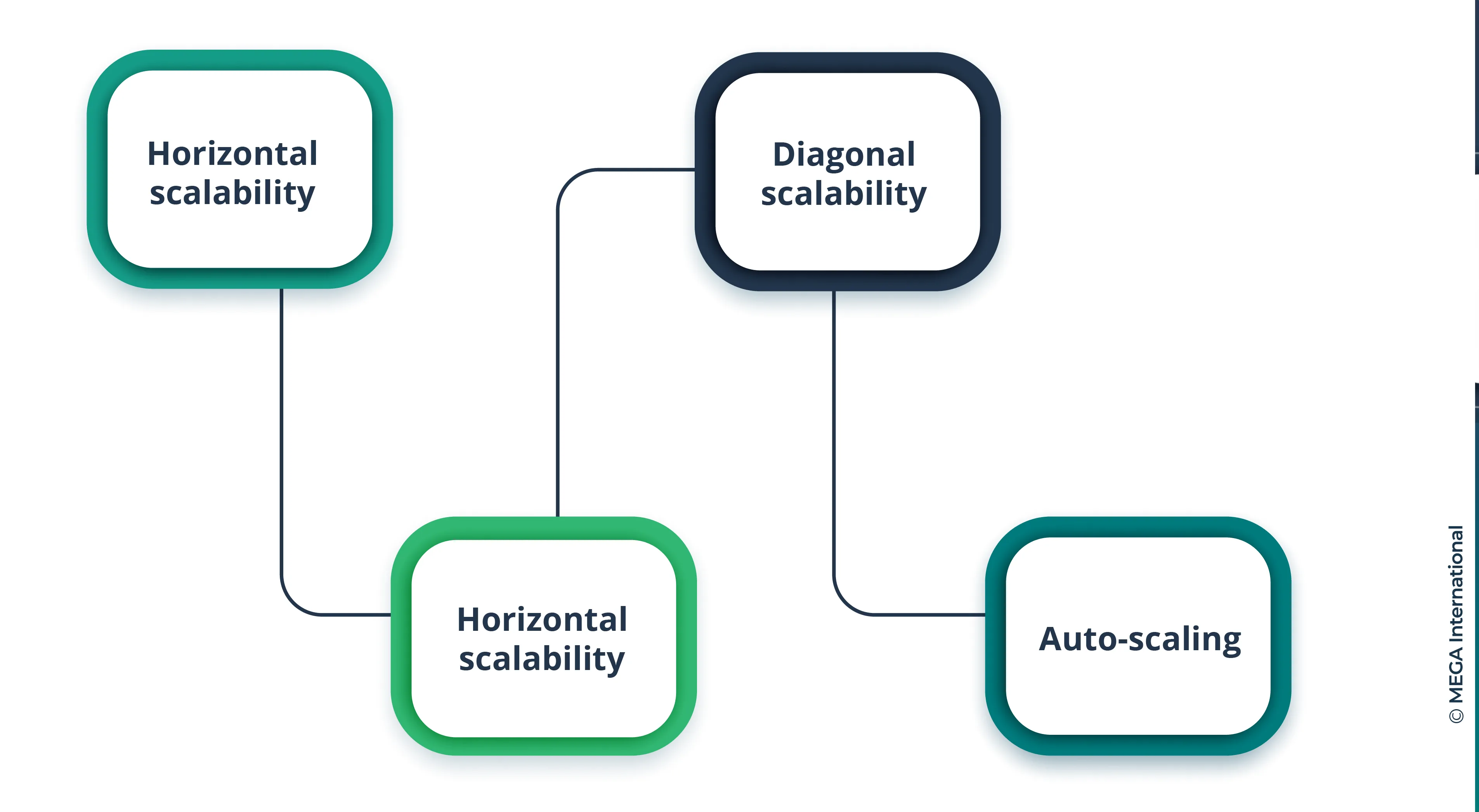
Credit: www.mega.com
Frequently Asked Questions
What Is Scalable Cloud Computing?
Scalable cloud computing refers to the ability to expand computing resources seamlessly. It ensures that businesses can handle increased workloads without downtime. This technology offers flexibility and cost-effectiveness, allowing companies to pay only for what they use.
Why Is Scalability Important In Cloud Computing?
Scalability is crucial because it supports business growth and fluctuating demands. It ensures optimal performance during peak times. Companies can adjust resources based on real-time needs, improving efficiency and reducing costs.
How Does Cloud Computing Achieve Scalability?
Cloud computing achieves scalability through virtualization and automated resource management. It uses distributed computing environments to allocate resources efficiently. This ensures that businesses can scale up or down based on demand, maintaining performance.
What Are The Benefits Of Scalable Cloud Solutions?
Scalable cloud solutions offer flexibility, cost savings, and improved performance. They adapt to changing business needs and reduce infrastructure costs. Businesses can focus on growth without worrying about technical limitations.
Conclusion
Scalable cloud computing offers flexibility and efficiency. Businesses can easily adjust resources. This saves costs and improves performance. It supports growth without hardware limits. Users experience smoother operations and faster access. Security features protect valuable data. This technology adapts to changing needs.
Companies benefit from increased collaboration and innovation. Scalable solutions enhance productivity and reduce downtime. Organizations stay competitive in a digital world. The future of computing is cloud-based. Embrace this opportunity for better outcomes and streamlined processes. Scalable cloud computing meets modern demands effectively.



