

Have you ever caught yourself reaching for your smartphone without thinking? You’re not alone.
As we move into 2024, smartphone addiction is more prevalent than ever. It’s affecting how you connect with others, focus on tasks, and even how you sleep. But how widespread is this issue, really? If you’re curious about the latest statistics and what they mean for you, this article is for you.
You’ll discover shocking numbers that may change how you view your screen time. By the end, you’ll have a clearer picture of how smartphones are shaping your life and what you can do to take control. Ready to dive in and uncover the truth behind your smartphone habits? Keep reading.
Rising Screen Time
In 2024, the phenomenon of rising screen time is capturing global attention. With the constant buzz of notifications, smartphones have become an inseparable part of our daily routine. It’s no longer just about staying connected; it’s about how these devices are shaping our lives, health, and relationships.Have you ever checked your screen time and felt shocked by the hours spent scrolling? You’re not alone. This year, the statistics reveal a significant increase in average daily screen time globally, highlighting a trend that’s hard to ignore.
Global Increase In Screen Time
Recent studies show that people are now spending, on average, over five hours a day on their smartphones. This is a noticeable jump compared to previous years. The increase can be attributed to the growing dependence on mobile apps for work, entertainment, and social interactions.
Countries like the USA and India are leading with the highest screen time. This shift raises questions about its impact on productivity and mental health. Are we becoming too dependent on our digital devices?
Excessive screen time is linked to increased anxiety and stress levels. Many individuals report feeling overwhelmed after prolonged usage. It’s a pressing concern, especially among teenagers, who are more vulnerable to the effects of digital overload.
Parents are noticing changes in their children’s behavior. Are we equipping ourselves with the right tools to balance digital and real-life interactions?
Changing Social Dynamics
Smartphones have altered how we communicate with each other. Face-to-face interactions are often replaced by digital conversations. This shift has impacted the quality of our relationships, making it crucial to find a balance.
While technology connects us, it can also isolate us. How do we ensure our digital interactions don’t replace real-world connections?
Practical Tips To Manage Screen Time
Set daily screen time limits on your devices. Many smartphones now offer features to help you track and manage usage. Use them to maintain a healthy balance.
Prioritize offline activities that you enjoy. Whether it’s reading a book or going for a walk, ensure you dedicate time to activities that don’t involve screens.
Encourage family and friends to join you in digital detox sessions. It’s easier to manage screen time when you have a support system.
Consider this: How can you adjust your habits to ensure you’re not just connected, but truly engaged with the world around you?
Impact On Mental Health
Smartphones are now a part of our daily lives, but their impact on mental health is increasingly concerning. The statistics from 2024 reveal a troubling link between smartphone use and mental health issues. As you scroll through social media or check notifications, have you considered how this affects your mental state? Let’s dive into how smartphone addiction is affecting mental health, particularly focusing on anxiety and depression, and sleep disruption.
Anxiety And Depression
Smartphone addiction can heighten anxiety and depression. Constant notifications can make you feel overwhelmed and anxious. This leads to a cycle where you feel the need to check your phone even more. Imagine feeling anxious just because you haven’t checked your phone in the last few minutes.
A study showed that excessive smartphone use correlates with higher rates of depression. If you find yourself feeling low after scrolling through social media, you’re not alone. Many people experience similar feelings due to constant comparisons with curated online lives.
It’s essential to ask yourself: is your smartphone making you happier or more stressed? Understanding your usage can help mitigate these feelings. Try setting boundaries for screen time to see if your mood improves.
Sleep Disruption
The impact of smartphone addiction on sleep is significant. Bright screens before bedtime can disrupt your natural sleep cycle. This blue light tricks your brain into thinking it’s daytime, making it harder to fall asleep.
Studies have shown that people who use their phones late at night sleep less and have poorer sleep quality. Have you ever felt groggy in the morning despite getting a full night’s sleep? Your smartphone might be the culprit.
Consider implementing a digital curfew—put your phone away an hour before bed. This simple act can improve your sleep quality and overall mental health. Your bed should be for rest, not for scrolling.
These insights highlight the importance of managing smartphone use for better mental health. How will you change your habits to protect your mental well-being?
Effects On Physical Health
Smartphone addiction is a growing concern. It affects physical health in various ways. Many people spend hours on their phones daily. This continuous use can lead to serious health issues. These problems are becoming more common. Understanding them can help in finding solutions.
Eye Strain Issues
Prolonged screen time can cause eye strain. Users often experience dry eyes. Blurred vision is also a common complaint. The blue light emitted by screens impacts sleep. It disrupts the body’s natural rhythm. Many users feel tired and unrefreshed. Frequent breaks can help reduce eye strain.
Sedentary Lifestyle Concerns
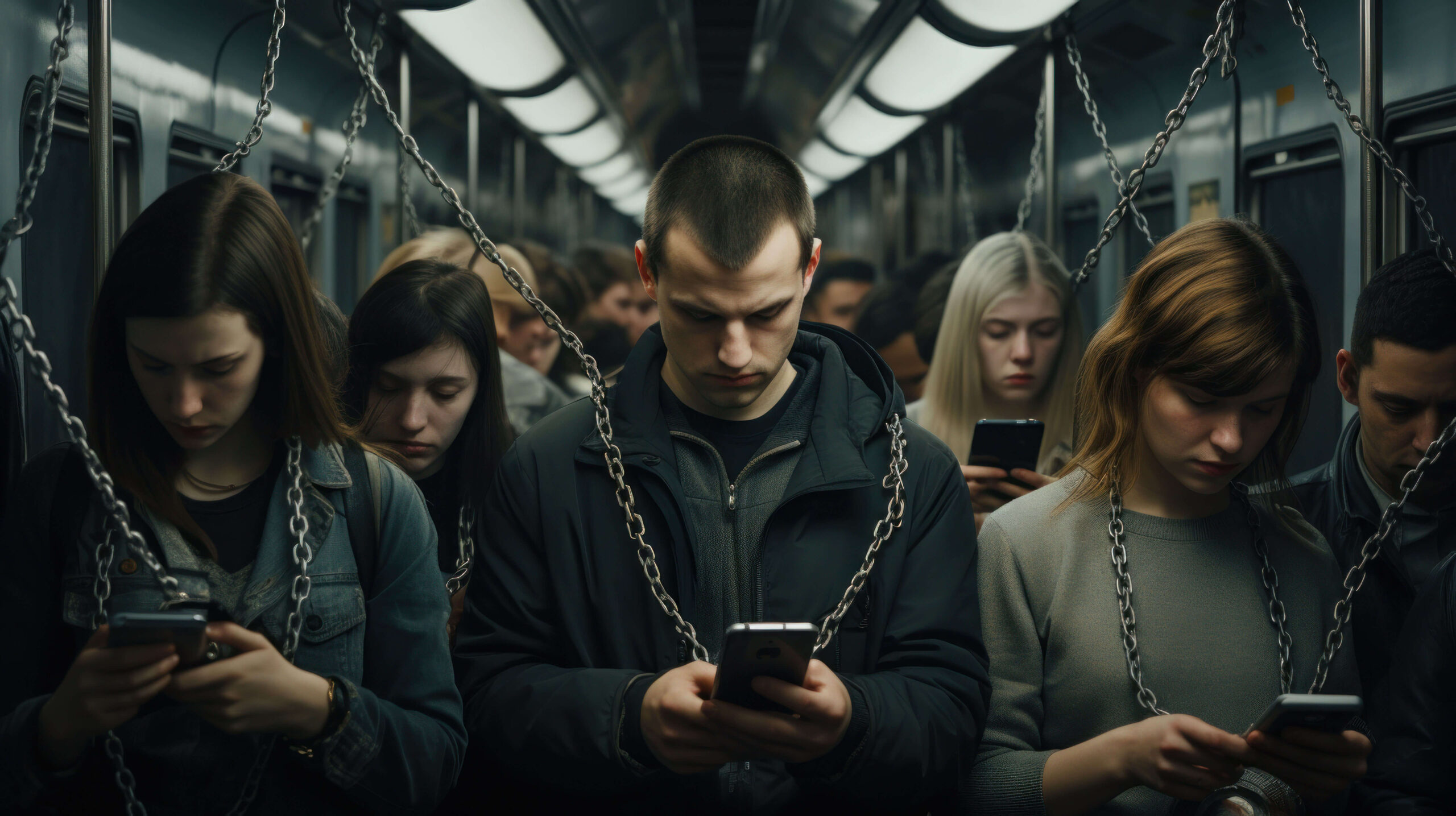
Smartphone addiction promotes inactivity. People spend more time sitting. This leads to a sedentary lifestyle. Physical inactivity can lead to weight gain. It increases the risk of heart diseases. Regular movement is crucial for health. Simple exercises can make a big difference. Stand up and stretch often.
Credit: virtual-addiction.com
Social Interaction Changes
Smartphone addiction continues to reshape how we interact socially. In 2024, statistics show a shift in how people connect. More individuals are choosing screens over face-to-face interactions. This change impacts relationships significantly. Understanding these changes is essential for adapting to our evolving world.
Decreased Face-to-face Communication
Face-to-face communication has declined with smartphone use. People often prefer texting to speaking in person. This trend reduces opportunities for personal interaction. Less eye contact and fewer real conversations happen. These shifts can weaken bonds between friends and family.
The constant presence of smartphones distracts from meaningful connections. Notifications interrupt discussions, pulling attention away. This habit can make in-person meetings feel less important. Over time, people might lose essential social skills.
Influence On Relationships
Smartphone addiction alters relationship dynamics. Partners may feel neglected due to constant screen time. This can lead to misunderstandings and conflicts. The lack of quality time together can strain romantic connections.
Family relationships also face challenges. Parents and children may bond less if screens dominate their time. This can create emotional distance, affecting family harmony. It’s crucial to balance digital interactions with real-world connections.
Productivity And Work-life Balance
In recent years, smartphone addiction has raised concerns about productivity and work-life balance. Many individuals find it challenging to separate work from personal life. This often leads to stress and reduced efficiency. Understanding smartphone addiction statistics in 2024 helps us address these issues effectively.
Distractions At Work
Smartphones can interrupt work tasks. Frequent notifications draw attention away from work. This constant distraction lowers concentration levels. Employees may take longer to complete tasks. Productivity suffers as a result. Studies show that smartphone alerts can reduce work performance by 40%. It affects both quality and speed of work.
Boundary Blurring
Smartphones blur the line between work and personal life. Many people check work emails after hours. This habit disrupts family time. It also leads to burnout over time. A 2024 survey revealed 75% of workers struggle with this. They feel they are always “on the clock.” This constant connectivity affects overall happiness and mental health. Finding balance becomes more challenging with each passing year.

Credit: www.coniferpark.com
Age And Demographic Differences
Smartphone addiction continues to rise. Age and demographic differences reveal varied usage patterns. Teenagers and the elderly exhibit distinct behaviors and challenges. Understanding these differences helps address smartphone addiction effectively.
Teen Usage Patterns
Teens are the most active smartphone users. They spend hours scrolling social media. Many use smartphones for schoolwork and entertainment. Overuse can affect sleep and mental health. Social pressure increases their screen time. Teens often face cyberbullying and privacy issues. Monitoring usage can help reduce negative impacts.
Elderly Adaptation
Elderly users show growing smartphone interest. Many use phones for communication with family. Smartphones offer health monitoring and emergency assistance features. Learning new technology can be challenging. Apps designed for simplicity can aid adaptation. Seniors benefit from online shopping and news access. Encouraging use can improve quality of life.
Global Trends
Smartphone addiction is rising across the globe in 2024. People spend more time glued to screens. This trend shows no signs of slowing. Many rely on their phones for daily tasks. Social media, gaming, and apps pull users in. The need for constant connectivity drives this behavior. But there’s more to explore when we look deeper. Let’s dive into regional variations and cultural influences.
Regional Variations
Smartphone use varies by region. In Asia, usage rates are the highest. Many people there depend on smartphones for work and play. Europe shows steady growth in smartphone addiction. People use their devices for both personal and professional tasks. North America sees a mix of heavy and moderate users. Younger generations are more attached to their phones. In Africa, smartphone use is rising quickly. Many rely on phones as their primary internet source. Each region has unique patterns and challenges.
Cultural Influences
Culture affects how people use smartphones. In Asia, fast-paced life drives higher usage. In the West, social media influences usage patterns. Many use smartphones to stay connected with friends. In Latin America, family connections play a role. People use smartphones to keep in touch with loved ones. Cultural norms and values shape smartphone habits. Understanding these influences helps explain global trends.
Countermeasures And Solutions
Addressing smartphone addiction in 2024 involves practical steps. Limiting screen time and encouraging face-to-face interactions can help. Parents and educators play key roles in promoting healthy phone habits.
Smartphone addiction is increasingly recognized as a significant issue in modern society. While technology enriches our lives, it also poses challenges when it comes to maintaining a healthy balance. Countermeasures and solutions are crucial to help manage and reduce addiction. This section highlights practical strategies that can guide you towards a healthier relationship with your smartphone.Digital Detox Strategies
Digital detox is an effective way to reduce smartphone dependency. Start by setting specific times for phone use and designate tech-free zones in your home. You could choose to avoid screens during meals or before bedtime, fostering more meaningful interactions with family and friends. Consider taking short breaks from technology each week. You might find that a weekend hike or a day at the beach offers the perfect escape. These small steps can help you regain control and appreciate the real world around you. What would life be like if you freed up just one hour a day from your phone? Imagine the possibilities for hobbies, exercise, or simply enjoying nature.Technological Interventions
Technology itself can offer solutions to addiction. Use apps designed to limit screen time or track usage patterns. These tools can provide insights into your habits and encourage healthier behaviors. Setting limits on app usage can be empowering. For example, you can restrict social media to 30 minutes a day. This small adjustment can significantly reduce your screen time without sacrificing connectivity. Explore features already available on your device. Many smartphones include “Do Not Disturb” modes or bedtime settings. These can be tailored to reduce distractions and help you focus on other activities. Why not take control of your notifications? Adjust settings to minimize interruptions and regain your focus. You’ll be amazed at how much more present you can be in your daily life. Taking proactive steps to manage smartphone use can lead to a more balanced and fulfilling lifestyle. Which strategies will you try first?
Credit: www.slicktext.com
Frequently Asked Questions
What Is Smartphone Addiction?
Smartphone addiction is the compulsive use of smartphones affecting daily life. It disrupts social interactions, work, and sleep. Individuals often feel anxious when without their phones. This behavior can lead to negative mental health effects. Understanding and managing usage can help mitigate addiction.
How Common Is Smartphone Addiction?
Smartphone addiction is increasingly common worldwide. Research shows that over 40% of adults exhibit addictive behaviors. Younger generations, especially teenagers, are more affected. Social media and gaming apps are major contributors. Awareness and self-regulation can help reduce dependency.
What Are The Signs Of Smartphone Addiction?
Signs include excessive screen time, neglecting responsibilities, and withdrawal symptoms. Users often check their phones impulsively and feel anxious when offline. Sleep disturbances and decreased productivity are common. Recognizing these signs early can prompt positive change and healthier habits.
How Does Smartphone Addiction Affect Health?
Smartphone addiction negatively impacts mental and physical health. It leads to anxiety, depression, and stress. Excessive use can cause eye strain and sleep disturbances. Physical inactivity from prolonged use may affect overall well-being. Balancing screen time is crucial for health.
Conclusion
Smartphone addiction is growing rapidly. The statistics for 2024 are alarming. More people spend hours glued to screens. This affects health and relationships. It’s crucial to recognize the signs. Limiting screen time can help. Encourage breaks and real-life connections. Parents should monitor children’s usage.
Adults need awareness too. Technology is useful, but moderation is key. Balance improves quality of life. Start small, like setting time limits. Prioritize activities outside screens. Focus on mindful usage. Stay informed about new trends. Together, we can reduce smartphone dependence.
Let’s embrace healthier habits for a better future.



