

Can you imagine a world without smartphones? It’s a tough question, considering how integral these devices are to your daily life.
But before you could call, text, or browse the internet from the palm of your hand, there were other groundbreaking inventions that paved the way for the smartphones you rely on today. Curious about what came before your beloved device?
This brief exploration into smartphone predecessors will take you through a fascinating timeline of technology that shaped the future of communication. Get ready to discover the forgotten gadgets and innovations that led to the sleek, powerful smartphone resting in your pocket. You might be surprised at how much your current tech owes to its predecessors. Dive in, and let’s uncover the past together.
Credit: www.sammobile.com
Early Communication Devices
Before smartphones, communication was more basic and less mobile. People relied on devices that changed how we connected. These early communication devices laid the groundwork for modern technology.
Telegraph: The First Long-distance Communicator
The telegraph was a groundbreaking invention in the 19th century. It used electrical signals to send messages across wires. Samuel Morse’s Morse code made it possible. This code used dots and dashes to represent letters. The telegraph connected cities and countries like never before.
Telephone: Voice Over Wires
Alexander Graham Bell invented the telephone in 1876. It allowed people to talk over long distances. Voices traveled through wires, making communication more personal. The telephone became a household staple. It was a leap from text-based messages to real-time conversations.
Radio: Wireless Sound
Radio brought sound without wires to the masses. Guglielmo Marconi’s work in the early 20th century made it possible. Radio waves carried music, news, and voices through the air. It reached people in their homes, cars, and even on ships. The radio was the first step towards wireless communication.
Pagers: Portable Alerts
Pagers became popular in the 1980s. They were small devices that received messages. Doctors and business people often used them. Pagers buzzed or beeped to alert the user of a message. They were portable, making communication on-the-go possible.
Early Mobile Phones: The First Steps
The first mobile phones were large and heavy. They came out in the 1980s and 1990s. These phones allowed calls without wires, but had limited range and battery life. They paved the way for the modern smartphones we use today.
The Rise Of Mobile Phones
The rise of mobile phones marks a significant chapter in the evolution of communication technology. It’s hard to imagine a world where instant connectivity wasn’t at our fingertips. Yet, the journey from bulky devices to sleek smartphones was marked by fascinating milestones and game-changing innovations. This era transformed not just the tech landscape but also our daily lives.
The First Mobile Call
Imagine the excitement when the first mobile call was made on April 3, 1973. Martin Cooper, a Motorola executive, dialed his rival at AT&T using a prototype device. This call didn’t just connect two people; it connected the world to the possibilities of mobile communication. Think of it as the first step towards the freedom we enjoy today.
Back then, phones were far from portable. They were heavy, and calls cost a fortune. Yet, this groundbreaking moment set the stage for what was to come. It was proof that phones didn’t need wires, sparking a wave of innovation.
Emergence Of Portable Handsets
Fast forward to the 1980s, and portable handsets began to emerge. These devices were still quite large and had limited functionality. But they offered something unprecedented—mobility. Suddenly, people could make calls from their cars or even while walking down the street.
Manufacturers raced to create more compact designs. By the 1990s, phones became more accessible, gradually shrinking in size and growing in popularity. You might remember the iconic flip phones that became a status symbol. Owning one was more than just having a phone; it was about being part of a technological revolution.
Reflecting on these developments, it’s fascinating to see how far we’ve come. From the first mobile call to the era of portable handsets, each step paved the way for the smartphones we rely on today. It begs the question: What technological advances are yet to come? As you hold your smartphone, consider its journey and the minds that crafted this incredible tool.
The Advent Of Digital Phones
Smartphones have become a staple in our daily lives, but their journey began long before the sleek devices we carry today. The advent of digital phones marked a significant milestone in this evolution. It was a transformative period that shifted the way we communicated, laying the groundwork for the advanced mobile technology we now enjoy. Let’s explore the transition from analog to digital and the benefits that digital networks brought to the table.
Transition From Analog To Digital
Analog phones were once the norm, transmitting voice signals in a continuous wave format. They offered basic communication but were limited in capacity and clarity.
Digital phones emerged as a game-changer. They converted voice signals into binary data, allowing more efficient transmission over networks. This shift improved sound quality and reduced interference, making conversations clearer.
Have you ever wondered how your calls are so crystal clear now? That’s thanks to this digital transition. It wasn’t just about technology advancement; it was about enhancing user experience.
Benefits Of Digital Networks
Digital networks brought numerous advantages that analog systems couldn’t. They allowed multiple conversations to occur simultaneously on a single channel. This increased network capacity significantly.
Security was another major benefit. Digital encryption made eavesdropping much harder, ensuring your private conversations stayed private.
Think about the seamless connectivity you enjoy today. Digital networks are the backbone of this efficiency, supporting everything from voice calls to data-heavy applications.
Imagine trying to stream a video or send a large file on an old analog system. Digital phones made these tasks possible, expanding the horizon of mobile communication.
As we reflect on these advancements, consider how digital phones have paved the way for the smartphones we love. How have these changes impacted the way you communicate today?
Pda: The Personal Digital Assistant
Before smartphones, PDAs were the stars. They were small devices fitting in pockets. People used them to organize schedules and contacts. PDAs were the early steps toward smart tech. They paved the way for future mobile devices. Their influence remains significant even today.
Features Of Early Pdas
Early PDAs had basic but useful features. Touchscreens were common. They allowed users to write with a stylus. Handwriting recognition was a standout feature. PDAs also had simple apps for notes and calendars. Some models included email and internet access. They were portable and easy to use.
Impact On Mobile Technology
PDAs set the foundation for today’s mobile tech. They introduced touchscreens to the world. This feature is now essential in smartphones. PDAs showed how useful handheld devices could be. They sparked interest in mobile computing. Their influence is evident in every modern smartphone. PDAs proved that technology could fit in your pocket.
The Birth Of Feature Phones
The birth of feature phones marked a crucial milestone. These devices bridged the gap between basic mobile phones and smartphones. They introduced users to more advanced functionalities. Feature phones were not just about making calls. They offered a glimpse into the future of mobile technology. With enhanced capabilities, they became essential tools. People began to rely on them for more than just communication.
Popular Models And Brands
Several models stood out during the feature phone era. Nokia was a leading brand with robust designs. The Nokia 3310 was famous for its durability. Ericsson also made a mark with sleek models. Motorola introduced the iconic Razr with a flip design. Each brand had unique features that attracted users. These phones were known for long battery life and reliability. They dominated the market before smartphones took over.
Introduction Of Sms And Basic Apps
Feature phones brought SMS into the mainstream. Text messaging changed communication forever. It was faster than making calls. People could connect instantly across distances. Basic apps also appeared on feature phones. Users could play simple games like Snake. Alarms and calculators were standard features. These additions made phones more useful daily. Users began expecting more from their mobile devices.
Credit: www.wired.com
Convergence With Smartphones
Early mobile phones paved the way for smartphones. These bulky devices could only make calls. Over time, they evolved to include features like SMS and basic games.
The journey from bulky, monochrome devices to sleek, multifunctional smartphones is nothing short of fascinating. The convergence of various technologies into what we now call smartphones didn’t happen overnight. It was a gradual process, marked by significant innovations and integrations. As you read on, you’ll discover how the integration of the internet and multimedia, along with precursors to modern smartphones, paved the way for the gadgets we can’t live without today.Integration Of Internet And Multimedia
The integration of the internet with mobile devices was a game-changer. Early mobile phones could only send and receive calls and messages. But as internet capabilities were added, the possibilities expanded exponentially. Imagine the first time you could check your email on your phone. It felt like magic. Suddenly, the world was at your fingertips—news updates, social media, and online shopping were just a click away. Adding multimedia capabilities further enhanced the mobile experience. Phones were no longer just for communication. They became portable entertainment hubs with cameras, music players, and video streaming. This seamless integration of internet and multimedia set the stage for the smartphone revolution. Can you imagine your life without access to these features on your mobile device?Precursors To Modern Smartphones
Before smartphones became a staple, there were devices that hinted at their eventual development. Personal Digital Assistants (PDAs) are a prime example. These devices offered calendar functions, note-taking, and basic computing power. The Blackberry was another pivotal precursor. It introduced the concept of mobile email, which was revolutionary at the time. Business professionals quickly adopted these devices for their efficiency. As technology advanced, so did user expectations. The demand for more features and better connectivity drove innovation. The transition from PDAs and early smartphones to the modern versions we know today was fueled by the need for more integrated solutions. Think about your first mobile device. How did it compare to what you carry now? The leap in functionality is astounding, isn’t it? By understanding these early developments, you gain a deeper appreciation for how far technology has come. It’s not just about what’s possible now, but also about the journey that made it possible. What do you think the next big leap will be?Influence Of Business Communicators
In the fast-evolving world of mobile technology, business communicators have played a pivotal role in shaping the landscape. Their quest for efficiency and connectivity laid the foundation for the smartphones we rely on today. Businesses needed devices that could keep them connected, manage tasks, and streamline processes. This demand drove innovation and led to the creation of groundbreaking devices that served as predecessors to the modern smartphone.
Role Of Blackberry Devices
BlackBerry devices were game-changers in business communication. They offered a physical keyboard, which made typing emails and messages a breeze. This feature was crucial for professionals who were constantly on the move.
Back in the day, I remember my first BlackBerry. It felt like carrying a mini-computer. The ability to send and receive emails without a hitch was revolutionary. It quickly became the device of choice for business professionals.
BlackBerry’s instant messaging service, BBM, was another highlight. It allowed real-time communication, which was essential for timely decision-making in business. These devices were not just tools; they were lifelines for productivity.
Business Needs Driving Innovation
The demand for constant connectivity and efficiency pushed manufacturers to innovate. Business needs were clear: devices had to be reliable, secure, and user-friendly.
Companies required seamless communication tools. Whether you were closing a deal or organizing a team meeting, your device needed to support these activities smoothly.
This demand led to the development of features like enhanced email functionalities, calendar integrations, and security protocols. These innovations were directly tied to the practical needs of businesses.
Think about the devices you use today. Are they meeting your business needs effectively? Could you imagine working without them?
Understanding the influence of business communicators on smartphone predecessors can give you valuable insights. It shows how practical needs can drive technological advancements. What business challenges are you facing that technology could solve?
Impact Of Technological Advancements
Technological advancements have reshaped the evolution of smartphones. Earlier devices were bulky and limited in features. As technology progressed, smartphones became more compact and powerful. These changes brought significant improvements in user experience. Let’s explore some key advancements.
Miniaturization And Battery Life
Miniaturization played a crucial role in smartphone development. Early mobile phones were large and cumbersome. As technology advanced, components became smaller. This allowed for sleek and lightweight designs. Battery technology also improved significantly. Modern batteries last longer and charge faster. This ensures users can rely on their devices throughout the day.
Display And Interface Innovations
The evolution of displays changed how we interact with phones. Earlier displays were small and monochrome. As technology progressed, screens became larger and more vibrant. Touchscreens revolutionized user interaction. They replaced physical buttons with intuitive controls. This made smartphones more user-friendly and versatile.
Cultural Shifts And Mobile Adoption
Before smartphones, mobile technology had pioneers like pagers and early cell phones. These devices paved the way for today’s powerful mobile gadgets. Their simplicity taught users basic mobile communication, setting the stage for the advanced features we now enjoy.
The journey from basic mobile phones to today’s smartphones is fascinating. It’s not just about tech advancements. It’s about how these devices have reshaped our daily lives and cultural norms. Remember the days when owning a mobile phone was a status symbol? Now, it’s a common necessity. This shift reflects broader cultural changes and how swiftly mobile adoption became integral to modern society.Mobile Phones In Popular Culture
Mobile phones have always been more than just gadgets. They’ve been featured in movies, music, and TV shows, shaping our perceptions. Think about the iconic scene in “The Matrix” where Neo receives a phone call that changes his life. Pop culture has played a pivotal role in normalizing mobile phones and making them desirable. When you saw your favorite character using the latest model, didn’t it make you want one too? This cultural portrayal has significantly driven the demand and adoption of mobile phones.Global Penetration And Accessibility
The spread of mobile phones worldwide is astonishing. According to recent data, over 5 billion people now own a mobile device. It’s not just about having a phone, but about what it offers—connectivity, information, and empowerment. The real game-changer has been accessibility. Mobile phones are no longer a luxury but a reachable asset for many, even in developing regions. With affordable models and flexible payment plans, more people can access this vital tool. Do you remember when mobile coverage was limited to urban areas? Now, even remote villages have mobile access, bridging the digital divide. This global penetration highlights the importance of mobile phones in today’s interconnected world. What’s your first memory of using a mobile phone? How did it feel to hold that piece of technology in your hands? These devices have come a long way from being just phones—they are now lifelines that connect us to the world.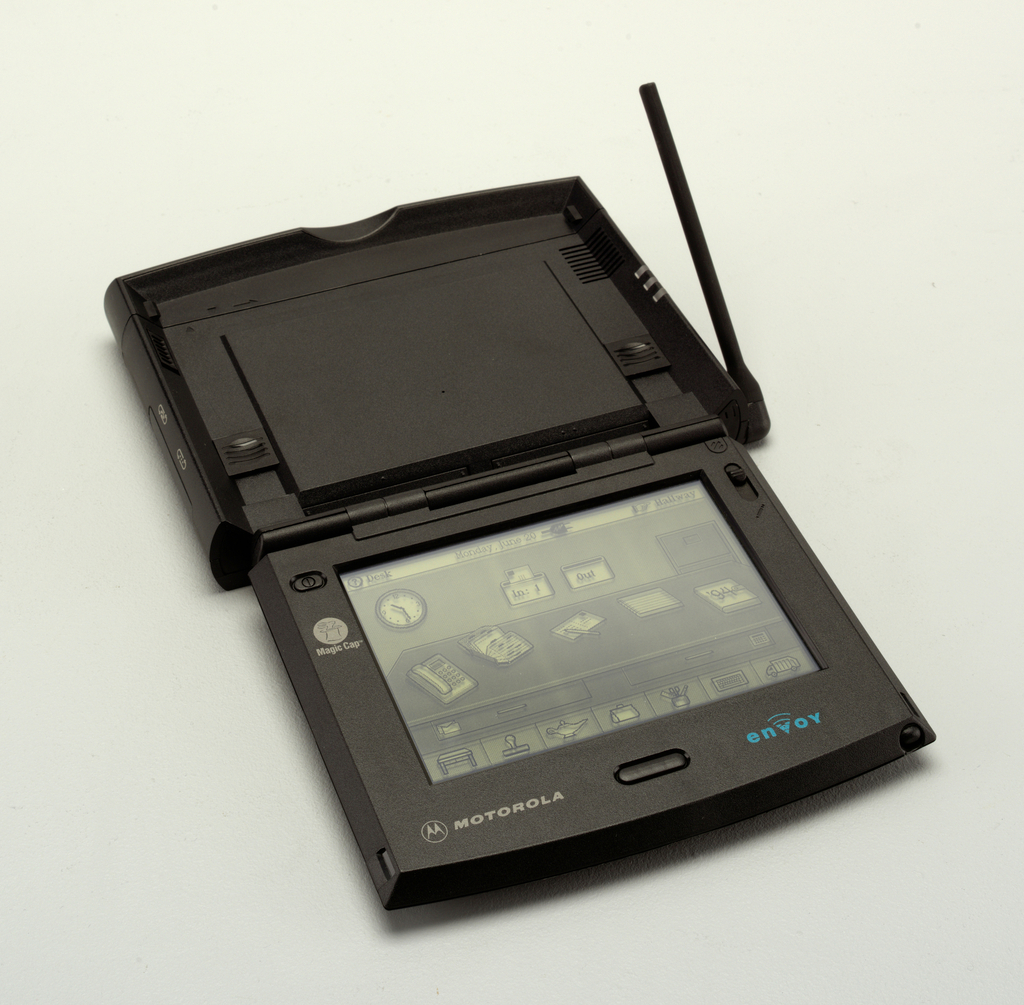
Credit: www.cooperhewitt.org
Frequently Asked Questions
What Were Early Mobile Phones Like?
Early mobile phones were large and bulky, primarily used for calls. They lacked features like texting or internet browsing.
How Did Pdas Influence Smartphones?
PDAs introduced touchscreens and mobile computing, paving the way for modern smartphones. They combined organization tools with communication features.
Did Pagers Lead To Smartphone Development?
Pagers were essential for instant communication, inspiring advancements in mobile messaging. They highlighted the demand for portable communication devices.
How Did Flip Phones Change The Market?
Flip phones offered compact designs and privacy, making mobile phones more popular. They added style and convenience to mobile communication.
Conclusion
The journey of smartphones began with simple devices. These early gadgets paved the way for today’s technology. Each predecessor contributed something unique. Many laid the foundation for modern features. Their evolution shows how technology advances. We now enjoy touchscreens and apps.
Yet, those early models were crucial. They taught us about connectivity and convenience. They changed how we communicate and work. Understanding their history helps appreciate current smartphones more. It connects us with technology’s roots. Smartphones continue evolving, but their past remains significant.
A fascinating journey from simple to smart.



