

Are you aware of how much personal information your smartphone holds about you? Every time you unlock your phone, scroll through social media, or make an online purchase, you leave digital footprints.
These tiny bits of data can paint a detailed picture of your life. But how secure is this information? With technology advancing rapidly, the line between convenience and privacy has become increasingly blurred. You’ll discover the hidden truths about smartphone privacy and learn practical steps to safeguard your personal data.
Dive in to uncover what your smartphone might be revealing about you and how you can take control.

Credit: www.snexplores.org
Evolution Of Smartphone Privacy
Smartphones have transformed privacy with advanced security features. Fingerprint and facial recognition secure personal data efficiently. Enhanced encryption methods protect sensitive information from potential threats, ensuring users feel safer.
The evolution of smartphone privacy has been a crucial journey, reflecting society’s growing concern for data security. Years ago, smartphones were just about calls and texts. Today, they hold vast amounts of personal data. This transformation has brought privacy to the forefront of discussions. As you navigate through this digital age, it’s vital to understand how smartphone privacy has evolved and what it means for you.Early Days: Basic Security Measures
In the early days of mobile phones, privacy was not a major concern. Phones were mainly used for communication, and the idea of storing sensitive information was not widespread. Basic security measures like PIN codes were the norm. These codes provided a layer of protection but were easy to bypass. Remember losing your phone and worrying more about replacement costs than data breaches?The Rise Of Smartphones: New Privacy Challenges
With the rise of smartphones, privacy challenges increased. Smartphones introduced features like email access, GPS, and apps, which required data storage and sharing. This shift made users more vulnerable to privacy breaches. As apps collected more personal information, users began to question how their data was being used. Have you ever felt uneasy about the permissions an app requests?Biometric Security: A Game Changer
Biometric security has become a game changer in smartphone privacy. Features like fingerprint scanners and facial recognition have added a new layer of security. They offer convenience and a high level of protection, reducing the risk of unauthorized access. However, they also raise concerns about biometric data storage. Are you comfortable with your biometric data being stored on your device?Privacy-focused Operating Systems
Operating systems have evolved to prioritize user privacy. Developers have introduced features like app permission management and encrypted messaging. These updates empower users to control their data more effectively. Smartphones now offer privacy settings that let you decide what information apps can access. Have you explored your phone’s privacy settings recently?Future Outlook: Enhanced Privacy Features
The future of smartphone privacy looks promising, with enhanced privacy features on the horizon. Companies are investing in technologies like AI and blockchain to secure user data. These advancements aim to provide users with more control and transparency. As technology evolves, so will privacy measures. How do you envision the future of smartphone privacy? Smartphones are an integral part of your life, and understanding their privacy evolution is crucial. It helps you make informed decisions about your data. Take charge of your privacy by staying updated on the latest developments. What steps are you taking to protect your smartphone privacy?Common Privacy Threats
In the digital age, smartphones are an essential part of our lives, connecting us to the world. However, this convenience comes with a price: privacy threats. As a smartphone user, your data is constantly at risk. From apps accessing your personal information without permission to hackers targeting your device, safeguarding your privacy is crucial. Let’s dive into the common privacy threats you might face.
Data Breaches
You’ve probably heard about data breaches affecting major companies. But what about the apps on your smartphone? Even the ones that seem harmless can become targets for hackers. A breach can expose sensitive information like your contacts, photos, or even banking details. Imagine the shock of discovering your private conversations have been leaked online. It’s vital to use apps from trusted sources and keep your phone’s software updated.
Unauthorized App Permissions
Have you ever installed an app that asked for more permissions than necessary? Some apps demand access to your microphone, camera, or contacts, even when they don’t need it. This can put your privacy at risk. Before granting permissions, ask yourself: does this app really need access to my location or photos? Review permissions regularly and revoke any that seem suspicious.
Location Tracking
Location tracking is a double-edged sword. It helps you navigate but can also invade your privacy. Think about apps tracking your every move, even when you’re not using them. It’s unsettling, right? To protect yourself, disable location services when not needed. Keep an eye on which apps request location access and adjust settings accordingly. Consider: do you want apps to know where you are at all times?
By understanding these threats, you can take steps to protect your privacy. Are you vigilant about the apps you download and the permissions you grant? Your smartphone should be a tool for connection, not a vulnerability. Remember, safeguarding your privacy starts with awareness and action. What steps will you take today to secure your personal data?
Privacy Settings Optimization
Smartphone privacy is crucial in today’s digital age. Optimizing privacy settings can safeguard your personal data. Many users overlook these settings, risking data exposure. Simple adjustments can enhance security and peace of mind.
Operating System Configurations
Your smartphone’s operating system has built-in privacy features. Regular updates are vital. They fix vulnerabilities and improve security. Check for updates often. Enable automatic updates for convenience.
Explore privacy settings in your system menu. Each setting offers unique protection. Review each option carefully. Adjust them based on your needs.
App Permissions Management
Apps request various permissions to function. Some requests are unnecessary. Review app permissions regularly. Limit access to sensitive data. Disable permissions that seem excessive.
Access settings in your app menu. Each app lists its permissions. Read through them for clarity. Make changes for better privacy control.
Browser Privacy Settings
Browsing often exposes personal data. Browsers have privacy settings to minimize risks. Enable private browsing modes. This feature blocks trackers and cookies.
Check browser settings for security options. Adjust them for enhanced privacy. Use search engines that prioritize user privacy. This reduces data collection while browsing.
Secure Communication Tools
In an era where our lives are largely lived online, safeguarding your personal information has never been more critical. Smartphones have become a gateway to our private worlds, so securing your communication channels is vital. Have you ever wondered how secure your messages and emails really are? Let’s explore some tools that can help you take charge of your digital privacy.
Encrypted Messaging Apps
Encrypted messaging apps are the armor for your private conversations. They ensure that only you and the person you’re communicating with can read your messages. Apps like Signal, WhatsApp, and Telegram provide end-to-end encryption, meaning even the service providers can’t access your data.
Imagine discussing sensitive work details or personal matters without worrying about eavesdroppers. These apps are not just for the tech-savvy; they are designed for everyone. So, next time you text, consider using an encrypted app to keep your chats private.
Secure Email Services
Email is a tool you use daily, but how secure is it? Traditional email services often lack robust encryption. Consider switching to secure email providers like ProtonMail or Tutanota, which offer encrypted emailing.
These services ensure your emails are safe from prying eyes. You can exchange sensitive information with confidence, knowing it won’t fall into the wrong hands. Isn’t it worth the peace of mind?
Vpn Usage
Have you ever connected to public Wi-Fi and wondered about the security of your data? A Virtual Private Network (VPN) can be your solution. VPNs encrypt your internet traffic, masking your online activities from potential snoopers.
Using a VPN is especially crucial when accessing sensitive information or conducting transactions on public networks. Services like NordVPN and ExpressVPN are popular choices. They provide a secure tunnel for your data, keeping your online actions private.
Incorporating these secure communication tools into your daily routine is not just a tech trend; it’s a necessity. As you navigate your digital life, how will you ensure your privacy is protected?
Safe Browsing Practices
Smartphones connect us to the world. But they also expose us to risks. Safe browsing practices protect your privacy. These habits are essential for everyone. They keep your data secure and prevent unwanted access.
Avoiding Malicious Links
Malicious links can be harmful. They often lead to scams or phishing sites. Always verify URLs before clicking. Unknown links in emails are suspicious. Stick to trusted sources for information. This reduces the risk of malware.
Private Browsing Modes
Private browsing modes offer more security. They don’t save your browsing history. This protects your data from prying eyes. Use it for sensitive searches or when on shared devices. It’s a simple way to enhance privacy.
Cookie Management
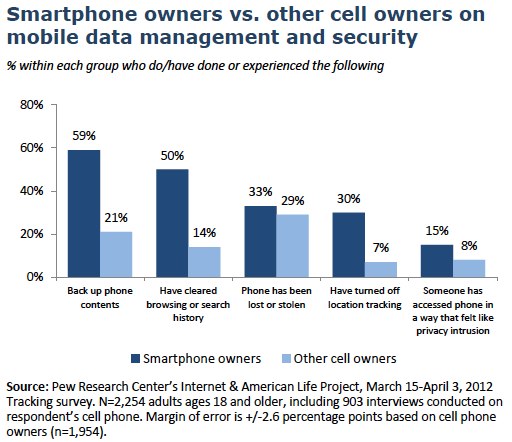
Cookies track your online activity. They personalize your browsing experience. But they also collect data about you. Regularly clear cookies to protect your privacy. Adjust browser settings to limit cookie usage. This ensures greater control over your information.
Credit: www.pewresearch.org
Role Of Biometric Security
Smartphones have become an integral part of our lives. Protecting personal data is more important than ever. Biometric security offers a strong layer of protection. It uses unique physical traits. This means your data is safer than with just a password.
Fingerprint Scanning
Fingerprint scanning is a common feature in smartphones. It reads the unique patterns of your finger. This method is fast and reliable. You just place your finger on the sensor. The device unlocks in seconds. It’s more secure than simple passwords. Fingerprints are hard to replicate. This means fewer chances of unauthorized access.
Facial Recognition
Facial recognition is another popular biometric method. It scans your face to grant access. The camera captures a detailed image. It matches this with stored data. This technology is convenient. Just look at your phone. The system verifies your identity. It’s quick and hands-free. The risk of someone else accessing your phone is low.
Voice Authentication
Voice authentication uses your voice as the key. It analyzes unique voice patterns. You speak a specific phrase to unlock your device. This method is secure and easy. Your voice is hard to mimic. It provides an extra layer of security. Even if someone knows your passcode, they cannot copy your voice.
App Security Measures
In the digital age, smartphones have become essential. But with this convenience comes the need for privacy protection. App security measures are crucial for safeguarding personal data. They ensure that unauthorized individuals cannot access sensitive information. Let’s explore some key security measures that can help protect your privacy.
Two-factor Authentication
Two-Factor Authentication (2FA) adds an extra layer of security. It requires two forms of identification before access is granted. This could be a password and a unique code sent to your phone. With 2FA, even if someone knows your password, they can’t access your data without the second factor.
Regular Updates
Regular updates are vital for app security. They often include patches for vulnerabilities found by developers. Keeping apps updated ensures you have the latest security fixes. Hackers exploit outdated software, so staying current is essential.
App Vetting Processes
App vetting processes involve careful examination before an app is available for download. Developers test apps for security flaws and malicious code. This process prevents harmful apps from reaching your device. Always download apps from trusted sources to ensure they’re vetted properly.
Risks Of Public Wi-fi
Public Wi-Fi is everywhere—cafes, airports, hotels. It’s a convenient way to stay connected. But using it can expose your smartphone to privacy risks.
When you connect to public Wi-Fi, your data is vulnerable. Hackers can intercept your information. Protecting your privacy requires awareness and action.
Eavesdropping Concerns
One major risk of public Wi-Fi is eavesdropping. Hackers can easily access the same network and spy on your online activities. Imagine someone peering over your shoulder as you type your passwords or read your emails.
Your data is not encrypted on public networks. This makes it easy for attackers to capture your sensitive information. Even visiting secure websites may not fully protect you.
Have you ever thought about who might be watching your online moves? It’s a chilling thought, but a real concern when using public Wi-Fi.
Mitigating Risks With Vpns
A Virtual Private Network (VPN) is a powerful tool for safeguarding your privacy. It encrypts your data, making it unreadable to outsiders. Using a VPN on public Wi-Fi adds a layer of security to your online activities.
Setting up a VPN on your smartphone is easy. Many reliable services offer user-friendly apps. This small step can significantly reduce the risk of eavesdropping.
Have you considered using a VPN? It’s a practical move to protect your personal information. Investing in a VPN could save you from potential privacy breaches. Are you ready to secure your online presence?
Legal And Ethical Considerations
Smartphones have become an essential part of our lives, but their integration into our daily activities raises important legal and ethical questions about privacy. As you navigate through apps and features, you might wonder how your data is protected or if app developers prioritize your privacy. Let’s explore these considerations and why they matter.
Data Protection Laws
Data protection laws are designed to safeguard your personal information. These laws, such as GDPR in Europe, ensure companies handle your data responsibly. They require businesses to be transparent about data collection and usage.
Have you ever read the privacy policy of an app? It’s there to inform you about how your data will be used. But many people skip this, trusting companies to follow the law. Is that trust well-placed? Consider checking privacy settings on your phone regularly to ensure your data is protected.
In the US, laws like CCPA aim to give you control over your data. They provide rights like data access and deletion. Have you exercised these rights? You have more power than you might think. Knowing your rights helps you make informed choices about the apps you use.
Ethical App Development
While data laws are crucial, ethical app development goes beyond legality. Developers face the challenge of designing apps that respect your privacy without compromising functionality. They must ask themselves: Are we safeguarding user data?
Imagine downloading a fitness app that tracks your location. It’s legal, but is it ethical? Developers need to balance innovation with responsibility. What if they prioritized privacy by collecting only necessary data? That could shift the industry standard.
As a user, you can influence ethical practices. Choose apps that are transparent about their data policies. If an app doesn’t respect your privacy, consider alternatives. Developers respond to consumer demand, and you have the power to drive change.
Smartphones offer incredible convenience, but understanding the legal and ethical landscape is essential for protecting your privacy. Are you aware of your rights? Do you trust the apps you use with your data? It’s time to take control and make informed choices that align with your privacy values.

Credit: www.sciencenews.org
Future Of Smartphone Privacy
The future of smartphone privacy is a pressing concern for many users. As technology advances, keeping personal information safe becomes even more challenging. Users want to ensure their data is protected from unauthorized access. Companies are investing heavily in privacy technologies to meet these demands. This shift aims to provide users with more control over their information.
Emerging Technologies
New technologies are shaping the future of smartphone privacy. Artificial Intelligence (AI) plays a key role in enhancing security features. AI can detect unusual behavior and alert users of potential threats. Biometric authentication, like facial recognition, is gaining popularity. It offers a secure way to access phones without passwords. Blockchain technology is also making waves in data protection. It provides a decentralized method to store and manage data securely.
Privacy-first Innovations
Privacy-first innovations are setting new standards in smartphone security. Some devices now offer advanced encryption methods to safeguard data. This ensures that even if a phone is stolen, data remains protected. Privacy settings are becoming more user-friendly. Users can easily manage app permissions and control what data is shared. Companies are introducing features that limit data collection. This helps maintain user privacy and reduces the risk of data breaches.
Frequently Asked Questions
How Do Smartphones Impact Privacy?
Smartphones impact privacy by collecting personal data like location, contacts, and browsing habits. Apps may access sensitive information, posing risks. Understanding settings and permissions can help protect privacy. Regularly updating devices and apps is essential for security. Be mindful of public Wi-Fi, as it can expose data to hackers.
Are Smartphone Privacy Settings Effective?
Smartphone privacy settings are effective if properly configured. Regularly review app permissions to control data access. Use strong passwords and enable two-factor authentication for security. Update your device and apps to patch vulnerabilities. Be cautious with third-party apps, as they might misuse data.
Always monitor settings for maximum protection.
Can App Permissions Invade Privacy?
App permissions can invade privacy if not carefully managed. Many apps request unnecessary access to personal data. Regularly review permissions to ensure they’re appropriate. Limit access to sensitive information like location and contacts. Uninstall apps that require excessive permissions. Always read privacy policies before installing new applications.
How To Secure Your Smartphone Data?
Secure smartphone data by using strong passwords and biometric locks. Regularly update your device and apps to prevent vulnerabilities. Enable encryption to protect stored information. Avoid using public Wi-Fi for sensitive activities. Backup your data regularly. Use security apps to detect and remove threats.
Monitor app permissions closely.
Conclusion
Smartphones are part of our daily lives now. Privacy concerns grow with their use. Users must stay informed about privacy settings. Regular updates can protect personal information. Be cautious with app permissions. Use strong passwords for added security. Educate yourself about online privacy risks.
Awareness leads to safer smartphone experiences. Make privacy a priority. Keep exploring ways to safeguard data. Remember, your smartphone holds valuable information. Protect it wisely. Stay alert and secure in the digital world. Your privacy matters more than you think.
Stay informed and enjoy safe smartphone usage.