

Imagine a world where your business operations are seamlessly integrated, efficient, and agile. This is not just a fantasy; it’s a reality you can achieve with Service-Oriented Architecture (SOA) in cloud computing.
You might be wondering, what exactly does SOA bring to the table, and how can it transform your digital landscape? Think of SOA as a dynamic blueprint for your IT infrastructure, allowing you to break down complex processes into manageable services.
When paired with the power of cloud computing, it becomes a game-changer, offering flexibility and scalability like never before. But why should you care? Because understanding and leveraging SOA in cloud computing can lead to significant cost savings, improved efficiency, and a competitive edge in your industry. This article will walk you through the essentials of SOA in the cloud, unpacking its benefits and showing you how to harness its potential for your business’s success. Stick around to discover how you can revolutionize your operations and stay ahead of the curve.
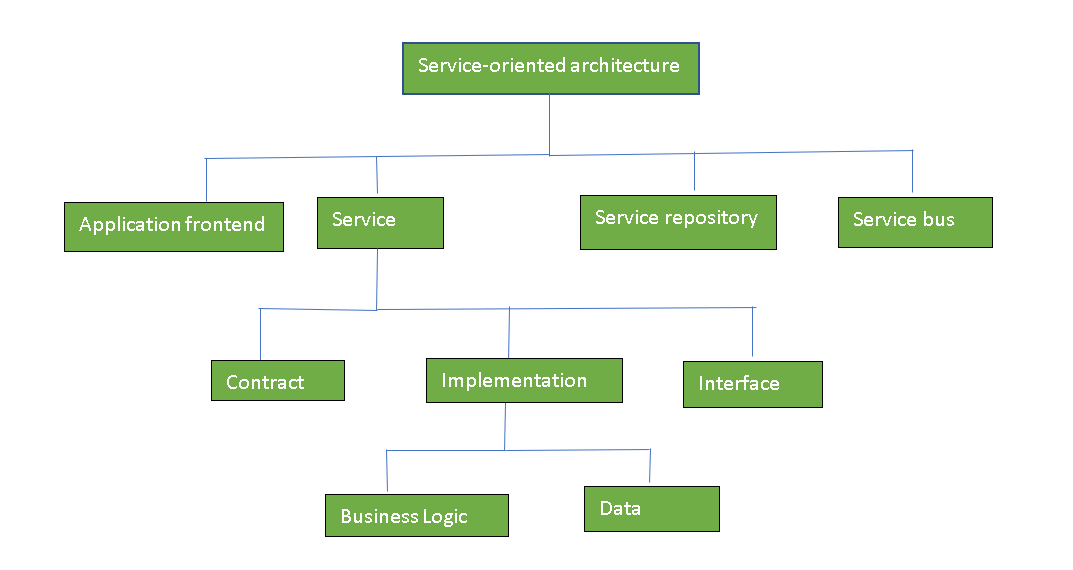
Credit: www.geeksforgeeks.org
Soa Basics
SOA in cloud computing breaks down software into smaller, reusable parts. These parts work over the internet. This makes it easy to update and manage software.
Understanding the basics of Service-Oriented Architecture (SOA) in cloud computing can be a game-changer for your business strategy. SOA is a design pattern where services are provided to other components by application components, through a network. It allows for different services to communicate with each other, creating a seamless integration process. Imagine having the flexibility to choose and switch your cloud services like selecting apps on your smartphone. This capability is what SOA offers, making it a vital tool in the cloud computing toolkit.Key Concepts
To grasp SOA, it’s crucial to know its key concepts. Service is the core element, representing a business function that can be reused across different applications. Interoperability ensures these services can communicate effectively, regardless of the platform. The loose coupling of services means you can update or change services without disrupting the entire system. This modular approach allows for greater flexibility and efficiency. Think of SOA as a set of building blocks. Each block is a service, designed to perform a specific task. You can easily rearrange or replace these blocks without rebuilding the whole structure. This adaptability is what makes SOA so powerful in a dynamic business environment.Benefits For Businesses
SOA in cloud computing offers numerous benefits for your business. First, it enhances scalability. As your business grows, you can add more services without overhauling your existing system. This scalability ensures your IT infrastructure keeps up with your business needs. Moreover, SOA promotes cost efficiency. By reusing services, you reduce the time and resources needed for development. This efficiency translates to lower operational costs and faster time-to-market for new services. Finally, SOA facilitates innovation. With the ability to integrate new technologies easily, your business can adapt to market changes quickly. This agility allows you to stay ahead of the competition and meet customer demands effectively. Have you ever faced challenges integrating new software with existing systems? SOA might be the solution you need to streamline your operations. By adopting SOA, you’re not just improving your IT framework; you’re setting the stage for future growth and innovation.Cloud Computing Essentials
Cloud computing has transformed the digital landscape. It offers scalable and flexible solutions. The essentials of cloud computing are fundamental for businesses. Understanding these can enhance operations and efficiency.
Core Components
Cloud computing relies on several key elements. These include infrastructure, platforms, and software services. Infrastructure provides the foundation. It includes servers, storage, and networking resources. Platforms offer development and deployment environments. They facilitate application creation and management. Software services deliver applications via the cloud. Users access these applications through the internet.
Advantages In Business
Cloud computing offers significant benefits to businesses. It reduces operational costs and increases flexibility. Companies can scale resources up or down as needed. This adaptability supports business growth and innovation. Data security is another advantage. Cloud providers offer robust protection measures. They ensure data integrity and compliance. Collaboration becomes easier with cloud solutions. Teams can work together from any location. This fosters productivity and creativity.
Integration Of Soa And Cloud
The fusion of Service-Oriented Architecture (SOA) and cloud computing is transforming how businesses operate. SOA streamlines the process of building software applications by using reusable services. The cloud provides the infrastructure needed for scaling these services efficiently. Together, they offer a powerful solution for businesses looking to enhance their IT capabilities.
Synergy Between Technologies
The integration of SOA and cloud creates a synergy that enhances flexibility and scalability. Imagine having a toolbox where each tool is optimized for specific tasks. SOA provides those tools, while the cloud offers the space to use them effectively. This combination ensures that your IT systems can adapt to changing business needs quickly.
Have you ever tried to solve a puzzle with missing pieces? In IT, this is often the case without proper integration. By merging SOA with cloud, you fill those gaps, enabling seamless communication between different parts of your system. This synergy is not just theoretical; businesses report increased efficiency and reduced costs.
Impact On It Infrastructure
Integrating SOA with cloud computing reshapes IT infrastructure. Traditional setups often struggle with handling dynamic workloads. With the cloud’s resources, SOA services can be scaled up or down based on demand. This adaptability leads to better resource management and cost savings.
Consider the impact on maintenance. Maintaining a traditional IT setup can be time-consuming and costly. By leveraging SOA in the cloud, updates and improvements are easier to implement. This change not only improves performance but also reduces downtime, allowing you to focus more on innovation.
What does this mean for your business? It means having an infrastructure that grows with you. It means fewer headaches in managing IT resources. It means being ready for whatever tomorrow brings.
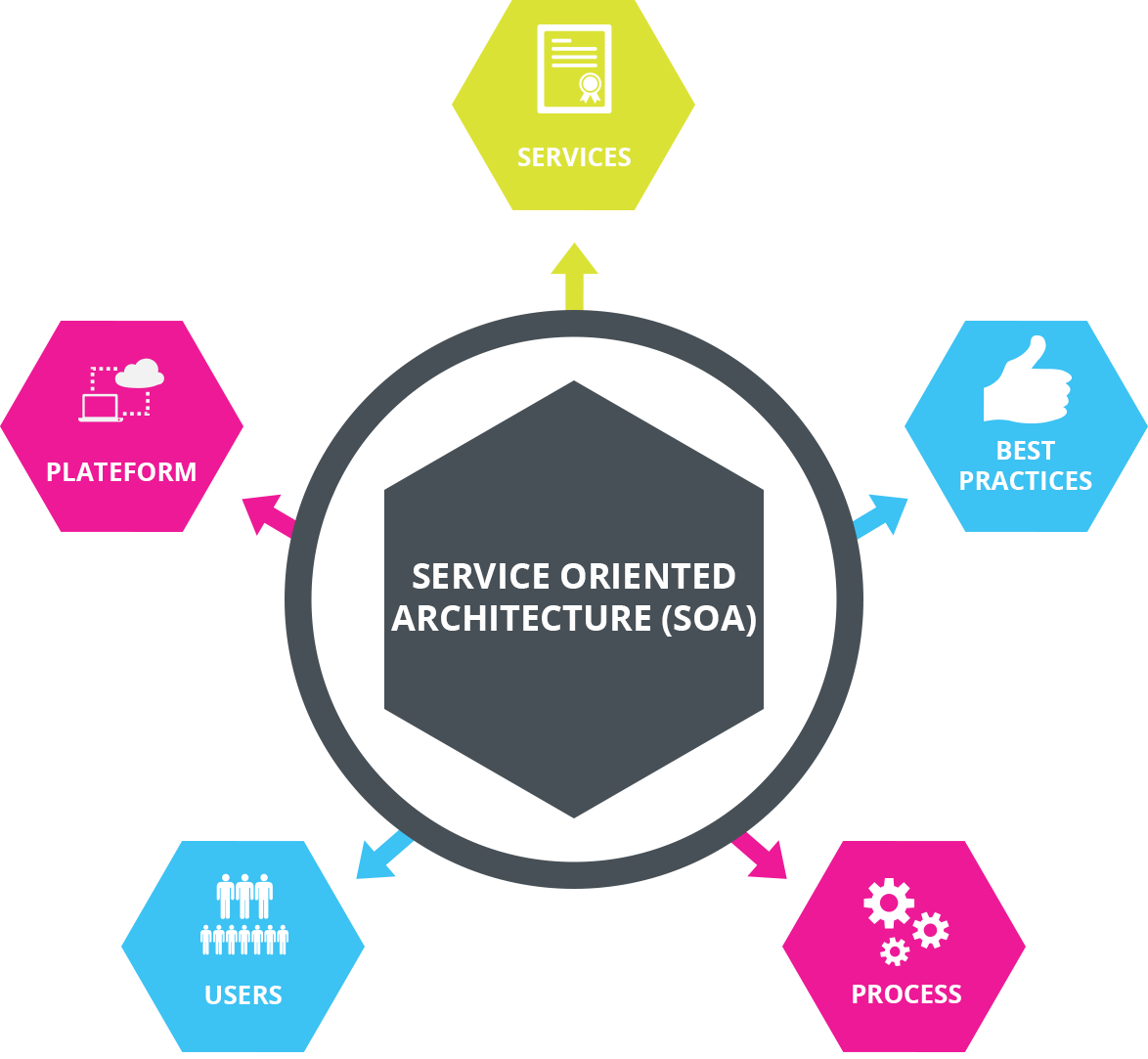
Credit: medium.com
Business Transformation
Business transformation in the realm of cloud computing isn’t just a buzzword; it’s a dynamic shift that’s reshaping how companies operate. As organizations strive to stay competitive, leveraging Service-Oriented Architecture (SOA) in cloud computing can be a game-changer. It allows businesses to become more agile and cost-efficient, creating a landscape where innovation thrives. But how exactly does this transformation take place? Let’s dive into the specifics.
Enhanced Agility
Agility is the lifeline of modern businesses. With SOA in cloud computing, you gain the ability to swiftly adapt to market changes and customer demands. Imagine you’re running an online retail store. A sudden surge in demand during the holiday season could cripple your operations. SOA allows you to scale your services seamlessly, ensuring your customers enjoy a hassle-free shopping experience.
Moreover, SOA enables easier integration of new technologies. If there’s a cutting-edge tool that could enhance your customer service, SOA makes adding it to your system a breeze. You’re not tied down by rigid structures but can pivot quickly, keeping your business ahead of the curve.
Cost Efficiency
Cost management is a constant challenge for businesses. SOA in cloud computing helps you tackle this by optimizing resource usage. By only paying for the services you use, you can significantly reduce overhead costs. Consider a small tech startup that needs to manage finances carefully. With SOA, they can access high-quality computing resources without the burden of maintaining costly infrastructure.
Furthermore, SOA reduces development costs. Instead of building systems from scratch, your team can leverage existing services and components. This means faster deployment times and fewer errors, saving you time and money. Wouldn’t you prefer investing those savings into growth initiatives rather than infrastructure?
As you think about your business’s future, ask yourself: How can SOA in cloud computing propel your transformation forward? The answers may surprise you and lead to actionable strategies that redefine success for your company.
Scalability And Flexibility
Service-Oriented Architecture (SOA) in cloud computing offers scalability and flexibility. It allows businesses to adjust resources easily. This adaptability helps meet changing demands efficiently.
Scalability and flexibility are key advantages of using Service-Oriented Architecture (SOA) in cloud computing. These features allow businesses to grow and change without major disruptions. SOA enables systems to handle increasing loads and adapt to new demands with ease. This adaptability can be a game-changer in today’s fast-paced digital world. When your business is ready to expand, SOA in the cloud makes the transition smoother and more efficient.Dynamic Resource Allocation
Dynamic resource allocation is like having a personal assistant for your cloud services. It ensures that your applications get exactly the resources they need when they need them. This means no wasted resources during low demand and no bottlenecks during high demand. Imagine a shopkeeper who can magically add more counters during a rush hour and reduce them when it’s quiet. In the cloud, dynamic resource allocation works similarly. It automatically scales resources up or down based on current needs. This flexibility helps you save costs and maintain performance. You don’t have to worry about predicting future demands accurately. The cloud takes care of that for you, allowing you to focus on what matters most—growing your business.Adaptability To Market Changes
The market is like a rollercoaster, full of unpredictable twists and turns. Being adaptable gives you an edge over competitors. SOA in cloud computing allows your systems to respond swiftly to market changes. You can launch new services, update existing ones, or integrate third-party solutions without overhauling your entire infrastructure. Have you ever had to change your business strategy overnight due to market shifts? With SOA, these changes are less stressful and more manageable. The architecture supports rapid modifications, letting you pivot as needed. This adaptability not only keeps you relevant but also opens up new opportunities for growth. Are you ready to harness the power of scalability and flexibility in your business? Embracing SOA in cloud computing might just be the solution you’ve been looking for.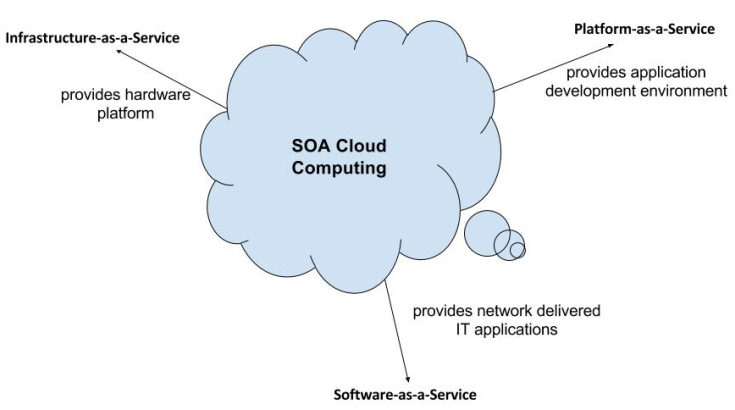
Credit: www.tutorialspoint.com
Security Challenges
Cloud computing faces security challenges with Service-Oriented Architecture (SOA). Data protection is crucial as services interact. Vigilance in managing access and communication ensures safety.
Security challenges in cloud computing, especially when dealing with Service-Oriented Architecture (SOA), can be daunting. The flexibility and scalability of the cloud come with vulnerabilities that can be exploited. You might wonder how to ensure your data remains safe while leveraging the cloud’s benefits. Understanding these challenges can help you make informed decisions. Let’s dive into two major areas of concern: data protection and compliance issues.Data Protection
Ensuring data protection in the cloud is crucial. Data breaches can lead to significant financial losses and damage your reputation. It’s essential to safeguard your data from unauthorized access. One way to protect your data is by using encryption. Encrypting data both at rest and in transit adds an additional layer of security. You should ensure that only authorized users have the decryption keys. Access control is another important measure. By implementing strict access policies, you can restrict who can view or modify sensitive information. Regularly updating and reviewing these policies can help prevent unauthorized access.Compliance Issues
Navigating compliance issues in cloud computing can be complex. Different industries have specific regulations that you must adhere to. Are you aware of the compliance standards relevant to your industry? Many cloud providers offer tools to help you manage compliance. These can include audit logs and compliance checklists. Regular audits can help ensure that your systems meet regulatory requirements. Understanding the shared responsibility model is key. While cloud providers offer security measures, you are responsible for securing your applications and data. This can involve configuring security settings and managing user permissions. Are you ready to face the security challenges of SOA in cloud computing? By focusing on data protection and compliance, you can significantly mitigate risks. Consider how these insights can be applied to your cloud strategy. What steps will you take to enhance your cloud security?Future Trends
The future of Service-oriented Architecture (Soa) in cloud computing is an exciting realm where innovation meets practicality. As technology evolves, Soa is poised to redefine how businesses operate and expand their digital capabilities. You might wonder how these changes will impact the way you work or interact with technology daily. Let’s dive into some emerging trends that are shaping the future of Soa in cloud computing.
Emerging Technologies
Technology is advancing at an unprecedented rate. New technologies like artificial intelligence and machine learning are becoming integral to Soa frameworks. These technologies enhance automation, making systems smarter and more efficient.
You might have noticed how AI is transforming customer service with chatbots. Imagine a future where Soa integrates AI to predict and resolve issues before they impact users. This proactive approach could save time and resources, leading to more streamlined operations.
Another trend is the rise of edge computing. With devices generating massive amounts of data, processing this data closer to the source is crucial. Soa in cloud computing is adapting to support edge computing, ensuring real-time data processing and minimal latency.
Predictions For Business Solutions
Businesses are always on the lookout for solutions that offer efficiency and scalability. Soa in cloud computing is set to deliver both. You might find your business benefiting from microservices architecture, which breaks down applications into smaller, manageable pieces.
This modular approach allows for quick updates and changes without disrupting the entire system. Think of it as updating an app on your phone without needing to download a new operating system.
Moreover, enhanced security measures are being integrated into Soa frameworks. As cyber threats evolve, the emphasis on secure cloud solutions grows stronger. You can expect more robust, adaptive security protocols that protect sensitive data while maintaining accessibility.
In this fast-paced digital world, are you prepared to leverage these advancements for your business? Embracing these trends can open doors to new opportunities and ensure you stay ahead in the competitive landscape.
Frequently Asked Questions
What Is Soa In Cloud Computing?
SOA, or Service-Oriented Architecture, is a design pattern used in cloud computing. It enables services to communicate over a network, promoting flexibility and scalability. SOA allows businesses to integrate various services seamlessly, enhancing efficiency and reducing costs.
How Does Soa Benefit Cloud Services?
SOA enhances cloud services by promoting interoperability and flexibility. It allows different services to interact smoothly, ensuring efficient resource use. This architecture supports scalability, enabling cloud services to adapt quickly to changing demands and business needs.
Is Soa Suitable For All Cloud Models?
SOA is adaptable to various cloud models, including public, private, and hybrid clouds. Its flexibility allows businesses to tailor services according to their specific needs. This adaptability ensures efficient resource management and supports diverse business applications.
Can Soa Improve Cloud Security?
SOA can enhance cloud security by implementing service-level security measures. It offers standardized protocols and policies, ensuring secure data transmission. While SOA itself does not provide security, its framework supports integrating robust security solutions.
Conclusion
Service-oriented architecture (SOA) enhances cloud computing flexibility. It helps businesses adapt quickly to changes. Integrating SOA in cloud solutions improves resource management. This leads to better efficiency. Companies benefit from scalable and cost-effective options. SOA in cloud computing offers robust security features.
It ensures data protection and reliability. Embracing this approach supports seamless communication between applications. This fosters innovation and growth. Cloud and SOA together create a powerful synergy. They provide enhanced performance and user satisfaction. Adopting SOA in cloud strategies is a smart choice.
It paves the way for sustainable progress.



