

Imagine a world where you can access all your files, applications, and data from anywhere, at any time. Welcome to the era of virtual cloud computing.
It’s not just a buzzword; it’s a game-changer for both individuals and businesses. You might be wondering why everyone is talking about it or how it can make your life easier. The answer is simple: virtual cloud computing offers flexibility, efficiency, and security like never before.
Picture having the power to scale your resources up or down with just a few clicks, without the headache of managing physical hardware. Intrigued? This article will break down everything you need to know about virtual cloud computing, and by the end, you’ll see why embracing this technology is a smart move for you and your business. Get ready to discover how you can transform your digital experience and stay ahead in a fast-paced world.
Evolution Of Cloud Computing
Virtual cloud computing has transformed how we access and store data. It offers flexible, on-demand resources over the internet. This evolution allows businesses to scale efficiently, reducing the need for physical hardware.
The evolution of cloud computing is a fascinating journey that has transformed the way we use technology. From its early days of simple data storage to the sophisticated virtual cloud computing systems we rely on today, cloud technology has continuously adapted to meet the changing needs of businesses and individuals. Understanding this evolution can help you appreciate the cloud’s potential and how it can benefit your own technological needs.The Early Days Of Cloud Computing
In the beginning, cloud computing was all about providing extra storage space. Companies needed a way to store massive amounts of data without investing in expensive hardware. The cloud offered a scalable solution, allowing businesses to store data remotely and access it as needed. Back then, the concept was still new, and many were skeptical. You might remember when businesses were hesitant to trust their data to the cloud. But as technology advanced, the benefits became clear, and the adoption of cloud services grew rapidly.The Growth Of Cloud Services
As more companies started using the cloud, the demand for additional services grew. Cloud providers began offering not just storage but also computing power and software applications. This shift allowed businesses to run their operations more efficiently without the need for extensive on-site infrastructure. Consider how you use software today. Many of the apps you rely on are hosted in the cloud, saving you the hassle of constant updates and maintenance. The flexibility and convenience of these services have made cloud computing an integral part of modern business operations.The Rise Of Virtual Cloud Computing
Virtual cloud computing has taken cloud technology to the next level. It allows you to create virtual machines that mimic physical computers, giving you the freedom to run different operating systems and applications. This capability has opened doors for more complex and innovative projects. Imagine being able to test software or deploy new applications without worrying about hardware limitations. Virtual cloud computing offers you that flexibility. It’s become a game-changer for developers and businesses looking to innovate without constraints.Future Trends In Cloud Computing
Looking ahead, cloud computing is expected to become even more integrated into our daily lives. With advancements in AI and machine learning, the cloud will likely offer smarter, more intuitive services. These changes promise to enhance productivity and offer new opportunities for innovation. Think about how these advancements could impact your work or personal life. The cloud’s ongoing evolution means new tools and capabilities will continue to emerge, offering you new ways to solve problems and streamline tasks. Are you ready to embrace these changes and leverage the full potential of cloud computing in your own life? As the cloud evolves, so do the possibilities, making it an exciting time to be part of this technological journey.
Credit: www.analyticssteps.com
Core Components
Virtual cloud computing has changed how we use technology. It offers flexibility, scalability, and efficiency. Core components make cloud computing effective and accessible. Understanding these components is essential for businesses and individuals. Let’s explore the main elements of virtual cloud computing.
Infrastructure As A Service (iaas)
IaaS provides virtualized computing resources over the internet. Users can access servers, storage, and networking resources. It eliminates the need for physical hardware. IaaS allows businesses to scale resources based on demand. This component reduces costs related to maintaining physical infrastructure.
Platform As A Service (paas)
PaaS offers a platform for developing, testing, and deploying applications. It provides tools and services to streamline the process. Developers can focus on coding without managing underlying infrastructure. PaaS includes operating systems, databases, and development tools. It accelerates application development and reduces complexity.
Software As A Service (saas)
SaaS delivers software applications over the internet. Users access applications via web browsers, eliminating the need for installation. This component offers convenience and ease of use. SaaS applications are often subscription-based. They provide regular updates and maintenance. Popular examples include email services and office productivity tools.
Benefits For Businesses
Virtual cloud computing offers businesses flexible access to resources. It reduces infrastructure costs and enhances scalability. Companies can manage data securely and efficiently, improving productivity and collaboration.
Virtual cloud computing offers numerous benefits for businesses. It transforms how companies operate and manage data. By leveraging cloud solutions, organizations can streamline processes and enhance productivity. This section explores key advantages that cloud computing presents, focusing on cost efficiency, scalability, flexibility, and collaboration.Cost Efficiency
Businesses can significantly reduce expenses with cloud computing. It eliminates the need for physical hardware and maintenance costs. Companies pay only for the resources they use, which helps manage budgets better. This model offers predictable costs, essential for financial planning.Scalability And Flexibility
Cloud computing adapts to the changing needs of a business. Companies can scale resources up or down quickly. This flexibility supports growth without the hassle of purchasing new equipment. It allows businesses to respond swiftly to market demands.Enhanced Collaboration
Teams can work together seamlessly with cloud technology. It provides shared access to files and applications from any location. This improves communication and ensures projects stay on track. Real-time updates keep everyone informed and engaged. Cloud computing offers businesses a modern solution to traditional challenges. It supports cost management, growth, and teamwork effectively.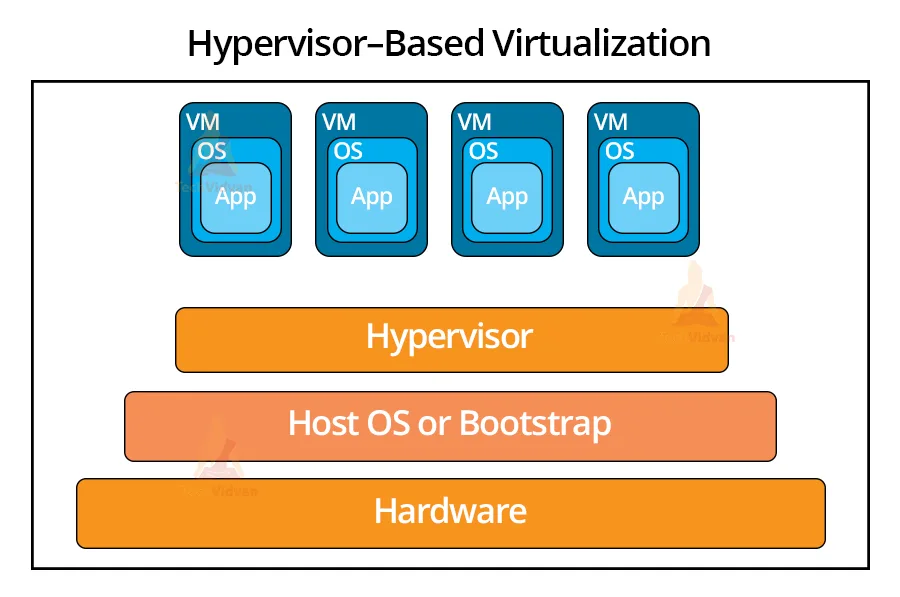
Credit: techvidvan.com
Security And Compliance
Virtual cloud computing has changed the landscape of data management. Security and compliance are vital concerns in this digital age. Protecting sensitive data and meeting regulatory standards is crucial. Businesses must prioritize these aspects to gain trust and ensure smooth operations.
Data Protection Measures
Data in the cloud faces various threats. Encryption is a key defense strategy. It converts data into a coded form. Only authorized users can access it. Firewalls and intrusion detection systems add another layer of security. Regular security audits help identify vulnerabilities. These measures build a strong defense system.
Regulatory Compliance
Businesses must adhere to local and global regulations. These rules protect user data and privacy. Compliance with standards like GDPR and HIPAA is essential. Non-compliance can lead to hefty fines and legal issues. Regular compliance checks ensure businesses stay within legal boundaries. Training employees about regulations is also important. It keeps everyone informed and responsible.
Implementation Strategies
Virtual cloud computing transforms how businesses operate. Implementation strategies are crucial for success. These strategies guide businesses in integrating cloud services efficiently. Proper planning ensures seamless adaptation to new systems. This section explores choosing models and migration planning.
Choosing The Right Model
Different cloud models offer varied benefits. Public clouds provide scalability and cost-effectiveness. Private clouds offer enhanced security for sensitive data. Hybrid clouds combine benefits of both public and private models. Assessing business needs helps in selecting the best fit.
Consider workload types and budget constraints. Analyze data sensitivity and compliance requirements. Determine flexibility and control needs. Each factor influences model choice. Engaging stakeholders in discussions aids decision-making.
Migration Planning
Migration planning is essential for smooth transitions. Start by evaluating current infrastructure. Identify applications suitable for migration. Assess data and application dependencies.
Develop a comprehensive migration roadmap. Define clear objectives and timelines. Allocate resources effectively for each stage. Prioritize critical applications for early migration. Testing ensures systems function seamlessly post-migration.
Communication with teams ensures alignment. Training sessions prepare staff for new systems. Monitoring post-migration performance is crucial. Continuous evaluation helps optimize cloud operations.
Challenges And Solutions
Virtual cloud computing faces challenges like data security and system integration. Solutions involve using encryption and seamless software tools. These approaches enhance security and improve compatibility, ensuring efficient cloud services.
Virtual cloud computing has become a cornerstone for many businesses, offering flexibility and scalability that traditional methods simply can’t match. Yet, with its benefits come challenges that need careful navigation. Understanding these hurdles and their solutions is key to leveraging cloud computing effectively. Let’s delve into some common issues and strategies to overcome them.Data Privacy Concerns
When you store data in the cloud, questions about who can access it and how it’s protected naturally arise. You might worry about sensitive information falling into the wrong hands. This concern is not unfounded. Consider implementing robust encryption methods to safeguard your data. Encrypt files before uploading them, ensuring only authorized users can decrypt them. Regularly audit your cloud provider’s security protocols. Ask yourself: Does my provider adhere to industry standards like GDPR or HIPAA? Your vigilance can be the difference between secure data and a potential breach.Managing Cloud Costs
Cloud computing can be cost-effective, but expenses can spiral if not managed properly. Have you ever been surprised by a sudden spike in your cloud bill? You’re not alone. Identify services you are using but don’t need. Are there subscriptions you forgot to cancel? Leverage cost management tools offered by cloud providers. Set budgets and alerts to monitor spending. This proactive approach helps avoid unexpected charges. Regularly review and adjust your cloud usage patterns. Are you optimizing resources? A small adjustment can lead to significant savings. Navigating cloud challenges requires attention and strategy. By addressing privacy concerns and managing costs effectively, you can harness the full power of virtual cloud computing, ensuring your business stays ahead in a digital-first world.Future Trends
Virtual cloud computing is rapidly evolving, and keeping an eye on future trends is crucial for anyone involved in tech. These trends are not just about what’s new; they shape how you will interact with technology in the coming years. Whether you’re a tech enthusiast or a business leader, understanding these changes can prepare you for what’s next.
Integration Of Ai And Machine Learning
AI and machine learning are increasingly becoming integral to cloud services. They enhance data processing capabilities, offering smarter solutions. Imagine having automated insights that help you make faster business decisions.
These technologies can predict system failures, optimize costs, and improve security measures. For example, AI can detect unusual patterns in your data, alerting you to potential threats before they become issues. Isn’t it fascinating how AI can transform your cloud experience into something more efficient?
Edge Computing Advancements
Edge computing is another trend gaining traction. It brings computation and data storage closer to where it is needed, reducing latency. If you’ve ever experienced delays in streaming or gaming, edge computing promises a smoother experience.
Think of it as having a mini-cloud closer to your location. This advancement allows for quicker responses and real-time data processing. How might this change your daily digital interactions or even your business operations?
Both AI integration and edge computing are reshaping the cloud landscape. They offer you tools to harness data like never before. Are you ready to adapt to these changes and make the most of them?
Credit: www.veritis.com
Frequently Asked Questions
What Is Virtual Cloud Computing?
Virtual cloud computing refers to using virtualized resources over the internet. It allows for scalable and flexible computing solutions. Users can access and manage resources without direct hardware involvement, optimizing cost and efficiency.
How Does Cloud Virtualization Work?
Cloud virtualization works by abstracting physical hardware into virtual components. This allows multiple users to share resources efficiently. It enhances scalability, reduces costs, and improves performance by optimizing the utilization of hardware.
Why Choose Virtual Cloud Computing?
Choosing virtual cloud computing offers flexibility and scalability. It reduces infrastructure costs and simplifies resource management. Businesses can quickly adapt to changing demands and improve operational efficiency by leveraging virtualized environments.
Are There Security Risks With Virtual Clouds?
Yes, virtual clouds can have security risks. These include data breaches and unauthorized access. Implementing strong security measures and regular audits can mitigate risks. Businesses must prioritize security protocols to protect sensitive information.
Conclusion
Virtual cloud computing offers flexibility and efficiency for businesses. It reduces costs and enhances accessibility. Users can work anywhere with internet access. This technology supports growth and innovation. Security measures protect data and systems. Companies can scale resources up or down as needed.
It’s vital to choose the right provider. Consider reliability and service quality. Virtual cloud computing is transforming how businesses operate. It connects people and resources seamlessly. Embrace this technology for better productivity. It’s an essential tool for modern business success.
Adapt and thrive in a digital world.