Affiliate Disclosure: This post may contain affiliate links. If you purchase through links on our site, we may earn an affiliate commission at no extra cost to you.
Imagine standing in your living room, yet feeling like you’re on a mountain peak or exploring a bustling city. Now, picture this: your shopping experience becomes interactive, allowing you to try on clothes without touching them.
Both scenarios might sound like scenes from a sci-fi movie, but they are actually possible thanks to Virtual Reality (VR) and Augmented Reality (AR). These cutting-edge technologies are reshaping how you experience the digital world. Whether you’re gaming, learning, or shopping, VR and AR are transforming these experiences right before your eyes.
But what’s the difference between the two, and how can they enhance your daily life? Understanding this can open up new possibilities for fun, learning, and creativity. Curious to find out how these fascinating technologies can impact you? By the end of this article, you’ll not only know the distinctions between virtual and augmented reality but also discover how they can enhance your everyday experiences. Dive in, and let’s explore the exciting worlds of VR and AR together!
Virtual Reality: Immersive Experiences
Virtual Reality offers fully immersive experiences, transporting users to entirely new worlds. Augmented Reality overlays digital elements onto real-world environments, enhancing interaction without complete immersion. Both technologies provide unique ways to experience digital content.
Virtual Reality (VR) has transformed the way we perceive digital content, offering truly immersive experiences. Imagine stepping into a new world where you can explore, interact, and engage as if you were physically present. These experiences captivate our senses and challenge our understanding of reality.
Defining Virtual Reality
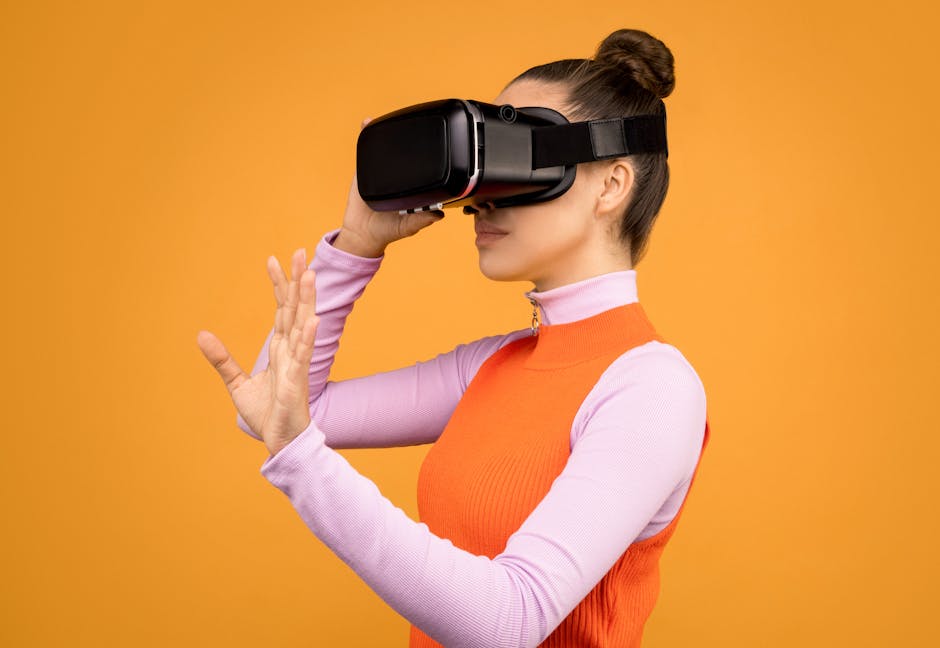
Virtual Reality is a technology that creates a simulated environment, placing you right in the middle of the action. By wearing a VR headset, you are transported to a digital realm that feels almost real. It’s not just about watching; it’s about being part of the experience. Have you ever tried a VR game? The feeling of being surrounded by a new world is unforgettable. This technology isn’t just for gaming. It’s changing how we learn, work, and connect with others.
Key Components And Technology
Several key components bring VR to life. The headset is the most recognizable, equipped with screens and sensors. These headsets track your head movements, ensuring the virtual world moves as you do. Controllers, often resembling joysticks, allow you to interact with this digital environment. Some advanced systems even include gloves or suits that provide haptic feedback, enhancing the sense of touch. The technology behind VR includes powerful graphics, fast processors, and precise sensors. These elements come together to create a seamless experience.
Current Applications In Various Industries
VR is making waves across multiple industries. In healthcare, it’s used for surgical training, providing a risk-free environment for practice. Imagine doctors perfecting their skills without any real-world consequences. Education is another sector benefiting from VR. Students can explore historical sites or dive into complex subjects like never before. These immersive lessons can make learning more engaging and effective. The real estate industry uses VR to offer virtual tours of properties, saving time for both buyers and sellers. Instead of visiting multiple homes, potential buyers can explore from the comfort of their couch. Have you considered how VR might change your industry or daily life? The possibilities are endless and exciting.
Augmented Reality: Blending Real And Digital
Augmented reality bridges the gap between the digital and physical worlds. It overlays digital elements onto the real world, creating interactive experiences. This technology enhances how we perceive and interact with our surroundings. Let’s delve into how augmented reality functions and its real-world applications.
Understanding Augmented Reality
Augmented reality uses digital content to enhance the real environment. Unlike virtual reality, it doesn’t replace reality but adds to it. A smartphone or headset displays digital images over real-world views. This creates an enriched experience for the user. The technology relies on sensors, cameras, and software to deliver seamless integration.
Core Technologies And Tools
Several technologies power augmented reality. Cameras capture the real world, while sensors detect movement and location. Software processes this data to overlay digital content correctly. Tools like ARKit for iOS and ARCore for Android help developers create AR applications. These tools provide frameworks for building interactive experiences. They ensure the digital content aligns perfectly with the physical world.
Real-world Uses And Innovations
Augmented reality finds applications in various fields. In retail, it offers virtual try-ons and interactive shopping experiences. Healthcare professionals use AR for training and surgical assistance. Education benefits from immersive learning environments. Museums enhance exhibits with interactive displays. Navigation apps provide real-time directions overlaid on streets. These innovations make daily tasks easier and more engaging.
Comparing Vr And Ar
Virtual Reality (VR) and Augmented Reality (AR) are reshaping how we interact with the digital world. You might have tried a VR headset and felt transported to another realm, or used AR on your phone to see how a new couch looks in your living room. Both technologies offer immersive experiences but in distinct ways. Let’s dive into their differences, from user experiences to market trends.
Differences In User Experience
VR is like stepping into a new world. When you wear a VR headset, you’re surrounded by a 360-degree environment. You can explore, interact, and even play games as if you’re actually there. It’s ideal for escaping reality.
AR, on the other hand, enhances your real-world environment. It overlays digital information onto your physical surroundings. You still see your room, but with added features—like seeing furniture or playing games on your coffee table.
Think about how you use your phone. AR can let you see Pokémon on your street, while VR might transport you to a virtual stadium. Which experience do you prefer?
Technological Requirements
VR requires more equipment. You need a headset, controllers, and often a powerful computer or gaming console. This setup can be pricey but offers a fully immersive experience.
AR is more accessible. Many smartphones and tablets support AR apps without needing extra hardware. If you own a modern phone, you probably have everything you need for AR.
Consider what you have at home. Do you want to invest in VR gear, or start with the AR apps on your phone?
Market Trends And Growth Potential
VR is booming in gaming and training. Companies use it for simulations and educational purposes. It’s growing, but faces competition from AR’s broader applications.
AR is expanding rapidly in retail, navigation, and social media. Businesses use AR for virtual try-ons and interactive ads. Its potential seems limitless, tapping into everyday life.
What does the future hold? Will AR continue to integrate into our daily routines, or will VR become a household staple? Your guess might be as good as the experts!
Both VR and AR offer exciting opportunities. Whether you’re an enthusiast or just curious, there’s a lot to explore. Which technology will you try next?
Challenges And Limitations
Exploring virtual and augmented reality reveals distinct challenges. Virtual reality often limits real-world interaction, creating isolation. Augmented reality struggles with seamless integration, causing potential distractions. Balancing immersion and practicality remains a hurdle for developers. Understanding these limitations is crucial for enhancing user experience.
Virtual Reality (VR) and Augmented Reality (AR) are transforming the way we interact with digital environments. Yet, despite their promising potential, both technologies face significant challenges and limitations. Understanding these hurdles is essential for anyone interested in leveraging VR or AR for personal or business use. From technical issues to privacy concerns, these obstacles can impact how effectively we integrate these technologies into our lives.
Technical Hurdles
Both VR and AR require sophisticated hardware and software. The technology needs to be fast and reliable to offer a seamless experience. High costs can be a barrier. Not everyone can afford cutting-edge devices like VR headsets or AR glasses. Software development also presents challenges. Creating realistic and immersive experiences demands a lot of expertise. Bugs and glitches can ruin the experience, making it less appealing for users.
User Adoption And Accessibility
Getting users to embrace VR and AR is another challenge. People might be hesitant to try new technology. There’s often a steep learning curve involved. Accessibility is crucial. Not everyone can access these technologies due to physical limitations or high costs. How can companies make VR and AR more inclusive?
Privacy And Security Concerns
Privacy is a major concern in the digital world. VR and AR collect a lot of personal data. This data can be sensitive, and users worry about how it’s used. Security issues can arise. If someone hacks into these systems, they can access your personal information. How can companies ensure that user data remains safe and secure? As you explore VR and AR, consider these challenges. How can they be addressed to make these technologies more user-friendly and secure for everyone?
Future Prospects And Innovations
Virtual Reality (VR) and Augmented Reality (AR) are no longer just buzzwords in tech circles. As someone who recently tried VR gaming, I can tell you that the thrill is exhilarating, like stepping into a new dimension. But what truly excites me is the potential for these technologies to reshape our future. Imagine a world where you can virtually attend a concert from your living room or visualize how furniture fits in your space using AR. As we stand on the brink of a new era, the possibilities seem endless. Let’s dive into the future prospects and innovations that VR and AR hold.
Emerging Technologies
New advancements in VR and AR are appearing faster than ever. Think about AR glasses that overlay digital information onto the real world seamlessly. Companies are investing heavily in enhancing user experiences. The development of haptic feedback suits in VR could soon make virtual interactions more tactile. How will these emerging technologies change the way you work or play?
Potential Impact On Society
VR and AR are poised to influence multiple aspects of society. Education is one sector that could benefit greatly, with VR field trips providing immersive learning experiences. Healthcare professionals might use AR to improve surgical precision. Consider how these technologies could affect your daily life and interactions. Will they make the world more accessible?
Predictions For The Next Decade
What does the next decade hold for VR and AR? Experts predict significant growth in both sectors. We might see VR become mainstream in entertainment and AR redefine shopping experiences. Think about the possibility of using AR to virtually try on clothes before purchasing them. Are you ready for a future where digital and physical worlds blend seamlessly? Your imagination might be the only limit.
Industry Leaders And Innovations
Virtual and augmented reality are reshaping industries worldwide. These technologies offer immersive experiences that captivate users. Leading companies drive innovations in VR and AR. They bring new advancements to the market. Explore the industry leaders and their ground-breaking projects.
Key Players In Vr And Ar
Several companies lead the VR and AR space. Meta, previously known as Facebook, invests heavily in VR. Their Oculus line is popular among consumers. Microsoft is a key player in AR with its HoloLens. It offers unique mixed reality experiences. Apple is also entering the AR space. Their focus is on integrating AR into everyday devices.
Notable Projects And Developments
Many projects highlight the potential of VR and AR. Meta’s Horizon Workrooms create virtual meeting spaces. It aims to change remote collaboration. Microsoft’s HoloLens is used in healthcare. Surgeons use it for precise operations. Niantic, famous for Pokémon GO, explores AR gaming further. They plan to blend AR with real-world adventures.
Investment And Business Opportunities
Investors see great potential in VR and AR. Startups receive funding to explore new ideas. Businesses use these technologies for training and simulations. This reduces costs and improves efficiency. The entertainment industry also benefits. VR offers new ways to engage audiences. Opportunities continue to grow in education too. AR enhances learning with interactive content.
Frequently Asked Questions
What Is Virtual Reality?
Virtual reality (VR) immerses users in a computer-generated environment using headsets. It creates a 3D, interactive world that feels real. VR is primarily used in gaming, training, and simulations. It isolates users from the real world, providing a fully immersive experience.
How Does Augmented Reality Work?
Augmented reality (AR) overlays digital information onto the real world. It uses cameras and sensors to detect surroundings and display virtual objects. AR is used in apps, games, and navigation systems. Unlike VR, it enhances reality rather than replacing it.
Can Vr And Ar Be Used Together?
Yes, VR and AR can be integrated for a mixed reality experience. This combination enhances interactivity and immersion. Mixed reality can be used in gaming, simulations, and educational tools. It offers a hybrid experience, blending virtual and real-world elements seamlessly.
What Are Common Uses For Vr?
Virtual reality is widely used in gaming, training, and simulations. It helps in education, healthcare, and real estate. VR provides immersive experiences for entertainment and skill development. It allows users to explore virtual worlds and practice scenarios safely.
Conclusion
Virtual and augmented reality offer exciting, immersive experiences. Each has unique benefits. Virtual reality transports users to entirely new worlds. Augmented reality overlays digital elements onto the real world. Choosing between them depends on needs and preferences. Virtual reality suits gaming and simulations.
Augmented reality enhances real-world interactions. Both are evolving rapidly. Future developments will further blur their differences. Understanding each technology’s strengths helps make informed choices. Explore both to find what fits best. Experience technology in a whole new way. The possibilities are vast, waiting to be discovered.
Embrace the future of digital experiences today.