
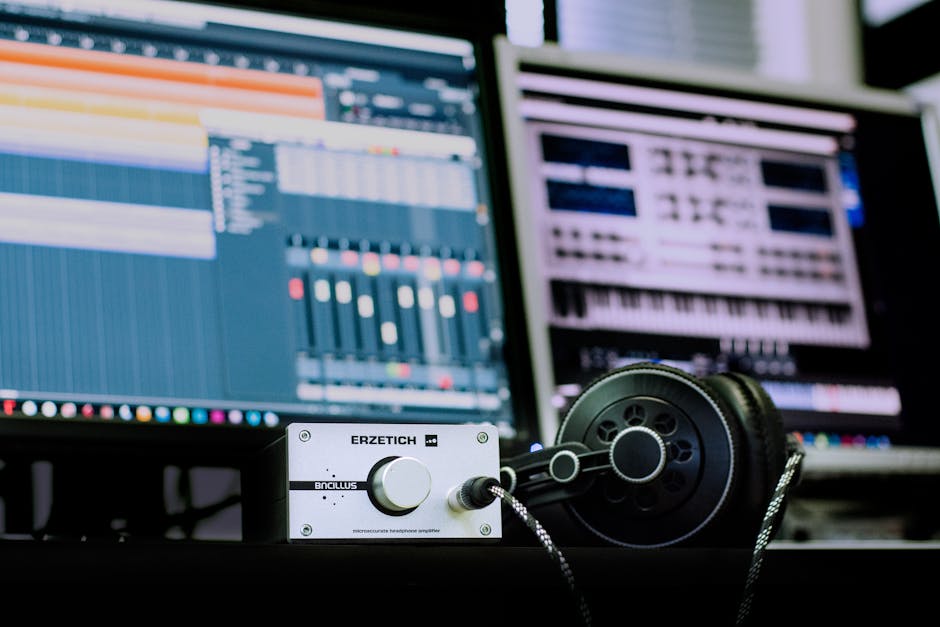
Imagine being able to see the melodies of your favorite song, or watching the rhythmic beats of a drum come to life before your eyes. This is what it means to visualize audio.
It’s not just about hearing sound; it’s about transforming it into a captivating visual experience. Have you ever wondered how DJs create those stunning light shows synchronized perfectly with music at concerts? Or how scientists analyze complex sound patterns? The secret lies in the fascinating world of audio visualization.
By the end of this article, you’ll uncover the magic behind this technology and learn how you can use it to enhance your own audio experiences, whether you’re a music lover, a creative artist, or simply curious. Let’s dive into how you can see sound in a whole new way.

Credit: sound.stackexchange.com
Audio Visualization Basics
Turning sounds into pictures helps people see music. It shows sound waves as colorful shapes and lines. This makes understanding and enjoying audio easier and fun.
Understanding audio visualization basics can transform your listening experience. It’s not just about hearing sounds; it’s about seeing them. Imagine being able to see the music you love come to life in colorful waves and patterns. This is what audio visualization offers. Audio visualization is a method of converting sound into graphical representation. It allows you to view audio frequencies and amplitudes as dynamic visuals. These visuals can be simple, like a bouncing bar, or complex, like intricate swirling designs. Do you remember the last time you felt music deeply? Perhaps it was during a live concert with dazzling light displays. That’s audio visualization in action. It enhances your sensory experience and helps you connect with the music on a deeper level.Understanding Sound Waves
Sound waves are the foundation of audio visualization. They are invisible vibrations that travel through air or other mediums. Visualizing these waves helps you see what you’re hearing. It’s fascinating to watch the peaks and valleys that represent high and low sounds. Consider using a simple audio software to visualize sound waves. Play a song and watch how the waveform changes with different instruments. It’s like reading a story written in waves.Frequency And Amplitude: The Building Blocks
Frequency determines how high or low a sound is. Amplitude measures how loud it is. Together, they create the unique visual patterns you see in audio visualization. High frequencies often appear as sharp spikes, while low frequencies form smooth waves. Experiment with different genres of music. Notice how classical pieces might show gentle waves while rock music displays intense spikes. It’s a fascinating way to understand the complexity of sound.Tools To Create Your Own Visuals
There are various tools available for creating audio visuals. Software like Adobe After Effects or free programs like Processing can help you start. These tools allow you to customize visuals to match your style. Why not try making your own audio visualization? Start with a simple track and explore how it transforms visually. You might discover a new hobby or even enhance your creative projects.Enhancing Your Listening Experience
Audio visualization is more than just a visual treat. It enhances the way you perceive music. Seeing music can make it more engaging and memorable. Imagine using visualization during your next party. It can be a conversation starter and add an exciting element to your event. Your guests might leave with a new appreciation for music.Challenges And Solutions
Creating audio visuals can be challenging. It requires understanding sound properties and technical skills. However, you can overcome these obstacles with practice and persistence. Consider joining online communities or forums. They provide support, tips, and tutorials for beginners. Engaging with others can boost your confidence and help you master the art of audio visualization. Have you ever wondered how seeing sound can change your perception of music? Audio visualization offers a unique perspective. It invites you to explore the unseen side of sound, making your listening experience richer and more immersive.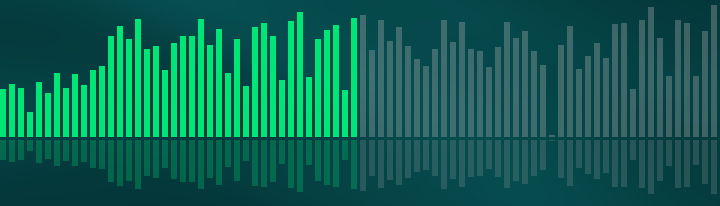
Credit: github.com
Types Of Audio Visualizations
Audio visualization transforms sound into visual elements. These visuals help us understand audio better. Different types of audio visualizations offer unique insights into sound.
Waveform Displays
Waveform displays show the amplitude of sound waves over time. They create a visual pattern of peaks and valleys. This pattern helps identify volume changes in audio. Editors use waveform displays to spot noise or silence. Musicians can pinpoint beats and rhythms easily. Waveforms are the simplest form of audio visualization.
Spectrograms
Spectrograms visualize sound frequencies over time. They provide a detailed view of audio content. Colors represent different frequency ranges and intensities. This allows users to see pitch and tone variations. Spectrograms are useful for analyzing complex audio signals. They help in understanding speech and musical nuances.
Music Videos
Music videos combine audio with creative visuals. They add storytelling elements to songs. The visuals often match the mood and rhythm of the music. Music videos engage audiences by providing a multi-sensory experience. They enhance the emotional impact of audio tracks. Artists use them to convey messages and themes.
Interactive Visuals
Interactive visuals let users interact with audio elements. These visualizations respond to user actions. Users can explore different sound aspects by clicking or dragging. Interactive visuals make learning about sound more engaging. They allow users to experiment with audio settings. This interaction helps in understanding audio dynamics.
Tools For Visualizing Audio
Audio visualization is a fascinating way to transform sound into visual art. You might find it captivating how a song can manifest as a stunning display of colors and shapes. Whether you’re a musician, a digital artist, or just curious, using tools to visualize audio can enhance your creativity and understanding of sound. Let’s explore the various tools available for visualizing audio.
Software Applications
Software applications for audio visualization offer robust features tailored for professionals and enthusiasts alike. Applications like Adobe After Effects provide extensive customization options to create intricate audio-responsive visuals. You can adjust frequencies and patterns to match the mood of your music.
If you’re looking for something more user-friendly, try Magic Music Visuals. It’s intuitive and offers real-time feedback, making it accessible even if you’re new to audio visualization. You can experiment with different styles without getting overwhelmed by complex settings.
Online Platforms
Online platforms are a great way to dive into audio visualization without investing in heavy software. Websites like Renderforest offer cloud-based solutions where you can create music videos with unique visualizations. They are perfect for quick projects and sharing your creations instantly.
Another interesting platform is Specterr, which specializes in visualizing audio for social media content. You can choose from a library of templates and customize them to fit your audio. It’s a fun way to make your sound stand out in a sea of content.
Programming Languages
Programming languages offer endless possibilities for those willing to code their own audio visualizations. Python, with libraries like Pydub and Matplotlib, allows you to process audio data and create dynamic visual representations. You can tailor every aspect to fit your vision.
For more advanced projects, Processing is a fantastic choice. It’s a flexible language perfect for creating digital art. With Processing, you can manipulate audio data to create visuals that respond to different sound properties. Ever tried coding an audio-responsive animation? It might be the creative challenge you need!
What tools will you explore to bring your audio to life? Each tool offers unique strengths, so consider what aligns best with your creative goals. Dive into the world of audio visualization and watch your sound transform into visual magic.
Creative Techniques
Creative techniques breathe life into audio visualization, making sounds visible and tangible. These techniques offer a way to translate auditory experiences into visual wonders. The right combination of visuals and sound can evoke strong emotions. It can enhance the listener’s experience, drawing them deeper into the audio world. Let’s explore some key elements that contribute to effective audio visualization.
Color Theory In Visuals
Color plays a crucial role in creating impactful visuals. Colors can represent mood and intensity, guiding the viewer’s emotional response. Warm colors like red and orange can depict excitement or anger. Cool colors like blue and green often evoke calmness or sadness. Using contrasting colors can highlight specific audio elements. Complementary colors can create a harmonious visual experience. Understanding color theory helps in crafting visuals that resonate with the audio’s essence.
Motion And Dynamics
Motion captures attention and adds depth to visuals. Dynamic movements can reflect the rhythm and pace of the audio. Smooth transitions can represent gentle melodies, while sharp movements can depict intense beats. Motion can mimic the energy of the sound, making the experience more immersive. Animated elements can dance in sync with the music, creating a lively interaction. Effective use of motion can make audio visualization captivating.
Synchronizing Visuals With Sound
Synchronization is key to a cohesive audio-visual experience. Visuals should align perfectly with the sound’s tempo and rhythm. Accurate timing enhances the listener’s connection with the audio. Visual elements can change with beats, emphasizing key moments in the track. Proper synchronization ensures that the visuals complement the audio without overpowering it. This harmony makes the experience seamless and engaging.
Applications In Different Industries
Visualize audio finds applications in music, healthcare, and education by translating sound into visual formats. Musicians use it to analyze sound patterns. In healthcare, it aids in diagnosing hearing impairments. Educational tools enhance learning by making audio content accessible visually.
Visualizing audio is a groundbreaking tool that transforms how we experience sound. This technology finds its place in a multitude of industries, offering innovative solutions and enhancing user experiences. Let’s dive into how different sectors are leveraging the power of audio visualization to create new opportunities and improve existing processes.Music And Entertainment
The music and entertainment industry thrives on engaging audiences. Audio visualization turns music into a visual spectacle. Have you ever attended a concert where the light show seemed perfectly in sync with the beat? That’s audio visualization at work. It enhances live performances, making them more immersive. Musicians and DJs use visual cues to connect with the audience on a deeper level. At home, audio visualizers in music apps or devices add another dimension to listening. They transform your favorite tracks into a dance of colors and shapes on your screen. This makes music more accessible and enjoyable for everyone, including those with hearing impairments.Education And Research
In education, audio visualization is a powerful teaching tool. Complex sound waves become easier to understand when you can see them. Imagine a science class where students learn about sound frequencies not just by listening, but by watching waves move across a screen. This method aids in grasping abstract concepts. Researchers benefit from audio visualization by analyzing sound patterns. Whether it’s studying animal communication or environmental noise, visual data is invaluable. It allows researchers to identify trends and anomalies quickly, making their work more efficient and impactful.Marketing And Advertising
In marketing, catching the audience’s attention is crucial. Audio visualization can turn a simple ad into an unforgettable experience. Brands use it to create eye-catching visuals that sync with jingles or voiceovers, making ads more engaging. Imagine an advertisement where the music’s rhythm and the visuals are perfectly aligned, creating a memorable and interactive experience. This not only grabs attention but also enhances brand recall. In a crowded market, standing out is key, and audio visualization provides that edge. Have you considered how audio visualization could transform your industry? Whether you’re in entertainment, education, or marketing, the potential is vast. Embrace the possibilities and see how this technology can elevate your work.Challenges And Considerations
Transforming sound into visuals involves technical hurdles like synchronizing audio and visuals. User accessibility is crucial, ensuring visuals convey sound accurately.
Visualizing audio involves transforming sound into visual elements. This process offers unique insights, but also presents challenges. These challenges require thoughtful consideration to effectively engage audiences and respect cultural differences.Technical Limitations
Technology can restrict how audio is visualized. Some sounds have complex structures. These may not translate well into visuals. High-quality equipment is necessary for accuracy. Without it, results may be distorted. Software can also limit creativity. Not all programs support intricate designs. This affects the final output. Compatibility issues may arise. Different devices may display visuals differently. Consistent experiences are crucial for audience satisfaction.Audience Engagement
Engaging audiences is vital for success. Visuals must be clear and appealing. They should evoke emotions and provoke thoughts. Simplicity works best for engagement. Overly complex visuals can confuse viewers. Interactive elements enhance experiences. They invite audiences to participate actively. Feedback tools can be useful. They allow creators to understand viewer preferences. Adjustments can be made to improve engagement.Cultural Sensitivity
Cultural differences influence perception. Visuals should respect diverse backgrounds. Some symbols have specific meanings in different cultures. Using them incorrectly may offend audiences. Colors hold cultural significance. Choose carefully to avoid misunderstandings. Sensitivity to cultural nuances is crucial. Conduct research to understand audience demographics. Tailor visuals to suit varied cultural contexts. Respect fosters trust and appreciation.Future Trends
In the fast-paced world of technology, the way we experience audio is undergoing a transformation. As we look ahead, exciting trends are emerging that promise to reshape our audio experiences. From artificial intelligence to immersive realities, these advancements are not just theoretical—they’re already taking shape in your everyday life. Imagine your favorite song not just heard, but seen, felt, and interacted with. How will these innovations change the way you connect with sound?
Ai And Machine Learning
AI and machine learning are making waves in the audio industry. Think of how Spotify curates your playlists based on your listening habits. Now, imagine a future where AI can visualize audio in real-time. It’s like having a personal DJ that knows exactly how to enhance your mood through sight and sound. Machine learning algorithms can analyze audio patterns, turning them into dynamic visuals. This means you could see a song’s rhythm and beats, making the listening experience more immersive. AI can also help in creating unique audio landscapes tailored to your personal preferences. Does this mean your music could become a multisensory experience?
Virtual And Augmented Reality
Virtual and augmented reality are pushing the boundaries of how we perceive audio. Have you ever imagined walking through a virtual concert where you can see sound waves around you? VR allows you to step inside an audio track, experiencing it in 360 degrees. You could explore different layers of a song visually, like traveling through a soundscape. AR can overlay audio visuals in your physical environment, enhancing everyday sounds. This technology can transform mundane experiences into magical ones—imagine seeing music emanating from your coffee cup as you sip your morning brew. These innovations are not just futuristic—they’re becoming accessible.
The future of audio visualization is bright and full of potential. As you engage with these technologies, consider how they might impact your daily life. Will you embrace a world where sound is not just heard but seen and felt? The possibilities are endless, and the choice is yours to make.
Credit: www.researchgate.net
Frequently Asked Questions
What Is Audio Visualization?
Audio visualization is the graphical representation of sound. It transforms audio data into visual formats like waveforms or spectrograms. This helps in analyzing sound patterns and frequencies. Musicians, sound engineers, and developers often use it for audio editing or creating visual effects.
It enhances the understanding of sound characteristics.
How Does Audio Visualization Work?
Audio visualization works by converting sound waves into visual data. Software tools analyze audio frequencies and amplitudes. These are then depicted as waveforms, spectrograms, or other visual formats. This process helps users interpret audio characteristics visually. It aids in sound editing, mixing, and understanding sound dynamics.
Why Is Audio Visualization Important?
Audio visualization is crucial for understanding sound patterns. It helps in identifying specific frequencies and amplitudes. This is vital for sound editing, mixing, and mastering. Visualizing audio can also enhance creative projects. It aids musicians, sound engineers, and developers in producing high-quality audio content.
What Tools Are Used For Audio Visualization?
Various software tools are used for audio visualization. Popular ones include Adobe Audition, Audacity, and FL Studio. These tools convert audio data into visual formats. They offer features like waveforms, spectrograms, and frequency analysis. These tools help users analyze and edit sound effectively.
Conclusion
Visualizing audio opens new paths for understanding sound. It enhances experiences. Music becomes more than just a tune. Imagine seeing beats and rhythms. This method helps in learning too. Students grasp concepts faster. It makes audio accessible to all. Artists find inspiration in visual patterns.
Innovators create unique projects with this tool. Technology keeps evolving. Soon, visual audio may become standard. Everyone can benefit from this approach. Try visualizing your favorite song today. Discover a new world. Make sound a part of your visual journey.
Embrace the art and science of audio visualization.



