
Imagine a world where your watch tracks your heart rate and your glasses help you navigate unfamiliar streets. Welcome to the wearable technology industry!
This fascinating field is transforming how you live, work, and play. It’s not just about gadgets; it’s about creating smarter, healthier lives. You might be wondering how these tiny devices can have such a big impact. The truth is, they are revolutionizing everything from fitness to fashion, and even healthcare.
As you delve deeper into this article, you’ll discover how wearable tech is reshaping industries and enhancing everyday experiences. Get ready to explore the innovations that might soon be a part of your daily routine.
Evolution Of Wearable Technology
Wearable technology has transformed from simple gadgets to sophisticated devices. This evolution is a testament to human ingenuity. From early innovations to modern developments, wearables have changed how we live. They offer convenience, health monitoring, and connectivity. The journey of wearable technology is fascinating and continues to unfold.
Early Innovations
The wearable technology journey began with basic devices. In the 1960s, eyeglasses with built-in radios appeared. They were bulky but innovative. The 1970s introduced calculator watches. These watches were useful and popular among tech enthusiasts. In the 1980s, Walkman players became wearable. People could listen to music while walking. These early devices paved the way for future advancements.
Modern Developments
Today’s wearable technology is sleek and multifunctional. Smartwatches track health metrics and connect to smartphones. Fitness bands monitor heart rates and steps. Virtual reality headsets offer immersive experiences. Smart clothing integrates sensors into fabrics. These modern wearables improve daily activities and health management. They reflect ongoing innovation and adaptation to user needs.
Types Of Wearable Devices
The wearable technology industry is booming, and it’s transforming the way you interact with the world. From tracking your fitness goals to monitoring your health, wearable devices offer you a personalized tech experience right on your wrist, eyes, or even clothes. But what types of wearable devices are out there? Let’s delve into some of the most popular options that are making waves today.
Smartwatches
Smartwatches are not just about telling time anymore. They have become mini-computers that sit on your wrist. Imagine having instant access to your emails, texts, and social media notifications without reaching for your phone. Smartwatches offer you convenience, especially when you’re on the go. You can even take calls, track your heart rate, or navigate using GPS. It’s like having a personal assistant that never leaves your side.
Fitness Trackers
Fitness trackers are your go-to devices for keeping your health goals on track. They are designed to monitor your steps, calories burned, and even your sleep patterns. If you ever wondered how active you really are, a fitness tracker gives you the answers. Wear one during your daily jog or while doing chores around the house. You might be surprised at how much activity you’re actually getting!
Wearable Health Devices
Wearable health devices go beyond fitness tracking; they monitor vital health statistics. These devices can measure your blood pressure, oxygen levels, and even detect irregular heartbeats. Imagine how empowering it is to have this data at your fingertips. You can share it with your doctor for better health insights. Such devices can be life-changing, especially for those managing chronic conditions.
Augmented Reality Glasses
Augmented Reality (AR) glasses are like a window to a new world. They overlay digital information onto the real world, providing you with interactive experiences. Think of having navigation directions appear right before your eyes as you walk. Or imagine your favorite game characters coming to life in your living room. AR glasses are not just for tech enthusiasts; they offer practical applications in education and training, making learning more immersive.
So, which type of wearable device intrigues you the most? Whether you’re looking for convenience, better health insights, or an immersive experience, there’s a wearable device out there that caters to your needs. What would you choose to enhance your daily life?
Impact On Health And Fitness
The wearable technology industry is reshaping health and fitness. Devices like smartwatches and fitness trackers are changing how we monitor our health. They provide insights into daily habits and encourage healthier choices. This technology impacts individuals and the healthcare system. Let’s explore how wearables are improving health and fitness.
Monitoring Health Metrics
Wearable devices track vital health metrics. Heart rate, sleep patterns, and calories burned are monitored. Users can view their health status in real-time. This information helps in making informed decisions about diet and exercise. Wearables provide data that was once only available at the doctor’s office. This empowers users to take charge of their health.
Encouraging Physical Activity
Wearables motivate users to move more. They set daily goals and send reminders to stay active. Users receive notifications to walk or stretch. This constant encouragement leads to increased physical activity. People can track their progress and see improvements over time. Wearables make fitness fun and engaging.
Chronic Disease Management
Wearable technology assists in managing chronic diseases. Devices can monitor symptoms and alert users to changes. Diabetes and hypertension patients benefit from this feature. Alerts can prevent complications by prompting timely interventions. Healthcare providers can access this data for better treatment plans. This leads to improved outcomes for patients.
Credit: market.us
Enhancing Daily Productivity
In today’s fast-paced world, wearable technology is reshaping how we approach daily tasks, offering innovative solutions to enhance productivity. From smartwatches to fitness bands, these gadgets are more than just accessories; they’re tools for efficiency. Imagine being able to manage your time better and automate mundane tasks with just a flick of your wrist. Let’s dive into how wearable tech is transforming our daily routines.
Time Management Tools
Time is one of our most valuable resources, yet it’s often wasted on trivial things. Wearables equipped with time management tools help you prioritize tasks effectively. With features like reminders, calendar notifications, and alarms, you can keep track of your day without constantly checking your phone.
Consider a smartwatch that syncs with your calendar, nudging you to wrap up a meeting or head to your next appointment. This proactive approach helps you stay on schedule and reduces stress. How often do you find yourself scrambling to remember what’s next on your to-do list? A wearable can take on that mental load, freeing you to focus on more important tasks.
Task Automation Features
Imagine if your device could handle repetitive tasks for you. Wearable technology is making this a reality with task automation features. These devices can automate simple actions like sending texts, setting reminders, and even controlling smart home devices.
Picture this: you’re on a run, and your smartwatch automatically starts your favorite workout playlist. Or, you receive a text and your wearable sends a quick reply without you having to stop your activity. This seamless integration into your daily life can save you precious time and streamline your routine.
Are there repetitive tasks in your day that a wearable could handle? As technology advances, the possibilities for automation are expanding, offering you more time to focus on what truly matters.
Incorporating wearable technology into your life can significantly boost your productivity. It’s not just about keeping up with trends; it’s about making the most of every moment. What will you do with the extra time and energy?
Advancements In Fashion
Wearable technology is transforming how we interact with fashion. These advancements blend style with function, creating smart clothing and accessories. Fashion is no longer just about appearance. It’s about innovation and intelligence. Let’s explore this fascinating intersection of tech and style.
Smart Fabrics
Smart fabrics are at the forefront of wearable tech. They merge textiles with electronic components. These fabrics can monitor health, change color, or even light up. Imagine a shirt that tracks your heart rate. Or pants that adjust temperature based on the weather. This is the future of fashion.
Smart fabrics are not just for athletes. Designers are using them in everyday clothing. They offer comfort and functionality. They adapt to your needs and environment. This makes them appealing to a broad audience.
Tech-integrated Accessories
Accessories are also embracing technology. Think of watches that do more than tell time. They check messages, track fitness, and make calls. Smart glasses offer augmented reality experiences. They provide information right before your eyes.
Even jewelry is getting tech-savvy. Rings can now track your sleep patterns. Bracelets monitor your activity levels. These tech-integrated accessories are sleek and stylish. They fit seamlessly into daily life.
The wearable tech industry is changing fashion. It’s making it smarter and more interactive. As technology evolves, so will our clothing and accessories.
Challenges And Concerns
Navigating the wearable technology industry involves tackling privacy concerns and data security issues. Battery life and device durability also pose significant challenges for manufacturers and users. Additionally, ensuring user comfort while maintaining device functionality remains a critical focus.
Wearable technology has rapidly transformed our daily lives, from tracking our fitness goals to monitoring our health vitals. However, as with any technological advancement, it comes with its own set of challenges and concerns. As a user, you might be enjoying the convenience, but it’s crucial to be aware of the potential issues that come along with these devices. Let’s delve into some pressing challenges that the wearable technology industry faces today.Privacy Issues
Your wearable device can collect a vast amount of personal data, from your heart rate to your location. This data is incredibly valuable, not just for you, but for companies and advertisers who may have access to it. Have you ever wondered who else might be seeing your health statistics? There’s a growing concern about how this data is being used, shared, or sold. While companies promise to protect your privacy, breaches are not uncommon. It’s essential to read privacy policies and understand what you’re agreeing to when you use these devices.Data Security Risks
Imagine losing sensitive health data to hackers. Wearable devices often transmit data over the internet, which exposes it to security vulnerabilities. Are you confident that your health information is secure? Weak security measures can lead to unauthorized access, putting your personal information at risk. To protect yourself, ensure your device’s firmware is up-to-date and use strong, unique passwords for connected accounts.Device Dependency
Wearables are designed to make life easier, but they can also lead to dependency. Do you find yourself feeling anxious without your smartwatch or fitness tracker? This dependency can affect your mental health, making you overly reliant on technology for motivation and validation. Consider setting boundaries, like designated tech-free times, to maintain a healthy balance. Understanding these challenges can help you make informed decisions about using wearable technology. As you embrace these innovations, stay vigilant about protecting your data and well-being.Future Trends
The wearable technology industry grows rapidly. New trends shape its future. Tech companies innovate to stay ahead. These advancements make wearables smarter and more efficient. Let’s explore some key trends.
Integration With Iot
Wearables now connect seamlessly with smart home devices. They communicate with refrigerators, lights, and thermostats. This creates a unified experience for users. Imagine a smartwatch that adjusts your home’s temperature. Or a fitness tracker that syncs with your kitchen scale. This integration enhances daily living.
Ai-powered Wearables
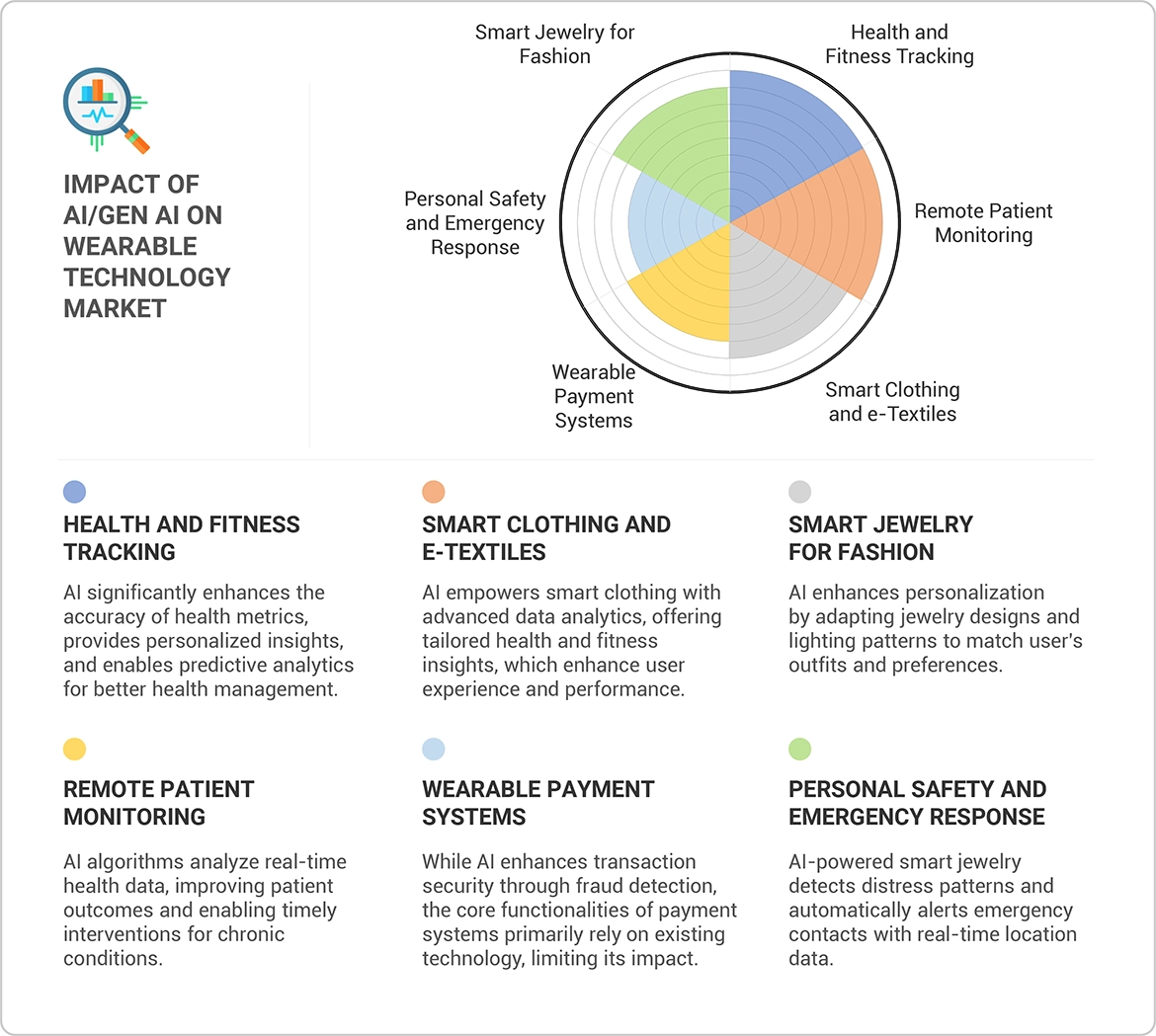
Artificial intelligence boosts wearable functionality. Devices can now predict health issues. They analyze patterns in your data. AI transforms wearables into personal health assistants. Imagine a smartwatch warning you of a high heart rate. Or a fitness tracker suggesting workouts based on your history. AI makes wearables more intuitive.
Sustainability In Design
Eco-friendly designs become more popular in wearables. Manufacturers use recycled materials. They aim to reduce waste. Consumers want sustainable choices. This shift impacts wearable production. Imagine a smartwatch made from recycled plastics. Or a fitness band crafted from sustainable fabric. Sustainability attracts eco-conscious consumers.
Credit: www.marketsandmarkets.com
Market Growth And Opportunities
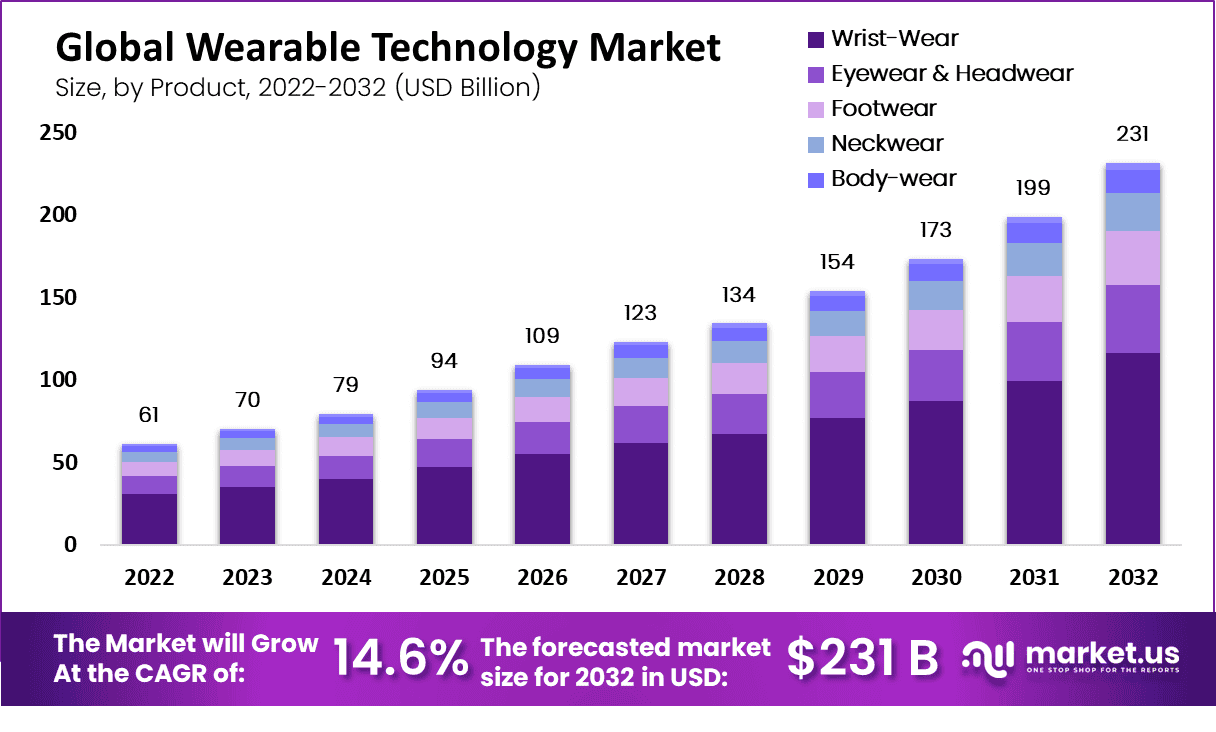
The wearable technology industry shows promising growth and opportunities. People are increasingly using smartwatches and fitness trackers. Demand for health monitoring devices is rising, driving market expansion. Businesses are investing in innovation to meet consumer needs and enhance user experience.
The wearable technology industry is booming, offering immense growth and opportunities. As people increasingly rely on devices that enhance their daily lives, there’s a vibrant market ready to cater to varied needs. From health tracking to smart fashion, the possibilities are vast and ever-expanding. Are you ready to explore the potential that lies ahead?Emerging Markets
Emerging markets are becoming significant contributors to the wearable tech industry. Countries with growing tech-savvy populations like India, Brazil, and Nigeria show promising demand. With increasing smartphone penetration, consumers in these regions are eager to adopt wearables that complement their digital lifestyles. Consider how the demand for affordable wearables in these countries can drive innovation. Companies are tailoring products to meet local preferences and budgets. The focus on customization opens doors for creative solutions that can expand global market reach.Investment Potential
Investors are eyeing the wearable tech industry with keen interest. With projected growth rates and expanding applications, the sector presents lucrative opportunities. Investing in wearable technology is not just about financial returns, but being part of a transformative industry. Think about how investing in a startup creating groundbreaking health-monitoring wearables could change lives. The potential to back companies that make significant societal impacts is compelling. It’s an opportunity to contribute to innovations that people will rely on for years to come. Are you considering investing in the wearable tech market? Look for companies that are not just chasing trends but are committed to sustainable growth and innovation. The right investment could be your gateway to participating in a future where technology closely integrates with human life.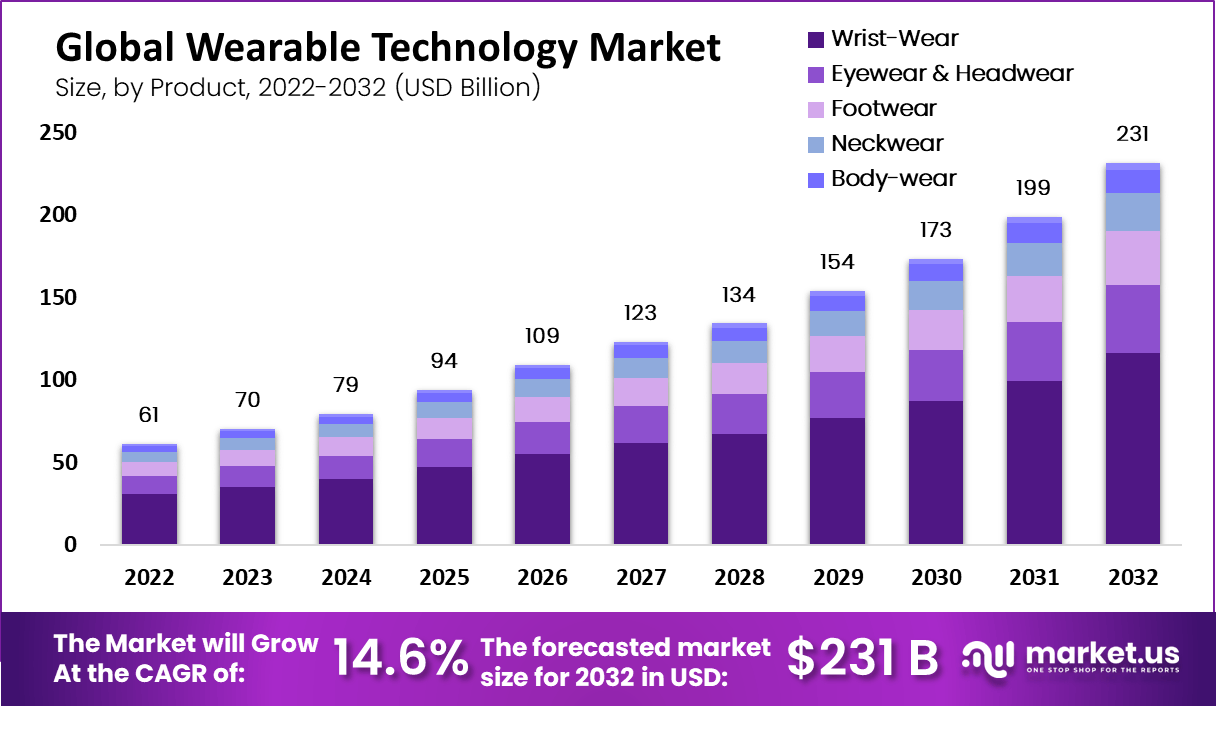
Credit: market.us
Frequently Asked Questions
What Is Wearable Technology?
Wearable technology refers to electronic devices worn on the body. These devices often track health metrics and provide real-time data. Popular examples include smartwatches, fitness trackers, and VR headsets. They enhance user experience by integrating technology seamlessly into daily activities.
The industry continues to grow with innovative applications.
How Do Wearables Benefit Health?
Wearables benefit health by tracking vital signs and activity levels. They monitor heart rate, sleep patterns, and steps taken. This data can help users make informed lifestyle choices. Some devices also provide alerts for abnormal readings. Wearables are increasingly used in personalized health and fitness plans.
Are Smartwatches Part Of Wearable Tech?
Yes, smartwatches are a key component of wearable technology. They offer features like notifications, fitness tracking, and heart rate monitoring. Smartwatches often sync with smartphones to enhance functionality. Their versatility makes them popular among users seeking convenience and connectivity in one device.
What Trends Shape Wearable Technology?
Current trends include health monitoring advancements and improved battery life. Wearables are becoming more fashionable and discreet. Integration with IoT devices is increasing, enhancing connectivity. The focus is shifting towards personalized, user-centric designs. These trends drive innovation in the wearable technology industry.
Conclusion
Wearable technology keeps advancing rapidly. Smartwatches track health and fitness. Fitness bands monitor daily activities. Virtual reality headsets enhance gaming experiences. The demand for wearables grows. Consumers seek convenience and innovation. Businesses innovate to meet this demand. The future looks promising for wearable tech.
New features and designs emerge regularly. Stay informed on latest trends. Embrace technology that fits your lifestyle. Wearables offer unique benefits and enhance daily life. Investing in wearable tech can be rewarding. Stay connected and healthy. The wearable industry will continue to grow and evolve.
Explore options and choose wisely.



